

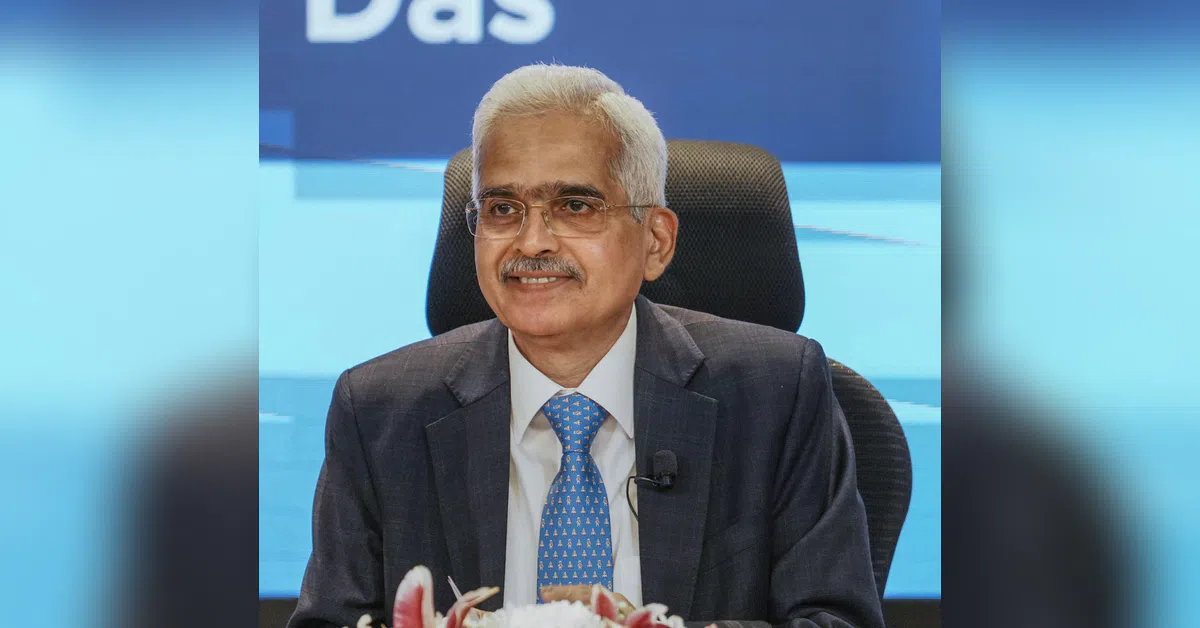
New Delhi, India – India’s reform agenda remains robust and far from complacent, with a series of significant initiatives poised for rollout in the coming months and years. This assertive message was delivered by Shaktikanta Das, Principal Secretary-2 to the Prime Minister, on Monday, as he simultaneously issued a clarion call to India Inc. for a strategic reorientation to effectively absorb shocks amidst escalating geopolitical uncertainties. Speaking at the prestigious Confederation of Indian Industry (CII) Annual Business Summit, Das outlined a comprehensive vision for both governmental action and private sector transformation, aimed at solidifying India’s macroeconomic stability and propelling it towards becoming a globally competitive and inclusive economy.
The address underscored the government’s proactive stance in implementing "bold and forward-looking measures" designed to enhance strategic self-reliance across critical sectors. These range from the foundational elements of rare earths and permanent magnets, vital for advanced technologies, to critical minerals, strategic shipbuilding capabilities, agricultural productivity enhancements in areas like cotton, and the burgeoning field of artificial intelligence (AI). Das’s remarks served as a powerful reassurance that the nation’s economic leadership is not resting on its laurels but is actively shaping a resilient future.
A Call to Action at the CII Summit
The CII Annual Business Summit, a seminal gathering of India’s top corporate leaders, policymakers, and global strategists, provided the ideal platform for Principal Secretary-2 Das to articulate the government’s unwavering commitment to economic reforms. His presence and detailed exposition signalled a strong message from the highest echelons of power: India is geared for sustained growth and is actively building safeguards against global volatility.
"There is no reform complacency, and I would like to highlight and emphasise this sentence," Das asserted, leaving no room for doubt about the government’s resolve. He elaborated that a judicious combination of "policy consistency combined with timely and calibrated reforms are expected to ensure that India not only maintains macroeconomic stability, but also emerges as a globally competitive and inclusive economy." This statement encapsulated the twin pillars of the government’s economic philosophy: a stable policy environment coupled with agile, targeted interventions.
The Principal Secretary further revealed that "several other initiatives which are in the pipeline… will follow in the coming months and years to strengthen the long-term resilience of our economy." This forward-looking declaration hints at a continuous pipeline of policy measures designed to fortify India’s economic fabric against both domestic and international pressures.
Beyond governmental action, Das placed significant emphasis on the role of Indian businesses. He urged them to proactively strengthen their balance sheets, embark on ambitious manpower reskilling programmes, diversify into new growth markets to mitigate vulnerabilities, invest aggressively in future-ready capabilities and technology, and crucially, increase spending on research and development, viewing it as an investment rather than a mere cost centre.
His message to India Inc. was unambiguous: "This is the moment for enterprises to think boldly, innovate fearlessly and invest strategically in emerging opportunities." He challenged the industry to transcend incremental progress, advocating for "consultative action, creating global champions, building resilient supply chains, pioneering new technologies and solving national challenges at scale." This vision calls for a paradigm shift from reactive adjustments to proactive, transformational leadership within the private sector.
Government’s Steadfast Commitment to Reforms and Strategic Self-Reliance
The Indian government, under the leadership of the Prime Minister, has consistently prioritised a reform-driven agenda aimed at enhancing the nation’s economic potential and global standing. Principal Secretary-2 Das’s address at the CII Summit served as a robust reaffirmation of this commitment, detailing both the philosophical underpinning and the practical manifestations of this approach.
Dispelling Complacency: A Continuous Reform Agenda
Das’s emphatic declaration, "There is no reform complacency," directly addresses any potential perception that the government might slow down its reform momentum after years of significant policy changes. India has witnessed a series of transformative reforms in recent years, from the Goods and Services Tax (GST) that unified the indirect tax structure to the Insolvency and Bankruptcy Code (IBC) that streamlined corporate insolvency resolution, and continuous efforts to improve the ease of doing business. The assertion signals that these are not endpoints but rather milestones in an ongoing journey.
The government’s strategy hinges on "policy consistency combined with timely and calibrated reforms." This approach aims to create a predictable and stable environment for investors and businesses, while also allowing for adaptive policy adjustments in response to evolving domestic and global dynamics. Such consistency is crucial for long-term planning and investment, fostering an environment where businesses can grow with confidence. The promise of "several other initiatives which are in the pipeline" suggests a strategic, phased approach to reforms, ensuring that each new measure builds upon the last, strengthening the overall economic architecture.
Forging Strategic Autonomy: Key Sectors for National Resilience
A significant portion of Das’s speech focused on India’s drive towards "strategic self-reliance" (Atmanirbhar Bharat) across a spectrum of critical sectors. This is not merely an economic aspiration but a geopolitical imperative, aimed at reducing vulnerabilities to external shocks and securing national interests.
- Rare Earths and Permanent Magnets: These materials are indispensable for high-tech industries, including electric vehicles (EVs), renewable energy systems, and advanced defense technologies. India’s push for self-reliance in this domain involves exploring domestic reserves, developing advanced processing capabilities, and potentially forging international partnerships to secure supply chains. This move is critical given the global concentration of these resources and their processing.
- Critical Minerals: Beyond rare earths, a broader category of critical minerals, essential for modern industrial and technological applications, is a focus area. Initiatives like Khanij Bidesh India Ltd (KABIL) are actively working to acquire critical mineral assets overseas, ensuring a stable supply for India’s burgeoning manufacturing sector.
- Shipbuilding: Enhancing domestic shipbuilding capacity aligns with both economic and strategic goals. It boosts indigenous manufacturing, creates jobs, and strengthens India’s maritime security and trade capabilities. This includes both commercial and naval shipbuilding, crucial for projecting power and securing sea lanes.
- Cotton Productivity: This agricultural focus highlights the government’s commitment to primary sectors. Improving cotton productivity involves enhancing seed quality, irrigation techniques, and farmer support systems, which in turn boosts the textile industry and rural incomes, making a significant impact on an inclusive economy.
- Artificial Intelligence (AI): Recognizing AI as a transformative technology, India is investing in its development and adoption. This includes fostering research and innovation, building AI infrastructure, developing ethical AI frameworks, and integrating AI into various sectors to enhance efficiency and competitiveness. The National Strategy for Artificial Intelligence aims to position India as a global leader in responsible AI development.
By targeting these diverse yet interconnected sectors, the government aims to build a robust and resilient economy less susceptible to global supply chain disruptions and geopolitical pressures.
The Nexus of Policy Consistency and Macroeconomic Stability
Das explicitly linked policy consistency and calibrated reforms to the maintenance of "macroeconomic stability." India has demonstrated remarkable resilience in recent years, maintaining a robust growth trajectory even amidst global slowdowns, high inflation, and geopolitical conflicts. This stability is crucial for attracting foreign investment, managing inflation, and ensuring sustainable development. The government’s fiscal prudence, monetary policy management by the Reserve Bank of India, and structural reforms collectively contribute to this stability, providing a fertile ground for businesses to thrive.
India Inc. at a Crossroads: Navigating Geopolitical Headwinds
The Principal Secretary’s address was not just about government policy; it was a profound call for introspection and proactive change within the Indian corporate sector. He urged India Inc. to recognize the fundamental shifts occurring in the global economic landscape and to adapt strategically.
The Perils of the "Corner Solution": A Paradigm Shift in Strategy
Das incisively critiqued the traditional "corner solution" model, which has historically driven business operational strategies. He defined this model as an "overreliance on a single source of production, just-in-time supply chains, or dependence on a single supply source." For decades, businesses prioritized efficiency and cost minimization, often leading to highly concentrated and interconnected global supply chains. The rationale was simple: identify the cheapest, most efficient source, and stick with it.
However, recent global events have starkly exposed the vulnerabilities inherent in this approach. The COVID-19 pandemic revealed the fragility of just-in-time supply chains, as lockdowns and disruptions brought industries to a halt. The Russia-Ukraine conflict further exacerbated energy and commodity price volatility, while US-China trade tensions highlighted the risks of overdependence on specific geographies for manufacturing and technology. More recently, disruptions in crucial shipping lanes like the Red Sea have underscored the geopolitical risks to global trade.
Das cautioned that "no country or single supply chain remained cheapest, safest or the most predictable on a sustained basis due to geopolitical conflicts and fragmentation." This statement signals a definitive end to an era where cost was the sole, overriding determinant of supply chain strategy. The world has moved beyond a purely economic calculus to one heavily influenced by geopolitics and national security.
From Cost Minimization to Resilience Maximization
In light of these global realities, Das emphatically stated that industry’s operational strategies "should shift from concentration to diversification and prioritise resilience maximisation over cost minimisation." This represents a fundamental shift in corporate philosophy. While cost efficiency will always remain a factor, it must now be balanced, and often superseded, by the imperative of resilience.
Resilience maximization involves building redundancy, diversifying sourcing, localizing critical inputs where feasible, and fostering agile operational models that can quickly adapt to unforeseen disruptions. This might entail higher initial investments or slightly increased operational costs, but these are increasingly being viewed as necessary insurance premiums against future shocks.
"Leadership now means daring to take risks, reimagining business models and aligning growth with future opportunities," Das proclaimed. This call to action urges Indian businesses to be pioneers, to innovate not just in products and services, but in their very operational structures and strategic thinking. Their choices today, he concluded, "What and how industry chooses to build, disrupt and lead today will define India’s economic growth, social progress and global standing tomorrow."
A Seven-Point Roadmap for a Resilient and Globally Competitive India Inc.
To guide India Inc. through this transformative period, Shaktikanta Das laid out seven concrete suggestions, a strategic roadmap for enterprises aiming to thrive in the new global order.
1. Fortifying Risk Management and Agility
Das’s first suggestion stressed the critical need for Indian businesses to "strengthen risk management, improve decision-making agility and proactively anticipate market, technological and other emerging developments." In an increasingly volatile world, anticipating risks—whether they be geopolitical, technological, or market-driven—is paramount. Firms must develop robust frameworks to identify, assess, and mitigate these risks, moving beyond reactive measures to proactive foresight. This includes investing in data analytics, scenario planning, and intelligence gathering to enable quicker, more informed decision-making. The goal is to build firms that can "absorb shocks, adapt quickly and emerge stronger." This agility will allow India to project a powerful image to the international community: "India is ready – ready to do business, ready to innovate and ready to contribute to global prosperity."
2. Strengthening Corporate Balance Sheets
The second mantra urged companies to "strengthen balance sheets." A strong balance sheet is the bedrock of corporate resilience, providing the necessary financial flexibility to "withstand external shocks, manage cash-flow pressures and invest when opportunities arise." In times of economic uncertainty, businesses with robust financial health are better positioned to weather downturns, seize strategic acquisition opportunities, or invest in new technologies without undue strain. Das advised Indian firms to "prioritise prudent leverage, robust liquidity buffers and forward-looking capital allocation while building new supply chains." This implies a shift towards more conservative financial management, ensuring sufficient reserves and thoughtful deployment of capital.
3. Diversifying Sourcing and Global Value Chain Integration
The third key suggestion directly addresses the vulnerabilities exposed by the "corner solution" model: companies should "proactively diversify sourcing, localise critical inputs wherever feasible and integrate into multiple global value chains." This means moving away from single-source dependencies to a multi-source strategy, exploring suppliers in different geographies, and even bringing production closer to home where economically viable. By becoming integral parts of multiple global value chains, Indian companies can reduce their exposure to disruptions in any single chain, simultaneously positioning themselves as "reliable partners in the evolving global trading system." This strategy enhances resilience while also opening new avenues for global collaboration and trade.
4. Prioritizing Manpower Reskilling and Human Capital Development
Recognizing the profound impact of technology, automation, and AI on industries, Das’s fourth suggestion focused on human capital: "reskill manpower." He underscored that "the future competitiveness of Indian firms will depend heavily on workforce readiness." This is a crucial area for investment, as the pace of technological change necessitates continuous learning and adaptation. "Continuous reskilling and upskilling through vocational training and industry-academia collaboration, particularly in digital manufacturing and advanced technical domains, must become an organisational priority." Such initiatives not only enhance individual employee capabilities but also contribute to overall productivity, foster a stronger and more inclusive corporate culture, and drive long-term efficiency.
5. Exploring New Markets for Growth and Risk Mitigation
The fifth suggestion was to "diversify into new markets." Over-reliance on a narrow set of markets or geographies can significantly increase vulnerability, especially for exporters, during global slowdowns or geopolitical tensions. Das advised Indian businesses to "actively explore new export markets and leverage India’s growing economic and diplomatic influence." India’s expanding diplomatic footprint and strengthening bilateral ties offer new opportunities for market access. "Market diversification would spread risks, stabilise revenue streams and allow firms to tap into new growth corridors and demand patterns," ensuring more stable and predictable revenue generation.
6. Strategic Investment in Future-Ready Capabilities
Das urged industry, as his sixth point, to "invest strategically in technology, innovation, sustainability and capacity-building to prepare for the future and capitalise on emerging opportunities." This goes beyond merely adopting existing technologies; it involves proactive investment in cutting-edge research, sustainable practices, and expanding operational capacities. Such strategic investments enable firms "to capitalise on structural shifts, rather than merely reacting to them." Businesses that demonstrate foresight and invest with a long-term perspective today, he noted, "would be best placed to lead tomorrow," shaping the future rather than being shaped by it.
7. Elevating Research & Development from Cost to Strategic Imperative
Finally, Das delivered a powerful message regarding Research & Development (R&D), exhorted industry to "increase expenditure on research and development and not treat it as a cost." Historically, R&D has often been seen as a discretionary expense, particularly in times of economic pressure. However, Das unequivocally stated: "Expenditure on R&D by corporates should not be seen as a cost centre. It must be seen as a strategic investment." This shift in perspective is crucial for fostering innovation, developing proprietary technologies, and maintaining a competitive edge in a rapidly evolving global landscape. Increased R&D spending is essential for India to move up the value chain and become a true global leader in innovation.
Charting India’s Economic Destiny: A Collaborative Endeavor
Principal Secretary-2 Shaktikanta Das’s address at the CII Annual Business Summit was more than just a policy update; it was a strategic blueprint for India’s economic future, emphasizing a symbiotic relationship between government policy and private sector dynamism. The overarching message was one of shared responsibility and collective ambition.
The Promise of a "Ready India"
The vision articulated by Das is of an India that is not merely reactive to global trends but is actively shaping its destiny. The government’s commitment to continuous, calibrated reforms, coupled with its strategic pursuit of self-reliance in critical sectors, aims to build a robust macroeconomic foundation. This foundation, however, can only deliver its full potential if India Inc. rises to the occasion.
His exhortation for businesses to give a clear message to the international community – "India is ready – ready to do business, ready to innovate and ready to contribute to global prosperity" – encapsulates this collaborative spirit. It speaks to a nation confident in its capabilities, open to global partnerships, and eager to play a more significant role on the world stage. This readiness is underpinned by the strengthening of fundamental economic parameters, the fostering of an innovation ecosystem, and the development of a skilled workforce.
Challenges and Opportunities Ahead
While the roadmap laid out is clear, the path ahead is not without its challenges. Indian businesses will need to overcome hurdles such as access to capital for large-scale R&D and diversification, bridging technological gaps, ensuring a continuous supply of skilled talent, and navigating intense global competition. The transition from a "cost minimization" to a "resilience maximization" mindset will require significant cultural shifts within organizations and potentially higher upfront investments.
However, the opportunities are equally immense. A resilient India Inc., backed by a supportive and reform-oriented government, can unlock unprecedented growth. By embracing the seven mantras – strengthening risk management, fortifying balance sheets, diversifying sourcing and markets, reskilling manpower, investing strategically in future technologies and sustainability, and prioritizing R&D – Indian enterprises can not only protect themselves from future shocks but also emerge as global champions.
The call for "consultative action" and "solving national challenges at scale" points towards a future where the private sector is not just an economic engine but a strategic partner in nation-building, contributing to social progress and enhancing India’s global standing. The convergence of governmental resolve and industrial dynamism, as envisioned by Shaktikanta Das, promises to propel India towards a future of sustained growth, inclusive development, and enhanced global leadership. The coming months and years will undoubtedly test the nation’s resolve, but the foundations for a resilient and prosperous India are firmly being laid.
