

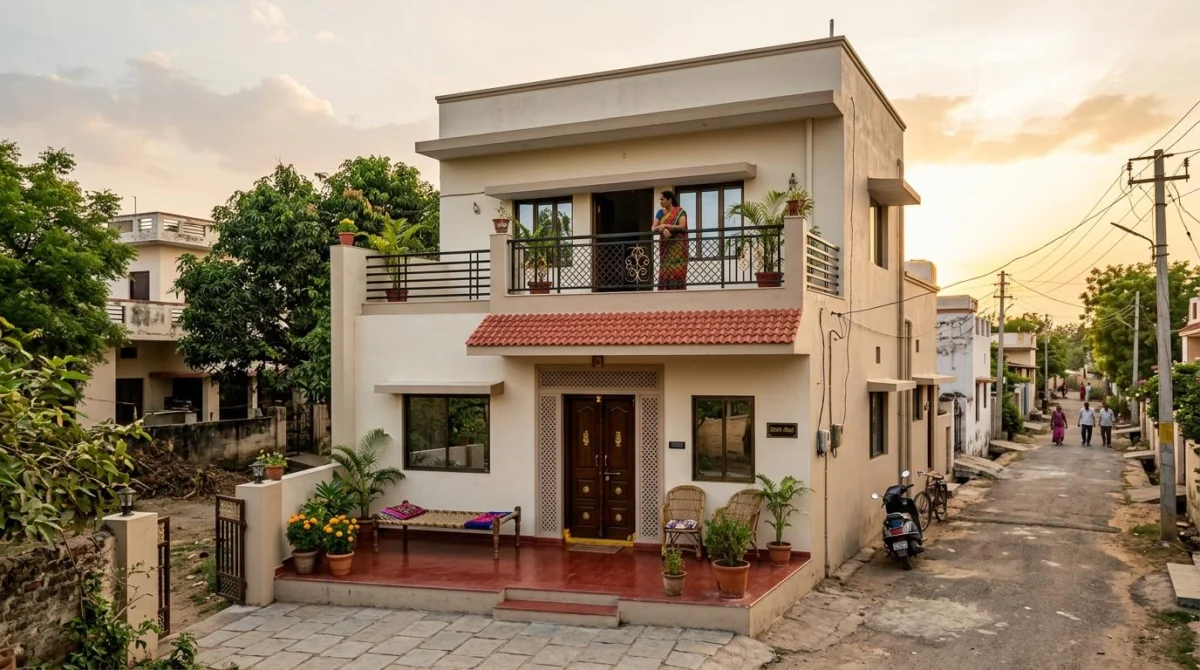
The landscape of rural India is undergoing a profound architectural transformation. Gone are the days when village dwellings were synonymous only with basic mud walls or utilitarian brick structures. Today, a "Rurban" revolution—a blend of rural soul and urban facility—is reshaping how families in the countryside envision their dream homes. Modern village house design has pivoted from mere survival to a sophisticated balance of aesthetics, climate resilience, and smart spatial planning.
As land prices rise and digital connectivity brings global design trends to the smallest hamlets, the demand for homes that are clean, contemporary, and comfortable has skyrocketed. This report explores the evolution, technical specifications, and socio-economic implications of the latest trends in village house design.
1. Main Facts: The Shift Toward Aesthetic Functionality
The modern village house is no longer just a shelter; it is a statement of progress. Current trends indicate that homeowners are prioritizing "Smart Vernacular" architecture. This involves using locally available materials while employing modern engineering techniques to ensure longevity and style.
Key highlights of this shift include:
- Space Optimization: Moving away from sprawling, inefficient layouts to compact, multi-functional designs.
- Climate-Responsive Design: Increased focus on natural ventilation (cross-ventilation) and thermal insulation to reduce dependence on air conditioning.
- Aesthetic Integration: A preference for minimalist exteriors, clean lines, and neutral color palettes that harmonize with the natural surroundings.
- Budget-Conscious Luxury: Achieving a "premium" look through texture and color rather than expensive imported materials.
2. Chronology: The Evolution of the Village Dwelling
To understand the current state of rural architecture, one must examine the timeline of its development:
The Traditional Era (Pre-1980s)
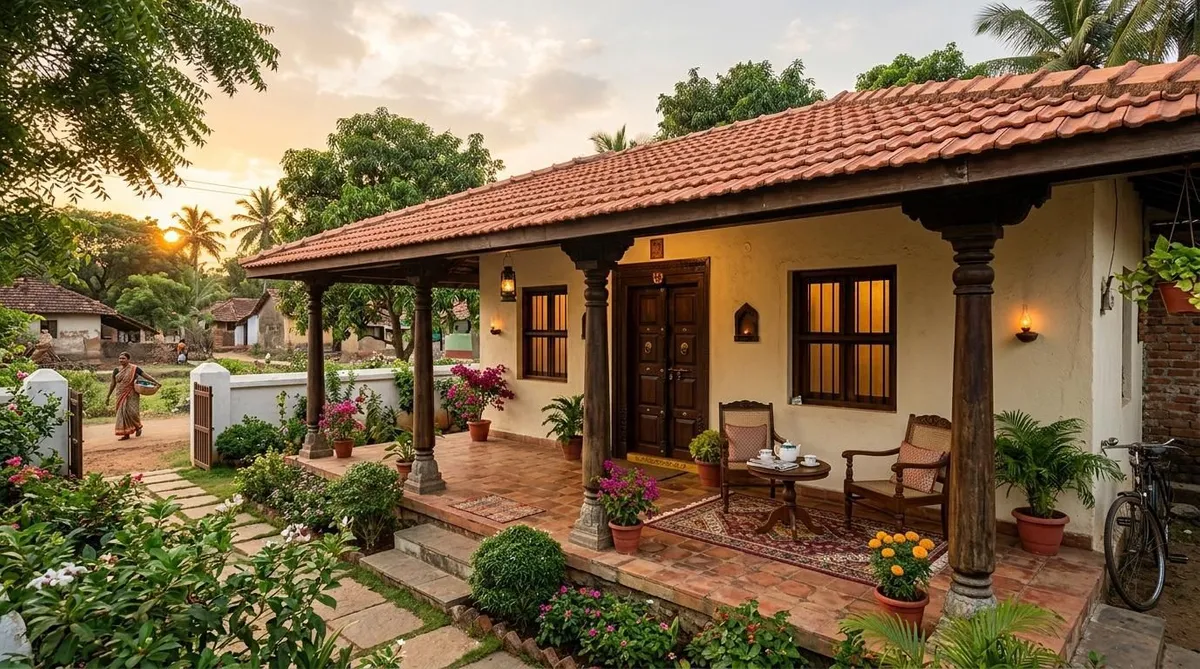
Housing was predominantly vernacular. In regions like Rajasthan, mud and stone prevailed; in Kerala, timber and sloped tiles were the norm. These houses were perfectly synced with the local climate but required high maintenance and lacked modern sanitation facilities.
The Concrete Boom (1990s – 2010s)
As cement became more accessible, the "RCC (Reinforced Cement Concrete) Box" became the symbol of status. While these houses were durable, they often ignored aesthetic appeal and thermal comfort, leading to hot, poorly ventilated interiors.
The Modern "Rurban" Era (2015 – Present)
Driven by social media, architectural YouTube channels, and government initiatives like the Pradhan Mantri Awas Yojana (PMAY), a new wave of design has emerged. Homeowners now seek professional floor plans that offer the "farmhouse" aesthetic while retaining traditional elements like the Aangan (courtyard) or Verandah.
3. Top 10 Design Paradigms for Modern Village Living
The following designs represent the most sought-after styles in the current rural market, each catering to specific geographical and familial needs.
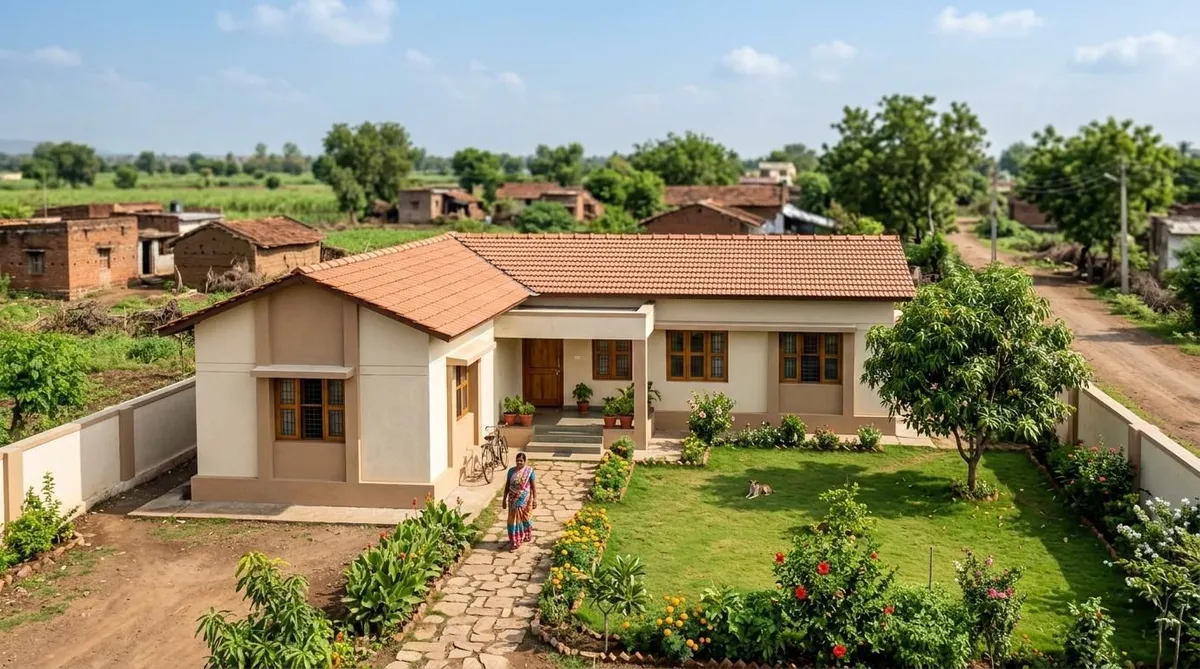
I. The Front Verandah Model
In many cultures, the front verandah (or Baithak) is the social heart of the home. It serves as a transition zone between the public street and the private residence.
- Features: Decorative pillars, built-in stone seating (Katlas), and extended roof eaves.
- Implication: It fosters community bonding, allowing for social interaction without compromising the privacy of the inner rooms.
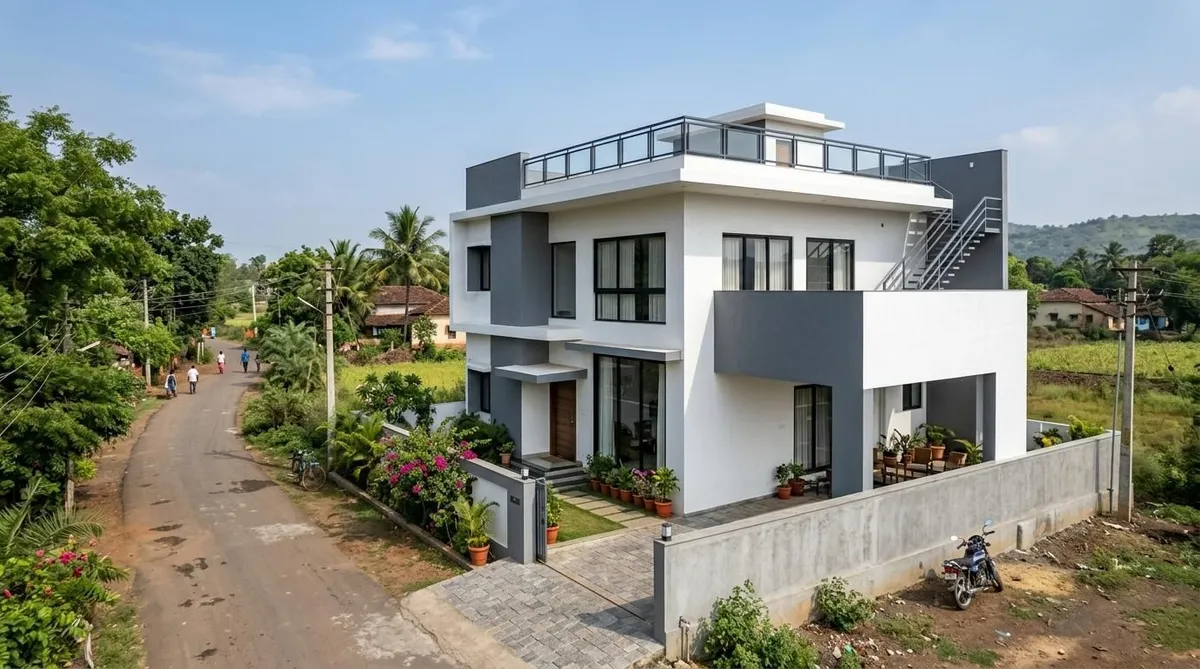
II. The Flat Roof Modernist Design
This style is gaining traction in plains and arid regions where the roof serves as an additional floor for drying crops or sleeping during summer nights.
- Features: Clean geometric lines, parapet walls with glass or iron railings, and easy scalability for future vertical expansion.
- Best for: Families planning to add a second floor in the future.
III. The Sloped Roof Countryside Aesthetic
Common in high-rainfall areas like the Konkan coast or Northeast India, the sloped roof has transitioned from a necessity to a style icon.
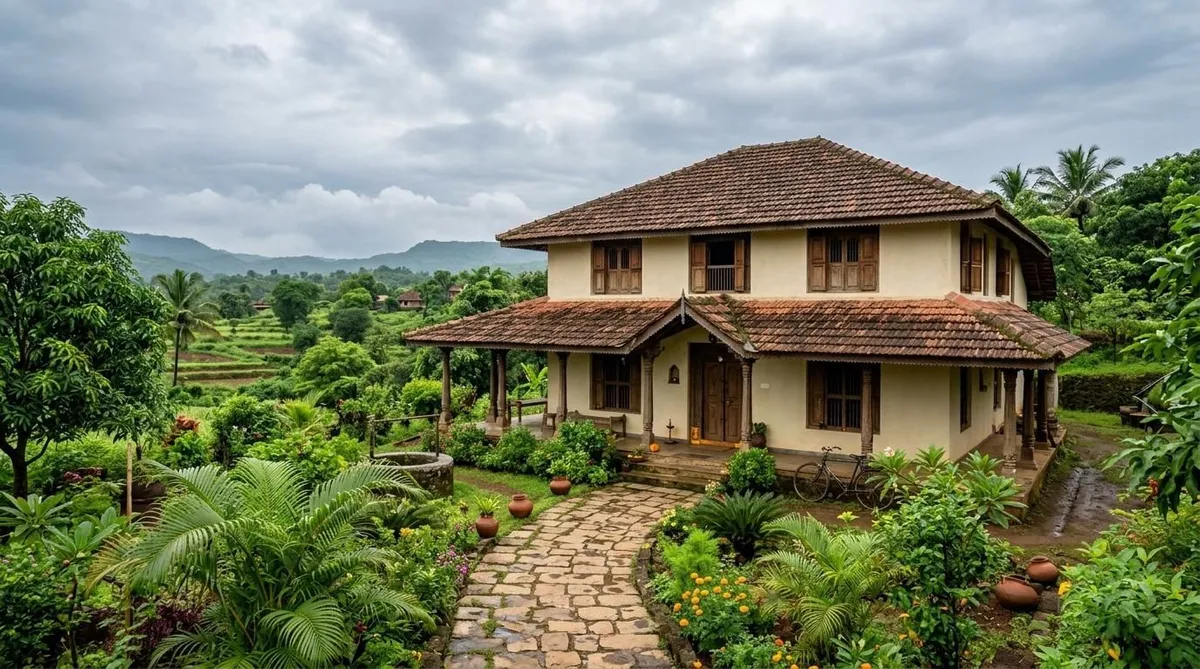
- Features: Use of Mangalore tiles or modern shingles, high ceilings for hot air escape, and wide overhangs to protect walls from monsoon rain.
- Style Note: It provides a "resort" or "farmhouse" feel that is highly valued for its picturesque quality.
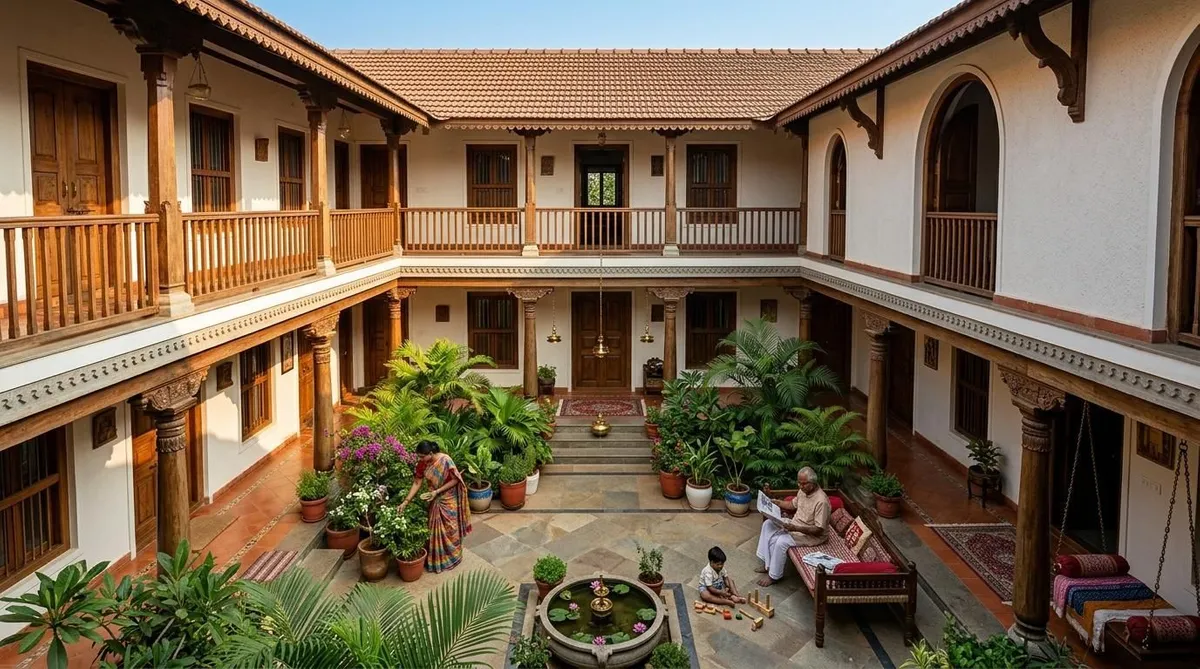
IV. The Central Courtyard (Aangan) Revival
Architects are re-introducing the courtyard to solve ventilation issues in densely packed village clusters.
- Features: An open-to-sky central area that acts as a light well, bringing natural illumination into every room.
- Benefit: It creates a private outdoor space for women and children while naturally cooling the house through the "chimney effect."
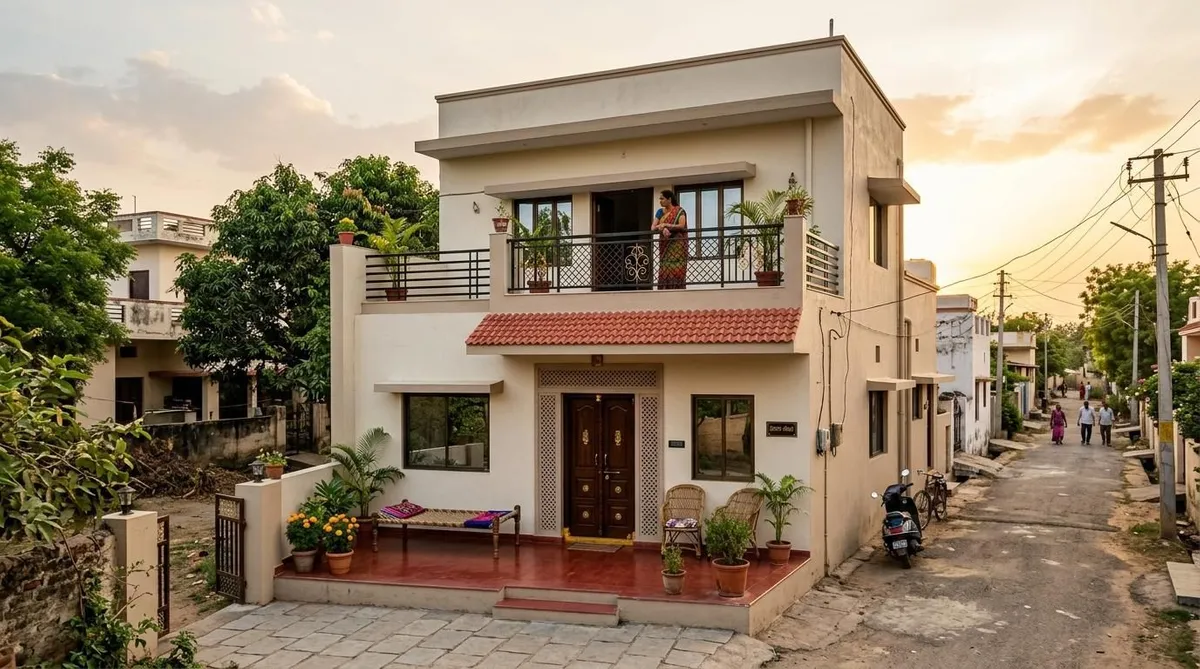
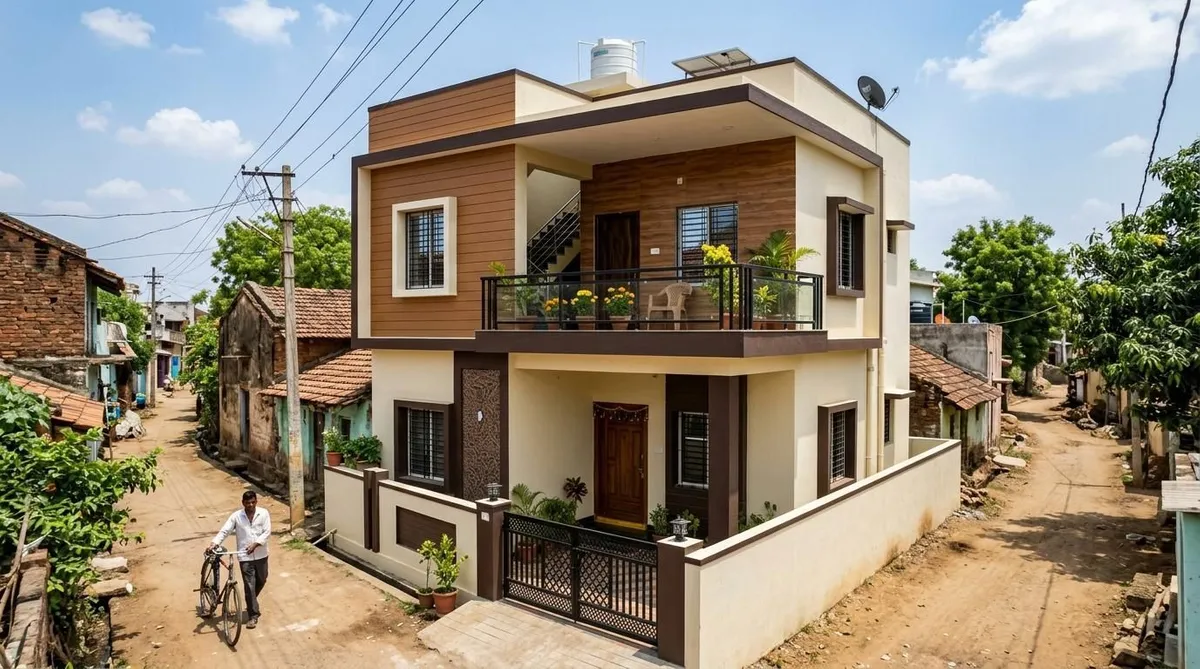
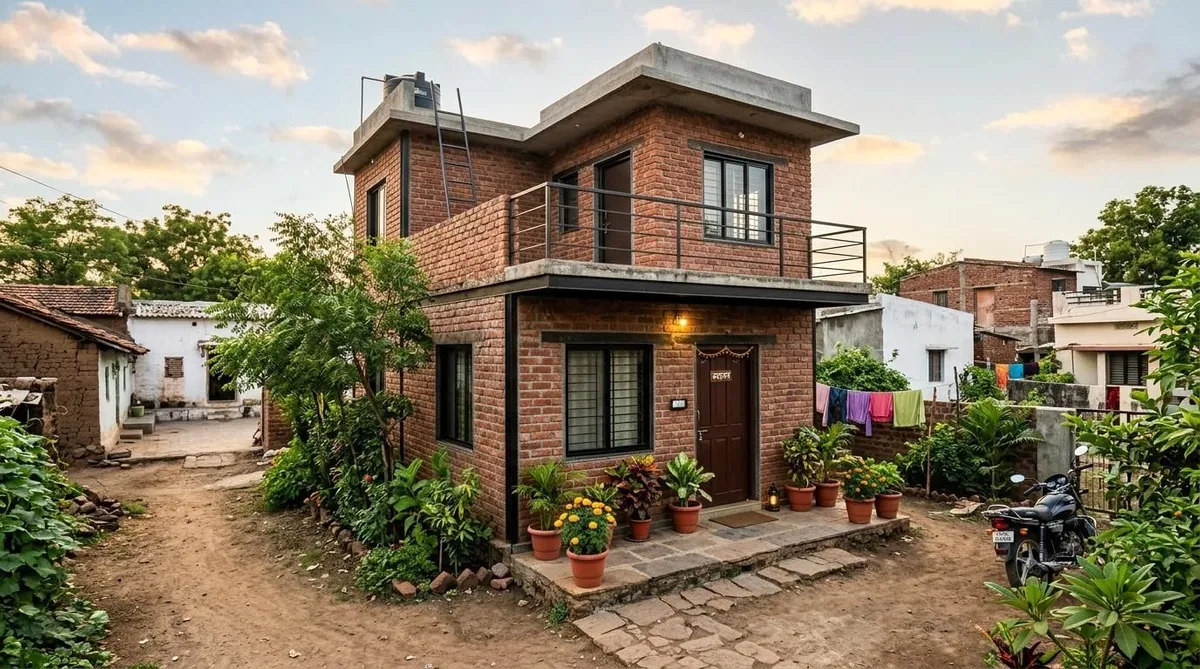
V. The Double-Floor Compact Unit
With the fragmentation of ancestral land, many rural families are left with smaller plots. The solution is vertical growth.
- Features: Internal or external staircases, balconies that offer views of the fields, and clear segregation between the ground floor (public/elders) and the first floor (private/younger generation).
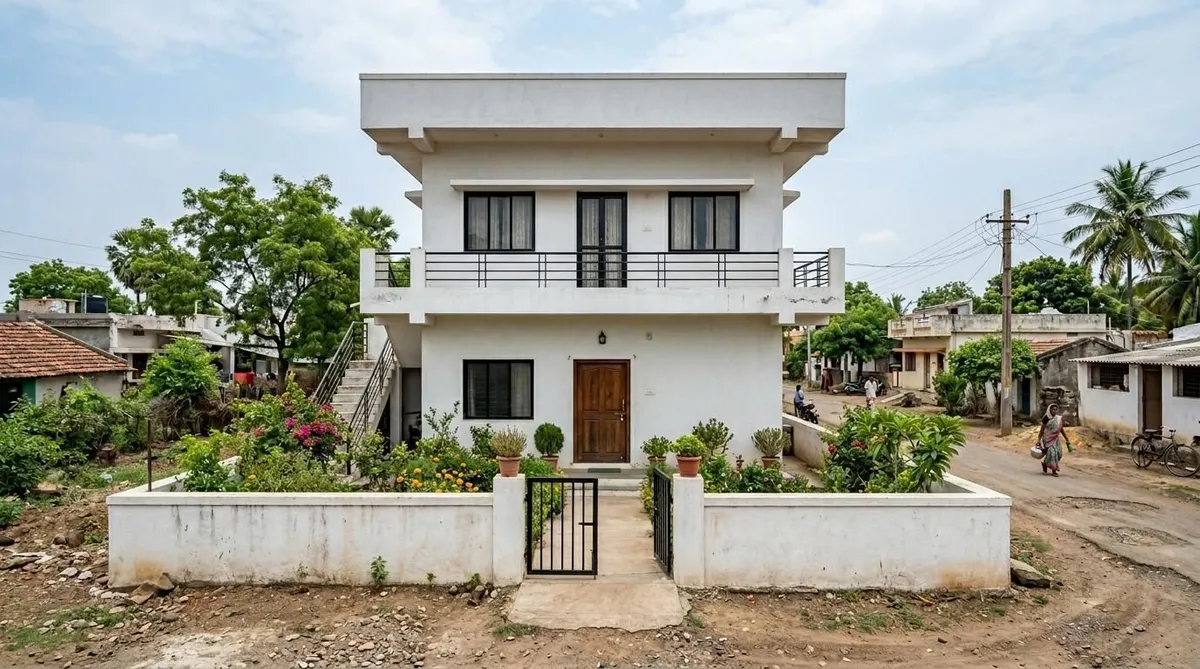
VI. The White Minimalist Exterior
Inspired by Mediterranean and Scandinavian styles, the all-white exterior is a functional choice for the Indian climate.
- Scientific Edge: White paint has a high Solar Reflectance Index (SRI), keeping the home significantly cooler than darker shades.
VII. Exposed Brick and Earthy Textures
Moving away from plaster and paint, many are opting for the "Industrial Rural" look.
- Features: Using high-quality wire-cut bricks or stone cladding.
- Benefit: Low maintenance, as it eliminates the need for frequent repainting, and ages gracefully over decades.
VIII. The L-Shape Functional Layout
This is the most efficient design for corner plots or families with livestock.
- Features: One wing for living quarters and another for storage or utility, creating a protected "inner yard" for domestic activities.
IX. Farmhouse-Inspired Luxury
For those with larger landholdings, the village house is becoming a weekend retreat.
- Features: Large floor-to-ceiling windows, wrap-around porches, and integrated landscaping that blurs the line between the indoors and the surrounding greenery.
X. Modern-Traditional Fusion (Jaali & Wood)
This style uses modern concrete shells but adorns them with traditional elements like Jaalis (perforated screens) for airflow and ornate wooden doors.
- Cultural Significance: It allows families to showcase their heritage while enjoying modern comforts.
4. Supporting Data: The Economics of Rural Construction
The shift in design is backed by significant economic data. According to recent construction industry reports:
- Cost Efficiency: A well-planned 1,000 sq. ft. village house can be constructed for 30% less than an urban equivalent due to lower labor costs and the use of local materials.
- Material Trends: There is a 25% increase in the use of eco-friendly materials like fly-ash bricks and UPVC windows in rural sectors over the last three years.
- Government Impact: Under the PMAY-G, millions of houses have been sanctioned, with a growing emphasis on "Type Designs" that incorporate local climate-resilient features.
5. Official Responses: Expert Architectural Perspectives
Prominent architects specializing in rural development emphasize that "design is the best form of economy."
Ar. Sanjay Mahajan, a consultant for rural housing projects, states:
"The misconception that village homes must be ‘simple’ to be affordable is fading. By using smart orientation—placing windows to catch the breeze and shading the southern walls—we are helping villagers save thousands in electricity bills over the house’s lifetime. The focus is now on ‘Life Cycle Cost’ rather than just ‘Construction Cost’."
Town Planning Officials have also noted that improved house designs in villages are leading to better sanitation and health outcomes, as modern designs prioritize segregated kitchens and ventilated toilets, which were often overlooked in older traditional structures.
6. Implications: The Social and Economic Impact
The enrichment of village house design has far-reaching consequences:
Psychological Well-being and Status
A well-designed home significantly boosts the self-esteem of rural families. It bridges the "perceived gap" between urban and rural lifestyles, making the village a more attractive place to live for the younger, educated generation.
Reverse Migration
With the rise of "Work from Home" and improved rural infrastructure, high-quality house designs are encouraging reverse migration. Professionals are moving back to their villages, building modern homes that offer urban luxury amidst rural peace.
Sustainability
Modern village designs often incorporate rainwater harvesting and solar panels more easily than cramped city apartments. This makes the new-age village home a pioneer in sustainable living.
Conclusion: A New Blueprint for Rural India
Simple village house designs have evolved into a sophisticated blend of art and science. Whether it is the community-centric verandah or the climate-resilient sloped roof, the focus remains on creating a sanctuary that is "Strong, Stylish, and Sustainable." As India continues to develop, the village house will stand as a testament to the country’s ability to innovate while staying rooted in its rich cultural soil. The modern village home is no longer a compromise; it is a destination.
Disclaimer: The information provided in this report is based on current architectural trends and industry data. Costs and feasibility may vary based on local regulations, geography, and material availability. Readers are advised to consult with certified structural engineers and architects before commencing construction.
