

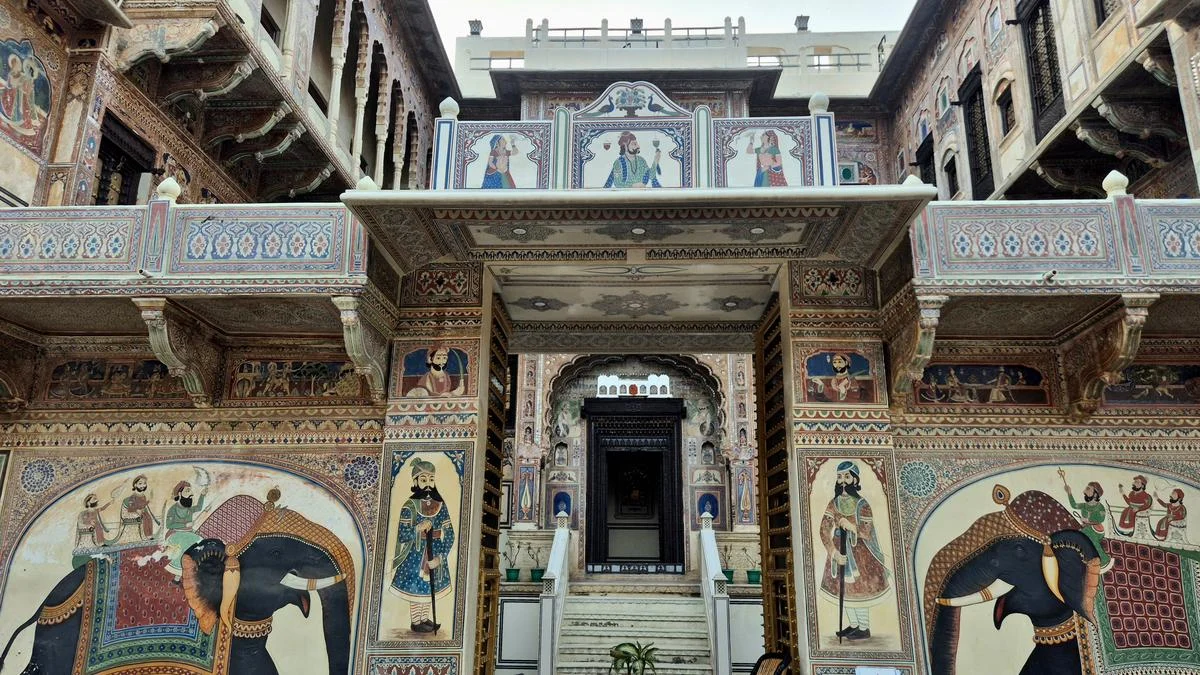
“This haveli is at least a hundred years old, and so are the frescoes in your room,” the bellman remarks with a quiet, practiced pride. He swings open a low-hung wooden door—a traditional architectural design that necessitates a humble bow from anyone entering. This physical gesture of respect serves as an appropriate introduction to Churu, a gateway to the Shekhawati region of northern Rajasthan.
After a grueling five-hour drive from the frantic energy of Delhi, the transition into this semi-arid landscape feels like a step back into a mercantile golden age. Often described by art historians as the "world’s largest open-air art gallery," Shekhawati is a dense concentration of 18th to 20th-century merchant mansions, or havelis, adorned with some of the most intricate hand-painted frescoes found anywhere on the Indian subcontinent.
Main Facts: A Living Museum of Merchantile Ambition
The Shekhawati region, comprising the districts of Churu, Jhunjhunu, and Sikar, represents a unique intersection of commerce and creativity. Unlike the royal palaces of Jaipur or Udaipur, which were funded by the state treasury, the architectural wonders of Shekhawati were the products of private wealth. They were built by the Marwari and Jain trading communities who, having amassed fortunes in the metropolitan hubs of the British Raj, returned to their ancestral desert homes to display their prosperity.
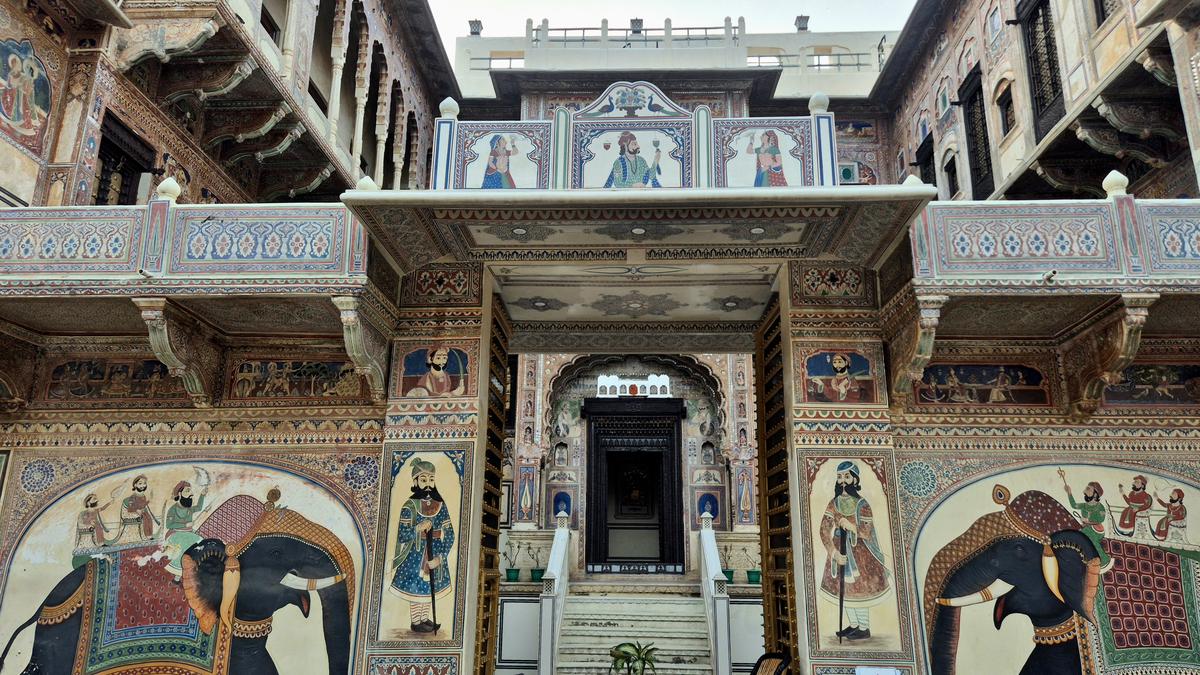
The primary attraction of these structures is the fresco work. Using a technique similar to the Italian buon fresco, local artisans applied natural pigments onto wet lime plaster, ensuring the colors became a structural part of the wall. The subject matter is an eclectic mix of the traditional and the modern: while one panel might depict the life of Lord Krishna, the adjacent one might showcase a steam locomotive, a British gramophone, or a Wright brothers-style airplane—visual records of the merchants’ travels to the outside world.
Today, this heritage faces a dual reality. While many havelis have crumbled into "fragile relics" due to neglect and the migration of their owners to Mumbai or Kolkata, a growing movement of adaptive reuse is transforming these structures into heritage hotels and museums, preserving the region’s legacy for a new generation of travelers.
Chronology: From Caravan Routes to Cinema Sets
The 15th Century: Foundations of Power
The story of Shekhawati begins in the 1400s when Rao Shekha, a Rajput chieftain, established his sovereignty over this semi-arid territory. For centuries, the region served as a vital buffer and a strategic corridor. Its location was its greatest asset, sitting squarely on the caravan routes that linked the Mughal power centers of Agra and Delhi to the bustling ports of Gujarat and the western frontier.
The 18th and 19th Centuries: The Golden Era of Trade
As the Mughal Empire waned and British influence grew, the Marwari traders of Shekhawati emerged as the financial backbone of northern India. The trade in cotton, silk, spices, and opium flourished. Wealthy families like the Goenkas, Podars, and Suranas began a centuries-long "architectural arms race," commissioning grand havelis that featured multiple courtyards, ornate wooden doors, and the signature frescoes that now define the region.
The 20th Century: Migration and Decay
With the advent of the railways and the shifting of trade to coastal cities like Calcutta and Bombay, the great merchant families began to migrate. The havelis were left in the care of chowkidars (caretakers). For decades, the desert sun and monsoon rains took their toll on the lime-plastered walls, leading to the "faded grandeur" that characterizes much of the landscape today.
The 21st Century: The Heritage Revival
In recent decades, a shift toward heritage conservation has taken root. The emergence of Mandawa as a popular filming location for Bollywood blockbusters like Bajrangi Bhaijaan, PK, and Jab We Met brought national attention back to the region. Concurrently, conservationists and entrepreneurs began restoring these structures, turning them into "living museums" where history is not just viewed but experienced.
Supporting Data: Architectural and Cultural Specifics
The architectural diversity of Shekhawati is best observed through its key towns, each offering a distinct flavor of the region’s history.
Mandawa: The Bollywood Darling
Mandawa is perhaps the most recognizable face of Shekhawati. The town’s heritage walk, often led by experts like Mudita Saxena—the region’s first female tourist guide authorized by the Ministry of Tourism—centers on Mandawa Castle. This medieval Rajputana fortress dominates the skyline, but the true treasures lie in the surrounding lanes.
- The Goenka Double Haveli: Notable for its monumental scale and two separate entrances.
- The Murmuria Haveli: Features paintings that reflect a fascination with the West, including depictions of cars and European landscapes.
- The Murmuria Tank: An ancient stepwell that once served as the social and hydrological heart of the community.
Nawalgarh: The Museum Town
Nawalgarh is often considered the most "lived-in" of the heritage towns. It houses the Dr. Ramnath Podar Haveli Museum, one of India’s oldest private museums, which provides a deep dive into the folklore and domestic rituals of the Marwari people.
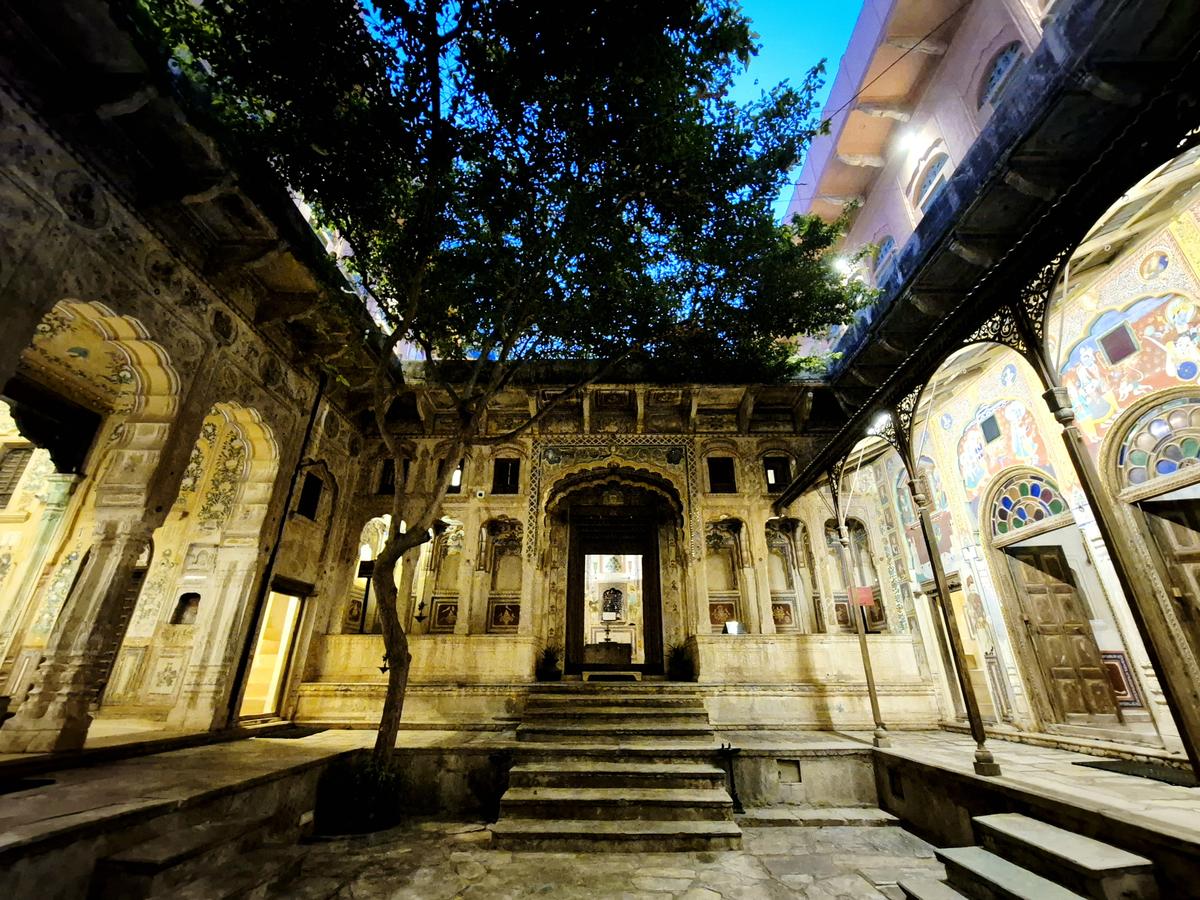
- Vivaana Culture Hotel: A 19th-century double haveli where frescoes are not merely preserved but integrated into the daily life of guests. The restoration here emphasizes "adaptive reuse," ensuring that original architectural details remain the focal point while providing modern amenities.
Ramgarh Shekhawati: The "Doosra Kashi"
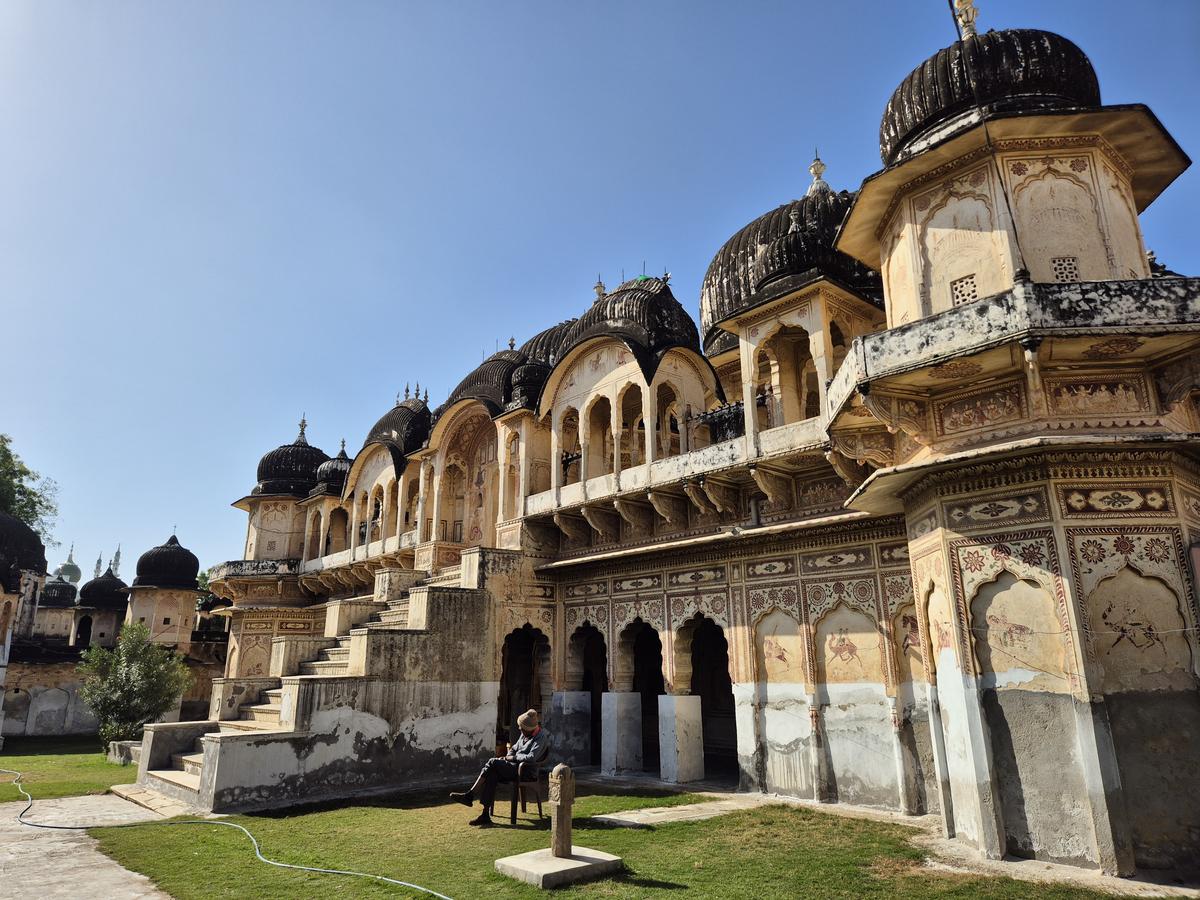
Once a major center for Sanskrit learning and Ayurvedic medicine, Ramgarh Shekhawati was known as Doosra Kashi (the second Varanasi). Its legacy is etched into its numerous chhatris (cenotaphs) and temples.
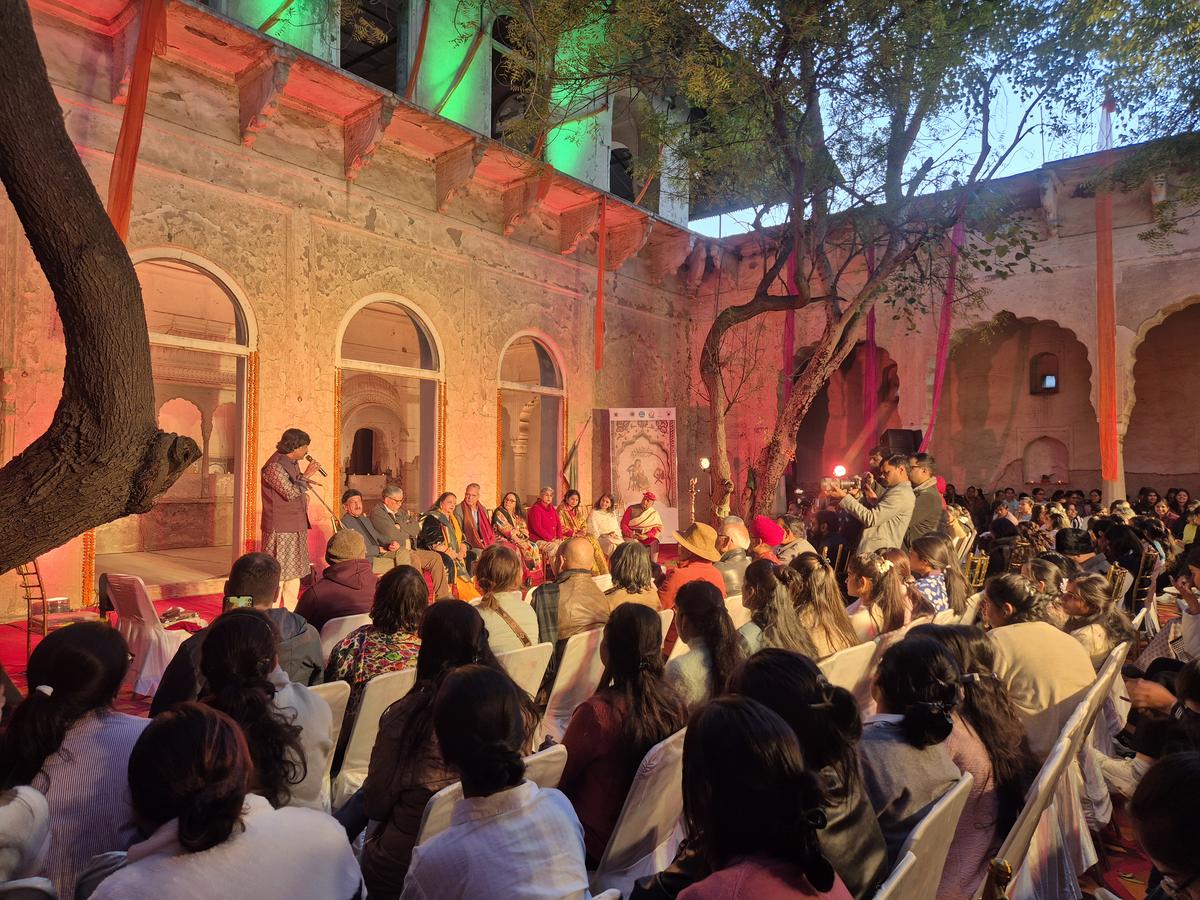
- VHAH Fest: The Vedaaranya Heritage and Healing Festival has become a cornerstone of the town’s cultural revival. Now in its 10th edition, the festival brings together UNESCO delegates, Kathak dancers, and percussion ensembles like Tal Fry to perform amidst the ruins and restored forts.
Churu: The Architectural Grid
Churu offers a more compact, urban experience.
- Surana Haveli: Known as the "Hawa Mahal of Churu," it features an incredible 1,111 windows and doors designed to facilitate airflow in the blistering desert heat.
- Sethani Ka Johara: A historic reservoir built during the devastating famine of 1899. It stands as a testament to the philanthropic spirit of the merchant families who funded public works during times of crisis.
Official Responses and Conservation Perspectives
The preservation of Shekhawati is a complex challenge involving private owners, the state government, and conservationists.
Shruti Nada Poddar, a prominent heritage conservationist and native of Ramgarh, emphasizes that festivals like VHAH are not just about entertainment but about "reclaiming the soul of the town." By bringing international art and scholarly discussion to the Ramgarh Fort, conservationists hope to stimulate local economies and provide a financial incentive for haveli owners to preserve rather than demolish their ancestral homes.
The Ministry of Tourism has also stepped in by certifying local guides, ensuring that the historical narrative provided to tourists is accurate and professional. Mudita Saxena’s role as the first female guide is seen as a significant step toward gender inclusivity in a traditionally conservative region.
However, challenges remain. Many havelis are embroiled in legal disputes among multiple heirs, making restoration difficult. Conservationists like Atul Khanna, who oversaw the restoration of the Jaipuria Haveli into the Vivaana Museum Hotel, argue that "adaptive reuse" is the only viable path forward. By turning these spaces into hotels or galleries, the buildings generate the revenue needed for their own maintenance.
Implications: The Future of the Open-Air Gallery
The transformation of Shekhawati from a collection of "fragile relics" into a premier cultural destination has several long-term implications:
- Economic Shift: The region is transitioning from an agricultural and migrant-remittance economy to one driven by high-end heritage tourism. This creates jobs for local guides, artisans, and hospitality staff.
- Cultural Identity: The revival of interest in Shekhawati’s folklore and traditional music—evidenced by the cello recitals at Sethani Ka Johara and Dastaangoi (storytelling) performances at Ramgarh Fort—helps preserve intangible heritage that was at risk of being forgotten.
- Conservation Models: Shekhawati serves as a case study for the rest of India on how private-public partnerships and "living heritage" models can save historical architecture without relying solely on government funding.
- Sustainable Tourism: As travelers move away from the "Golden Triangle" (Delhi-Agra-Jaipur), Shekhawati offers a more contemplative, slow-travel alternative that distributes tourism revenue more evenly across Rajasthan.
As the sun sets over the arches of Sethani Ka Johara, the sound of a cello echoing through the stone chhatris, it becomes clear that Shekhawati is no longer just a ghost town of the Marwari elite. It is a region in the midst of a sophisticated rebirth, where the frescoes of the past are providing the canvas for a vibrant future.
A Taste of the Region: Local Culinary Highlights
No exploration of Shekhawati is complete without engaging with its robust culinary traditions, which are as layered as its history:
- Traditional Staples: Ker sangri (desert beans and berries) and daal-baati-choorma remain the definitive Rajasthani experience.
- Street Food of Nawalgarh: The Kachori with chane ki sabzi and lehsun (garlic) chutney from Shri Thaliya Chaat Bhandar is a local legend.
- Sweet Traditions: The Chirawa pedas from Lalchand Pedawala in Jhunjhunu and the Baked Rajbhog from Babulalji Halwai offer a glimpse into the region’s love for rich, milk-based confectionery.
- Churu’s Specialty: Pyaaj kachoris (onion pastries) from Shri Ganesh Mishtan Bhandar are a must-try for any traveler navigating the town’s narrow lanes.
