

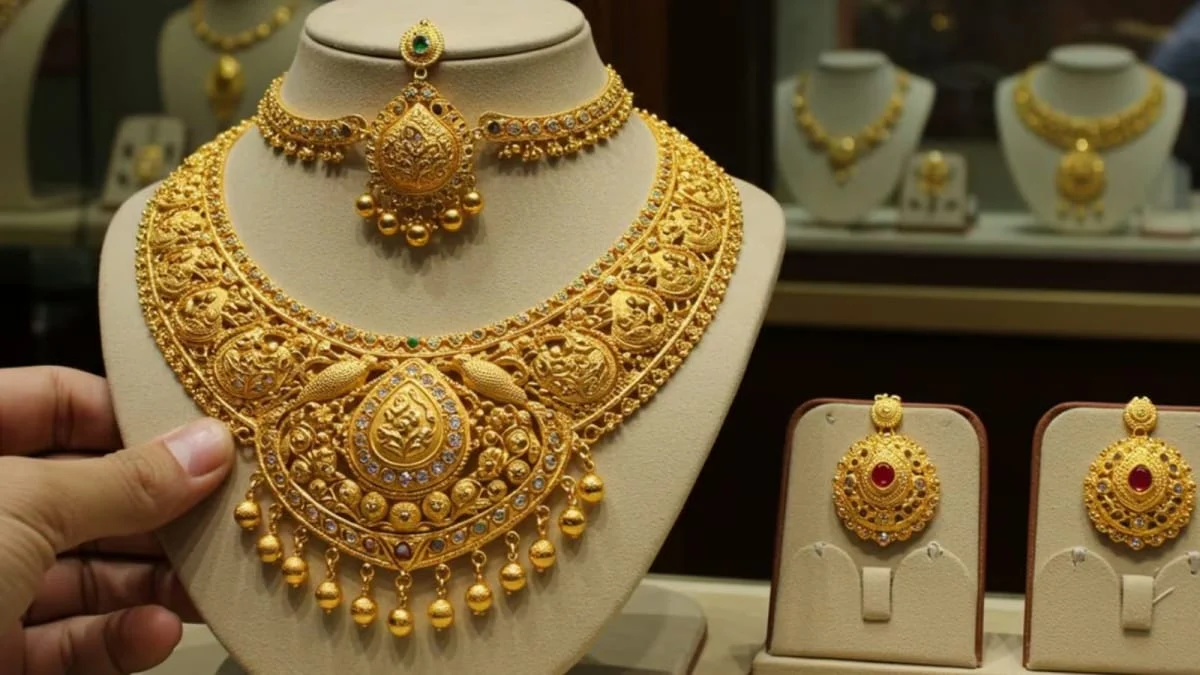
New Delhi, India – May 13, 2026 – In a swift and decisive move that reverberated through financial markets, the Indian government, through a late-night notification from the Ministry of Finance, has significantly increased the import duty on gold, silver, and other precious metals. Effective immediately from May 13, 2026, the total effective duty on these commodities has surged to 15%, a substantial leap from the previous 6%. This dramatic policy shift, aimed at curbing non-essential imports and bolstering the nation’s foreign exchange reserves, instantly sent jewellery stocks tumbling while driving bullion prices on commodity exchanges to hit their upper circuits.
The announcement, catching many market participants off guard, triggered an immediate sell-off in major jewellery firms listed on Indian bourses. Kalyan Jewellers, a prominent player in the retail segment, bore the brunt of the pressure, witnessing its shares plummet by 4.33% to close at Rs 346.15, making it the top laggard among its peers. Titan Company, another titan of the industry known for its Tanishq brand, also experienced a downturn, slipping 0.43% to Rs 4,037.80. Senco Gold, a regional stalwart, traded 0.19% lower at Rs 312.15, reflecting a broader sentiment of apprehension across the sector.
Conversely, the domestic bullion market reacted with an equally sharp, albeit opposite, trajectory. On the Multi Commodity Exchange (MCX), gold and silver contracts surged, hitting their respective upper circuits as traders and investors grappled with the implications of the higher import costs. The increase in duty effectively raises the landed cost of precious metals in India, leading to an immediate repricing in the domestic market to reflect the new cost structure.
The revised duty structure now comprises a 10% basic customs duty alongside a 5% Agriculture Infrastructure and Development Cess (AIDC), culminating in the 15% effective levy. This expanded scope extends beyond raw gold and silver to include platinum, jewellery findings, and various precious metal-related industrial imports, indicating a comprehensive strategy by the government to manage its import bill across the precious metals spectrum. This policy intervention underscores the government’s pressing concerns regarding the nation’s balance of payments and the imperative to safeguard its foreign exchange reserves amidst escalating global economic uncertainties and volatile commodity prices.
A Chronology of Policy Shifts and Market Reactions
The recent duty hike on gold and silver is not an isolated incident but rather the latest chapter in India’s long-standing, often complex, relationship with the yellow metal. As one of the world’s largest consumers and importers of gold, India’s policies on precious metals have consistently aimed at balancing cultural demand, economic stability, and revenue generation.
The Pre-Existing Framework
Prior to this latest announcement, India had maintained an effective import duty of 6% on gold and silver. This rate itself was a result of several adjustments over the years, often reduced or increased incrementally based on prevailing economic conditions, global gold prices, and the health of India’s current account deficit (CAD). The 6% duty was seen as a relatively stable figure, providing some protection to domestic jewellers while not excessively penalizing consumers or fueling rampant smuggling. Industry stakeholders had largely adapted to this rate, integrating it into their business models and pricing strategies. The expectation was that any future adjustments would be gradual and pre-announced, allowing for smoother market transitions.
The Late-Night Mandate: May 13, 2026
The abruptness of the May 13 notification was a key factor in the sharp market reaction. Issued by the Finance Ministry late on Tuesday evening, it left little time for market participants to digest the implications before trading commenced on Wednesday morning. Such "late-night" or "mid-session" policy changes, though not unprecedented, often lead to heightened volatility as investors and traders scramble to adjust their positions. The immediate effective date meant that any existing import orders or inventories would be subject to the new, higher costs, creating a ripple effect through the supply chain. This strategic timing, while ensuring immediate implementation, also deprived the industry of a crucial grace period for adaptation.
Initial Trading Day Volatility
As the markets opened on Wednesday, May 13, the impact was instantaneous. The equity markets saw a rapid sell-off in jewellery stocks. Beyond the initial figures, the intraday charts of Kalyan Jewellers, Titan, and Senco Gold showed significant downward pressure throughout the morning session, only stabilizing slightly towards the close as some investors began to factor in the long-term implications. The broader Nifty 50 and Sensex indices also felt a minor drag, reflecting the market’s concern over potential demand contraction in a significant consumer sector. On the MCX, the sharp upward movement in gold and silver futures was equally dramatic. The June 2026 gold contract, for instance, opened significantly higher and quickly hit its 4% upper circuit limit, reflecting the direct impact of the increased import cost on domestic prices. Silver contracts followed a similar trajectory, underscoring the immediate repricing effect. Trading volumes for both metals surged, indicating a rush by participants to adjust their positions and price in the new reality.
Historical Precedents in Gold Policy
India’s history is replete with instances of varying gold import duties. In the early 2010s, facing a burgeoning current account deficit exacerbated by high gold imports, the government had progressively hiked the duty, reaching as high as 10% by 2013. These measures were often effective in temporarily reining in imports but also led to a significant increase in gold smuggling, as the price differential between international and domestic markets widened considerably. Subsequent governments have tinkered with these rates, sometimes reducing them to curb illicit trade or increase formal sector activity, and at other times raising them again when macro-economic pressures mounted. This latest hike to 15% marks one of the most substantial increases in recent memory, signalling a strong government stance reminiscent of the early 2010s, and potentially setting the stage for similar challenges and responses.
Deeper Dive: Supporting Data and Market Dynamics
The decision to raise import duties on precious metals is deeply rooted in India’s macroeconomic landscape and its unique relationship with gold. The data points to a persistent challenge of managing the nation’s import bill and safeguarding its economic stability.
Stock Market Performance Across the Sector
While Kalyan Jewellers, Titan Company, and Senco Gold were the immediate headline grabbers, the ripple effect extended to other listed entities within the jewellery and allied sectors. Smaller regional players and those focused heavily on gold products rather than diversified portfolios (e.g., diamonds, watches) experienced more pronounced declines. For instance, firms with a higher proportion of their inventory sourced through imports or with thinner margins were particularly vulnerable. The market capitalization of the entire listed jewellery sector saw a noticeable erosion on May 13, reflecting investor apprehension about future profitability and demand elasticity. Analysts from leading brokerage houses swiftly downgraded their ratings for several jewellery stocks, citing increased input costs, potential demand destruction, and the risk of inventory valuation losses in the short term. The Nifty Consumption Index, which includes Titan, also registered a dip, indicating a broader concern about discretionary consumer spending.
Bullion Market Turmoil: MCX Gold and Silver
The MCX gold and silver contracts hitting upper circuits were a direct, mathematical consequence of the duty hike. With an additional 9% duty (from 6% to 15%), the landed cost of gold and silver in India increased proportionally. For example, if international gold was trading at $2,300 per ounce, and the dollar-rupee exchange rate was 83, the previous cost with 6% duty would be approximately Rs 62,000 per 10 grams. With a 15% duty, this cost would jump to roughly Rs 67,500 per 10 grams, an increase of about Rs 5,500. This immediate adjustment translated into sharp upward revisions in domestic spot and futures prices. The sudden price surge on MCX, coupled with high trading volumes, indicated strong buying interest from those anticipating higher prices and a need for immediate repricing across the value chain, from refiners to wholesalers. This also created a significant arbitrage opportunity and attracted speculative interest, further driving prices.
India’s Voracious Gold Appetite: A Macroeconomic Perspective
India’s demand for gold is intrinsically linked to its cultural traditions, particularly for weddings and festivals, and its role as a traditional store of wealth and hedge against inflation. Annually, India imports hundreds of tonnes of gold, making it one of the largest global buyers. In the fiscal year preceding this announcement (FY2025-26), gold imports had reportedly surged, nearing an estimated 900-950 tonnes, valued at over $50 billion. This substantial outflow of foreign exchange puts immense pressure on India’s trade balance. The government’s previous efforts to moderate this demand through various schemes, such as the Gold Monetisation Scheme and Sovereign Gold Bonds, have met with mixed success. The sheer volume and value of gold imports represent a significant drain on the nation’s financial resources, compelling policymakers to intervene.
The Current Account Deficit and Forex Reserves Imperative
The primary driver behind this duty hike is the government’s persistent battle against a widening current account deficit (CAD) and the need to fortify its foreign exchange reserves. The CAD, which represents the difference between the country’s total exports and imports of goods, services, and transfers, has been a recurring concern for Indian policymakers. Large gold imports, being a non-essential commodity from a purely economic productivity standpoint, contribute significantly to this deficit. While India’s foreign exchange reserves stood at a healthy $600 billion mark as of early May 2026, the global economic landscape characterized by geopolitical tensions, volatile crude oil prices, and potential interest rate hikes in developed economies necessitates a robust buffer. By curbing gold imports, the government aims to reduce the demand for foreign currency, thereby alleviating pressure on the rupee and improving the overall balance of payments position. This move is a clear signal of the government’s commitment to macroeconomic stability, even if it entails short-term disruption for specific sectors.
Official Narratives and Industry Rebuttals
The government’s sudden policy intervention has naturally elicited varied responses from official channels, industry bodies, and economic commentators, each articulating their perspective on the implications and necessity of the duty hike.
The Finance Ministry’s Stance
While the late-night notification itself was terse, sources within the Ministry of Finance indicated that the decision was a "necessary and proactive measure" to address emerging macroeconomic vulnerabilities. A senior official, speaking on condition of anonymity, stated, "Our priority remains the long-term stability of the Indian economy. While we understand the immediate impact on certain sectors, the sustained increase in non-essential imports, particularly gold, posed a significant risk to our current account balance and foreign exchange reserves. This adjustment is a calculated step to manage these pressures and ensure prudent fiscal management." The official further emphasized that the government is committed to supporting domestic industries but must also prioritize the broader economic health of the nation. They suggested that the move would encourage greater domestic value addition and potentially stimulate the recycling of existing gold within the economy, reducing reliance on fresh imports.
Voices from the Jewellery Industry
The jewellery industry, however, expressed considerable dismay and concern over the abrupt and substantial hike. Mr. Ashok Mehra, President of the All India Gem and Jewellery Domestic Council (AIGJDC), voiced strong objections. "This 9% jump in duty is unprecedented and will undoubtedly cripple demand," Mehra stated in a press conference. "Consumers will face significantly higher prices, particularly during the upcoming festival and wedding seasons. This will not only impact sales but also encourage the grey market, leading to increased smuggling and a loss of revenue for the formal sector and the government itself." He further argued that the move could lead to job losses in a sector that employs millions and discourage investment in manufacturing and retail infrastructure. Mehra urged the government to reconsider the quantum of the hike or at least implement it in a phased manner, allowing the industry to adapt without severe dislocation. He also highlighted the potential for Indian jewellery exports to become less competitive on the global stage due to higher input costs.
Economists Weigh In
Economists offered a mixed bag of opinions. Dr. Ananya Sharma, a prominent economist specializing in trade policy, acknowledged the government’s rationale. "From a macroeconomic stability perspective, curbing non-essential imports like gold is a textbook response to a widening current account deficit," she commented. "The immediate shock is unavoidable, but the long-term benefit of conserving foreign exchange and stabilizing the rupee could outweigh the sectoral pain." However, Dr. Sharma also cautioned against the potential for unintended consequences. "A duty of 15% creates a substantial price differential, making smuggling highly lucrative. The government must bolster its enforcement mechanisms to prevent a surge in illicit trade, which would negate the policy’s effectiveness and starve the formal sector." Other economists pointed out that while the move might temporarily reduce gold imports, it doesn’t address the underlying cultural demand for gold in India. They suggested that long-term solutions might lie in promoting financial literacy and offering more attractive, inflation-indexed investment alternatives to gold.
Far-Reaching Implications: A Multi-faceted Impact
The import duty hike on gold and silver is poised to trigger a cascade of effects, touching every stakeholder from the end consumer to the government’s coffers, and potentially reshaping the dynamics of India’s precious metals market.
The Consumer’s Dilemma: Higher Prices, Shifting Habits
For the average Indian consumer, the most immediate and tangible impact will be significantly higher gold and silver prices. With an effective 9% increase in import cost, domestic prices will surge, making jewellery and bullion more expensive. This is expected to dampen demand, especially for discretionary purchases during non-peak seasons. Wedding purchases, often seen as non-negotiable, might see a shift towards lighter jewellery, fewer pieces, or a preference for exchanging old gold for new, rather than fresh purchases. Consumers might also delay purchases, hoping for a future rollback or a dip in international prices. The higher prices could also make existing gold holdings more valuable, potentially encouraging some households to monetize their idle gold through recycling or the Gold Monetisation Scheme, aligning with a secondary objective of the government.
Challenges and Opportunities for Jewellers
The jewellery industry faces a complex landscape of challenges and potential, albeit limited, opportunities.
- Increased Input Costs & Margins: Higher import duties directly translate to increased raw material costs, squeezing profit margins unless these costs are fully passed on to consumers. However, passing on the full cost might lead to demand destruction.
- Demand Slowdown: Anticipating a dip in consumer demand, jewellers might face lower sales volumes, particularly in the short to medium term. This could impact revenue growth and profitability.
- Inventory Management: Firms with significant existing inventories, purchased at lower duty rates, might see an immediate uplift in their inventory valuation. However, replenishing these stocks at higher duties will be a continuous challenge.
- Working Capital: Higher costs of raw materials will necessitate increased working capital, potentially straining smaller jewellers who rely on credit.
- Shift to Recycling: The price differential could encourage a more robust gold recycling ecosystem. Jewellers who can efficiently source and process old gold might gain a competitive advantage.
- Focus on Design & Value-Added Products: To offset price sensitivity, jewellers might pivot towards more intricate designs, lightweight jewellery, or focus on other precious materials like diamonds, where the duty impact is less direct.
- Organized vs. Unorganized Sector: The organized sector, with its transparent billing and tax compliance, might find it harder to compete with the unorganized sector if the latter engages in tax evasion or uses smuggled gold.
The Shadow Economy: A Resurgent Threat?
One of the most significant unintended consequences of high import duties on gold is the resurgence of smuggling. A 15% duty creates a substantial price arbitrage, making it highly lucrative for illicit channels to bring gold into the country, bypassing official channels and duties. This not only results in revenue loss for the government but also undermines the formal jewellery industry, which operates under strict regulations and tax compliance. Smuggled gold can be sold at a discount, attracting price-sensitive consumers and distorting market dynamics. The government will need to significantly ramp up its border security and intelligence operations to counter this potential surge in illicit trade, a challenge that has historically proven difficult to fully contain.
Government’s Balancing Act: Revenue vs. Economic Health
For the government, the duty hike is a double-edged sword. On one hand, it aims to achieve critical macroeconomic objectives:
- Curbing Imports & Protecting Forex: This is the primary goal, aiming to reduce the CAD and strengthen the rupee.
- Revenue Generation: The higher duty rate, if imports continue even at a reduced volume, will lead to increased tax collection for the exchequer.
However, the government also faces risks: - Impact on Industry & Employment: A struggling jewellery sector could lead to job losses and reduced economic activity, contradicting broader growth objectives.
- Increased Smuggling: As discussed, this would negate the policy’s effectiveness in managing imports and revenue.
- Inflationary Pressures: Higher gold prices contribute to inflation, which could affect consumer purchasing power and broader economic stability.
The government’s success will hinge on its ability to strike a delicate balance between these competing objectives and adapt its policies as the situation evolves.
Broader Economic Ripples
Beyond the immediate sector, the gold duty hike could have broader economic implications. It might indirectly influence savings patterns, potentially encouraging investment in alternative financial instruments if gold becomes less attractive due to higher prices. It could also have a minor impact on inflation figures, as gold is a component of household expenditure. Furthermore, the policy signals the government’s strong intent to prioritize macroeconomic stability, which could be viewed positively by international investors, but also raises questions about the government’s approach to consumer goods imports more generally.
Looking Ahead: The Future of Gold in India
The latest gold and silver import duty hike marks a significant turning point in India’s precious metals market. While driven by pressing macroeconomic imperatives to manage the current account deficit and bolster foreign exchange reserves, the policy is poised to trigger profound shifts across the industry.
For consumers, the era of relatively affordable gold may be drawing to a close, at least temporarily, compelling a re-evaluation of purchasing habits and investment strategies. For jewellers, the challenge lies in adapting to higher input costs, managing potentially suppressed demand, and innovating within a more constrained environment. The specter of increased smuggling looms large, demanding robust enforcement and strategic counter-measures from authorities.
The government’s move underscores its commitment to fiscal prudence, yet its long-term success will depend on how effectively it manages the inevitable collateral effects on the domestic industry and the potential rise of illicit trade. As India navigates this new landscape, the interplay between cultural demand, economic realities, and governmental policy will continue to shape the destiny of gold in the nation. The coming months will be crucial in observing the full impact of this dramatic policy shift and determining whether it achieves its intended objectives without unduly stifling a culturally significant and economically vital sector.
