

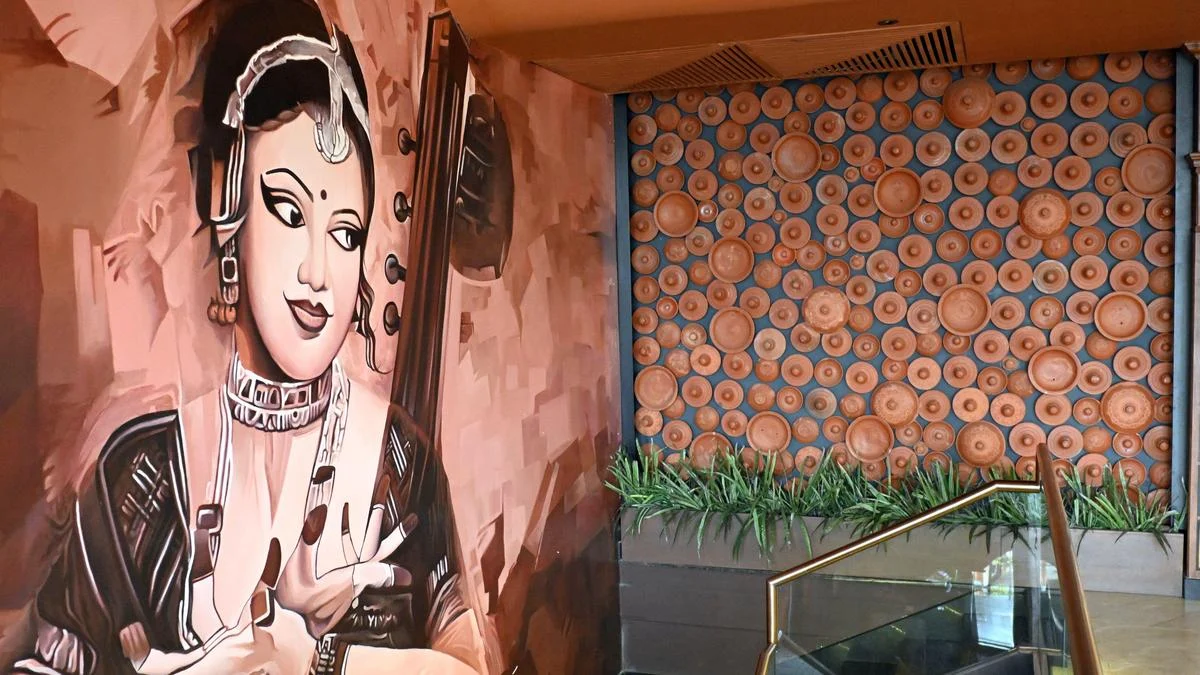
A new wave of entrepreneurs and architects is redefining the "Madurai dining experience," shifting the focus from the plate to the entire sensory environment. From the earthy terracotta echoes of heritage-themed restaurants to the chic, breezy rooftops that evoke European summers, Madurai’s cafes are no longer just places to eat—they are curated galleries of culture, design, and nostalgia.
I. Main Facts: The Aesthetic Pivot of Madurai’s Dining Scene
The contemporary dining scene in Madurai is witnessing a departure from the functional, high-turnover "mess" culture toward immersive, "Instagrammable" spaces. This shift is characterized by several key factors:
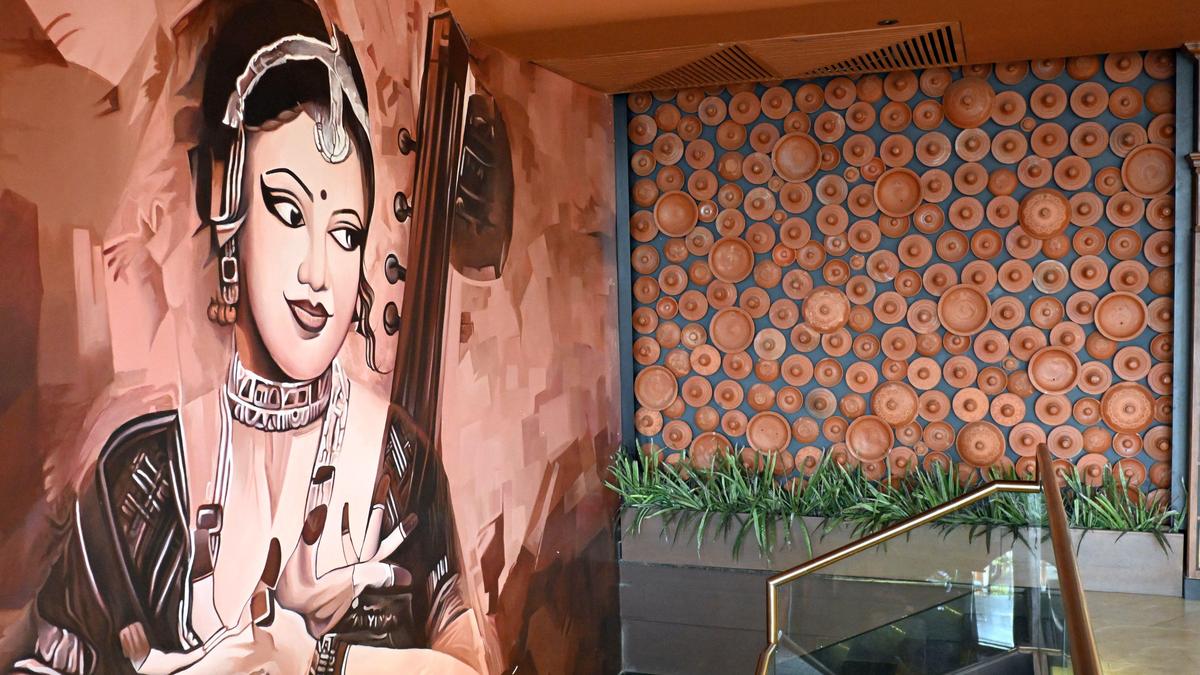
- Design as a Narrative: Establishments like Marudeeshwara are using interior design to tell stories of the land. By utilizing terracotta hues and creative artwork, these spaces aim to connect the diner with the agricultural roots of the region.
- Global Fusion: The emergence of cafes like Munchies highlights a growing demand for international aesthetics. By blending French and Italian architectural elements, these spaces offer a "vacation within a city" experience.
- The Rooftop Revival: Taking inspiration from the traditional Tamil practice of nilasoru (eating under the moonlight), restaurants like The Chocolate Room and Mugs & Beans are reclaiming vertical spaces to offer diners a respite from urban congestion.
- Tactile Luxury: The use of traditional materials—such as bell-metal (kansa) vessels and brick furnaces—is being used to elevate the perceived value of the meal, making guests feel like royalty while maintaining a connection to artisanal roots.
II. Chronology: From Temple Town Treats to Curated Cafes
To understand this transformation, one must look at the timeline of Madurai’s urban evolution.
- The Traditional Era (Pre-2010s): Dining in Madurai was largely utilitarian. The focus was on the "jigarthanda" stalls of Anna Nagar or the spicy mutton chukka of iconic messes. Interiors were secondary to the speed of service and the consistency of taste.
- The Modern Transition (2010–2020): As Madurai’s youth began traveling more frequently to metros like Chennai and Bangalore, the demand for "hangout" spots grew. Small cafes began to dot the Bypass Road, though most remained derivative of national chains.
- The Designer Revolution (2024–Present): The post-pandemic era saw a surge in local entrepreneurship. In December 2025, the opening of Marudeeshwara marked a significant milestone, proving that traditional themes could be packaged with high-end architectural finesse. This was followed by a proliferation of themed cafes like Munchies and The Chocolate Room, which prioritized "vibe" and "ambience" as much as their menus.
III. Supporting Data: The Anatomy of the New Madurai Cafe
The success of these new establishments lies in their meticulous attention to detail. Data from the local hospitality sector suggests that "dwell time"—the amount of time a customer spends at a table—has increased by nearly 40% in these themed cafes compared to traditional restaurants.
The Marudeeshwara Model: Earth and Elegance
Located on Kannanenthal Road, Marudeeshwara serves as a case study in heritage design. The restaurant’s color palette is dominated by warm terracotta, a choice that co-founder R. Krishna explains is a deliberate homage to the soil.
- The Sensory Detail: Ghee is served on a small stand with a lit candle beneath it, ensuring it remains liquid and fragrant throughout the meal.
- The Materiality: Food is served in kansa (bell-metal) vessels. Historically used by Indian royalty, these vessels are believed to have Ayurvedic health benefits, adding a layer of wellness to the luxury experience.
The Munchies Model: European Minimalism
In Sathyasai Nagar, Munchies offers a stark contrast. The design language is distinctly European, featuring:
- Architectural Cues: An old European-style picket fence and French wooden doors.
- Culinary Authenticity: The use of a brick furnace for baking rather than a standard electric oven, which owners claim enhances the smoky profile of their artisanal breads and pizzas.
The Chocolate Room: Playful Modernity
Situated near the Bypass, this cafe targets a demographic looking for "lifestyle" dining.
- Interactive Elements: The inclusion of swing-style seating and dedicated "selfie spots" recognizes the role of social media in modern dining.
- Global Curation: The interiors feature antique objects collected by the owners from across the globe, turning the cafe into a semi-private museum.
IV. Official Responses: The Visionaries Behind the Shift
The creators of these spaces view themselves as more than just restaurateurs; they are cultural curators.
R. Krishna, Co-founder of Marudeeshwara:
"The restaurant was designed with the traditions and culture of Madurai in mind. For instance, terracotta reflects the soil from where we get our food; it is our way of offering our gratitude to the agricultural land."
G. Sriram, Architect and Co-founder:
Sriram emphasizes the importance of equilibrium. "The idea was to maintain a balance between the contemporary and the traditional. We wanted to create a space that feels sophisticated yet deeply familiar to someone who grew up in this region."
R. Preethi Ramkumar, Owner of Munchies:
"The idea for the cafe took shape during my visit to Paris. I wanted to recreate a similar ambience in Madurai, blending Italian and French aesthetics to create a quiet, calm setting that feels like a European escape."
J. Latha, Co-owner of The Chocolate Room:
"I wanted to create an unusual dining experience, and that is how the swing-style seating came about. We spent several months planning the interiors, and it is satisfying to see it come together. It’s about offering something out of the ordinary for families who are tired of the same four walls."
V. Implications: The Future of Madurai’s Urban Identity
The rise of these "aesthetic" cafes carries several implications for the future of the city.
1. The Gentrification of Tradition
As restaurants like Marudeeshwara elevate traditional elements (like kansa and terracotta) into the luxury bracket, there is a risk of "museum-ifying" culture. However, supporters argue that this is a necessary evolution to keep local traditions relevant to a younger, more globalized generation.
2. Social Media as an Urban Architect
The design of these spaces—specifically the "selfie spots" at The Chocolate Room and the "European vibe" of Munchies—suggests that digital shareability is now a primary requirement for commercial success. This is changing how architects in Madurai approach commercial projects, prioritizing lighting and "visual moments" over seating density.
3. The Revival of the "Slow Food" Movement
By creating environments that encourage customers to "sit back and slow down" (as seen in the plant-heavy, cozy nooks of Mugs & Beans), these cafes are countering the fast-paced nature of Madurai’s traditional food scene. This marks a shift in the city’s social fabric, where the meal is becoming a centerpiece for leisure rather than just a biological necessity.
4. Economic Diversification
The success of these themed establishments is attracting a new breed of investors to Madurai. The city is no longer seen just as a pilgrimage site or a manufacturing hub, but as a lifestyle destination capable of sustaining high-concept hospitality ventures.
Conclusion
Madurai is currently navigating a delicate dance between its storied past and a cosmopolitan future. While the "mess" will always be the soul of the city, these new cafes are its spirit—bold, experimental, and visually stunning. As the evening breeze rolls over the rooftop of Mugs & Beans or the candle flickers under a pot of ghee at Marudeeshwara, it is clear that in Madurai, the plate is now just the beginning of the story. The city has finally learned that while taste brings people in, it is the atmosphere that makes them stay.
