

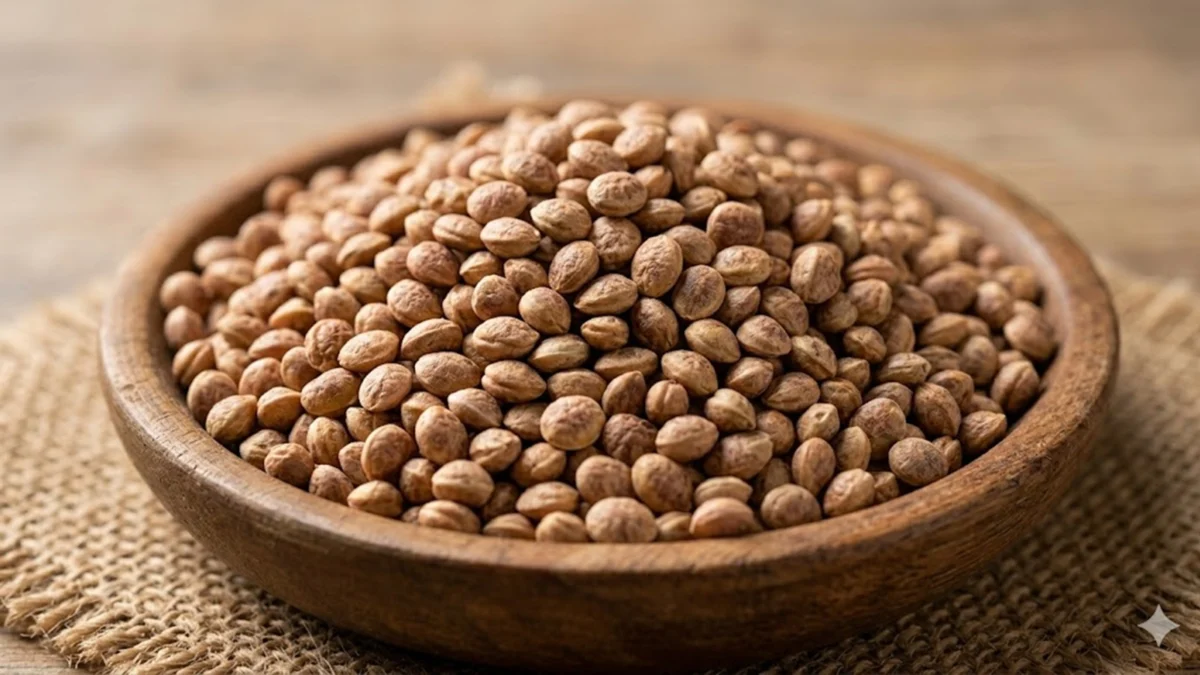
In the intersection of celebrity culture and wellness, few things resonate as deeply with the Indian public as the sharing of traditional maternal wisdom. Recently, celebrated television actress Divyanka Tripathi Dahiya, aged 41, took to her YouTube vlog to share a glimpse into her pregnancy journey, specifically focusing on the dietary advice she has received from her mother, Neelam Tripathi. The focal point of this advice is the inclusion of chironji dana (also known as Charoli or Almondette kernels) in her daily routine—a traditional recommendation aimed at ensuring the skeletal health of the developing fetus.
While the actress’s personal update delighted her millions of followers, it also sparked a broader conversation about the role of ancient Indian "superfoods" in modern prenatal nutrition. To understand the scientific validity of these traditional claims, medical experts have weighed in, offering a balanced perspective on how expectant mothers can integrate these age-old remedies into a contemporary, evidence-based diet.
The Chronology of a Viral Wellness Moment
The news surfaced through Divyanka Tripathi Dahiya’s social media presence, where she has been documenting her transition into motherhood. In a recent video, Divyanka was seen enjoying a meal prepared with care by her sister, Priyanka. The meal—a "healthy puranpoli" made using Khapli wheat (an ancient variety of emmer wheat known for being easier to digest and lower in glycemic index)—served as the backdrop for a discussion on maternal advice.
Divyanka shared that her mother, Neelam, has been particularly insistent on the consumption of chironji. “Chironji is good in calcium. This is my mother’s big favorite. Ever since the news of the pregnancy, she has been telling me, ‘Eat chironji. The baby’s bones will be strong,’” the actress recounted in Hindi.
This moment highlights a common cultural phenomenon in South Asia: the "Nuskha" or home remedy. These are often passed down through generations of women, blending nutritional intuition with cultural heritage. For Divyanka, the inclusion of chironji is not just a dietary choice but a way of connecting with her family’s traditions during a transformative period of her life.
Understanding Chironji: The Nutritional Profile of the Almondette
To the uninitiated, chironji (scientific name: Buchanania lanzan) are small, round, brownish seeds that, once toasted, yield a flavor profile remarkably similar to almonds or pine nuts. While they are frequently used as a garnish in Indian desserts like kheer, halwa, and shrikhand, their nutritional value extends far beyond their culinary appeal.
Key Nutritional Components:
- Healthy Fats: Chironji is rich in unsaturated fatty acids, particularly linoleic and oleic acids, which are essential for brain development and cellular health.
- Protein: As a seed, it provides a plant-based protein boost, necessary for the growth of maternal and fetal tissues.
- Minerals: It contains significant amounts of calcium, phosphorus, and magnesium—the "trio" of minerals required for bone mineralization.
- Vitamins: It is a source of Vitamin B1, B2, and C, as well as Vitamin E, which acts as a potent antioxidant.
In traditional Ayurvedic medicine, chironji is often categorized as a "Balya" herb—one that provides strength and vitality. It is also believed to have cooling properties (Sheeta Virya), making it a preferred snack in warmer climates to balance internal body heat.
Official Responses: Expert Insights on Fetal Bone Health
While the anecdotal evidence for chironji is strong within Indian households, modern dietetics approaches these "superfoods" with a lens of moderation and holistic balance. Dt Amreen Sheikh, Chief Dietitian at KIMS Hospitals, Thane, provided a professional breakdown of why this traditional advice holds merit, while also offering necessary caveats.
“Chironji (charoli seeds) is indeed a nutrient-rich food,” Sheikh confirmed. “It provides healthy fats, protein, calcium, and phosphorus, all of which are essential for fetal bone development. The mother’s intuition regarding calcium is scientifically grounded, as these minerals are the building blocks of the skeletal system.”
However, Sheikh was quick to clarify that no single ingredient should be viewed as a panacea. “No single food can guarantee stronger bones. Bone health during pregnancy relies on a balanced diet that includes enough calcium, vitamin D, and protein. Chironji can certainly be part of that diet, but it shouldn’t be seen as a ‘magic ingredient’ that replaces other essential food groups.”

The Role of Phosphorus and Calcium Synergy
The dietitian pointed out that the presence of phosphorus in chironji is particularly relevant. For calcium to be effectively utilized in the formation of bone (hydroxyapatite), the body requires a specific ratio of phosphorus. By providing both, chironji acts as a bioavailable source of bone-building blocks.
Supporting Data: The Pillars of Prenatal Bone Development
The development of the fetal skeleton begins early in the first trimester and accelerates during the third trimester, when the baby’s demand for calcium peaks. If a mother’s diet is deficient, the body will naturally leach calcium from her own bones to provide for the fetus, potentially leading to long-term issues like osteoporosis for the mother.
To support the claims made by traditional practitioners and modern dietitians, it is essential to look at the broader requirements for bone health:
- Calcium Requirements: Pregnant women generally need about 1,000 to 1,300 mg of calcium daily. While chironji contributes to this, it must be supplemented by primary sources such as dairy (milk, curd, paneer), fortified plant milks, and leafy greens.
- The Vitamin D Factor: Without Vitamin D, the body cannot absorb calcium efficiently. Experts recommend safe sun exposure and, if necessary, supplementation under medical supervision.
- Protein Synthesis: Bone is not just mineral; it is a matrix of protein (collagen). Divyanka’s mention of "healthy puranpoli" made with Khapli wheat is relevant here, as complex carbohydrates and proteins provide the energy and building blocks for this matrix.
Implications for Modern Mothers: Traditional Wisdom vs. Modern Risks
The trend of celebrities like Divyanka Tripathi Dahiya embracing traditional diets signals a shift in how modern Indian women approach pregnancy. There is a growing desire to return to "slow food" and heirloom ingredients, yet this must be done with an understanding of modern health risks.
Potential Risks and Precautions
Despite its benefits, chironji carries certain risks that expectant mothers must consider:
- Caloric Density: Like all nuts and seeds, chironji is high in calories due to its fat content. Overconsumption can lead to excessive gestational weight gain, which may increase the risk of gestational diabetes or hypertension.
- Allergies: Nut and seed allergies can sometimes manifest or become more sensitive during pregnancy. Women with a history of nut sensitivities should exercise extreme caution.
- Purity and Sourcing: In the commercial market, seeds can sometimes be treated with preservatives or may be stale. It is crucial to source high-quality, organic seeds to avoid toxins.
The Psychological Impact of Traditional Foods
Beyond the physical nutrients, there is a psychological benefit to following maternal advice. The "nurturing" aspect of pregnancy—eating foods prepared by sisters or recommended by mothers—reduces stress and fosters a sense of community. In the high-pressure world of entertainment and modern career-driven lives, these rituals provide a sense of groundedness.
Conclusion: A Balanced Path Forward
Divyanka Tripathi Dahiya’s vlog serves as a reminder that the best approach to prenatal health is often a blend of the old and the new. While chironji is a nutritional powerhouse that can support fetal bone development through its calcium and phosphorus content, it is most effective when integrated into a diverse diet.
As Amreen Sheikh concluded, "Consider chironji as a supportive addition rather than a solution on its own. A balanced diet, guided by a healthcare professional, is always the best way to ensure both maternal health and optimal fetal development."
For expectant mothers looking to follow in the actress’s footsteps, the takeaway is clear: listen to the wisdom of the elders, but verify it with the science of today. By focusing on a variety of nutrient-dense foods—from the ancient Khapli wheat to the humble chironji—mothers can provide a robust foundation for their children’s future health.
DISCLAIMER: This article is based on information from the public domain and the experts cited. Nutritional needs vary significantly from person to person. Always consult your obstetrician or a registered dietitian before introducing new supplements or making significant changes to your diet during pregnancy.
