

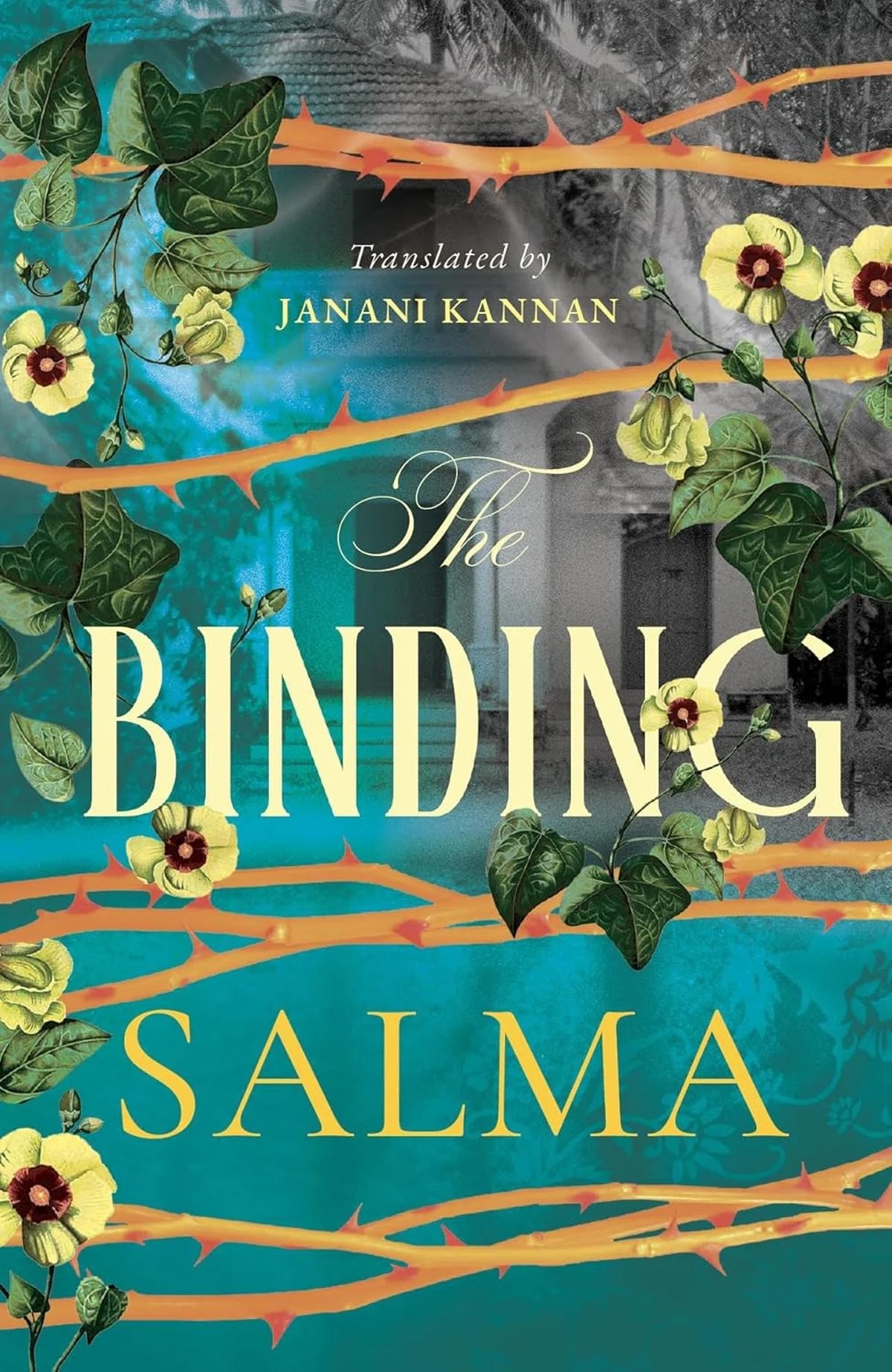
The name "Rasangam" carries the weight of a kingdom. In Tamil, it translates to "ruler," a name bestowed by parents who, despite their own hardships, harbored the hope that their son would transcend the limitations of his birth. Yet, in Salma’s latest novel, The Binding (translated by Janani Kannan), the name serves as a poignant irony. Rasangam does not rule a kingdom; he manages a modest grocery shop, navigating the dusty roads of his village on a bicycle to support an expansive household of widowed mothers, aunts, and cousins.
This tension between aspiration and reality forms the heartbeat of The Binding. It is a novel that moves beyond simple storytelling to act as a profound meditation on the intersection of faith, family, and the suffocating weight of social prejudice. As the work of one of India’s most vital literary voices—Salma, who now serves as a Rajya Sabha MP—the book offers an unvarnished look at the internal and external struggles of the Muslim community in contemporary Tamil Nadu.
Main Facts: A Literary Map of ‘The Binding’
Published by Pan Macmillan India and translated with nuance by Janani Kannan, The Binding is a significant addition to the canon of contemporary Tamil literature. The novel follows the life of Rasangam, a man whose dreams of higher education were sacrificed on the altar of familial duty. As the sole male provider in a female-dominated household, he is thrust into a role of patriarchal authority that he is ill-equipped to handle and which, paradoxically, earns him little of the respect he craves.
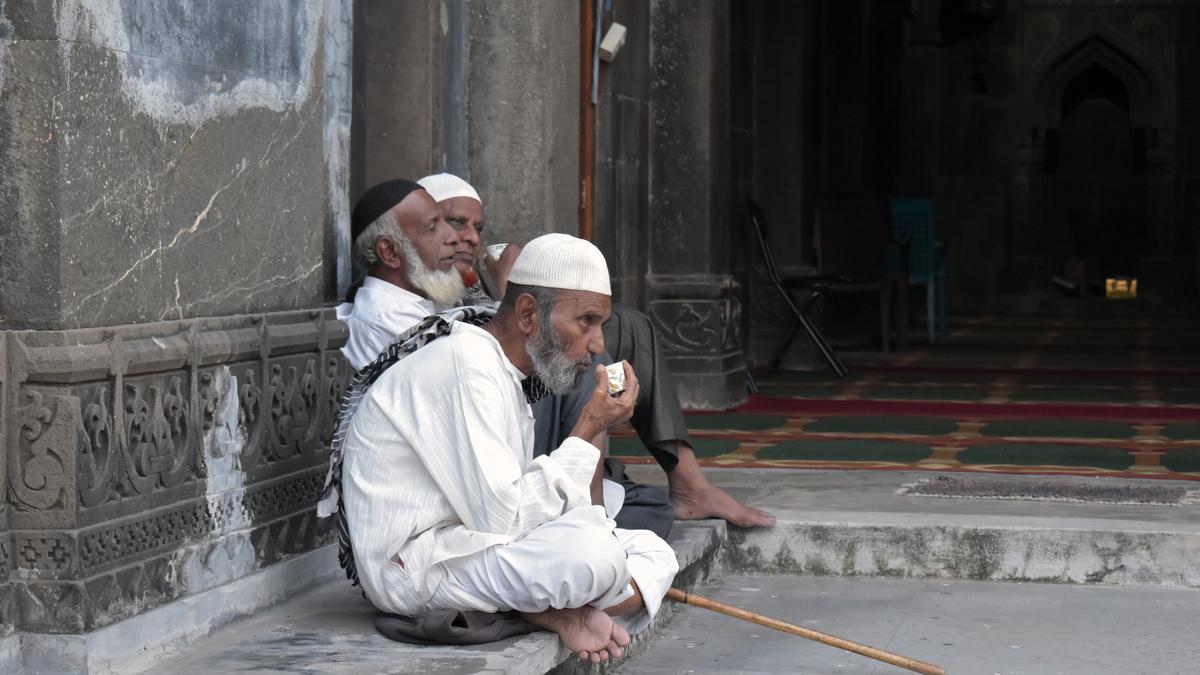
The narrative is structured around two generations: Rasangam, who seeks validation through traditional piety and religious renunciation, and his son Imran, who seeks it through the modern avenues of urban education and government service. Through their eyes, Salma explores several critical themes:
- The Burden of Patriarchy: The novel examines how traditional gender roles trap not just women, but also men who are forced into roles of provider and protector against their inclinations.
- The Quest for Social Status: Despite acquiring material markers of success—a car, a motorcycle—Rasangam finds that social respect remains elusive, leading him toward a more radical religious devotion.
- The Urban-Rural Divide: The story shifts from the claustrophobic atmosphere of a conservative village to the sprawling, seemingly broad-minded environment of the city, only to reveal that prejudice exists in both spaces.
- Systemic Prejudice: The book unflinchingly addresses the rising tide of Islamophobia and the socio-political anxieties surrounding interfaith relationships in modern India.
Chronology: From Village Constraints to Urban Realities
The timeline of The Binding reflects the slow, rhythmic evolution of a life lived under the shadow of tradition, followed by the jarring acceleration of modernity.
The Early Years: The Sacrifice of Ambition
The story begins with the truncation of Rasangam’s youth. Deprived of the chance to pursue a degree, his life becomes a cycle of labor. His identity is subsumed by the needs of his widowed mother and the various female relatives who depend on him. Salma paints a vivid picture of a man who is "soft-spoken" and "quietly eloquent," traits that are often mistaken for weakness in a society that demands a more aggressive form of masculinity.
The Middle Years: The Search for Respect
As Rasangam matures, his struggle for dignity takes a material turn. He manages to improve his financial standing, yet he remains an outsider in the village hierarchy. This failure to "break the shackles" of his social standing leads him to the mosque. He undertakes the Haj pilgrimage, a turning point that transforms him from a struggling grocer into a figure of religious sobriety. He renounces worldly indulgences, hoping that the title of ‘Haji’ will finally grant him the stature that his wealth could not.

The Contemporary Shift: Imran’s Journey
The narrative lens eventually shifts to Imran, Rasangam’s son. Imran represents the fulfillment of his father’s unrealized dream: a college education. However, his move to the city is not the liberation he expected. In the city, Imran encounters a different kind of "binding"—the realization that his identity as a Muslim carries a weight of suspicion that no amount of education can fully erase. The novel follows his evolution as he realizes that a government job is not just a career, but a necessary armor for a minority citizen seeking dignity in a fractured society.
Supporting Data: The Texture of Lived Experience
Translator Janani Kannan, an award-winning U.S.-based architect and translator, describes the novel’s structure as being akin to the "texture of lived experience." The narrative does not rely on high-octane drama but rather on the "peeling of an onion," where each layer reveals a deeper cultural truth.
Data from the novel’s thematic exploration suggests a society in a state of flux:
- The Domestic Sphere: While the household is "female-dominated" in numbers, the social order remains stubbornly patriarchal. The women, though they provide the emotional scaffolding of the home, are relegated to secondary status in public and religious life.
- Religious Identity as Capital: For Rasangam, faith is not merely a spiritual journey but a form of social capital. In a world where he is denied secular respect, the mosque provides a structured hierarchy where he can finally belong.
- The Education Gap: The transition from Rasangam’s bicycle to Imran’s university lecture hall highlights the generational shift in how Indian Muslims view social mobility—moving from small-scale trade to the aspiration of institutional integration.
Official Responses and Authorial Context
The significance of The Binding is amplified by the identity of its author. Salma (born Rajathi) is a figure of immense courage in the Tamil literary world. Her journey—from a woman whose education was cut short and who was forced into a restrictive domestic life, to a world-renowned poet and activist—mirrors many of the struggles depicted in her prose.

Literary Reception:
Critics have lauded Salma for her "courageous voice," particularly her ability to critique her own community from a place of deep empathy and belonging. Her work has long been central to contemporary Tamil literature for its honest portrayal of the domestic lives of Muslim women—a subject often ignored or exoticized by mainstream media.
Political Resonance:
Now serving as a Member of Parliament (Rajya Sabha), Salma’s literary insights carry a new weight. Her depiction of the "moral policing" and the "love jihad" narrative in The Binding is seen as a direct engagement with the current political climate. While she maintains a "remarkable care and restraint," her work serves as an official literary record of the anxieties felt by the Muslim community in an increasingly polarized environment.
Implications: Progress, Prejudice, and the Path Forward
The final act of The Binding leaves the reader with troubling questions about the nature of social progress. Through Imran’s eyes, we see a world where "advancement remains conditional and selective."
The Paradox of Progress:
One of the novel’s most striking implications is that what looks like "modernity" can often be a facade. The "vibrant and broad-minded" atmosphere of the city is revealed to be fragile, easily shattered by the arrival of moral policing and communal suspicion. Imran’s realization that interfaith couples must navigate public spaces with extreme caution serves as a stinging critique of India’s claims to secular advancement.
The Complexity of "Love Jihad":
Salma’s treatment of the "love jihad" trope is a masterclass in nuance. Rather than dismissing the issue or treating it as a simple binary, she explores how these narratives seep into the consciousness of ordinary people, creating a climate of fear that stifles genuine human connection. The novel suggests that progressive ideals alone are "inadequate" in the face of a systemic political machinery that thrives on division.
The Generational Cycle:
The novel concludes by bringing the narrative full circle. As the next generation steps onto the stage, they find themselves fighting the same "enduring social prejudices" that haunted their fathers, albeit in more modern, institutionalized forms. The Binding is ultimately a reminder that the struggle for dignity is not a sprint but a marathon—one that requires not just individual effort, but a fundamental evolution of the society at large.
In The Binding, Salma has crafted more than a story; she has created a mirror. It is a mirror that reflects the quiet struggles of the "Rasangams" of the world and the urgent, loud anxieties of the "Imrans." It is an essential read for anyone seeking to understand the complex tapestry of identity, faith, and survival in modern India.
