

NEW DELHI – May 13, 2026 – A significant scandal involving the black marketing of complimentary Indian Premier League (IPL) match passes and premium tickets has sent ripples through the cricketing establishment, leading to the arrest of four individuals and the subsequent summoning of four Delhi and District Cricket Association (DDCA) officials for questioning. The Delhi Police Crime Branch has uncovered a sophisticated, pan-India operation spanning a decade, designed to funnel coveted match access to individuals involved in illegal online live betting, or ‘satta’, operations within stadiums, as well as to other criminal elements.
The unfolding investigation, which intensified following a specific IPL match at the Arun Jaitley Stadium, threatens to expose deep-seated vulnerabilities within the sports administration and event management sectors, raising serious questions about integrity, security, and the nexus between illicit betting syndicates and those entrusted with the sport’s smooth functioning.
The Genesis of the Probe: Main Facts Unveiled
The Delhi Police Crime Branch initiated its crackdown after intelligence reports pointed towards a well-organised syndicate exploiting the immense popularity and demand for IPL tickets. The primary target audience for these black-market tickets and complimentary passes, investigators revealed, were operators of illegal online live betting platforms who required stadium access to facilitate real-time wagering, alongside pickpockets and other individuals with criminal intent.
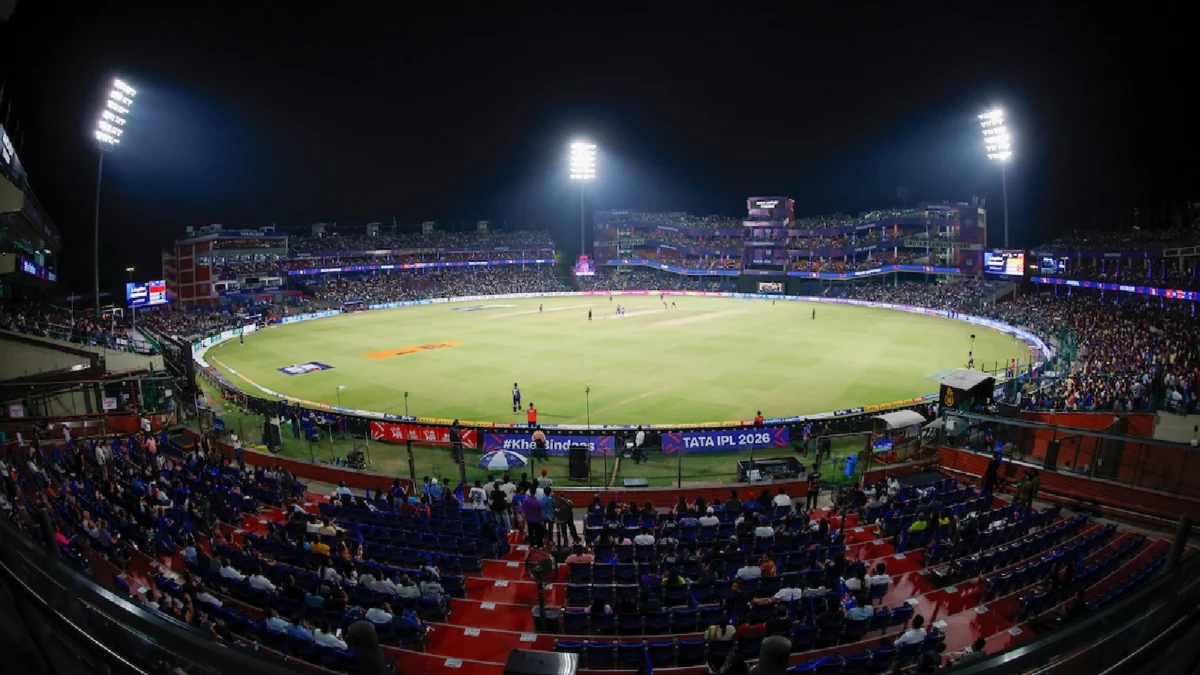
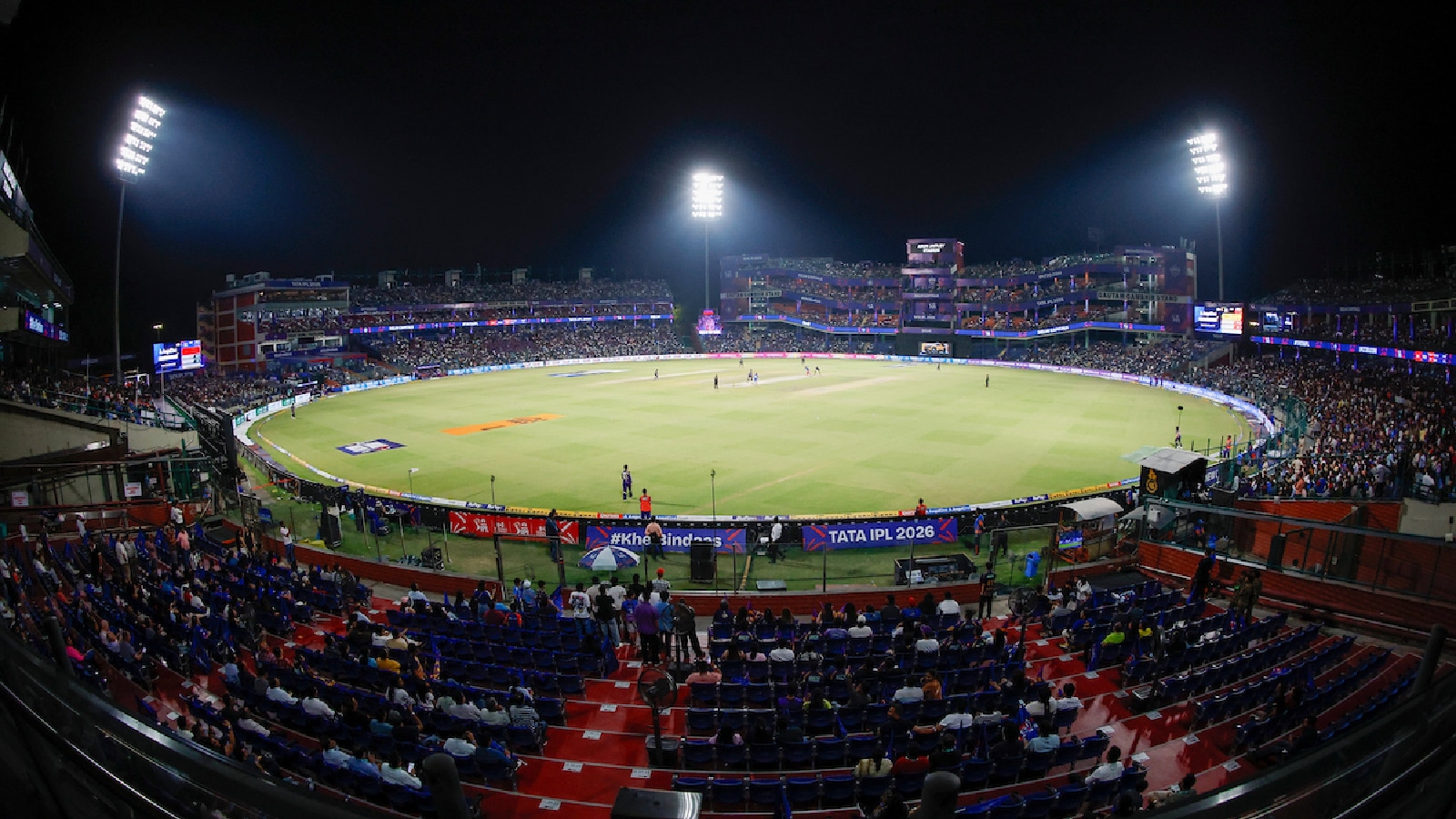
On Friday, May 9, 2026, just days after Match 51 of the TATA Indian Premier League 2026 between Delhi Capitals and Kolkata Knight Riders held on May 8, police swooped in on three suspects operating outside the Arun Jaitley Stadium in Central Delhi. The arrested individuals were identified as Mukeem (35), hailing from Moradabad, Uttar Pradesh; Gufran alias Sajid (36), from Jamia Nagar; and Md. Faisal (38), from Seelampur. Their apprehension marked the initial breakthrough in what the authorities believe is a much larger criminal enterprise.
Further interrogation and the discovery of fresh evidence led to a fourth arrest on Tuesday, May 13, 2026. Pankaj Yadav, a supervisor at a petrol pump located outside the Arun Jaitley Stadium, was detained, highlighting the involvement of individuals with proximity to the venue. From the possession of the arrested individuals, police recovered a substantial cache: 54 IPL match tickets, 33 highly sought-after complimentary passes, and Rs 25,000 in cash, serving as tangible proof of their illicit activities.
The gravity of the situation escalated significantly when investigators discovered that the accused were not merely selling tickets at a profit, but were specifically targeting complimentary passes, which are typically distributed to DDCA members, officials, sponsors, and other stakeholders as a privilege. These complimentary passes were allegedly being sold for exorbitant sums, reportedly up to Rs 20,000 each. Furthermore, premium tickets were also being resold at inflated prices, with a significant portion of the illicit earnings allegedly making its way back to certain officials within the Delhi and District Cricket Association. This crucial detail directly implicated the DDCA, leading to a major expansion of the investigation.
Chronology of the Crackdown: A Timeline of Police Action
The police investigation has followed a swift and methodical trajectory, unearthing layers of complicity and a long-standing criminal network:
- May 8, 2026: Match 51 of the TATA Indian Premier League 2026 takes place between Delhi Capitals and Kolkata Knight Riders at the Arun Jaitley Stadium. This particular match likely served as a focal point for the intelligence gathering and surveillance that preceded the arrests.
- Friday, May 9, 2026: Following weeks, or potentially months, of meticulous intelligence work, the Delhi Police Crime Branch executes its initial arrests. Mukeem, Gufran alias Sajid, and Md. Faisal are apprehended outside the Arun Jaitley Stadium. This initial operation yields the recovery of tickets, passes, and cash, confirming the black-marketing operation.
- Saturday, May 10 – Monday, May 12, 2026: The three arrested individuals undergo intensive questioning by the Crime Branch. Their testimonies and analysis of seized evidence begin to unravel the broader network, including the pan-India scope of the operation and the alleged involvement of DDCA officials.
- Tuesday, May 13, 2026: Based on new leads and corroborating evidence derived from the initial arrests, police make a fourth arrest. Pankaj Yadav, a petrol pump supervisor with access and proximity to the stadium, is detained, suggesting an inside connection or a facilitated distribution point.
- Tuesday, May 13, 2026 (Late Evening): With concrete evidence pointing towards internal complicity, the Delhi Police Crime Branch serves notices to four officials from the Delhi and District Cricket Association. These officials are directed to join the ongoing probe, signaling a direct challenge to the administrative integrity of the state cricket body.
- Thursday, May 15, 2026: The four DDCA officials are expected to appear before the Crime Branch for questioning. This marks a critical juncture in the investigation, as their testimonies could either corroborate the accused’s claims or shed new light on how these passes were procured and distributed to the syndicate.
This carefully orchestrated sequence of events underscores the commitment of the Delhi Police to unearthing the full extent of the scam, moving beyond street-level operators to target the alleged facilitators within official channels.
Supporting Data: Scale, Scope, and Criminal History
The investigation has revealed a disturbing scale and sophistication of the black-marketing operation:
- Exorbitant Profits: Complimentary passes, originally intended for goodwill or official use, were being sold for as much as Rs 20,000 each. Premium tickets, too, were fetching significant profits for the syndicate. This demonstrates the immense financial incentive driving the illegal trade, fuelled by the high demand for IPL matches.
- Recovered Evidence: The seizure of 54 IPL match tickets, 33 complimentary passes, and Rs 25,000 in cash provides tangible proof of the syndicate’s ongoing activities and the financial gains they were making. These items will be crucial evidence in court proceedings.
- Pan-India Network: DCP (Crime Branch) Sanjeev Kumar Yadav confirmed that the accused were involved in black marketing IPL tickets across India. They reportedly travelled by air to different cities where IPL matches were held, indicating a highly organised, mobile, and well-funded operation not limited to Delhi alone. This cross-state mobility suggests a wide network of contacts and significant logistical planning.
- Decade-Long Operation: Perhaps most alarming is the revelation that this extensive operation has allegedly been ongoing for approximately 10 years. This long duration points to a deeply entrenched syndicate that has successfully evaded detection for a considerable period, suggesting systemic failures or even sustained complicity.
- False Projection: To gain credibility and lure unsuspecting cricket enthusiasts, the accused falsely projected themselves as authorised representatives of the cricket administration and event management authorities. This deceptive tactic allowed them to operate with a veneer of legitimacy, making it easier to procure and sell tickets.
- Buyers’ Profile: The specific targeting of individuals involved in online live betting/satta operations inside stadiums, along with pickpockets and other criminal elements, highlights the symbiotic relationship between ticket black marketing and broader illicit activities. Access to the stadium is critical for these betting operators to receive real-time updates and facilitate instantaneous wagers, making premium access highly valuable to them.
- Prior Criminal Records: The arrested individuals are not new to the world of ticket black marketing. DCP Yadav disclosed that criminal cases related to similar offences had previously been registered against them in Delhi, Punjab, and Haryana. Furthermore, one case of ticket black marketing during the Auto Expo in Faridabad was also registered against them. This history underscores their professional involvement in such scams and indicates a habitual pattern of criminal activity.
Official Responses: Police Vows to Unravel the Syndicate
DCP (Crime Branch) Sanjeev Kumar Yadav has been at the forefront of the official communication regarding the ongoing investigation, providing insights into the police’s strategy and findings.
"They allegedly procured tickets and complimentary passes through various persons. The role of others associated with this syndicate is also under investigation," Yadav stated, emphasizing the multi-layered nature of the network and the police’s intent to identify all involved parties. This statement directly hints at the DDCA connection, suggesting that the "various persons" include those with access to official allocations.
Yadav further elaborated on the profile of the buyers and the criminal ecosystem this black market supports: "They also supplied premium tickets at exorbitant prices to people involved in online live betting/satta operations inside stadiums, as well as to pickpockets and other criminal elements." This crucial detail illustrates the detrimental impact of such black marketing beyond mere economic exploitation; it directly facilitates other criminal enterprises within the sporting arena.
Regarding the deceptive tactics employed by the accused, Yadav noted, "To gain credibility and lure cricket enthusiasts, the accused falsely projected themselves as authorised representatives of the cricket administration and event management authorities." This facade allowed them to operate with a degree of impunity and exploit unsuspecting fans.
Confirming the ongoing nature of the probe and the legal status of the arrested individuals, the DCP added, "They are currently in police remand, and further investigation is underway to identify others involved in the procurement and illegal sale of tickets." The extension of police remand is vital for continued interrogation and to gather more evidence, including digital footprints and financial transactions that could expose higher-level operatives.
The serving of notices to four DDCA officials signifies a bold step by the Delhi Police, indicating that the investigation has moved beyond street-level touts to target potential institutional complicity. The police are evidently determined to follow the money and the passes, regardless of where the trail leads within the cricketing hierarchy. This demonstrates a clear commitment to upholding the integrity of the sport and holding all responsible parties accountable.
Implications: A Blow to IPL’s Integrity, DDCA’s Reputation, and Fan Trust
The IPL ticket black marketing scandal carries profound implications for multiple stakeholders, from the premier cricketing league itself to the ordinary fan.
Damage to IPL’s Image and Integrity: The Indian Premier League is a global cricketing behemoth, renowned for its professional management and vibrant atmosphere. Allegations of ticket black marketing, particularly those facilitating illegal betting, tarnish this carefully cultivated image. It raises questions about the security protocols at matches and the efficacy of internal checks and balances within the venues. The integrity of the game is paramount, and any activity that links it to criminal enterprises, especially illegal betting, poses a severe threat to its credibility and public perception.
Scrutiny on DDCA’s Governance and Accountability: The direct implication of DDCA officials, whether through active participation or negligent oversight, is a significant blow to the association’s reputation. The DDCA has faced its share of controversies in the past, and this latest development will undoubtedly intensify scrutiny on its governance, transparency, and accountability mechanisms. The alleged ‘cut’ given to officials suggests a deep-rooted corruption that exploits privileges intended for the development and promotion of cricket. This could lead to internal inquiries, structural reforms, or even external oversight if the findings are damning.
Security Concerns and Fan Experience: The fact that individuals involved in illegal betting and other criminal activities gained access to stadiums through these black-market tickets raises serious security concerns. Stadiums are meant to be safe environments for fans, players, and officials. If criminal elements can bypass legitimate entry points through corrupt means, it compromises the safety and security of everyone inside. For genuine fans, the black market not only makes tickets harder to acquire but also forces them to pay exorbitant prices, diminishing their overall experience and trust in the system.
The Shadowy Nexus with Illegal Betting: The explicit link between black-market tickets and online live betting/satta operations is particularly troubling. Illegal betting is a multi-billion-dollar industry in India, often associated with organised crime, money laundering, and match-fixing concerns. Providing "insider" access to stadium environments for these operators allows them to relay real-time match developments, giving them an unfair advantage and potentially facilitating more sophisticated betting scams. This nexus undermines the very spirit of fair play and competitive sport.
Need for Enhanced Vigilance and Technological Solutions: This scandal highlights the urgent need for cricket boards and event organisers to implement more robust systems for ticket distribution and verification. This could involve advanced digital ticketing, biometric authentication, and stricter monitoring of complimentary pass allocations. Furthermore, closer collaboration between law enforcement agencies and sports bodies is crucial to proactively identify and dismantle such syndicates.
Loss of Revenue and Public Trust: The diversion of tickets to the black market represents a significant loss of legitimate revenue for the organisers and associations. More importantly, it erodes public trust in the administration of the sport. Fans who struggle to get tickets at face value will feel cheated when they learn that privileged passes are being sold at inflated prices to criminal elements.
In conclusion, the ongoing investigation into the IPL ticket black marketing scandal is more than just a case of illicit trade; it is a critical examination of the vulnerabilities within Indian cricket’s administrative framework. The coming days, particularly the questioning of the DDCA officials, will be crucial in determining the full extent of this decade-long operation and the measures required to restore faith in the integrity of the nation’s most beloved sport. The Delhi Police’s determined efforts signal a commitment to cleaning up the ecosystem surrounding the IPL, ensuring that the spectacle remains untainted by corruption and criminal elements.
