

In the dense, dappled sunlight of the Doresanipalya Forest Research Station off Bannerghatta Road in Bengaluru, a quiet transformation has been unfolding for over a decade. What began as a personal fascination for Rohit Girotra has blossomed into a nationwide movement, repositioning the humble butterfly from a mere garden visitor to a cornerstone of ecological awareness and a driver of high-end ecotourism.
Girotra, one of the four founding members of the Bangalore Butterfly Club (BBC), has spent years enamored by the "beautiful world" of these lepidopterans. Since 2012, he has been helming butterfly walks—educational excursions designed to help participants identify, study, and appreciate the intricate lives of insects. Today, his mission has expanded far beyond the city limits of Bengaluru, signaling a burgeoning interest in "butterfly tourism" that rivals traditional tiger safaris in its passion, if not yet in its scale.
Main Facts: A Growing Community and a New Tourism Frontier
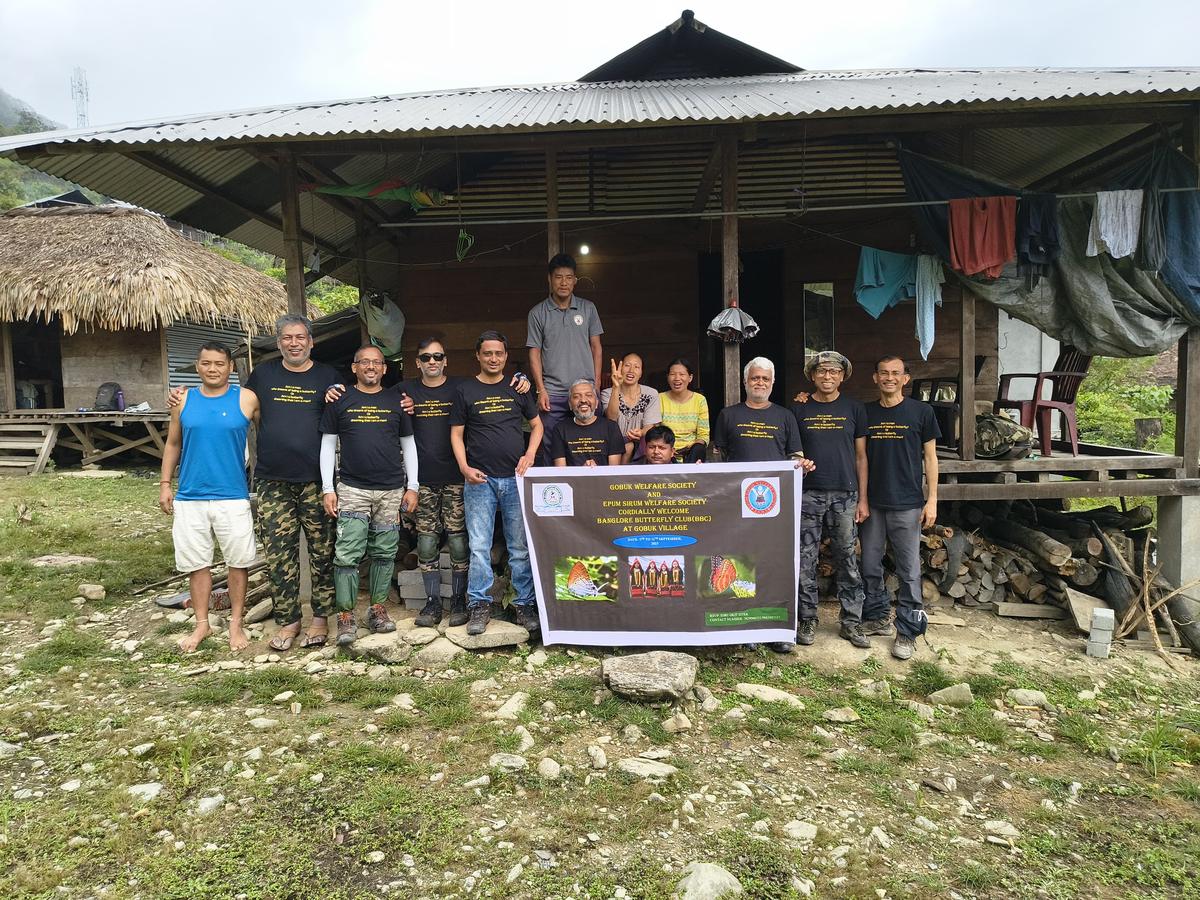
The Bangalore Butterfly Club, once a small gathering of enthusiasts, now boasts a community nearly 600 strong. This growth reflects a broader national trend where citizens are increasingly looking to connect with nature through specialized niches. The success of the BBC provided the springboard for Girotra and co-founder Ashok Sengupta to launch "Papilio Trails" in 2025, a nature initiative specifically curated to offer butterfly-focused travel experiences.
These are not casual Sunday strolls. Papilio Trails targets serious enthusiasts and curious travelers alike, identifying "hotspots" that offer unparalleled butterfly diversity. Locations such as Coorg in Karnataka, Upper Siang in Arunachal Pradesh, and the Garo Hills in Meghalaya have become the new "must-visit" destinations for this niche demographic.

The economic data behind this trend is telling. Despite the niche nature of the activity, demand is soaring. According to Girotra, when a trip is announced, slots are typically filled within seven to ten days. These eight-day excursions are priced between ₹35,000 and ₹50,000 (excluding airfare), placing butterfly watching in the same premium bracket as many luxury wildlife tours. This willingness to spend underscores a significant shift in Indian tourism: a move toward specialized, educational, and conservation-oriented travel.
Chronology: From Local Walks to National Trails
The evolution of butterfly conservation and appreciation in India can be traced through several key milestones over the last thirteen years:
- 2012: Rohit Girotra begins guided butterfly walks at the Doresanipalya Forest Research Station, laying the foundation for the Bangalore Butterfly Club.
- 2013: Conservationist Sammilan Shetty officially inaugurates his Butterfly Park at Belvai, near Moodabidri. Located at the foothills of the Western Ghats, this became a flagship model for private conservation.
- 2015–2020: The rise of high-quality mobile photography and social media groups. Naturalist Isaac Kehimkar notes that over 40 active Facebook groups dedicated to butterflies emerged during this period, democratizing species identification.
- 2023: The Bhagwan Birsa Biological Park in Ormanjhi, Ranchi, formally opens a dedicated butterfly park, signaling state-level institutional interest in lepidopterology.
- 2025: The launch of Papilio Trails, marking the transition of butterfly watching from a hobbyist activity to a structured sector of the travel industry.
Supporting Data: India’s Biodiversity Advantage
India’s potential as a global hub for butterfly tourism is rooted in its extraordinary biodiversity. Isaac Kehimkar, a renowned naturalist and author of The Book of Indian Butterflies, provides a stark comparison to illustrate this point. While the United Kingdom is home to only about 47 species of butterflies, India harbors an astounding diversity of over 1,300 species.
This diversity is geographically concentrated in several "hotspots":
- The Western Ghats: Home to approximately 330 species, including the spectacular Malabar Banded Peacock and the Southern Birdwing (India’s largest butterfly).
- The North-East: This region is the crown jewel of Indian lepidopterology. States like Arunachal Pradesh, Sikkim, and Meghalaya host over half of the species found in the entire country.
Kehimkar attributes the recent spike in interest to the "digital revolution" in nature watching. With the advent of sophisticated smartphone cameras and instant sharing platforms, the barrier to entry for amateur naturalists has vanished. "Social media has done a wonderful job of raising awareness," Kehimkar explains, noting that crowdsourced identification has turned every hiker with a phone into a potential citizen scientist.
Official Responses: Butterflies as Ecological Sentinels
Beyond the aesthetic and commercial appeal, experts emphasize that butterflies are vital indicators of environmental health. Partha Sarathi Mondal, a senior zoo biologist at the Bhagwan Birsa Biological Park, argues that the push for butterfly parks is a matter of ecological necessity.

"Butterflies and moths are indicators of a healthy environment and healthy ecosystems," Mondal states. He explains that areas rich in these insects usually support a vast array of other invertebrates, which collectively provide essential services like pollination and natural pest control. As a primary link in the food chain, they serve as a critical food source for birds, bats, and other insectivorous animals.
The stakes for conservation are high. Rohit Girotra offers a sobering perspective on the importance of these insects to human survival: "If these three species—moths, butterflies, and bees—were lost, then the human population would not survive because there would be no food." This sentiment is echoed by Govardhan T, a naturalist at NV Ecofarms in Goa, who views butterfly walks as a "portal" for the public to understand the interconnectedness of nature. By connecting with a "beautiful" insect, people are more likely to support the conservation of the less charismatic elements of the ecosystem, such as the soil and native flora that support them.
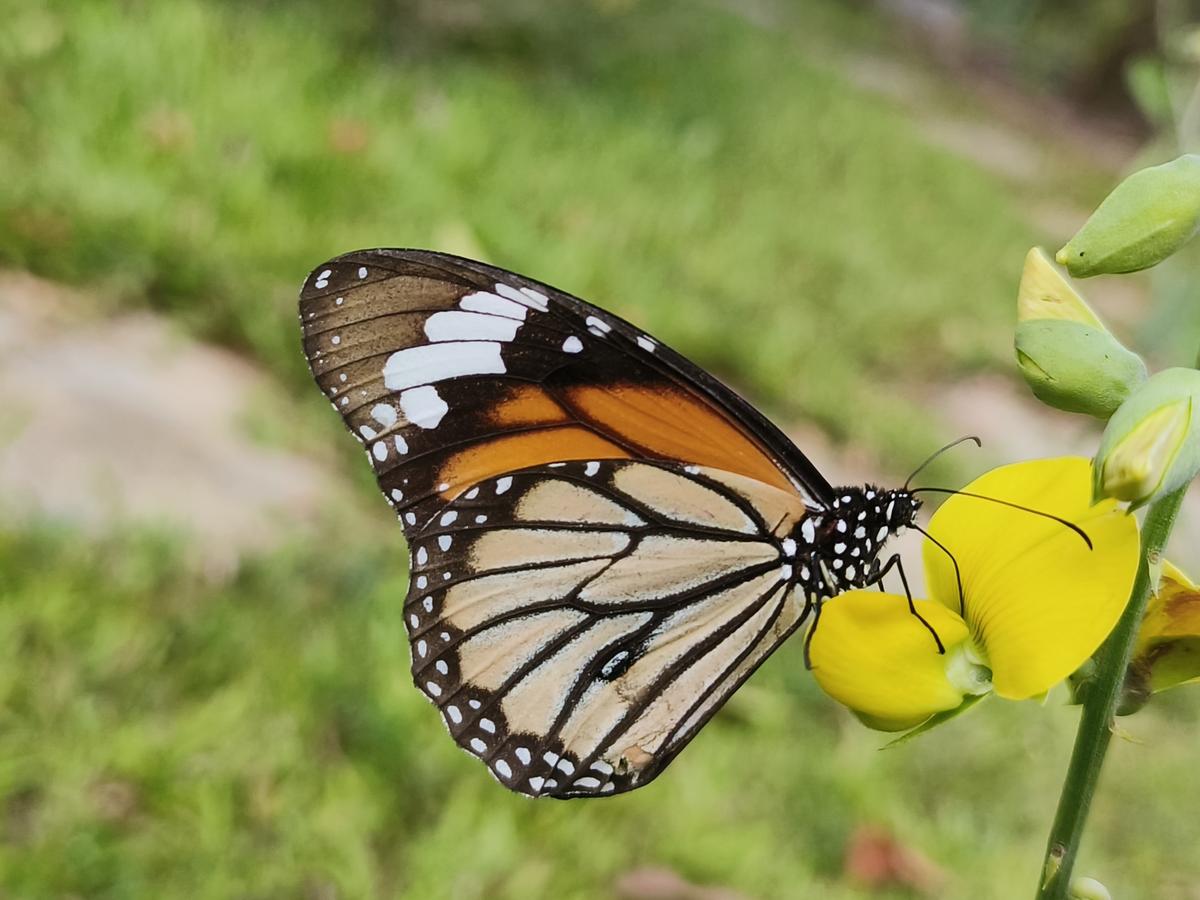
Scientific Wonders: More Than Just Pretty Wings
The enrichment of the public’s understanding involves moving beyond the colors to the complex behaviors of these insects. Educational programs at parks like Sammilan Shetty’s focus on several fascinating biological phenomena:
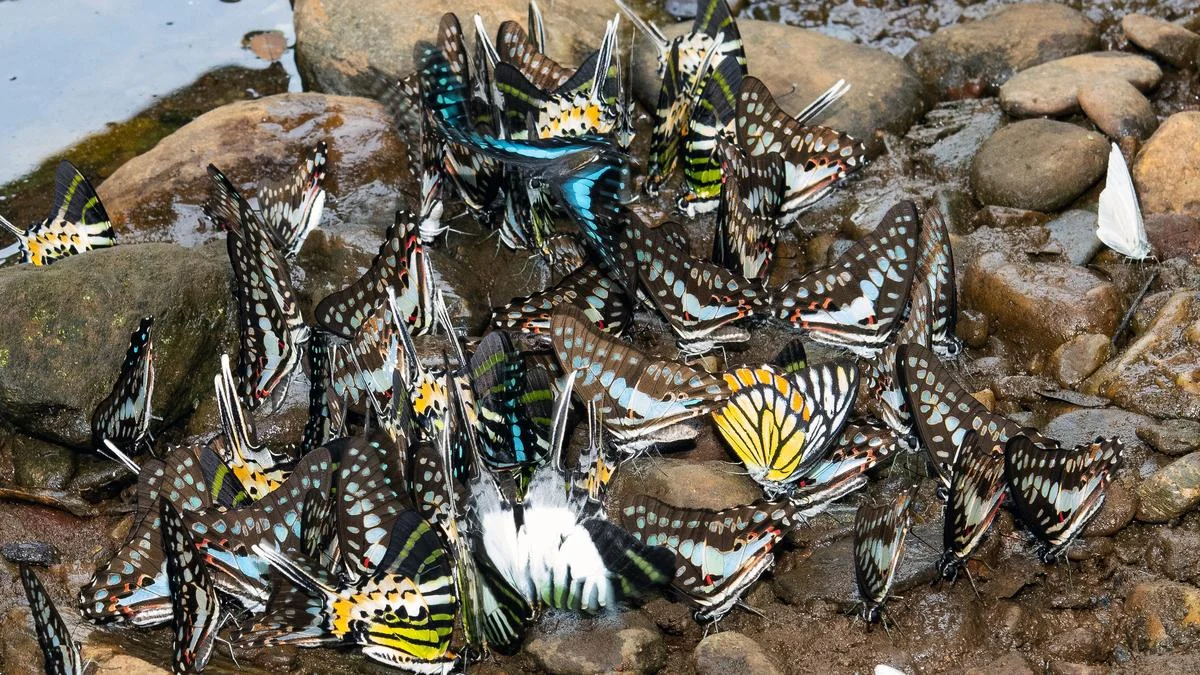
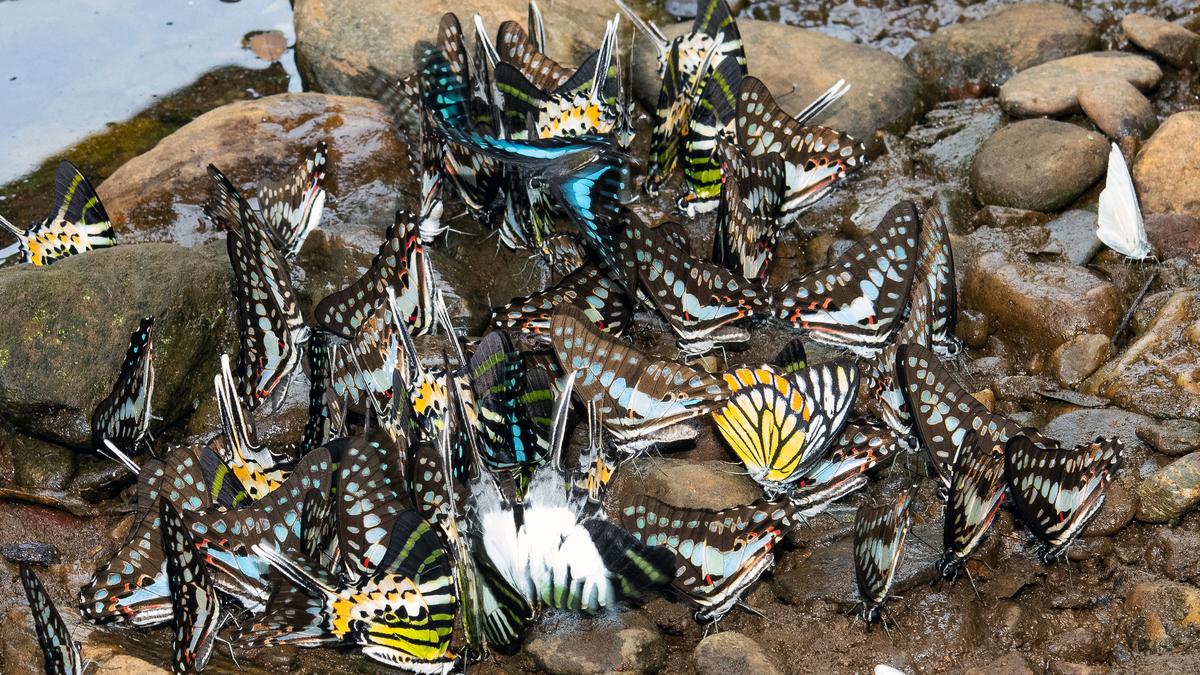
- Mud-Puddling: A behavior where butterflies (mostly males) congregate on moist soil or manure to suck up essential salts and minerals, which are often later passed to females during mating to ensure the viability of eggs.
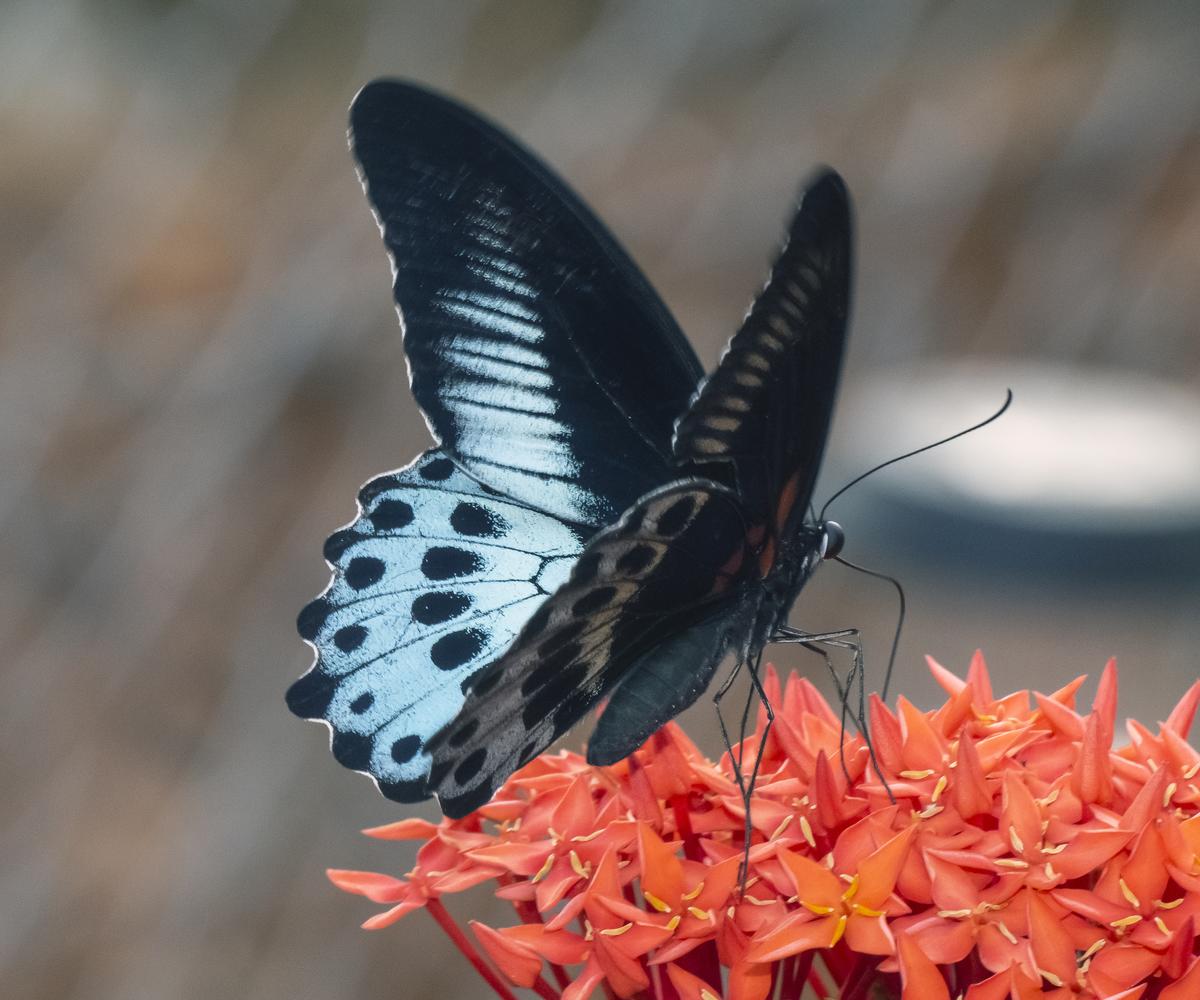
- Batesian Mimicry: A survival masterclass where harmless species evolve to look like toxic ones. For example, the harmless Common Mormon mimics the toxic Common Rose to deter predators.
- Migration: While the Monarch butterfly’s 5,000-kilometer journey in North America is famous, India has its own migratory marvels, with species moving across the subcontinent in response to the monsoons.
Implications: The Future of Urban and Rural Conservation
The rise of butterfly watching has significant implications for both urban planning and rural development. In cities like Bengaluru and Mumbai, "butterfly gardening" is becoming a popular way for residents to contribute to biodiversity. Isaac Kehimkar’s own private garden in Karjat attracts 80 species of butterflies, proving that even small patches of land, if planted with the right larval host plants and nectar sources, can become thriving micro-habitats.
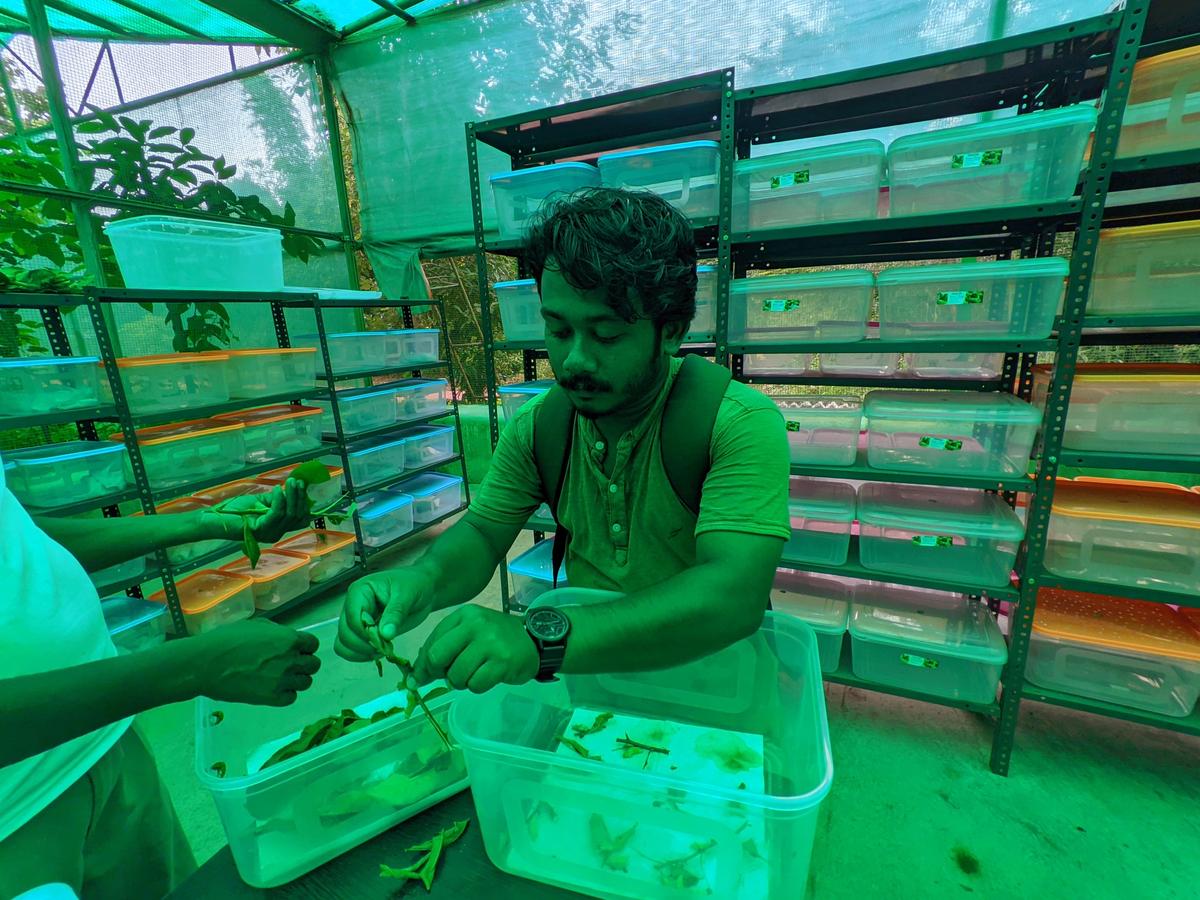
In rural areas, particularly in the North-East and the Western Ghats, butterfly tourism offers a sustainable alternative to more extractive industries. By valuing standing forests for their biodiversity, local communities can benefit from the influx of "butterfly tourists" who pay for guides, homestays, and transport.
As Ashok Sengupta observes, "Butterflies, like birds, give you a very close understanding of Nature." For children, they are an easy entry point into science; for travelers, they are a reason to explore the remote corners of India; and for biologists, they are a warning system for a changing climate.
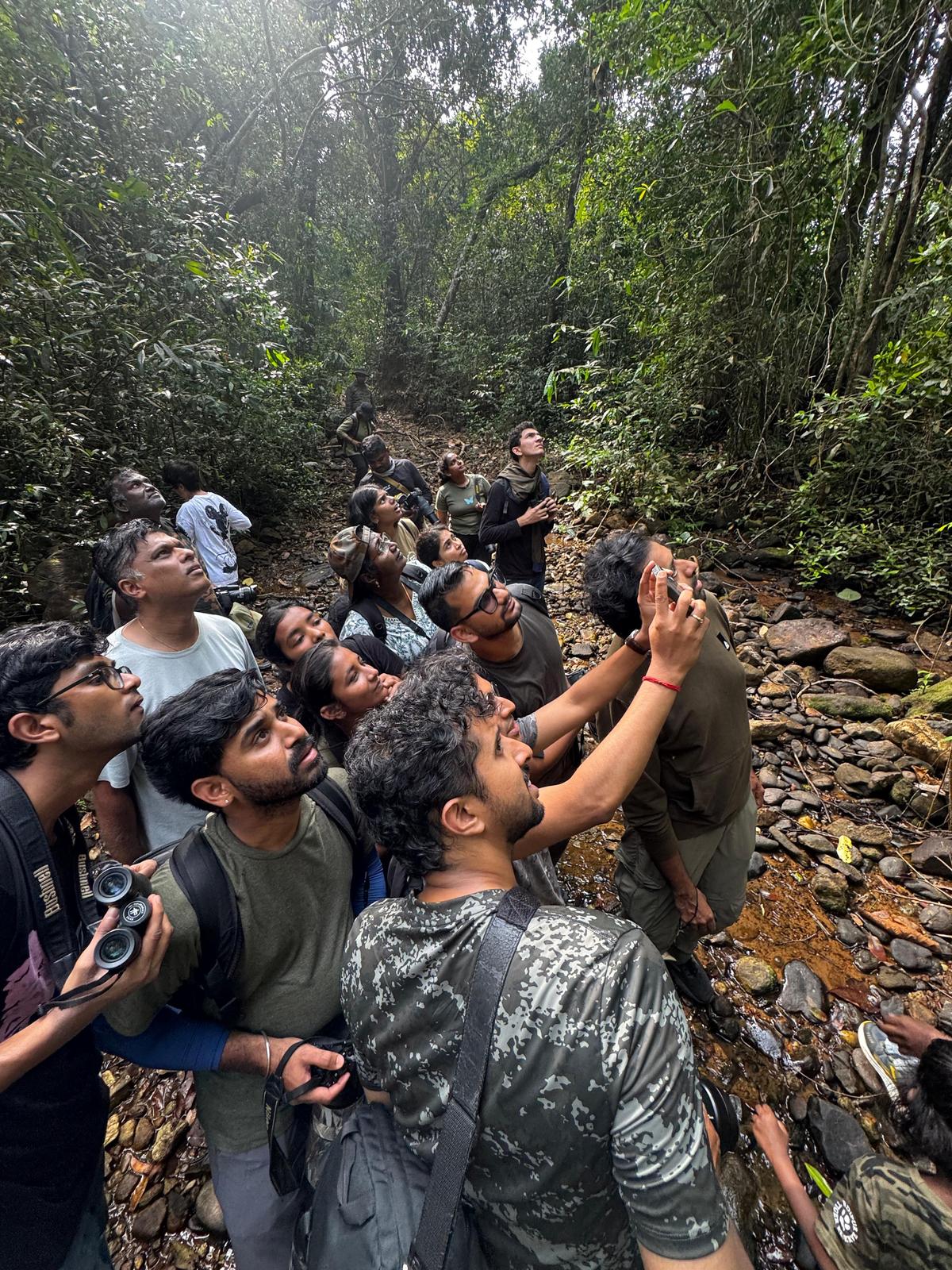
The success of initiatives like the Bangalore Butterfly Club and Papilio Trails suggests that the future of Indian conservation may not just be found in the roar of the tiger, but in the silent, colorful flutter of a wing. As more Indians pick up their cameras and head into the forests of Coorg or the hills of Arunachal, the "beautiful world" that Rohit Girotra fell in love with in 2012 is finally getting the national spotlight it deserves.
