


New Delhi, May 14, 2026 – A burgeoning trend on social media, advocating for the daily consumption of lightly salted water as a superior hydration method, is raising concerns among health professionals. While salt plays a vital role in bodily functions, experts warn that indiscriminately adding it to every glass of water can lead to a cascade of health issues, including elevated blood pressure, fluid retention, and potential long-term cardiovascular complications. This article delves into the science behind electrolyte balance, explores the specific scenarios where salted water might be beneficial, and highlights the critical populations who should steer clear of this potentially harmful practice.
The Allure of Electrolytes: Understanding the Social Media Phenomenon
The surge in popularity of "electrolyte hacks" on platforms like TikTok and Instagram has, in part, fueled the notion that supplementing daily water intake with salt is a universally beneficial practice. These trends often showcase individuals consuming glasses of water with a pinch or more of salt, claiming enhanced energy levels and improved hydration. However, medical professionals are urging a more nuanced and evidence-based approach.
Dr. Amit Saraf, Director of Internal Medicine at Jupiter Hospital, Thane, explains the fundamental flaw in this widespread adoption. "Our regular meals, especially in Indian cuisine, are inherently rich in sodium," he states. "The sodium content in our diet typically meets and often exceeds the body’s daily requirements. Introducing additional salt into every glass of water can easily push our sodium intake far beyond the recommended limits."
The World Health Organization (WHO) recommends a daily sodium intake of less than 2,000 mg for adults, which is equivalent to about one teaspoon of salt. Exceeding this limit regularly can have significant adverse effects on health.
When Salted Water Finds its Place: Specific Scenarios and Scientific Rationale
While the blanket recommendation for daily salted water is ill-advised, experts acknowledge that there are specific, limited circumstances where consuming water with added electrolytes, including sodium, can be beneficial. These situations typically involve significant loss of fluids and electrolytes through means other than normal daily metabolic processes.
"Salted water can indeed be helpful in specific situations," Dr. Saraf elaborates. "These include periods of heavy sweating due to intense physical activity or prolonged exposure to extreme heat. It is also beneficial after episodes of vomiting or diarrhea, where the body loses substantial amounts of sodium and other vital electrolytes."
During such events, the body’s electrolyte balance is disrupted. Sodium plays a crucial role in maintaining fluid balance, nerve function, and muscle contraction. When lost in significant quantities, replenishing it becomes necessary to prevent dehydration and its associated symptoms like fatigue, dizziness, and muscle cramps.
However, the key differentiator, according to Dr. Saraf, is the reason for the electrolyte loss. "Turning this into an everyday ritual, without a clear physiological need, is unnecessary and can even be harmful," he emphasizes. The body has sophisticated mechanisms to regulate sodium levels, and introducing an excess daily can overwhelm these systems.
The Risks of Excessive Sodium Intake: A Closer Look
The dangers of consistently exceeding the recommended sodium intake are well-documented and range from immediate discomfort to severe long-term health consequences.
-
Hypertension (High Blood Pressure): This is perhaps the most widely recognized consequence of excessive sodium consumption. Sodium causes the body to retain water, which increases the volume of blood circulating in the body. This increased volume puts more pressure on the blood vessel walls, leading to elevated blood pressure. Over time, chronic hypertension significantly increases the risk of heart disease, stroke, kidney failure, and other serious health problems.
-
Water Retention (Edema): As mentioned, sodium’s ability to hold onto water can lead to generalized swelling, particularly in the hands, feet, and ankles. This can cause discomfort, a feeling of heaviness, and can exacerbate existing conditions like heart failure.
-
Cardiovascular Issues: Beyond hypertension, excessive sodium intake has been linked to a greater risk of heart attacks, strokes, and other cardiovascular diseases. It can contribute to the stiffening of arteries and the thickening of the heart muscle, both of which impair the heart’s ability to function efficiently.
-
Kidney Strain: The kidneys play a crucial role in filtering waste products and excess sodium from the blood. A consistently high sodium load can place an undue burden on the kidneys, potentially leading to damage and reduced kidney function over time, especially in individuals with pre-existing kidney conditions.
-
Increased Thirst: Paradoxically, while intended for hydration, excessive salt can lead to increased thirst. This is the body’s attempt to dilute the excess sodium in the bloodstream, but it can create a cycle of craving more fluids, which may or may not be beneficial if the underlying issue is too much salt.
Who Should Absolutely Avoid This Trend? Critical Populations
Certain individuals are particularly vulnerable to the negative effects of increased sodium intake and should strictly avoid the trend of adding salt to their daily water, unless explicitly advised by a medical professional.
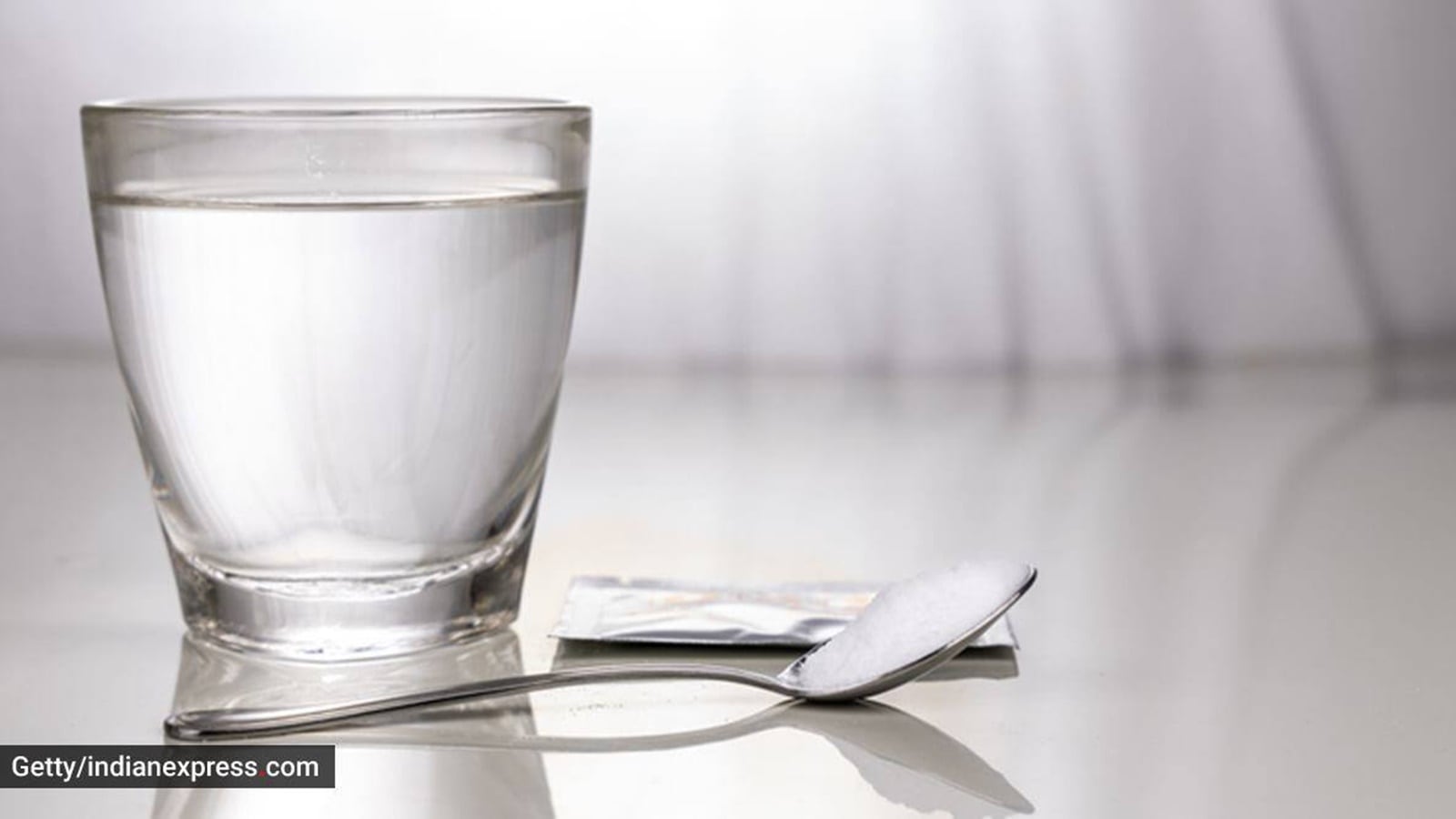
1. Individuals with Hypertension: For those already diagnosed with high blood pressure, any additional sodium intake can be detrimental. It can counteract the effects of blood pressure-lowering medications and make it more challenging to manage their condition.
2. People with Heart Disease: Conditions such as heart failure, coronary artery disease, and arrhythmias can be significantly worsened by excess sodium. It can lead to increased fluid accumulation in the lungs and body, putting immense strain on an already compromised heart.
3. Those with Kidney Disease: The kidneys are the primary organs responsible for sodium excretion. Individuals with impaired kidney function have a reduced capacity to eliminate excess sodium, making them highly susceptible to its toxic effects. Dr. Saraf strongly advises, "People with kidney disease should avoid adding extra salt to water completely, unless advised by a doctor. Their bodies are more sensitive to sodium load."
4. Individuals Experiencing Swelling or Fluid Retention: If you frequently experience edema, adding more salt to your diet will likely exacerbate this problem, as it directly contributes to water retention.
5. People with Thyroid Conditions: Certain thyroid conditions can also be affected by electrolyte imbalances, and excessive sodium intake could potentially interfere with thyroid function or treatment.
Safer and More Effective Alternatives for Hydration
Instead of resorting to potentially harmful social media trends, health experts advocate for a range of safe and effective hydration strategies.
"Relying on natural hydration methods is paramount," advises Dt. Deepali Sharma, a clinical nutritionist at CK Birla Hospital, Delhi. "Plain water remains the cornerstone of good hydration. Other excellent options include coconut water, which is naturally rich in electrolytes, buttermilk, and water-rich fruits like watermelon and cucumber."
For situations where electrolyte replenishment is genuinely needed, Dr. Saraf recommends medically approved solutions. "For endurance sports, or dehydration due to disease, or even when exposed to heat for long periods, rehydration with electrolytes (inclusive of sodium) is necessary," he states. "In such cases, too, ORS (Oral Rehydration Salts) or medically prepared electrolyte drinks are safer and better options than the random addition of table salt to water." These products are formulated with precise concentrations of electrolytes and glucose, ensuring optimal absorption and effectiveness without the risk of overdose.
The Importance of Context and Professional Guidance
The trend of adding salt to water underscores a broader issue: the uncritical adoption of health advice from social media. What might be a temporary, situational remedy for one individual can be a dangerous practice for another.
Dt. Sharma emphasizes the importance of moderation and awareness. "It is important to remember that the quantity should be very small, a pinch, not a spoon, and should be balanced with regular clean water intake throughout the day. People with kidney disease, hypertension, heart issues, or the elderly should avoid this practice unless advised by a doctor."
Dr. Saraf reiterates the need for critical thinking when encountering health trends online. "Watch out for trends on social media," he warns. "What works for one person may not be medically suitable for you. Always prioritize evidence-based advice and consult with healthcare professionals."
Conclusion: A Call for Informed Hydration
While the body does require sodium for essential functions, the notion of proactively adding salt to every glass of water is a misguided approach to hydration. The potential risks, including elevated blood pressure, fluid retention, and cardiovascular strain, far outweigh any perceived benefits for the general population.
Instead, individuals should focus on a balanced diet that naturally provides adequate sodium, and rely on plain water and natural sources for their daily hydration needs. In specific situations of significant electrolyte loss, medically approved rehydration solutions are the safest and most effective choice. Ultimately, informed decisions about one’s health, guided by professional medical advice, are crucial to navigating the ever-evolving landscape of wellness trends.
Disclaimer: This article is based on information from the public domain and/or the experts we spoke to. Always consult your health practitioner before starting any new routine or making significant changes to your diet.
