

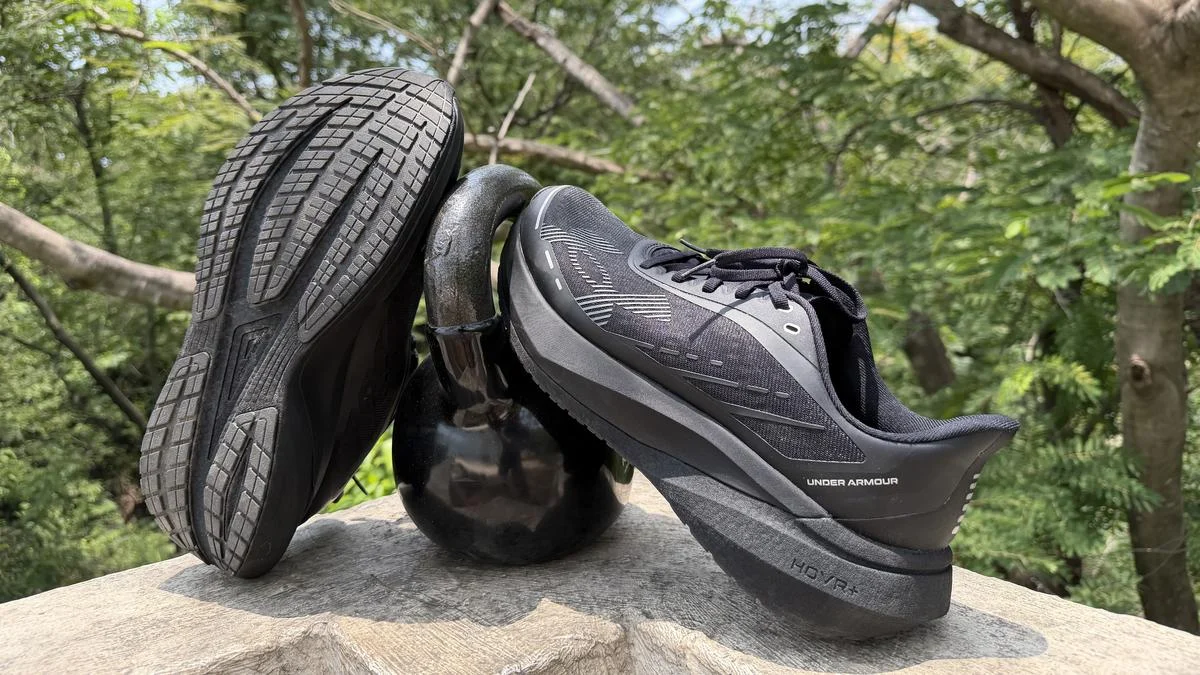
Under Armour continues its persistent pursuit of relevance in the competitive running shoe landscape with the introduction of the Velociti Distance, a shoe engineered for the demands of high-mileage training. While showcasing technical prowess and a commitment to robust cushioning, the Velociti Distance arrives with a polarizing stability system that promises to either elevate the running experience or introduce an unwelcome level of contention for its wearers.
By [Your Name/Publication Name]
[Date of Publication]
In the ever-evolving arena of athletic footwear, Under Armour has consistently positioned itself as a determined challenger, a brand capable of technical innovation and occasional flashes of brilliance, yet often finding itself just outside the immediate consideration set of seasoned runners. The Velociti Distance represents the latest strategic move in this ongoing campaign, a shoe meticulously crafted to cater to the rigorous demands of long-distance training. This latest offering from the Baltimore-based sportswear giant demonstrates a commendable ability to execute on multiple fronts, but it also incorporates design choices that are poised to elicit sharply divided opinions, making the shoe’s defining characteristic the very tension that emerges during its use.
The Core Proposition: Cushioning and Durability for the Long Haul
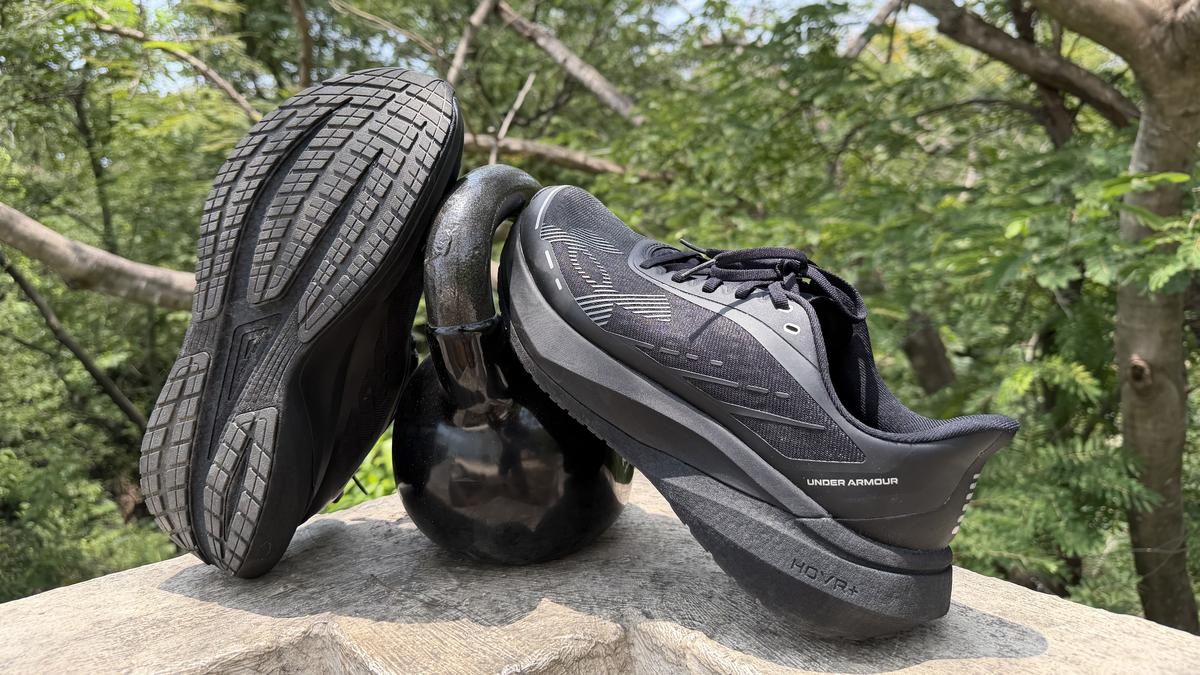
At its heart, the Velociti Distance is designed to be a workhorse for runners logging significant weekly mileage. The immediate impression upon picking up the shoe is its substantial build. Weighing in at 298 grams for a men’s size 9, it eschews the ultralight trend favored by some competitors, opting instead for a robust construction that signals its intent for durability and impact absorption over extended distances. This weight is largely attributable to the generous application of Under Armour’s Hovr+ foam, a supercritical TPU compound that forms a substantial stack height of 38mm underfoot. This significant volume of cushioning is the shoe’s primary promise – to provide a protective and forgiving platform for countless miles.
Complementing the substantial midsole is a meticulously engineered upper. The forefoot is constructed from a breathable woven mesh, a critical feature designed to facilitate airflow and mitigate heat buildup, particularly during those extended runs where ambient temperatures can become a significant factor. The tongue is ingeniously gusseted, ensuring it remains securely in place without the annoyance of slippage. The heel counter offers a well-padded and structured embrace, providing a confident and secure lockdown that, crucially, avoids feeling restrictive. This attention to detail in the upper contributes significantly to the overall comfort and confidence experienced when lacing up the Velociti Distance.
The outsole is another area where Under Armour has clearly prioritized longevity. Generous rubber coverage is strategically placed across the entirety of the outsole. While this does contribute to the shoe’s overall weight, it imparts a remarkable sense of confidence on varied surfaces. Whether navigating the unpredictable terrain of gravel paths or the consistent surface of paved roads, the Velociti Distance exhibits a steadfast grip. This durability is a significant selling point, especially for runners who have previously experienced outsoles that wear out prematurely, leaving the midsole still functional but the shoe rendered ineffective. The promise of extended wear, where the outsole outlasts the midsole, is a tangible benefit that addresses a common frustration for high-mileage runners.
The Ride Experience: Softness Meets Responsiveness
On the run, the Hovr+ foam truly comes into its own. This supercritical TPU material, also found in Under Armour’s elite racing footwear, delivers a ride that is simultaneously soft and firm. It excels at absorbing the relentless impact associated with long-distance running, providing a comforting buffer for the legs and joints. Crucially, however, this cushioning is not merely passive. It exhibits a notable energy return, contributing to a feeling of lively turnover rather than the sluggishness that can sometimes accompany heavily cushioned shoes.
What elevates the Velociti Distance beyond a typical max-cushion shoe is its versatility across different running intensities. While explicitly marketed as a long-run trainer, the shoe demonstrates an impressive ability to adapt to varying paces. It performs admirably during tempo efforts and steady-state runs, suggesting that it can serve as a more comprehensive training tool rather than being relegated solely to weekend long runs. This adaptability broadens its appeal, allowing runners to potentially integrate it into their weekly rotation with greater frequency.
The Divisive Element: Stability Rails and Gait Guidance
Where the Velociti Distance embarks on a path that is likely to divide opinion is in its integrated stability system. Under Armour has incorporated firm TPU inserts along both the lateral and medial sides of the midsole. The stated intention behind these "stability rails" is to guide the foot through its natural gait cycle, thereby mitigating excessive motion within the forgiving Hovr+ foam. In theory, this is a sound engineering principle, aiming to provide a controlled and supportive experience.
However, in practical application, the effect of these rails is often more pronounced than the term "guide" might suggest. For runners whose biomechanics naturally align with the prescribed motion of these inserts, the experience is likely to be one of enhanced support and controlled movement. The shoe will feel like it is working in concert with their natural stride, offering a stable and confident ride.
Conversely, for runners whose natural gait patterns deviate from what the rails are designed to encourage, the experience can become less harmonious. The inserts can, in some cases, compel a supinated landing that feels jarring and unnatural. This is not a subtle correction; the shoe possesses a distinct philosophy regarding how it expects the foot to move. If this philosophy does not align with an individual’s inherent foot mechanics, runs that should feel effortless can transform into a source of discomfort rather than a release. This inherent polarization means that the Velociti Distance is a shoe that either resonates deeply with a runner or actively alienates them, with very little middle ground.
The laces themselves, while functional, represent a minor point of incongruity. Compared to the premium feel and execution of the rest of the shoe, the laces feel noticeably lower in quality, a small detail that jars slightly within the overall refined package.

Chronology of Development and Design Philosophy
Under Armour’s journey into the performance running market has been characterized by a consistent effort to establish a strong foothold against established giants. The development of the Velociti Distance can be seen as a culmination of their technological advancements, particularly in midsole foam technology with Hovr+, and a strategic decision to tackle the high-mileage segment head-on.
The decision to incorporate stability rails, rather than opting for a purely neutral design, suggests a conscious effort to capture a broader segment of the running market, including those who have traditionally sought out stability-focused shoes. However, the execution of this stability system appears to be a departure from more traditional, often subtler, approaches. The "forceful" nature of the guidance indicates a design philosophy that prioritizes a specific biomechanical outcome, a characteristic that is inherently more likely to create a polarizing response.
The brand’s experience with Hovr+ foam in their faster, more race-oriented shoes likely informed the decision to leverage this technology in a high-mileage trainer. The goal would have been to combine the protective qualities needed for long runs with the responsiveness that prevents the shoe from feeling sluggish. The resulting combination of soft yet firm cushioning is a testament to this effort.
Supporting Data and Technical Specifications
- Weight: 298 grams (Men’s size 9) – Positioning it as a substantial, not ultralight, trainer.
- Stack Height: 38mm of Hovr+ foam – Indicating a focus on maximal cushioning.
- Midsole Material: Hovr+ foam (supercritical TPU) – Known for its blend of softness and energy return.
- Outsole: Generous rubber coverage for enhanced durability and traction.
- Upper: Breathable woven mesh for ventilation, gusseted tongue, structured heel.
- Stability Features: Firm TPU inserts (stability rails) along lateral and medial sides of the midsole.
The choice of 38mm stack height places the Velociti Distance firmly in the category of maximalist running shoes, a segment that has grown in popularity due to its emphasis on comfort and protection for long distances. The Hovr+ foam’s supercritical nature is key, as it allows for a high volume of cushioning without sacrificing responsiveness, a critical balance for a shoe intended for more than just slow jogging. The extensive outsole rubber is a practical consideration for durability, a factor often overlooked in the pursuit of minimal weight.
Official Responses and Brand Positioning
While no direct official statement regarding the polarizing nature of the stability rails was immediately available, Under Armour’s broader strategy in the running shoe market consistently emphasizes innovation and the pursuit of performance advantages. The Velociti Distance, with its advanced cushioning and robust construction, aligns with this narrative.
The brand’s positioning as a challenger in the running space suggests a willingness to take calculated risks with design. The stability system can be interpreted as such a risk – an attempt to offer a unique solution that caters to a specific biomechanical need, even if it means alienating a segment of the market. This approach can, however, also create a strong sense of loyalty among the runners for whom the shoe is a perfect match.

Implications for the Running Community and Future Developments
The Under Armour Velociti Distance presents a compelling case for runners seeking a durable, well-cushioned, and versatile long-run trainer. Its ability to handle varied paces and its impressive outsole durability are significant strengths. However, the inherent polarization of its stability system carries substantial implications.
For runners who have traditionally benefited from or are seeking a more guided gait, the Velociti Distance could be a revelation, offering a stable and controlled experience that enhances their running economy and comfort. The potential for this shoe to become a go-to for their weekly mileage, from easy jogs to more demanding tempo sessions, is considerable.
Conversely, runners who prefer a more natural and uninhibited foot motion, or those whose biomechanics do not align with the shoe’s prescriptive guidance, are likely to find it an uncomfortable or even detrimental choice. The risk of developing discomfort or altered gait mechanics is a genuine concern for this group. This situation highlights the ongoing debate in the running shoe industry regarding the necessity and design of stability features. As footwear technology advances, the trend appears to be moving towards more nuanced and individualized approaches to stability, or a greater emphasis on neutral designs that allow the foot’s natural mechanics to prevail.
The Velociti Distance, by taking a strong stance with its stability rails, contributes to this discourse. It challenges the notion of a one-size-fits-all approach to stability and underscores the importance of individual biomechanics in shoe selection. Future iterations from Under Armour, or indeed from other brands, may seek to refine such systems to be more adaptive, perhaps incorporating adjustable elements or employing materials that offer a gentler form of guidance.
Ultimately, the success of the Under Armour Velociti Distance will be measured not just by its technical merits, but by its ability to connect with the right runner. It is a shoe that demands consideration and, perhaps more importantly, a thorough understanding of one’s own gait. For those whose foot mechanics happen to align with its assertive design, the Velociti Distance offers a technically impressive and potentially rewarding journey through countless miles. For others, it serves as a potent reminder that even in the pursuit of performance, individual biomechanics reign supreme.
