


New Delhi, India – April 3, 2026 – As the calendar turns to April 3, 2026, the nation will observe Good Friday, a day of profound religious and cultural significance. While not a national holiday, Good Friday is a public holiday across India, leading to the closure of banks, government offices, and educational institutions, both public and private. This solemn observance, deeply rooted in Christian tradition, commemorates the crucifixion of Jesus Christ and serves as a prelude to Easter Sunday.
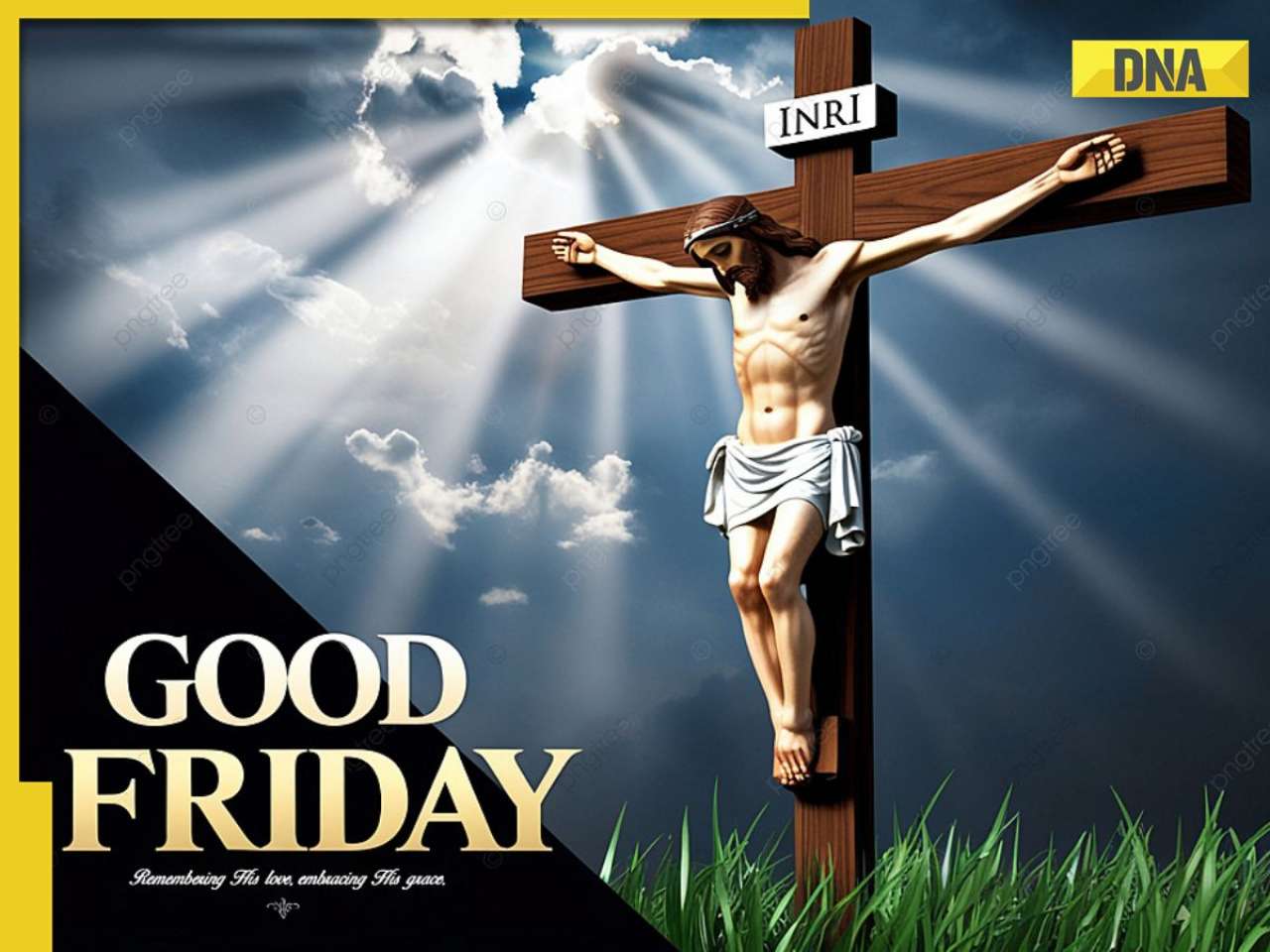
The date of Good Friday is intrinsically linked to the lunar calendar, shifting annually in conjunction with Easter. This connection highlights the cyclical nature of the Christian liturgical year, with Good Friday marking a critical juncture of sacrifice and anticipation. The very name "Good Friday" often sparks curiosity, given the day’s somber nature. However, the designation "Good" transcends mere celebration, signifying a deep theological meaning of sacrifice, redemption, and the ultimate act of love for humanity.
)
The Observance of Good Friday: A Day of Reflection and Mourning
Good Friday is not a day of festivity but of solemn observance. It is a pivotal moment within Holy Week, a period dedicated to reflecting on the final days of Jesus Christ’s earthly life. Churches across the country will likely see reduced activity, with many abstaining from joyous celebrations and instead engaging in prayer, fasting, and contemplation. The atmosphere is one of quiet reflection, emphasizing the gravity of the events being remembered.

This practice of "observing" rather than "celebrating" underscores the theological interpretation of the day. It is a time to acknowledge the immense sacrifice made, a cornerstone of Christian faith. The silence and stillness of Good Friday stand in stark contrast to the jubilation of Easter, creating a powerful narrative arc of sorrow leading to resurrection and ultimate triumph.
)
The Theological Significance: "Good" in Sorrow
The designation of "Good Friday" has often led to questions, particularly for those unfamiliar with its theological underpinnings. Why call a day of such sorrow "good"? The answer lies in the profound belief that Christ’s crucifixion, though a tragic event, was a pivotal act of redemption for all of humanity. Christians believe that Jesus willingly bore the sins of the world upon the cross, offering a path to salvation and eternal life.
)
This perspective transforms the perception of the day. It is "good" not because of joy, but because of the ultimate outcome: atonement and the promise of new life. Some scholars also point to older usages of the word "good," where it meant "holy" or "sacred." In this context, Good Friday is a "holy" day due to the sacred sacrifice made by Jesus Christ. The day, therefore, is a testament to divine love, sacrifice, and the ultimate victory over sin and death.
)
Historical Roots of Good Friday Observance
The historical origins of Good Friday observance are deeply intertwined with the early Christian Church. While the exact date of Christ’s crucifixion is debated, the tradition of commemorating it during Holy Week solidified over centuries. Early Christians observed a period of fasting and prayer leading up to Easter, with the day of the crucifixion being a particularly solemn occasion.
)
The development of liturgical practices, including the stark and unadorned services held on Good Friday, reflects a desire to honor the gravity of the event. Churches often remain bare, without flowers or celebratory decorations, and the altar may be stripped. The focus is entirely on the narrative of Christ’s suffering and death, fostering a profound sense of empathy and spiritual connection among believers.
)
The Calendar and the Significance of Easter
The movable feast of Easter dictates the date of Good Friday. Easter Sunday is celebrated on the first Sunday after the first full moon occurring on or after the vernal equinox. This astronomical calculation ensures that Good Friday, always two days prior to Easter Sunday, also shifts annually. This reliance on the lunar cycle connects the Christian commemoration to ancient agricultural and seasonal cycles, further imbuing it with a sense of natural and cosmic order.
)
The close proximity of Good Friday to Easter underscores the narrative of suffering and resurrection. It is a crucial reminder that the joy of Easter is only possible because of the sacrifice that preceded it. The transition from the somber reflection of Good Friday to the jubilant celebration of Easter represents a fundamental tenet of Christian theology: the triumph of life over death.
)
Good Friday Wishes: Expressing Empathy and Hope
While Good Friday is not a day for cheerful greetings, believers often share messages of peace, reflection, and spiritual well-being. These "wishes" are not celebratory but are expressions of shared faith, empathy, and the hope that arises from Christ’s sacrifice. They serve to connect individuals and communities in their remembrance and spiritual journey.
)
Here are some examples of sentiments commonly shared on Good Friday:
)
- "May the profound sacrifice of Jesus Christ bring you peace and solace today."
- "On this Good Friday, may your heart be filled with gratitude for the ultimate act of love."
- "Wishing you a day of quiet reflection and spiritual strength on Good Friday."
- "May the lessons of love, forgiveness, and sacrifice on this day resonate deeply within you."
- "May the grace of Christ guide you and your loved ones through this solemn observance."
These messages, while simple, carry significant weight, fostering a sense of shared experience and spiritual connection among those who observe the day.
)
Broader Societal Impact and Observance in India
In India, a nation with a rich tapestry of religious and cultural practices, Good Friday holds importance for its Christian population and is recognized by the broader society. The declaration of a public holiday allows for participation in religious services and personal reflection. While not a national holiday, its observance as a public holiday signifies a respect for religious freedom and the diverse traditions that enrich the Indian social fabric.
)
The closure of financial institutions and educational establishments ensures that the day can be observed without the disruptions of daily commerce and academic routines. This collective pause allows for a nationwide acknowledgment of the day’s significance, even for those who may not directly participate in religious services. It fosters an environment of communal respect and understanding for the various observances that shape the Indian calendar.
)
Looking Ahead: From Sacrifice to Resurrection
As Good Friday 2026 draws to a close, the spiritual journey continues towards Easter Sunday. The solemnity of this day serves as a powerful reminder of the foundational narrative of Christianity. It is a time for introspection, for acknowledging the complexities of sacrifice, and for drawing strength from the promise of renewal and resurrection. The observance of Good Friday, with its deep historical roots and profound theological meaning, will continue to be a significant day in the spiritual landscape of India and the world. The transition from the sorrow of crucifixion to the joy of resurrection encapsulates a timeless message of hope and redemption.
