

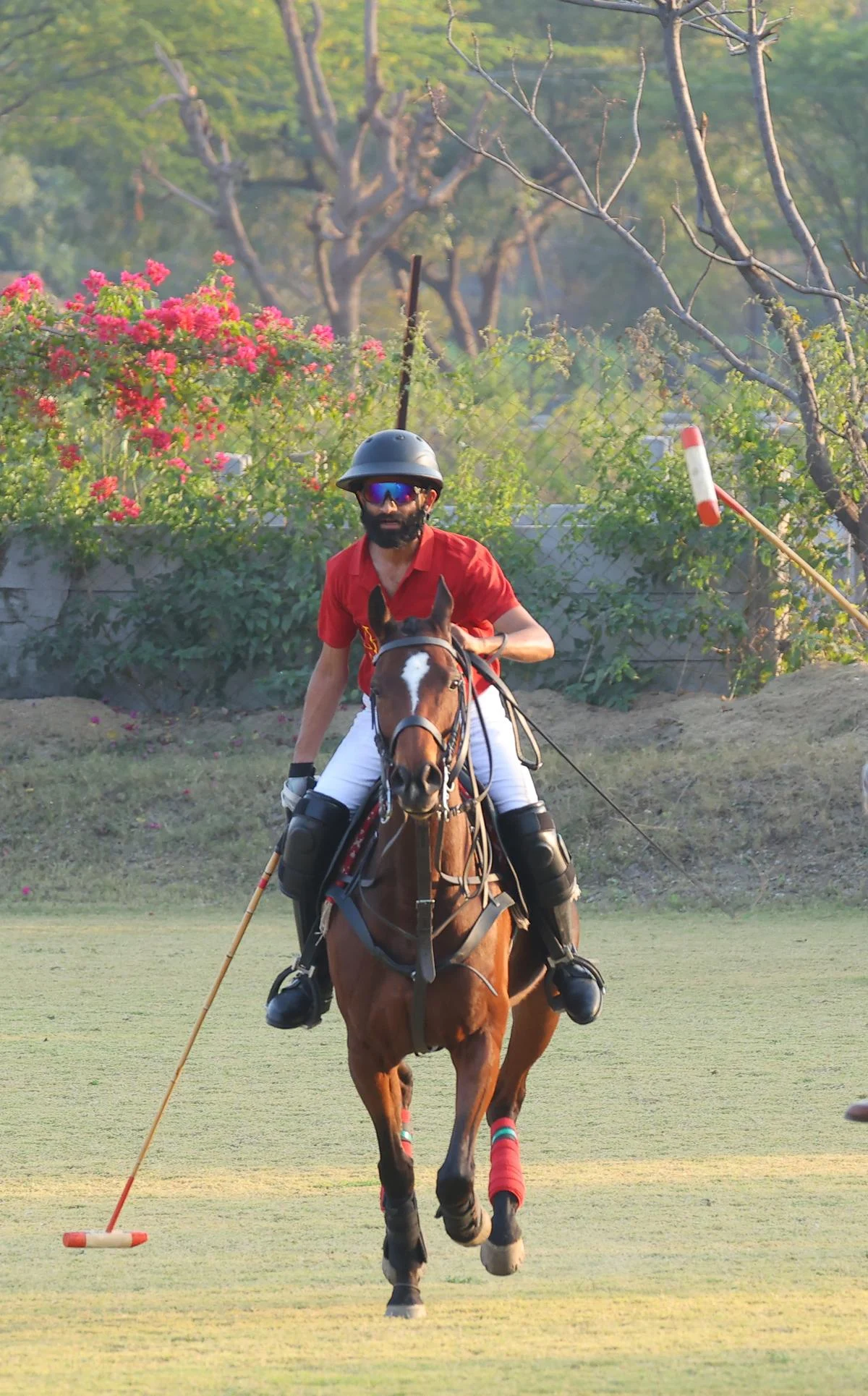
Udaipur, India – The dust swirls, the thundering hooves echo across the manicured grounds, and the sharp crack of mallets against balls fills the air. It’s match day at the prestigious Chunda Polo Club in Udaipur, a scene that transports one back to an era of regal grandeur and equestrian prowess. Today, however, the spotlight isn’t solely on seasoned aristocrats, but on a vibrant new generation of players, their youthful enthusiasm palpable as they showcase their skills to an eager audience of friends, family, and passionate polo aficionados.
At the heart of this exhilarating spectacle stands Veeram Dev Singh Krishnawat, affectionately known as Veeram dada. A man whose life is intrinsically woven with the legacy of Mewar and the thrill of the polo field, he meticulously checks each young rider’s saddle, a final gesture of care and encouragement before they gallop into the fray. His presence is a calming anchor, his quiet confidence radiating to the riders, urging them to give their absolute best. The ensuing match is not merely a game; it’s a testament to Krishnawat’s vision and dedication, a thrilling display of horsemanship and strategic play that captivates all who witness it.
The Visionary Behind the Revival
Veeram Dev Singh Krishnawat is more than just a polo enthusiast; he is a hotelier, the proprietor of the esteemed luxury establishments Chunda Shikar Oudi and Chunda Palace in Udaipur. But his true passion lies in a sport that has long been synonymous with royalty and exclusivity. In 2018, driven by a desire to democratize and revitalize polo in India, Krishnawat established the Chunda Polo Club. His mission was clear: to provide a nurturing environment for aspiring players and to offer a tangible avenue for promising students to engage with the sport.
"Many students have learned to play polo and to ride horses here, at no cost," Krishnawat states, his voice imbued with pride. "Anyone interested in learning the game, regardless of their age or gender, is welcome." This inclusive philosophy is a radical departure from the sport’s historical perception as an exorbitant pursuit, accessible only to the privileged few. Currently, he proudly oversees the training of approximately 100 students, a testament to the club’s growing appeal and Krishnawat’s unwavering commitment.
A Sport Steeped in Royal Pedigree
The history of polo in India is deeply intertwined with its royal families and the enduring legacy of British patronage. Introduced by the British in the 19th century, the sport quickly found favor among the Indian aristocracy, who possessed the horses and the resources to embrace its demands. The royal families of Jodhpur and Jaipur, in particular, became renowned patrons, their tournaments becoming celebrated fixtures on India’s polo calendar. Today, figures like Padmanabh Singh of Jaipur continue to be prominent young royals associated with the sport, carrying forward this illustrious lineage.
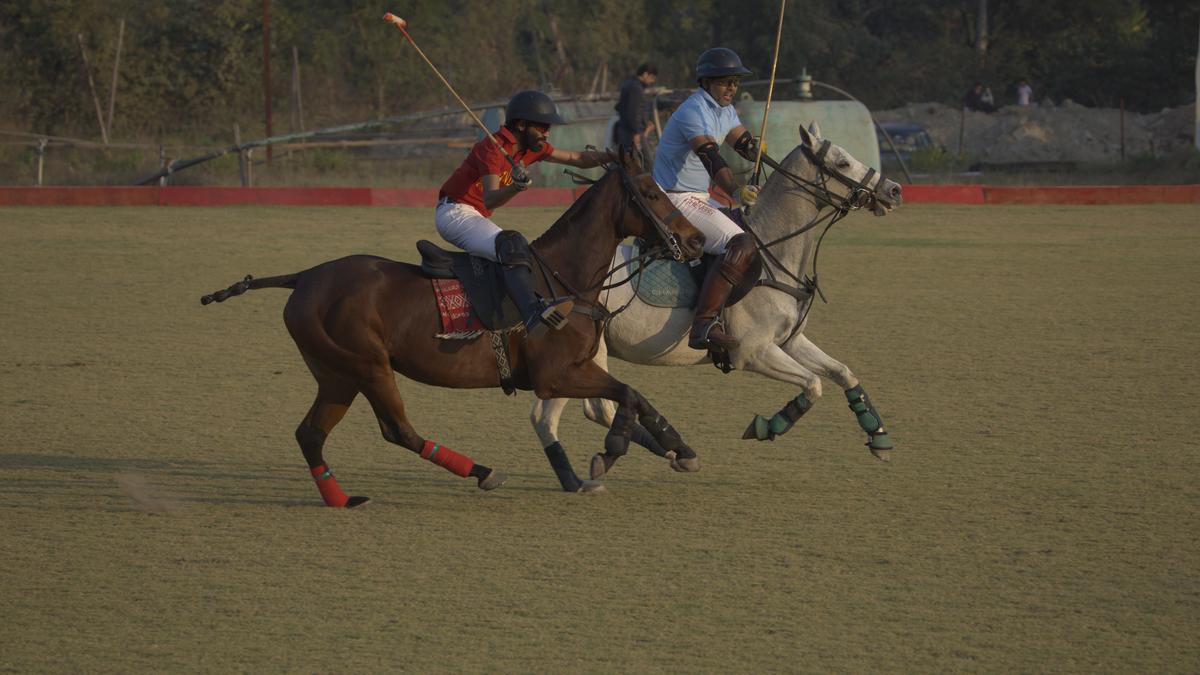
However, the cost of maintaining horses has historically been a significant barrier to entry, a factor that Krishnawat’s club directly addresses. "Today, hardly anyone owns horses, including the royals and nobles," Krishnawat explains. While many Rajasthani households, particularly those with Mewari heritage, traditionally kept horses for hunting, this practice has largely waned due to the prohibitive costs.
The Economics of Polo: A Significant Hurdle
The financial implications of polo are substantial, extending far beyond the initial purchase price of a horse, which can range from several lakhs to crores of rupees. The ongoing upkeep of a single horse incurs monthly expenses between ₹25,000 and ₹30,000, encompassing food, grooming, and exercise. Furthermore, the provision of adequate stables and the recruitment of skilled staff to tend to the animals add to the considerable financial burden. This intricate web of expenses, Krishnawat notes, often deters individuals from keeping horses, consequently limiting opportunities for younger generations to experience and learn polo.
This is precisely where the Chunda Polo Club intervenes. Krishnawat has personally invested in 25 thoroughbred stallions, sourced from stud farms across the country. "I come from the lineage of Maharana Pratap Singh. We have always loved and cherished our horses," he states, underscoring his deep-rooted connection to these magnificent animals. The club’s operational costs are primarily funded through polo experiences, such as exhibition matches and workshops, often arranged for grand weddings and corporate events, thereby creating a sustainable model for nurturing young talent.
From Childhood Passion to Polo Mastery
Krishnawat’s own journey with horses began at an astonishingly young age. At just four years old, he was gifted his first horse, Ganga, by his father, Thakur Ghanshyam Singh. "People told him not to put me on a horse at such a young age," Krishnawat recalls. "But he believed that children must be introduced to horses early on in life, so they learn to respect and care for them." This early immersion fostered not only a lifelong love for horses but also honed his equestrian skills to a remarkable degree. He went on to captain his school team at The Mayo College Ajmer and later competed in prestigious tournaments like the Sirmour Cup in Jaipur and the HH Maharaja of Jodhpur Cup, even participating in games in the United Kingdom.
The New Generation of Polo Players
The transformative impact of the Chunda Polo Club is vividly illustrated by the experiences of its students. Sixteen-year-old Lakshyaraj Singh Rathore, a dedicated trainee since 2021, highlights the club’s crucial role. "I don’t own a horse, so Veeram dada lends me the Club’s horses for competitive games," he explains, emphasizing the accessibility provided by the club.
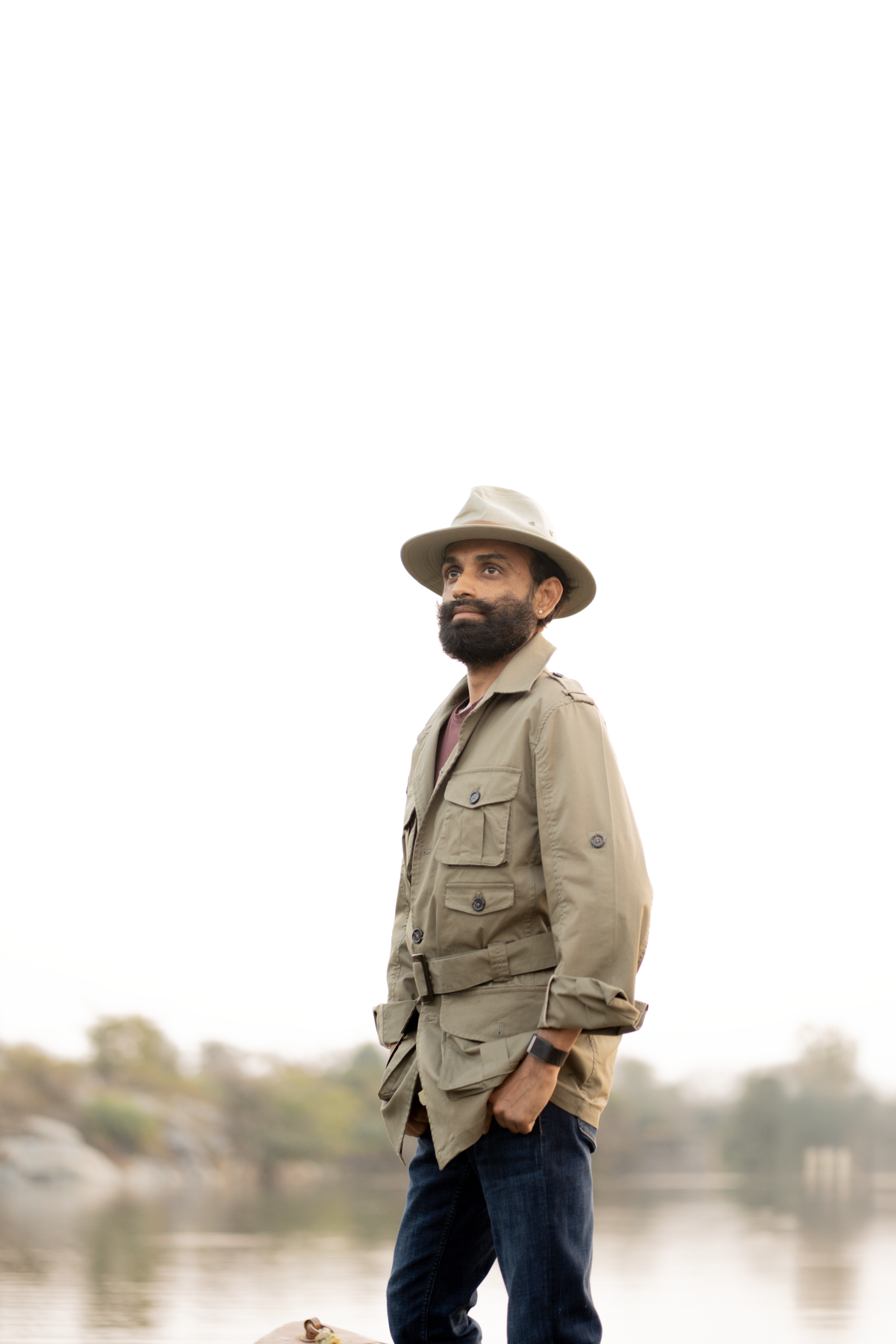
Reena Jat, a 26-year-old physician at the Pacific Medical College & Hospital, Udaipur, shares a similar narrative. Her first encounter with a live polo match was at the Chunda Club, an experience that ignited a passion to learn. "It was at the Chunda club that I first saw a live polo match," she says. Enrolling three months ago, she found herself in a supportive environment. "Veeram dada and his entire team, especially Savji, the caretaker, are passionate about teaching," she notes. Reena candidly admits that her parents’ concerns about potential injuries and marital prospects would have made paid lessons a non-starter. "My parents worry that if I ever get injured while playing, who would marry me. So, if they had to pay for me to learn polo, they would have been a lot more reluctant." The club’s free training removed this significant financial and parental hurdle.
Bhuvaneshwari Rawat, a 23-year-old dentist, also discovered polo at the Chunda Club and has since participated in several exhibition matches. "When I started learning in 2023, I was the only girl in my batch," she recounts. "But Veeram dada always made me feel comfortable and included, and taught me with as much passion as he did the boys." Her experience underscores the club’s commitment to gender inclusivity and fostering a welcoming atmosphere for all learners.
Cultivating Future Polo Stars
Currently, the Chunda Polo Club boasts between 10 to 15 dedicated students, with a discernible male majority, though younger girls are showing increasing interest, particularly in the summer training camps. Krishnawat remains optimistic about the future of polo in India. "India has great potential in polo as our relationship with horses is centuries-old," he asserts. "If more people learned the game, we could produce excellent players who could go on to represent India."
While the long-term trajectory of these aspiring players remains to be seen, the immediate impact of the Chunda Polo Club is undeniable. It is a sanctuary for a sport that once defined aristocratic leisure, now revitalized by a visionary who understands its heritage and embraces its future. For students like Reena, the club represents more than just an opportunity to learn; it’s a gateway to a world previously considered inaccessible. "If not for The Chunda Club’s support and dada‘s passion for the sport, it would have been hard for me to get access to the horses," she concludes, her words echoing the profound difference one individual’s dedication can make in preserving and propagating a cherished tradition. The thundering hooves at Chunda are not just the sound of a game; they are the rhythm of a revival, a testament to the enduring allure of polo and the vision of those who strive to keep its legacy alive.
