

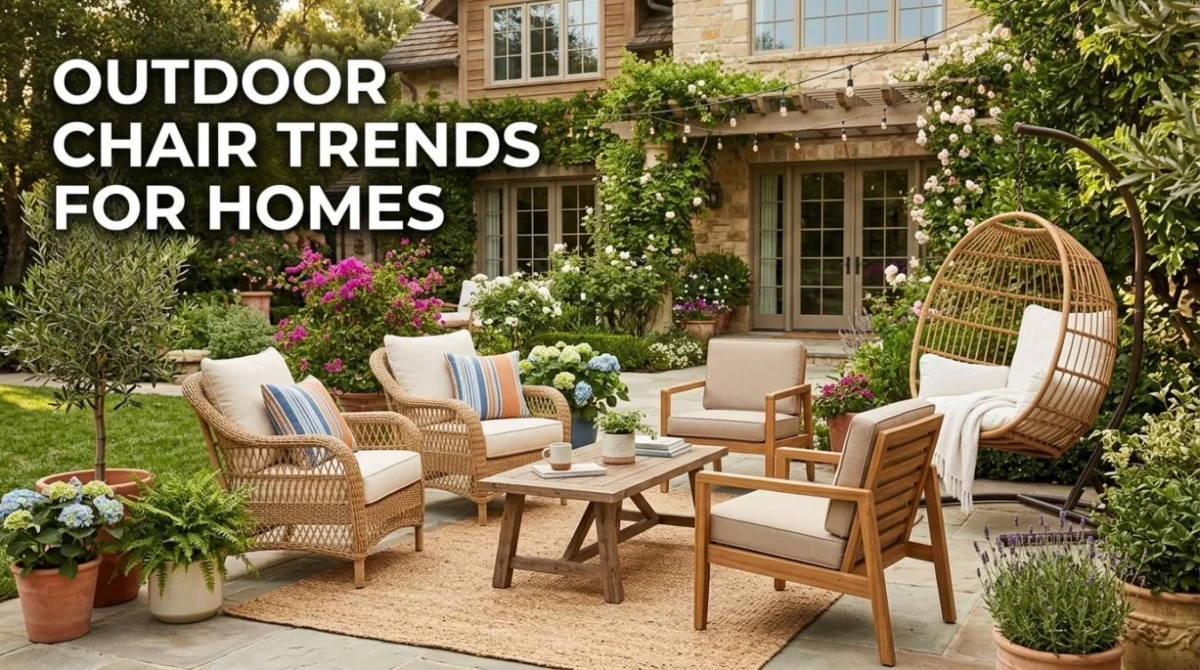
In the contemporary architectural landscape, the boundary between interior sanctuaries and exterior environments has become increasingly porous. What was once a mere backyard or a functional porch has evolved into a sophisticated "outdoor room"—a secondary living space that demands the same level of design rigor as any interior lounge. Central to this transformation is the selection of seating. The right outdoor chair does more than provide a place to sit; it anchors the aesthetic of the garden, dictates the flow of social interaction, and withstands the relentless elements of nature.
As homeowners increasingly prioritize wellness and biophilic design, the outdoor furniture market has seen a surge in innovation, blending traditional craftsmanship with high-tech material science. This report explores the primary facts, historical evolution, and technical specifications of the ten most influential outdoor chair designs currently shaping modern landscapes.
Main Facts: The Rising Demand for Durable Luxury
The global outdoor furniture market is no longer a seasonal niche. Recent industry data suggests a significant shift toward "seasonless" outdoor living, where patios and decks are utilized year-round through the integration of weather-resistant furniture and heating elements.
The selection of outdoor seating is governed by three primary pillars:
- Material Integrity: The ability of a chair to resist UV degradation, moisture-induced rot, and thermal expansion.
- Ergonomic Comfort: A shift away from purely aesthetic "sculptural" pieces toward seating that supports long-duration use, reflecting the rise of the "work-from-garden" trend.
- Spatial Versatility: Furniture that can transition from a compact balcony to an expansive lawn without losing its visual impact.
Designers argue that the chair is the most critical element of the outdoor experience. While a table defines the function (dining or working), the chair defines the feeling—whether it is the kinetic relaxation of a swing or the grounded permanence of a stone bench.
Chronology: From Utility to High-Design
The history of outdoor seating is a narrative of human adaptation to the environment.
- The Ancient & Classical Eras: Seating was largely fixed and made of stone or heavy timber. The "Exedra" or curved stone benches in Greek and Roman gardens were designed for philosophical discourse, emphasizing permanence over comfort.
- The Victorian Era: The industrial revolution introduced wrought iron. Ornate, heavy, and durable, these chairs allowed for the first "garden sets" that could remain outdoors indefinitely, though they lacked ergonomic support.
- The Mid-Century Modern Movement (1950s-60s): Designers like Eero Aarnio and the Eameses experimented with plastics and molded forms. This era saw the birth of the "leisure culture," where lightweight, stackable, and colorful seating became a symbol of the suburban dream.
- The Sustainability Pivot (2000s-Present): Today’s market is defined by a return to natural materials like teak and cane, but treated with modern finishes. There is also a significant move toward "circular design," using recycled ocean plastics and sustainably harvested woods to meet the demands of the eco-conscious consumer.
The Top 10 Trendy Outdoor Chair Designs: An Analysis
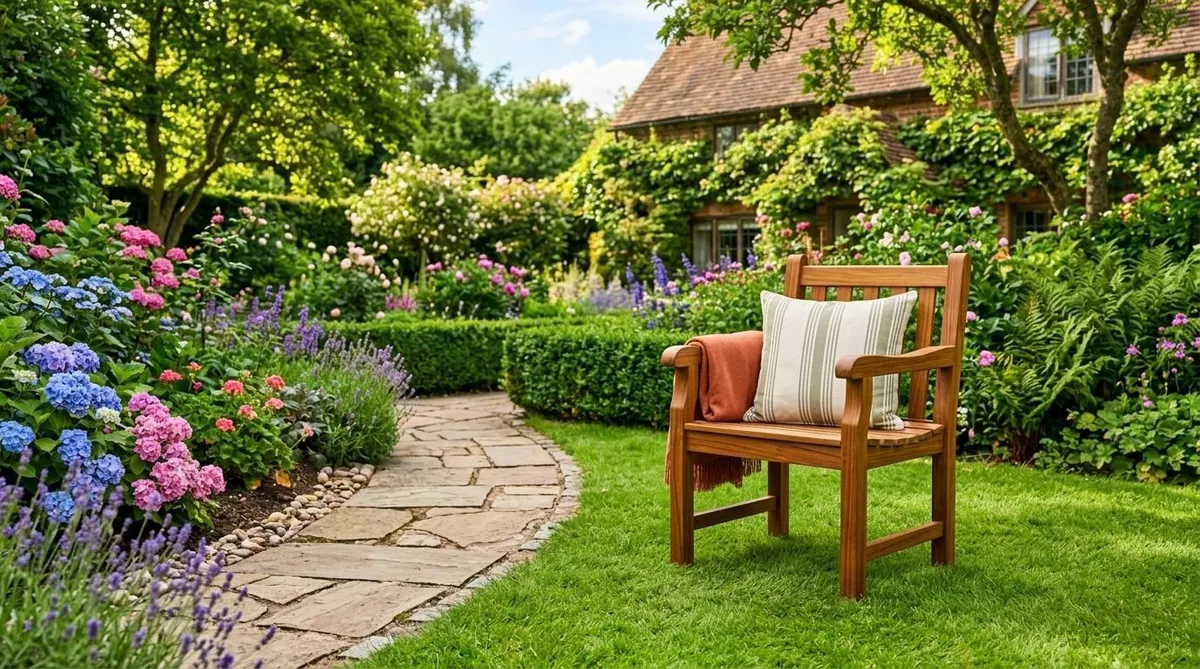
1. The Teak Wooden Chair: The Gold Standard of Durability
Teak (Tectona grandis) remains the undisputed king of outdoor timbers. Its high oil content and tight grain make it naturally resistant to water, rot, and pests.
- Design Profile: Often featured in "Adirondack" styles or sleek Scandinavian slats.
- Longevity: If left untreated, teak develops a distinguished silver-grey patina over time, which many designers prefer for its "weathered luxury" look.
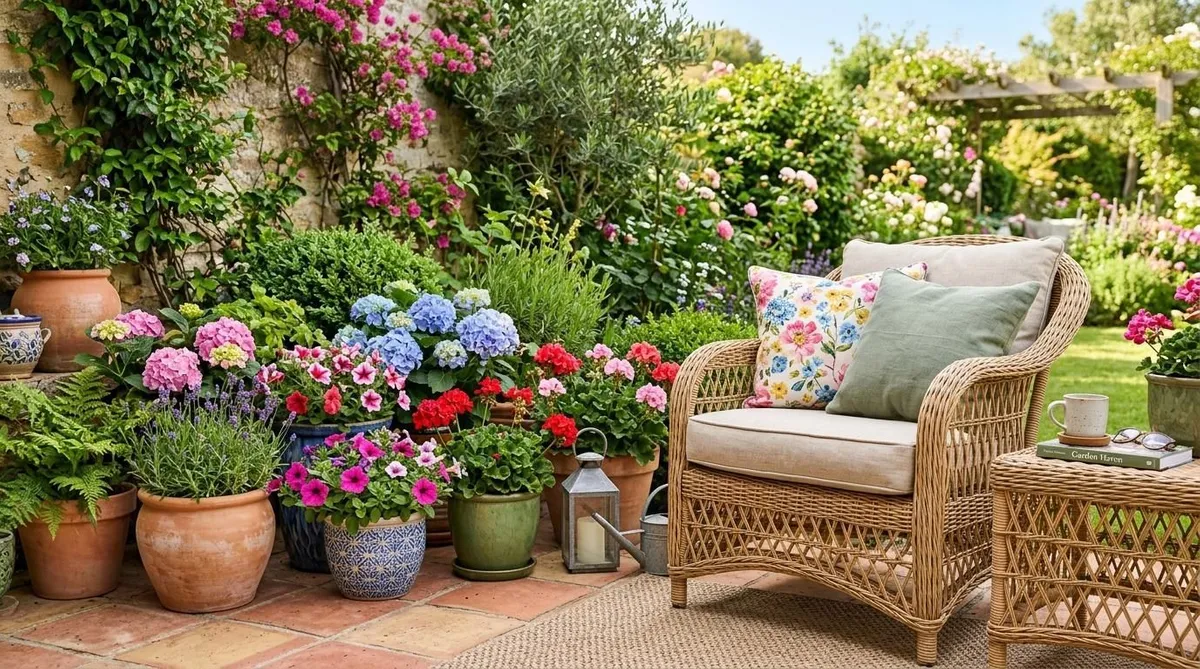
2. Woven Wicker Chair: The Texture of Tradition
Modern wicker is often a "resin wicker" (High-Density Polyethylene), which mimics the look of natural vine but offers superior UV resistance.
- Aesthetic: It provides a soft, organic texture that breaks up the hard lines of stone patios.
- Styling Tip: Pair with high-performance outdoor fabrics like Sunbrella for a plush, living-room-quality feel.
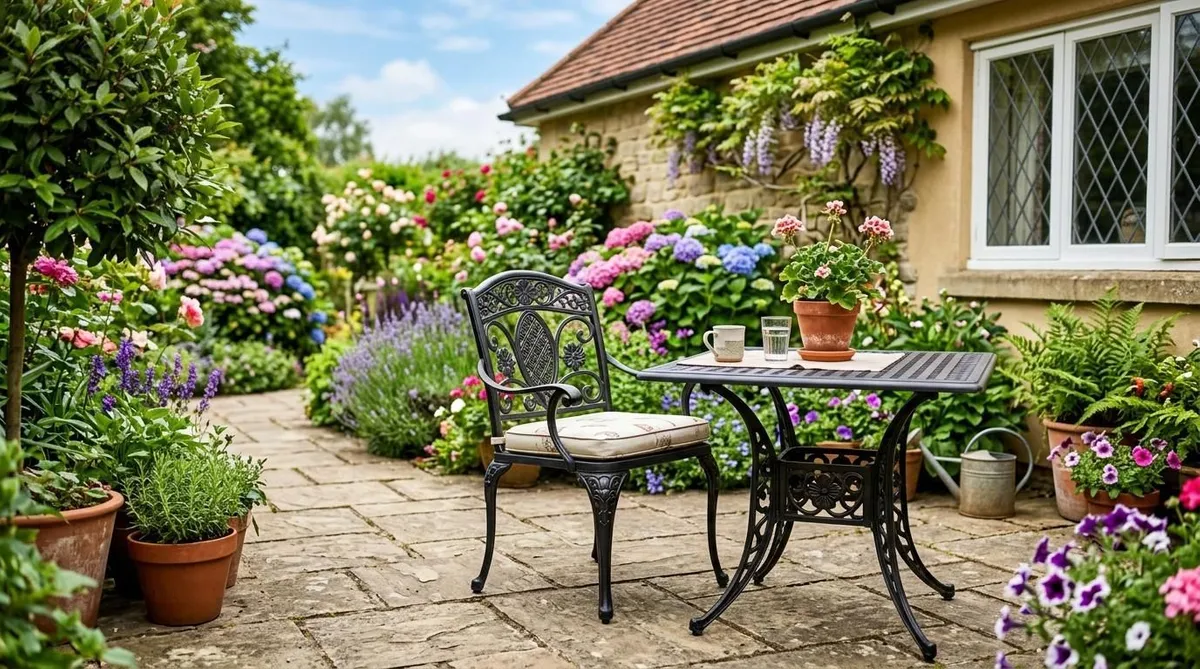
3. The Iron Chair: Industrial Resilience
Wrought or cast iron chairs are the stalwarts of the terrace. Modern iterations are powder-coated to prevent the oxidation (rust) that plagued Victorian models.
- Use Case: Ideal for windy environments where lighter furniture might be displaced.
- Visual Weight: Their thin profiles allow for "visual transparency," making small patios feel less cluttered.
4. The Foldable Chair: The Urbanist’s Solution
As urban living spaces shrink, the demand for high-quality foldable seating has skyrocketed. These are no longer the flimsy "camp chairs" of the past.
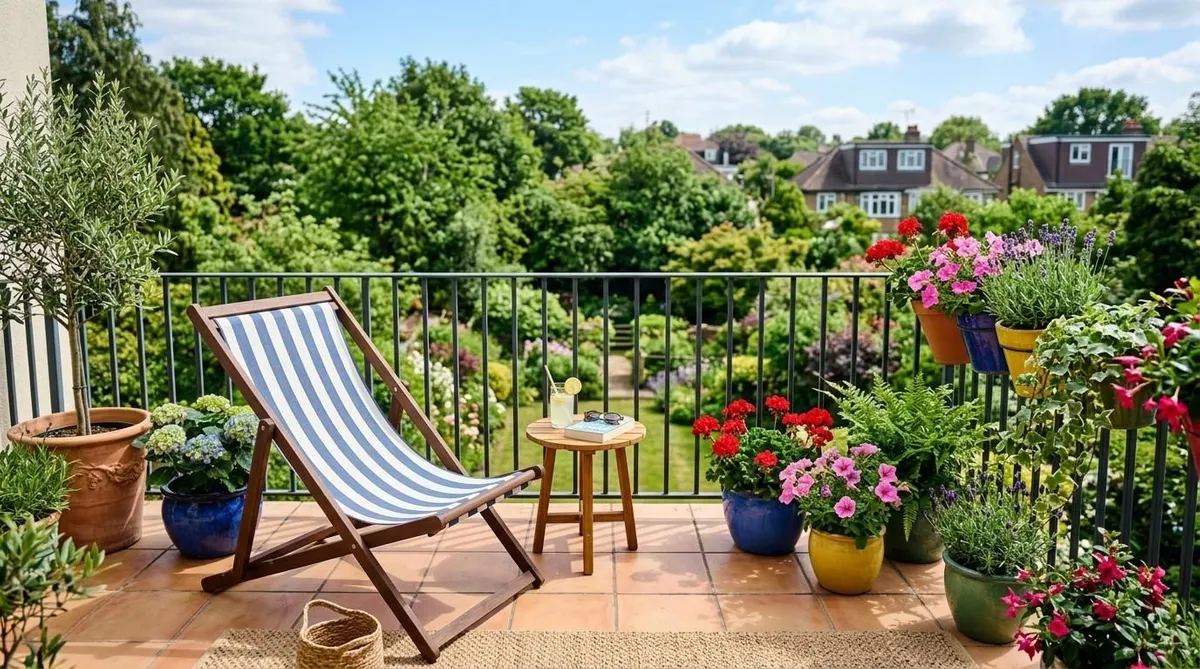
- Mechanism: Modern designs feature marine-grade stainless steel hinges and premium mesh fabrics.
- Versatility: They allow a balcony to transform from a morning yoga spot to an evening dining area in seconds.
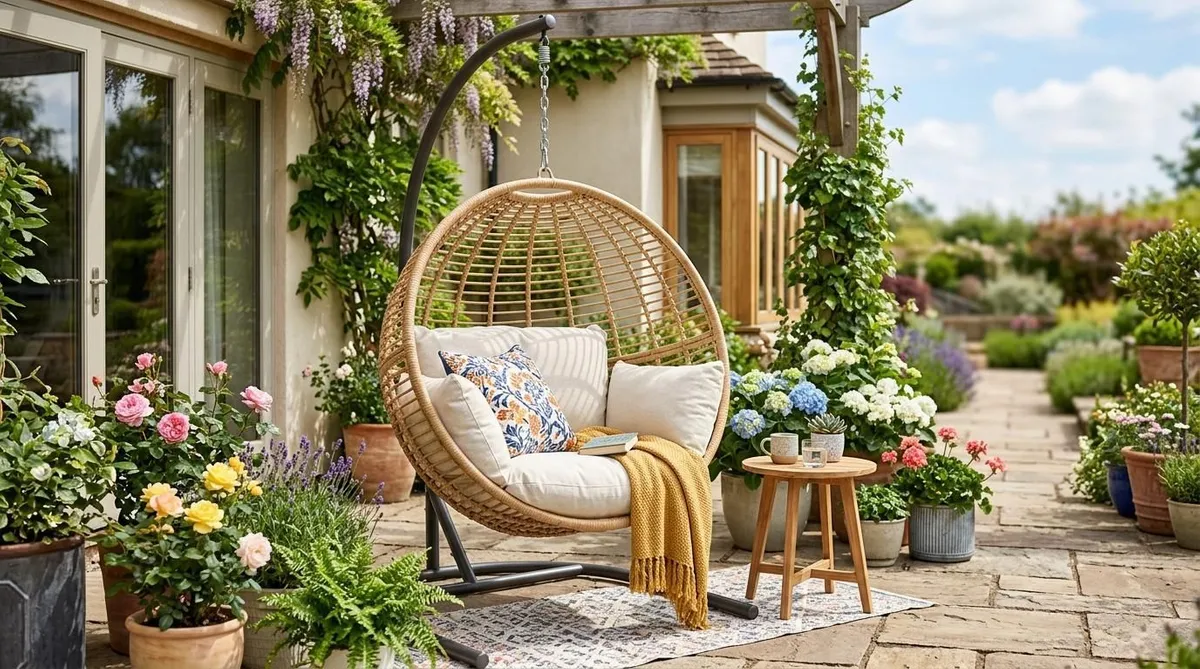
5. The Swing Chair: Kinetic Relaxation
The swing chair (or "egg chair") has become a social media sensation, but its roots lie in the psychological benefits of rocking motions.
- Installation: Can be ceiling-mounted on a porch or supported by a standalone steel frame.
- Comfort: It creates a "cocoon" effect, providing a sense of privacy and enclosure even in an open yard.
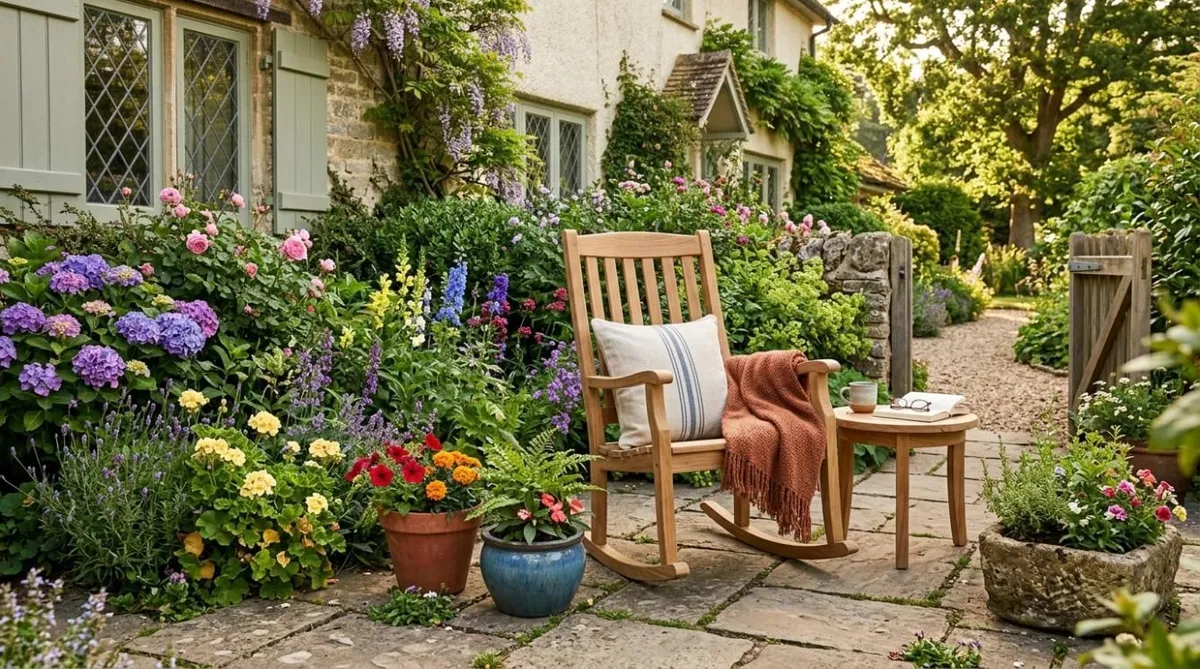
6. The Rocking Chair: A Heritage Reimagined
The rocking chair is an icon of the American veranda, now updated with ergonomic lumbar support and contemporary silhouettes.
- Materials: While traditional wood is common, all-weather poly-lumber versions are gaining popularity for their zero-maintenance requirements.
- Function: Best suited for transition spaces like covered porches where the user can watch the sunset or the street.
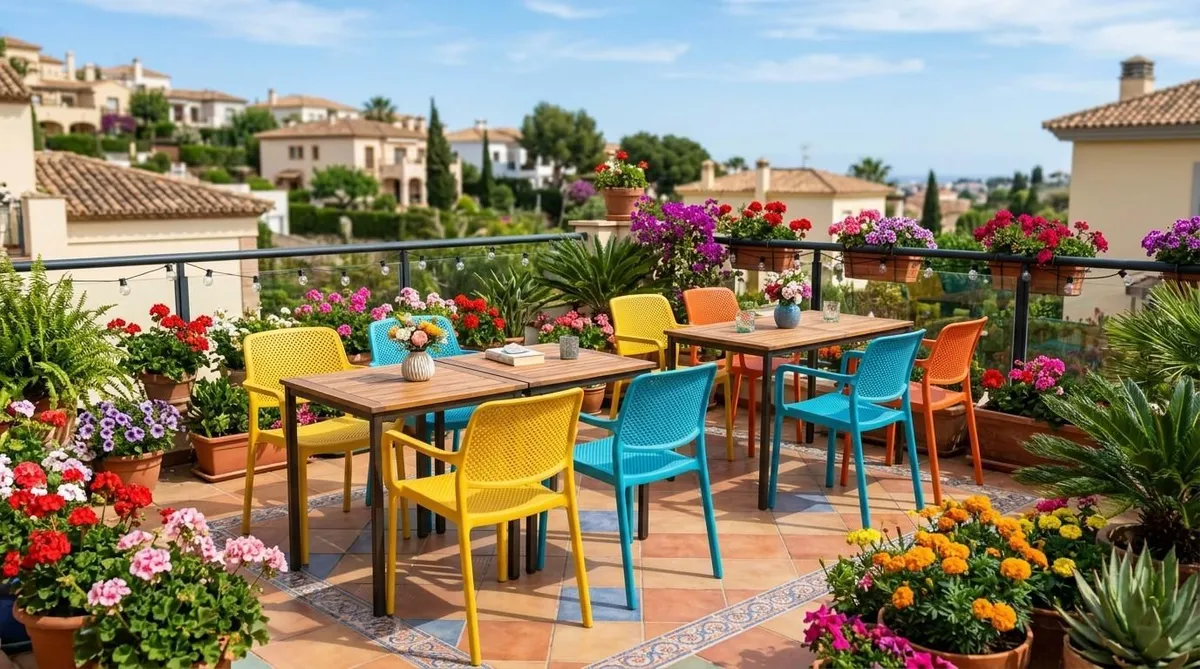
7. Plastic Moulded Chair: The Democratization of Design
Injection-molded chairs offer the most variety in color and shape.
- Innovation: Many brands now use "bioplastics" or recycled resins.
- Maintenance: They are virtually indestructible and can be cleaned with a simple garden hose, making them the primary choice for families with children and pets.
8. Rattan Lounge Chair: The Resort Aesthetic
Rattan lounge chairs, particularly those with a wider, lower stance, evoke the feeling of a tropical getaway.
- Design: Often featuring deep seating, these chairs encourage "lounging" rather than "sitting."
- Placement: They require more square footage and are best placed under shade structures or near pool decks.
9. Stone Bench Chair: Architectural Permanence
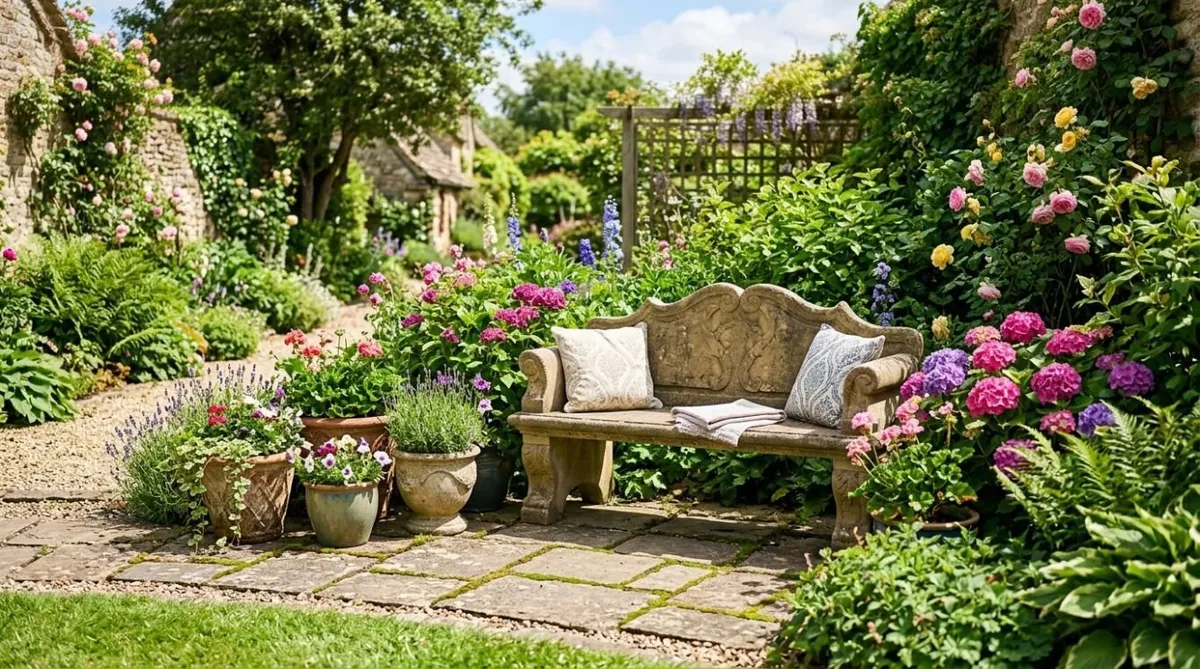
For those seeking a "set and forget" solution, stone or concrete seating is the ultimate choice.
- Integration: These are often built into the landscaping itself, acting as a retaining wall and a seating area simultaneously.
- Thermal Property: Stone retains heat; in cooler climates, a stone bench near a fire pit can provide a warm, radiant seating experience.
10. Cane Chair: The Bohemian Revival
Cane furniture, with its intricate hexagonal weaves, has seen a massive resurgence due to the "Jungalow" and "Boho-chic" trends.
- Weight: Extremely lightweight and breathable, making it perfect for humid climates where airflow is essential.
- Aesthetic: It bridges the gap between indoor sophistication and outdoor ruggedness.
Supporting Data: Material Performance and Market Trends
According to recent consumer surveys, the "Total Cost of Ownership" (TCO) is becoming a primary driver in furniture selection. While a plastic chair has a low entry price, a teak or iron chair often provides better value over a ten-year horizon due to its repairability and lifespan.
| Material | Expected Lifespan | Maintenance Level | UV Resistance |
|---|---|---|---|
| Teak | 25+ Years | Low (Oiling optional) | High |
| Powder-Coated Iron | 15-20 Years | Moderate (Touch-ups) | High |
| Resin Wicker | 5-10 Years | Low (Washable) | Moderate |
| Stone/Concrete | 50+ Years | Very Low | Exceptional |
| Recycled Plastic | 10-15 Years | Very Low | High |
Official Responses and Expert Perspectives
Landscape architects emphasize that the "context" of the chair is as important as the chair itself.
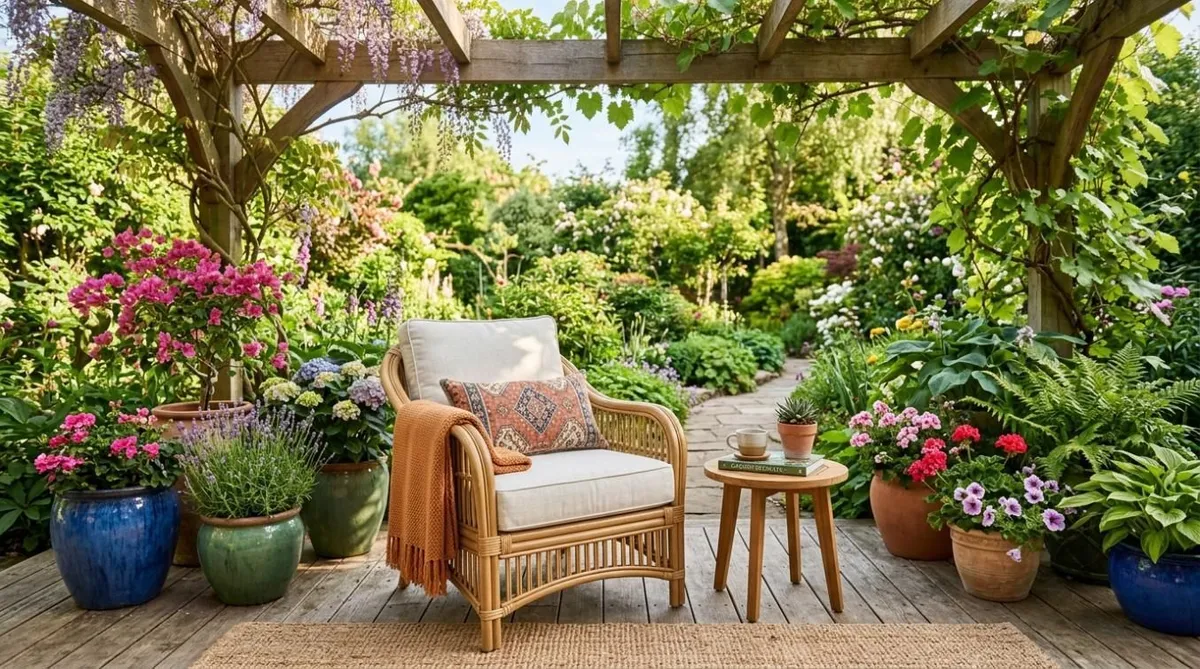
"We are seeing a move away from matched sets," says Sarah Jenkins, a senior designer at a leading firm. "Homeowners are now mixing materials—perhaps a stone bench for permanence paired with lightweight cane chairs for flexibility. It makes the outdoor space feel curated rather than ‘bought from a catalog’."
Furthermore, environmental experts highlight the importance of "Forest Stewardship Council" (FSC) certification for wooden furniture. As global temperatures rise, the industry is under pressure to ensure that the timber used for outdoor luxury does not contribute to deforestation.
Implications: The Future of the Exterior Living Room
The implications of choosing the right outdoor chair extend beyond simple aesthetics.
- Property Value: Real estate data suggests that well-furnished outdoor "living zones" can increase a home’s market value by up to 10-12%. Buyers view a furnished patio as additional square footage.
- Mental Health: The concept of "Soft Fascination"—a state of effortless attention found in nature—is facilitated by comfortable outdoor seating. By providing a space to sit and observe the environment, these chairs contribute to reduced cortisol levels and improved mental clarity.
- Technological Integration: The next frontier for outdoor seating includes "smart chairs" with built-in solar charging ports for devices and integrated LED lighting for ambiance, further blurring the line between the digital home and the natural world.
In conclusion, the selection of an outdoor chair is a high-stakes design decision. Whether one opts for the timeless resilience of teak, the space-saving utility of a foldable design, or the architectural weight of stone, the choice reflects a broader commitment to reclaiming the outdoors as a vital component of the modern home. As materials continue to evolve and the "indoor-outdoor" lifestyle becomes the global standard, these ten designs will remain the foundation of the al fresco experience.
