

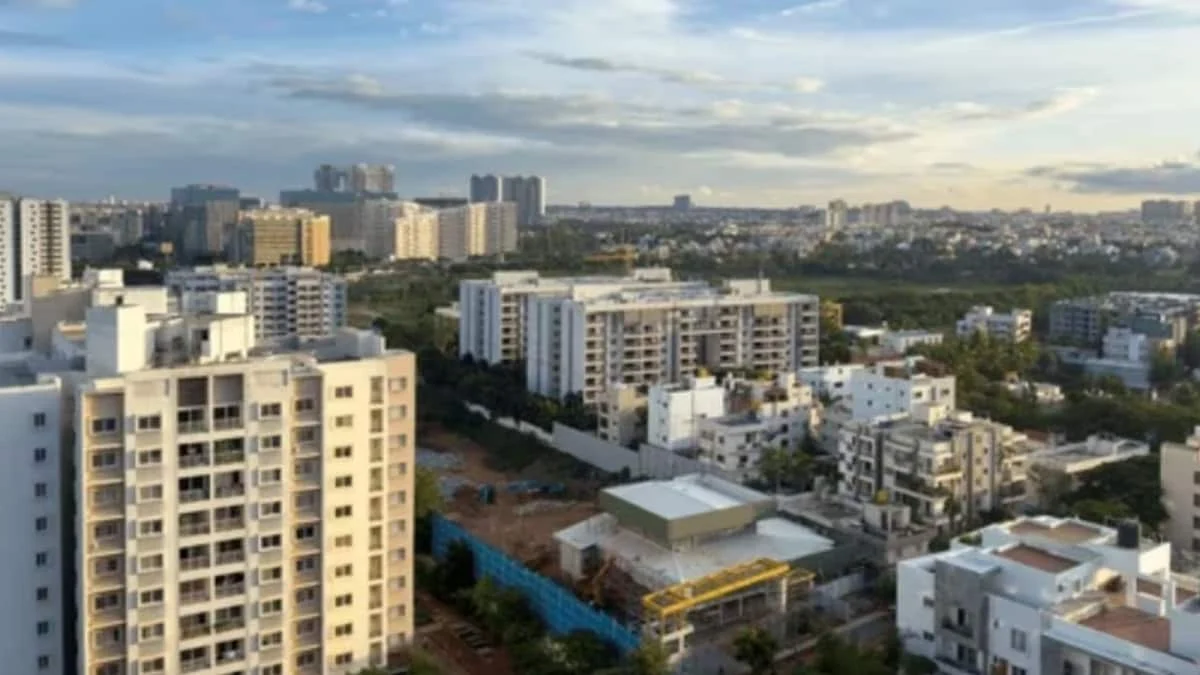
BENGALURU – In a landmark move for India’s technological capital, the Bruhat Bengaluru Mahanagara Palike (BBMP) has officially transitioned to a fully digital property record system, allowing over 1.3 million property owners to download their e-Khata documents online. By leveraging the Self-Assessment Scheme (SAS) Property Tax ID, the initiative marks a decisive shift away from the era of manual record-keeping, bureaucratic bottlenecks, and the pervasive influence of intermediaries in the real estate sector.
The rollout, which covers all five city corporations within the Greater Bengaluru Area, is being hailed as a major milestone in the "Digital India" mission. As of April 30, 2026, the system has demonstrated unprecedented efficiency, significantly reducing the time required for property verification and document procurement.
Main Facts: A New Era for 13 Lakh Property Owners
The primary objective of the e-Khata initiative is to provide property owners with a "frictionless" experience. For decades, obtaining a Khata—a legal document required for property tax assessment and ownership identification—involved multiple visits to ward offices, extensive physical paperwork, and often, long delays that invited corruption.
Under the new system, the SAS Property Tax ID serves as the master key. Every property owner who has paid their taxes through the online portal since the scheme’s inception now has a digitized record linked to their unique ID.
Key highlights of the new system include:
- Instant Access: Owners can download an "as-is-where-is" version of their e-Khata instantly from the official BBMP portal.
- Proactive Notification: In an effort to increase adoption, the government is pushing direct download links to registered users via SMS and WhatsApp.
- Transparency: Every transaction and download is logged, creating a digital trail that minimizes the risk of fraudulent property transfers or the creation of "fake" Khatas.
- Efficiency: The current processing time for updated e-Khata applications has dropped to an average of just 2.3 days.
Chronology: From Manual Ledgers to the 2026 Digital Milestone
The journey toward a fully digitized property record system in Bengaluru has been a multi-year endeavor, punctuated by several critical phases:
- Pre-2024: The Manual Era: Property records were maintained in physical registers at various ward offices. The "Khata" was a manual certificate and extract that was prone to damage, loss, and unauthorized alterations.
- October 2024: The Launch of e-Khata: The BBMP officially introduced the e-Khata system to replace the manual process. This initial phase involved the massive task of digitizing millions of existing records and integrating them into a centralized database.
- 2025: Integration with KAVERI 2.0: The e-Khata system was integrated with the state’s property registration department (KAVERI 2.0), ensuring that property sales could only be registered if a valid e-Khata existed.
- Early 2026: The SAS ID Linkage: The government streamlined the portal to allow downloads using only the SAS Property Tax ID, eliminating the need for users to remember complex application numbers or search through manual databases.
- April 30, 2026: Full System Maturity: The latest data indicates that the system is now handling hundreds of applications daily with a disposal rate that exceeds the rate of new incoming requests, effectively clearing the historical backlog.
Step-by-Step Guide: How to Download Your e-Khata
The BBMP has simplified the user interface to ensure that even those with limited technical proficiency can navigate the system.
1. Access the Portal:
Property owners must visit the official BBMP e-Khata portal. The website has been optimized for both desktop and mobile viewing.
2. Enter the SAS Property Tax ID:
Users are prompted to enter their 10-digit SAS Property Tax ID. This number is found on any previous property tax receipt.
3. OTP Verification:
To ensure security, the system sends a One-Time Password (OTP) to the mobile number registered in the tax database.
4. View and Download:
Once verified, the property details are displayed. Users can then click on the "Download e-Khata" button. This document is issued on an "as-is" basis, reflecting the current data available in the municipal records.
5. Upgrading for Transactions:
While the basic e-Khata is sufficient for general record-keeping, owners intending to sell or mortgage their property must click on "Update Khata." This requires uploading:
- An Aadhaar-linked E-KYC.
- The latest Sale Deed or Encumbrance Certificate (EC).
- A recent photograph of the property.
Supporting Data: Efficiency Metrics and Disposal Rates
The transition to a digital-first approach has yielded quantifiable improvements in municipal administration. According to the latest data released by the Greater Bengaluru Area authorities, the system’s performance over the last 24-hour cycle illustrates its robustness:
- Daily Application Volume: 130 new applications for e-Khata updates were received.
- Daily Disposal Volume: 399 cases were successfully processed and cleared in the same period. This high disposal-to-application ratio (nearly 3:1) indicates that the BBMP is aggressively tackling the backlog of pending requests from the transition period.
- Average Processing Time: The system now boasts an average turnaround time of 2.3 days. This is a stark contrast to the manual era, where a Khata transfer could take anywhere from 30 to 90 days.
- User Reach: Nearly 13 lakh (1.3 million) property owners are currently eligible for the instant download facility, representing the vast majority of the city’s tax-paying base.
Official Responses: The "Auto-Approval" Safety Net
The driving force behind this digital push is Munish Moudgil, a senior official within the Greater Bengaluru Area administration. Moudgil has been a vocal advocate for removing human discretion—and thereby potential corruption—from the administrative process.
In a recent statement, Moudgil emphasized a revolutionary "Auto-Approval" mechanism designed to hold officials accountable. "If a final e-Khata application is not processed within five working days by the designated officer, the system is programmed to automatically grant approval," Moudgil stated.
This policy shift is significant because it flips the burden of administrative delay. In the past, a citizen had to follow up repeatedly to move a file; now, if the government fails to act within a week, the citizen receives their document by default. This mechanism is expected to virtually eliminate "rent-seeking" behavior by junior officials.
Moudgil further clarified that the "as-is-where-is" e-Khatas are intended to provide immediate peace of mind to owners, while the more rigorous update process ensures that the city’s master database becomes increasingly accurate over time.
Implications: Fraud Prevention and Real Estate Transparency
The implications of a fully functional e-Khata system extend far beyond simple convenience. The real estate sector in Bengaluru, often plagued by "double registrations" and "B-Khata" (non-standardized) property disputes, stands to gain immense stability.
1. Elimination of Fraud
By linking the e-Khata to Aadhaar and the KAVERI 2.0 registration system, the possibility of impersonation or selling the same property to two different buyers is nearly eliminated. The digital record acts as a "Single Source of Truth."
2. Boosting Property Values and Liquidity
Properties with a clean, updated e-Khata are significantly easier to sell and mortgage. Banks and financial institutions can now verify property records in real-time, leading to faster home loan approvals and reduced legal due diligence costs for buyers.
3. Enhanced Revenue Collection
For the BBMP, the digitization of Khatas is inextricably linked to property tax collection. By making the e-Khata dependent on the SAS Tax ID, the city ensures that property owners remain up-to-date with their tax obligations to access their ownership documents.
4. Urban Planning and Infrastructure
With a precise, digital map of ownership across the five city corporations, urban planners can better allocate resources, manage waste, and plan infrastructure projects. The data gathered through e-Khata updates—including property photos and geographic markers—provides a granular view of the city’s growth.
5. Impact on Developers
For real estate developers, the system reduces the "soft costs" of projects. Faster approvals for Khata transfers for large land parcels mean that projects can move from the planning stage to the construction stage months earlier than before.
Conclusion: A Template for Urban India
Bengaluru’s successful implementation of the e-Khata system serves as a blueprint for other Indian metros struggling with antiquated land records. By combining a user-friendly digital portal with strict administrative deadlines and "auto-approval" policies, the Greater Bengaluru Area has demonstrated that technology can indeed bridge the gap between the citizen and the state.
As the city moves toward a future of fully integrated "Smart Governance," the 13 lakh property owners now holding digital Khatas represent a new era of empowered, tech-savvy urban residents. While challenges remain—specifically in migrating older "B-Khata" properties into the digital mainstream—the current trajectory suggests that Bengaluru’s property market is on its way to becoming one of the most transparent and efficient in South Asia.
