

New Delhi – For home cooks and professional chefs alike, the pungent aroma of freshly minced garlic and sautéed onions is the hallmark of a flavorful meal. However, that same aroma becomes a source of frustration when it lingers on the skin hours—or even days—after the dishes have been cleared. While traditional soap and water often fail to dislodge these stubborn sulfuric compounds, a simple, scientifically-backed kitchen hack is gaining renewed attention: the use of stainless steel.
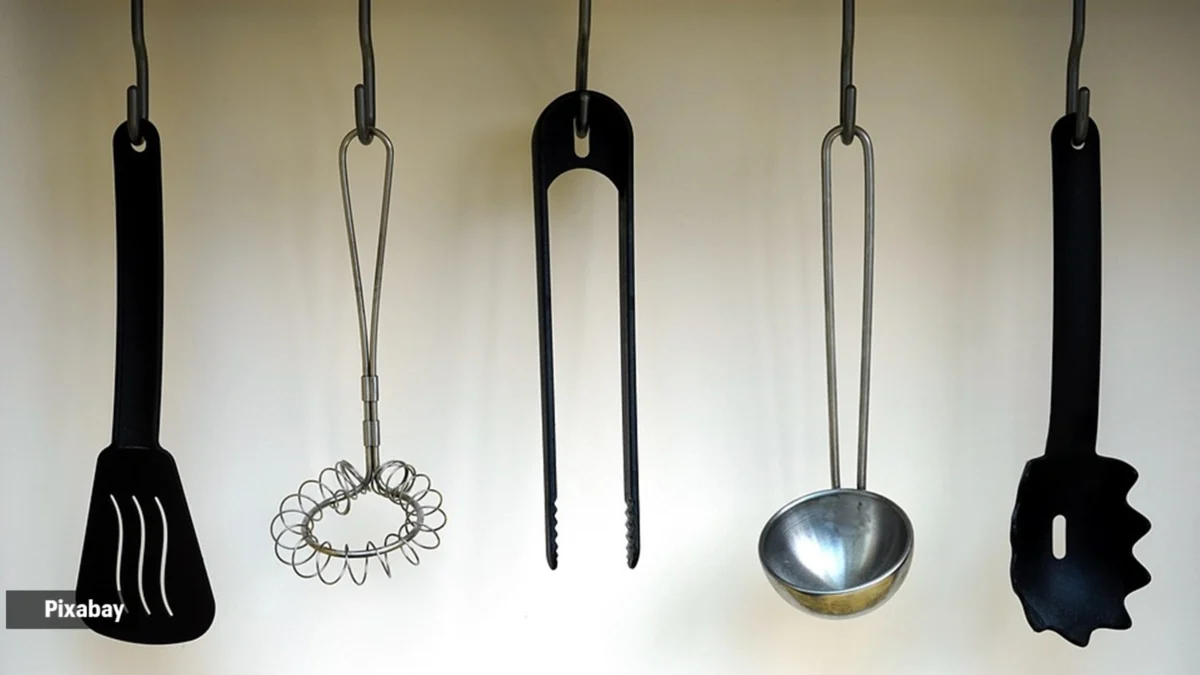
In an era where high-tech kitchen gadgets dominate the market, the most effective solution for "garlic hands" may already be sitting in your utensil drawer. By simply rubbing one’s hands against a stainless steel ladle, spoon, or even the side of a kitchen sink under running water, the chemical bond between the skin and the odor-causing molecules can be effectively severed.
Main Facts: The Stainless Steel Phenomenon
The use of stainless steel as a de-odorizer is a well-known secret in professional culinary circles, yet the science behind it remains a mystery to many casual cooks. The process does not involve a traditional cleaning agent or abrasive scrub. Instead, it relies on a specific chemical reaction between the metal and the volatile compounds found in the allium family of vegetables.
The Problem: Sulfur Compounds
When onions, garlic, or leeks are cut, they release an enzyme called alliinase, which converts alliin into allicin. This further breaks down into various organosulfur compounds. These molecules are designed by nature to be potent; they are the plant’s defense mechanism against predators. Unfortunately for the cook, these compounds are also highly "sticky" at a molecular level, binding tightly to the proteins in human skin and resisting the surfactant properties of standard dish soap.
The Solution: Molecular Neutralization
The "hack" is deceptively simple. By rubbing the affected skin against a stainless steel object—most commonly a ladle or a large spoon—while rinsing with cool water, the odor is neutralized. This is not a mechanical removal (like scrubbing away dirt) but a chemical one. The chromium in the stainless steel reacts with the sulfur molecules, pulling them off the skin and onto the metal, where they are then washed away by the water.
Chronology: From Ancient Aromatics to Modern Chemistry
To understand why we are still searching for ways to remove these smells in 2026, one must look at the history of these ingredients and the evolution of kitchen hygiene.
1. The Historical Dominance of Alliums
For thousands of years, onions and garlic have been the bedrock of global gastronomy. From the medicinal uses in Ancient Egypt to the foundational mirepoix of French cuisine and the tadka of Indian cooking, these ingredients are indispensable. However, for much of history, the lingering scent was simply accepted as a byproduct of the craft.
2. The Rise of Stainless Steel (Early 20th Century)
Stainless steel became a staple of the modern kitchen in the early 1900s due to its resistance to corrosion. It wasn’t until several decades later that chefs began to notice a curious side effect: those who handled stainless steel equipment frequently seemed to have less "scented" hands than those using wooden or ceramic tools.
3. The Digital Resurgence
The "stainless steel hack" has seen a massive resurgence in the 2020s, driven by social media platforms and culinary influencers. What was once passed down via word-of-mouth in busy restaurant kitchens has now become a viral sensation, leading to the manufacturing of "stainless steel soap"—bars of metal shaped like soap specifically designed for this purpose.
Supporting Data: The Science of the Reaction
The effectiveness of this method is rooted in inorganic chemistry. Stainless steel is an alloy of iron that contains at least 10.5% chromium. This chromium content is what gives the metal its "stainless" properties.
The Role of Chromium Oxide
On the surface of any stainless steel object is a microscopic, "passive" layer of chromium oxide. This layer is what prevents the iron from rusting. When you rub your hands against the steel, this chromium oxide layer interacts with the sulfur compounds (such as dimethyl trisulfide) that have bonded to your skin.
Why Soap Fails
Standard soaps are designed to surround and lift oils and fats (lipids). While some of the oils from the onion are removed by soap, the sulfur compounds themselves are not always lipid-soluble. They form a coordinate covalent bond with the skin’s proteins. Water alone cannot break this bond, and soap is often too weak. The metal acts as a catalyst, providing a more attractive bonding site for the sulfur than the human skin provides.

Timing and Technique
Data from culinary experts suggest that the reaction is not instantaneous. For maximum efficacy, the following parameters are recommended:
- Duration: 30 to 60 seconds of continuous contact.
- Medium: Running water is essential, as it acts as a solvent to carry the neutralized molecules away.
- Surface Area: Using a larger object, like a ladle or the basin of the sink, provides more surface area for the chemical reaction to occur.
Official Responses: Expert Insights
Prominent culinary figures have weighed in on the validity of this method, confirming that it is more than just a "kitchen myth."
Chef Shipra Khanna, a celebrated culinary expert and winner of MasterChef India, has been a vocal proponent of the technique. According to Khanna, the chemistry is undeniable. "Onion and garlic release sulfur compounds when cut, which binds to the skin and causes the lingering smell," she explains. "These sulfur compounds produce a pungent odor that stays on your hands regardless of how much soap you use."
Khanna emphasizes the specific role of the alloy’s composition. "When you rub your hands against stainless steel under running water, the chromium in the steel reacts with the sulfur compounds. This reaction neutralizes the odor-causing molecules, effectively reducing or eliminating the smell. Stainless steel is particularly effective due to its smooth surface and unique composition."
Other experts suggest that while stainless steel is the "gold standard" for odor removal, it is part of a broader toolkit of kitchen hygiene. Professional kitchen managers often train staff in these "passive" cleaning methods to ensure that the strong scents of prep work do not interfere with the delicate aromatics of plating and service.
Implications: Hygiene, Commerce, and Alternative Methods
The validation of the stainless steel hack has several implications for the modern consumer and the culinary industry.
The "Stainless Steel Soap" Market
The recognition of this chemical reaction has birthed a niche industry. Retailers now sell "stainless steel soap bars"—ergonomically shaped pieces of metal that retail for anywhere from $5 to $20. While these products are effective, experts note that they are functionally identical to any stainless steel spoon or ladle already present in the home. The commercialization of the hack highlights a consumer preference for specialized tools, even when a common utensil would suffice.
Alternative Home Remedies
While stainless steel is highly effective, it is not the only method available. Chef Khanna and other experts point to several alternatives, each with its own pros and cons:
- Lemon Juice: The citric acid in lemon juice can break down the oils and neutralize the alkaline nature of some odor compounds. However, as Khanna warns, "Ensure you don’t have any cuts or open wounds to avoid the stinging sensation."
- Coffee Grounds: Used coffee grounds act as both a physical exfoliant and an absorbent. The nitrogen in the grounds helps neutralize odors, though this method can be messy and may leave a faint coffee scent.
- Salt and Baking Soda: A paste made of salt and baking soda can provide mechanical scrubbing power to lift the sulfur compounds. However, this can be abrasive and drying to sensitive skin.
Impact on Domestic Labor
The democratization of these "hacks" through digital media has significant implications for home cooks. By reducing the "penalty" of cooking with fresh ingredients (the lingering smell), these tips may encourage more frequent home cooking and the use of fresh rather than pre-processed aromatics.
Sustainability
From an environmental perspective, the stainless steel method is remarkably sustainable. It requires no chemical detergents, produces no plastic waste from soap bottles, and the "tool" (the spoon or ladle) lasts a lifetime. In a world increasingly focused on reducing chemical footprints, these "physical" cleaning methods represent a return to simpler, more efficient household management.
Conclusion
The kitchen is as much a laboratory as it is a place of creation. The lingering scent of garlic and onions, once thought to be an inescapable part of the cooking process, is ultimately just a matter of chemistry. By understanding the relationship between sulfur and chromium, cooks can navigate the preparation of the world’s most flavorful ingredients without the social stigma of "garlic hands." Whether using a high-end stainless steel "soap" or a humble soup spoon, the science remains the same: the metal provides the bridge that allows us to enjoy the flavors of the kitchen while leaving the odors behind at the sink.
