


By Investigative Desk
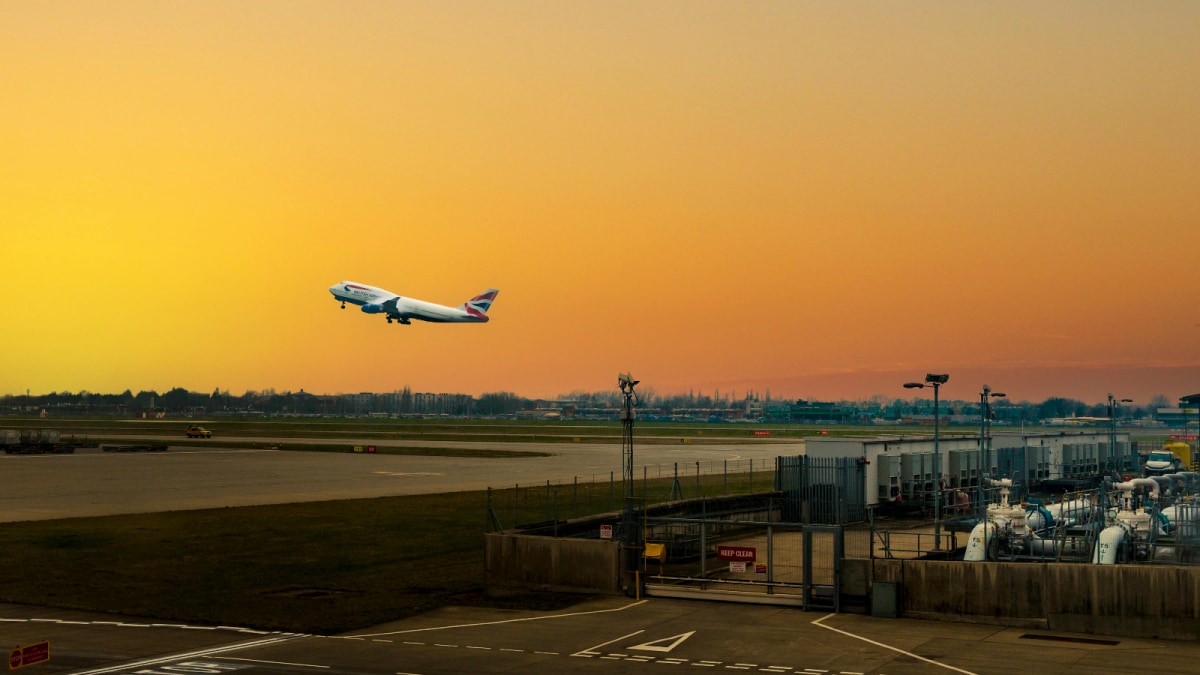
As the global community grapples with the escalating climate crisis, a new and comprehensive study has cast a stark spotlight on the aviation industry’s environmental toll. According to a recent report by the global affairs thinktank ODI Global, the world’s leading 1,300 airports collectively generated a staggering 1,026 million tonnes of carbon dioxide (CO2) in 2023 alone. This carbon output, facilitated by 34.6 million flights, underscores a widening gap between the industry’s "Net Zero" promises and the operational reality of a world in motion.
In a particularly significant revelation for South Asia, Indian airports were found to have contributed 27.6 million tonnes of CO2 to this global total. As India continues its trajectory toward becoming the world’s third-largest aviation market, the environmental cost of its rapid infrastructure expansion is becoming impossible to ignore.
Main Facts: The Scale of the 2023 Emission Surge
The ODI Global tracker provides a granular look at the environmental impact of individual aviation hubs, revealing that a small number of "super-hubs" are responsible for a disproportionate share of global emissions. The total 1,026 million tonnes of CO2 recorded in 2023 represents more than the annual emissions of many industrialized nations.
Key findings from the report include:
- The Concentration of Pollution: The top 10 most polluting airports alone contribute nearly 20% of the total emissions tracked, largely due to their roles as transit points for fuel-intensive, long-haul international flights.
- The Hub-and-Spoke Reality: Airports that function as primary connection points between continents—such as Dubai, London, and Singapore—face the highest carbon footprints.
- India’s Footprint: Indian airports, led by Delhi’s Indira Gandhi International and Mumbai’s Chhatrapati Shivaji Maharaj International, released 27.6 million tonnes of CO2. While this is lower than the combined totals of the US or Europe, it represents one of the fastest-growing emission profiles in the world.
- Cargo vs. Passengers: While passenger travel is the primary driver of emissions, the report highlights that cargo-heavy hubs like Hong Kong and Incheon maintain high CO2 levels even when passenger numbers fluctuate.
Chronology: The Post-Pandemic Rebound and the Efficiency Gap
The trajectory of aviation emissions has undergone a dramatic shift over the last five years. To understand the 2023 data, one must look at the timeline of the industry’s recovery and the subsequent failure to decouple growth from carbon output.
2020–2021: The Artificial Lull
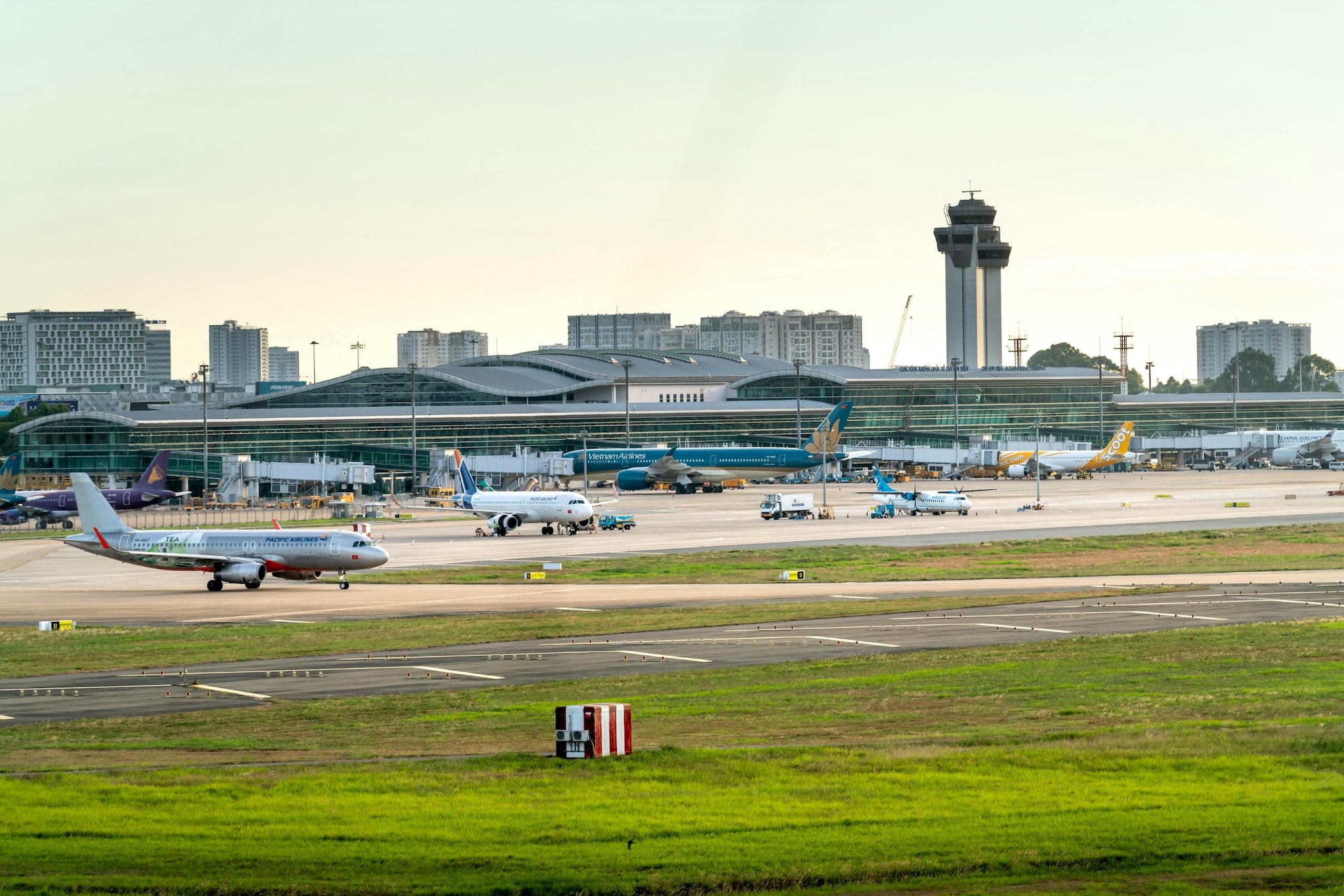
During the height of the COVID-19 pandemic, global aviation emissions plummeted as borders closed. This period led many to believe that the industry would "build back greener." However, the infrastructure remained unchanged, and the reliance on fossil-fuel-powered jet engines persisted.
2022: The Year of "Revenge Travel"
As restrictions lifted, a phenomenon known as "revenge travel" took hold. Airlines prioritized capacity over fuel efficiency to meet the sudden surge in demand. Short-haul flights within Europe and North America returned to pre-pandemic levels, while long-haul routes began to stabilize.
2023: The New Peak
2023 marked the year when international travel fully normalized. The ODI Global report captures this peak, showing that the 34.6 million flights taken in 2023 were not only more frequent but often utilized older, less efficient aircraft that had been brought out of storage to meet demand.
2024–2026: The Expansion Phase
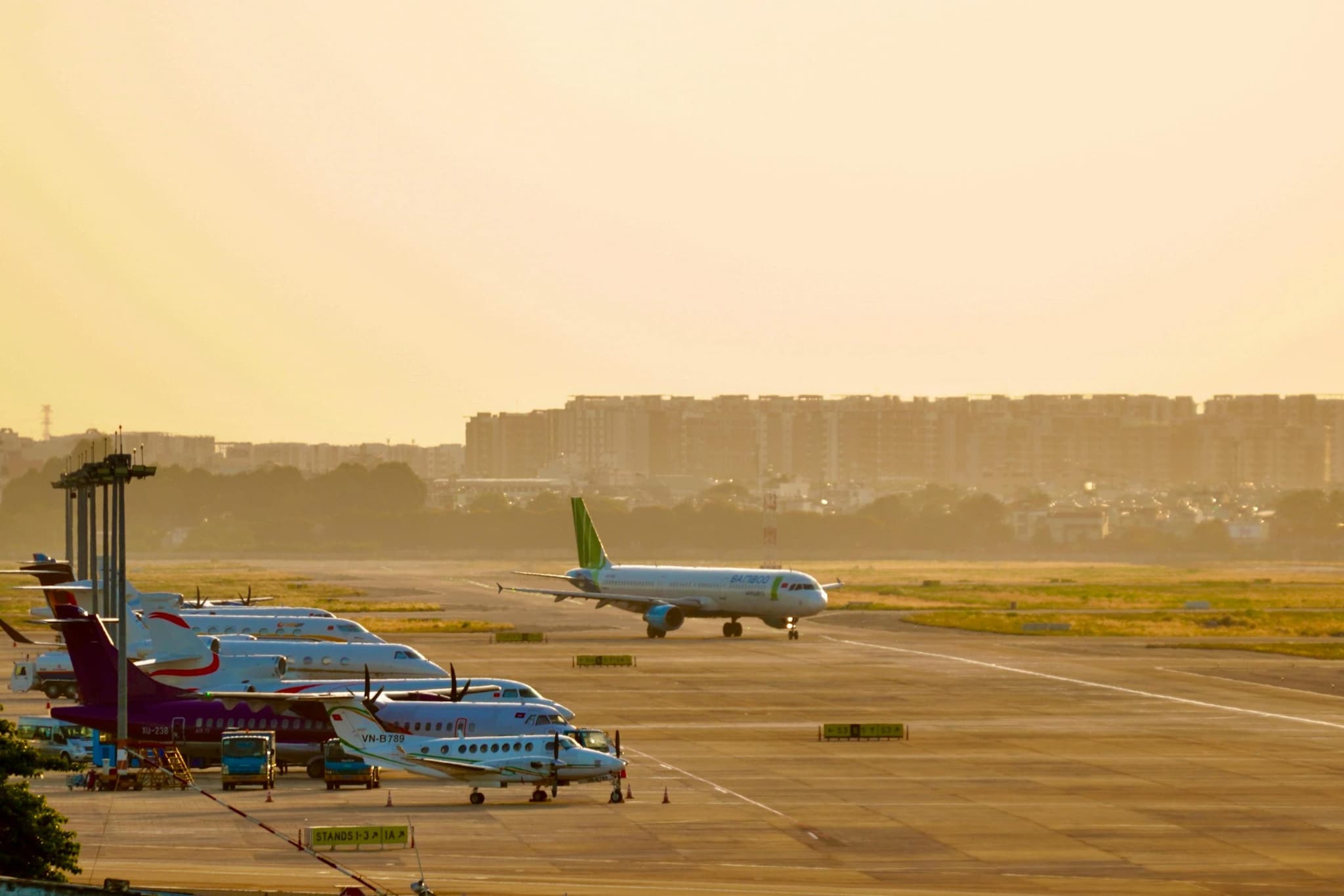
The current period, as reflected in the May 2026 update of the tracker, shows that despite advancements in Sustainable Aviation Fuel (SAF), the sheer volume of flights has neutralized the gains made through technological efficiency. In India, the commissioning of new airports like Noida International and Navi Mumbai suggests that the 27.6 million tonne figure is likely a baseline that will rise significantly by the end of the decade.
Supporting Data: Profiling the Top 10 Most Polluted Airports
The ODI Global study ranks the world’s airports based on their total carbon output. The data reveals that geographical location and airline business models are the primary determinants of an airport’s pollution levels.
1. Dubai International (DXB) – 23.2 Million Tonnes
Dubai International remains the world’s most polluting airport. As the primary hub for Emirates, DXB specializes in ultra-long-haul travel. Because aircraft burn the most fuel during takeoff and while carrying the heavy fuel loads required for 12-to-16-hour flights, DXB’s "super-hub" status makes it a carbon behemoth.
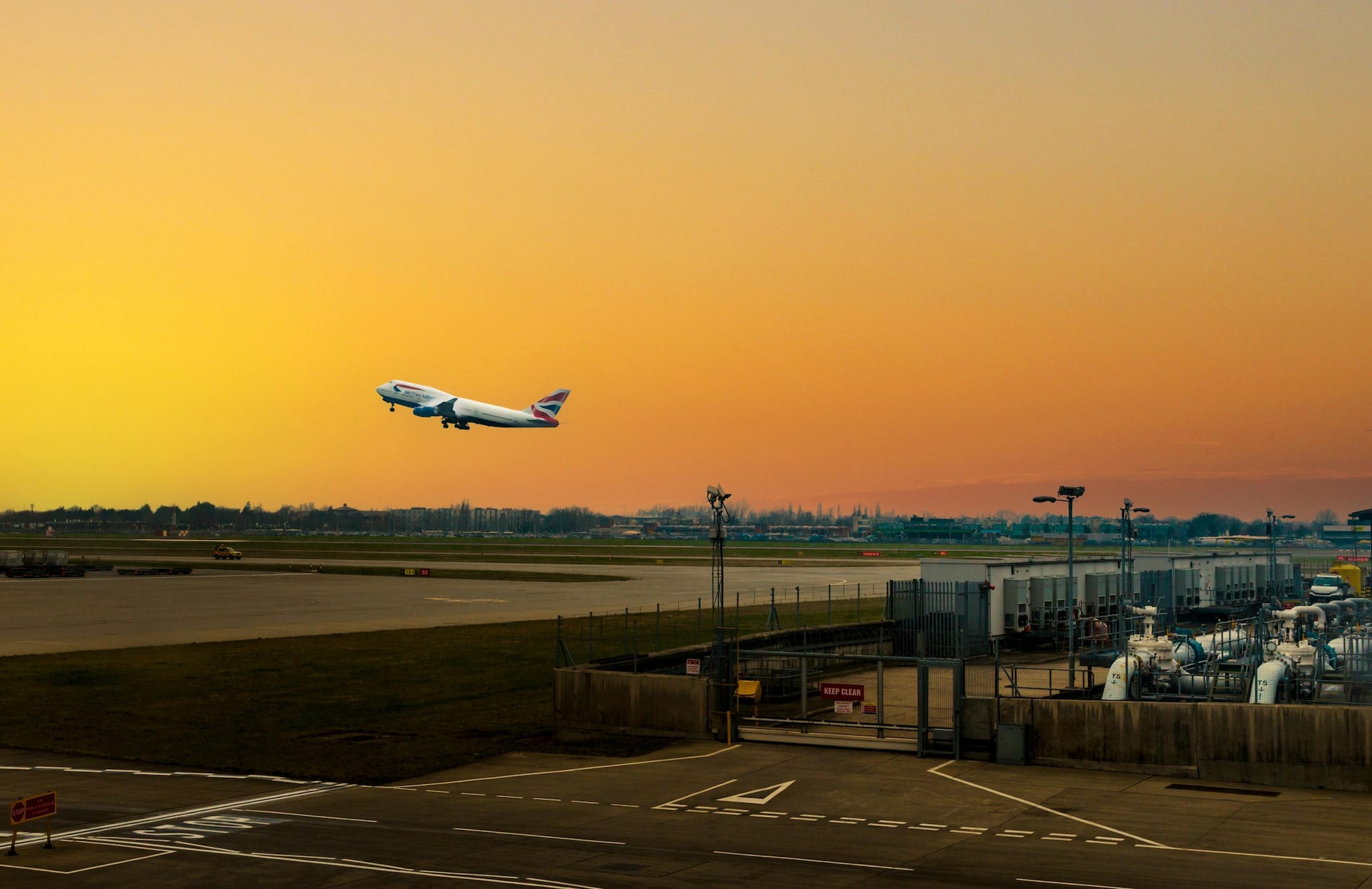
2. London Heathrow (LHR) – 21.0 Million Tonnes
Heathrow is Europe’s carbon epicenter. Despite the UK’s stringent climate targets, Heathrow’s reliance on trans-Atlantic traffic—one of the most carbon-heavy flight corridors in the world—keeps its emissions at record highs.
3. Los Angeles International (LAX) – 18.8 Million Tonnes
LAX serves as the gateway to the Pacific Rim. Its emissions are driven by a high volume of heavy wide-body aircraft arriving from Asia and a constant stream of domestic transcontinental flights to the US East Coast.
4. Seoul Incheon (ICN) – 16.8 Million Tonnes
Incheon has emerged as a major East Asian transit point. Its high emissions are bolstered by its dual role as a massive passenger hub and one of the world’s largest cargo gateways, requiring massive energy for terminal operations and freight logistics.
5. New York John F. Kennedy (JFK) – 16.8 Million Tonnes
Tied with Incheon, JFK is the primary international gateway for the US East Coast. The airport hosts a high concentration of older wide-body aircraft operated by international carriers, which contribute significantly to its 16.8 million tonne output.
6. Hong Kong International (HKG) – 15.1 Million Tonnes
HKG’s ranking is unique because it is sustained largely by its status as the world’s busiest cargo airport. Dedicated freight aircraft are often older and less fuel-efficient than modern passenger jets, leading to higher emissions per mile.
7. Paris Charles de Gaulle (CDG) – 14.7 Million Tonnes
As the base for Air France, CDG suffers from a high frequency of short-haul European connections combined with heavy international routes, creating a dense concentration of CO2 and nitrogen oxides.
8. Frankfurt Airport (FRA) – 14.4 Million Tonnes
Frankfurt is Germany’s primary hub and a central pillar for Lufthansa. Its emissions are driven by significant freight operations and a high volume of connecting flights across Central Europe.
9. Singapore Changi (SIN) – 14.3 Million Tonnes
Changi’s role in the "Kangaroo Route" (Europe to Australia) necessitates flights with massive fuel loads. The energy required to lift these aircraft contributes to its position in the top 10.
10. Doha Hamad (DOH) – 14.0 Million Tonnes
Much like Dubai, Doha’s emissions are fueled by Qatar Airways’ business model of long-distance international transfers, serving as a bridge between the Global North and South.

Official Responses: Industry Defenses and "Net Zero" Skepticism
In response to the ODI Global report, industry bodies such as the International Air Transport Association (IATA) and Airports Council International (ACI) have pointed to their commitment to reaching Net Zero by 2050. However, environmental advocates argue that these goals rely too heavily on future technologies that are not yet scalable.
The Industry Stance:
Airlines argue that the responsibility for emissions lies not with the airports themselves, but with the lack of government investment in Sustainable Aviation Fuel (SAF). "Airports are ground infrastructure. We are making our terminals carbon-neutral through solar power and electric ground vehicles," a spokesperson for a major European hub stated. "But we cannot control the fuel the airlines burn in the sky."
The Indian Perspective:
The Ministry of Civil Aviation in India has highlighted its "Green MoCA" initiative, noting that several Indian airports, including Delhi and Mumbai, have achieved Level 4+ Carbon Accreditation. However, critics point out that these accreditations often only cover "Scope 1 and 2" emissions (ground operations) while ignoring the "Scope 3" emissions (the actual flights), which constitute over 95% of an airport’s total environmental impact.
Implications: The High Cost of Connectivity
The findings of the ODI Global report have profound implications for global climate policy and the future of travel.
1. Regulatory Pressure and "Green Taxes"
The data is expected to fuel calls for more aggressive taxation on frequent flyers and long-haul routes. In Europe, there is already talk of a "kerosene tax," and this report provides the empirical evidence needed to push such legislation through.
2. The Technological Mirage
The report underscores that current technological solutions—such as electric planes or hydrogen-powered aircraft—are decades away from handling the long-haul routes that generate the bulk of the 1,026 million tonnes of CO2. This suggests that the only way to significantly reduce emissions in the short term is to reduce the volume of flights.

3. Public Health Concerns
Beyond CO2, the concentration of flights at these 10 hubs leads to high levels of nitrogen oxides (NOx) and particulate matter, affecting the respiratory health of millions of people living in the "airport basins" of cities like London, Paris, and Delhi.
4. The Moral Dilemma of Growth
For emerging economies like India, the report poses a difficult question: How can a nation lift its population into the middle class and improve connectivity without contributing to a global climate catastrophe? With 27.6 million tonnes already being released, India’s path toward 100+ million tonnes by 2040 seems inevitable unless a radical shift in aviation propulsion occurs.
Conclusion
The ODI Global tracker serves as a sobering reminder that the "golden age of travel" comes with a heavy environmental price tag. As 1,300 airports continue to facilitate the movement of billions of people, the resulting 1 billion tonnes of CO2 remains one of the most stubborn obstacles in the race to stabilize the Earth’s climate. Without a fundamental restructuring of how we fly—and how often—the "super-hubs" of today will remain the primary polluters of tomorrow.
