

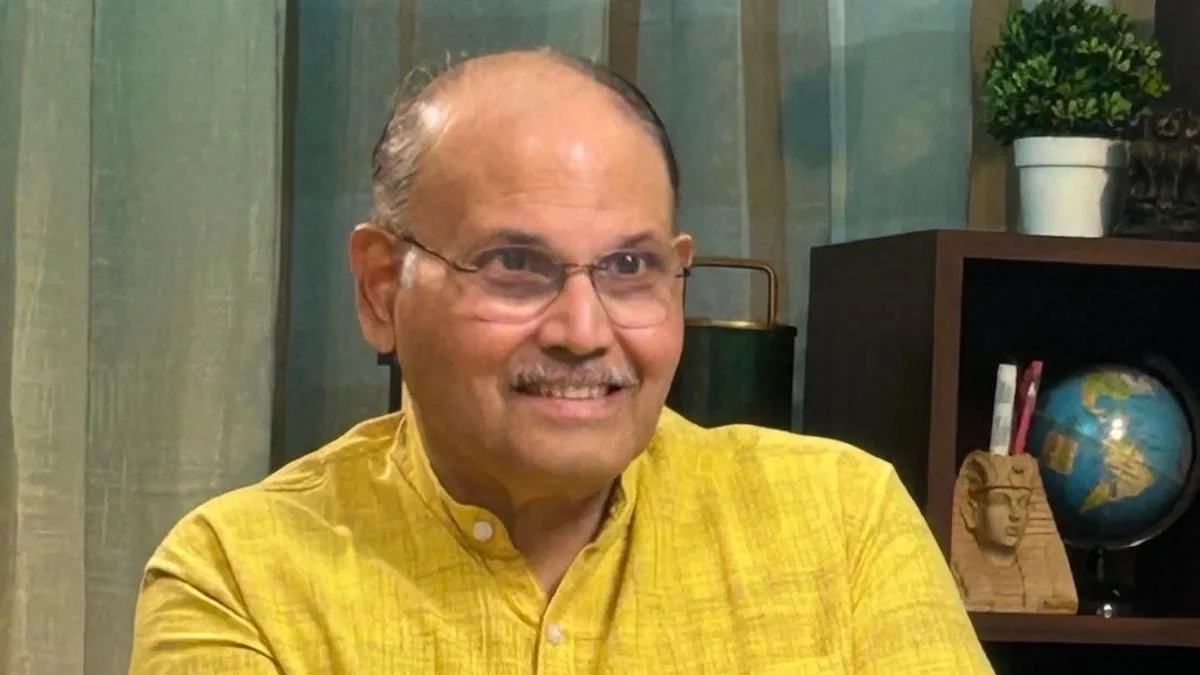
MUMBAI – The medical and cultural landscape of Maharashtra mourns the loss of one of its most profound thinkers. Dr. Anand Nadkarni, the pioneering psychiatrist, prolific author, and founder of the Institute for Psychological Health (IPH), passed away in the early hours of Friday, May 15, 2026. He was 66.
Dr. Nadkarni, who had been battling a serious illness for several months, breathed his last at a private hospital in Mumbai. He is survived by his wife and son. His passing marks the end of an era in community mental health, leaving behind a vacuum in the fields of psychiatry, literature, and social activism that he so uniquely bridged for over four decades.
The Final Journey: A Medical Timeline
The news of Dr. Nadkarni’s demise came as a shock to the thousands of patients and students who viewed him as a beacon of hope. Despite his age and childhood health challenges, he had remained active until very recently.
In March 2026, Dr. Nadkarni was diagnosed with a pancreatic neuroendocrine tumor. Demonstrating the same pragmatism he preached to his patients, he underwent a complex surgical procedure on May 6 at Global Hospital in Mumbai. While the initial post-operative recovery appeared promising, complications arose on the night of May 13.
According to medical reports, Dr. Nadkarni suffered from a bout of vomiting which led to aspiration pneumonia—a condition where stomach contents enter the lungs. Simultaneously, a perforation was detected in his intestine, necessitating an emergency second surgery that same night. Though he showed signs of stabilization immediately following the intervention, his condition deteriorated rapidly on Thursday night, May 14. He passed away on Friday morning, surrounded by family and close colleagues.
His remains were transported to his residence in Thane’s Samatanagar area before being cremated in Thane, the city that served as the primary laboratory for his social and medical experiments.
Chronology of a Resilient Life: From Polio to Gold Medals
Born on December 22, 1958, Anand Nadkarni’s life was a testament to the triumph of the human spirit over physical limitations. At a young age, he contracted polio, a challenge that resulted in lifelong physical hurdles. However, he often cited this early encounter with disability as the catalyst for his deep empathy toward human suffering.
Raised in an academic environment—his father was a respected professor and later a college principal—Dr. Nadkarni’s childhood was spent across various towns in Maharashtra, including Jalgaon, Ambejogai, and Vile Parle, before the family settled in Thane.
His academic trajectory was nothing short of stellar:
- Early Education: Completed his schooling and junior college with high honors, eventually earning a science degree from Thane College.
- Medical Training: He joined the prestigious Seth G.S. Medical College (K.E.M. Hospital) in Mumbai, obtaining his MBBS in 1980.
- Specialization: He pursued a Diploma in Psychological Medicine and later an MD in Psychiatry in 1984.
- Academic Excellence: He was the Gold Medalist of Mumbai University in his MD examination, a feat that led to a teaching position at K.E.M. Hospital, where he mentored a generation of young psychiatrists.
The IPH Revolution: Democratizing Mental Health
Perhaps Dr. Nadkarni’s greatest contribution was the founding of the Institute for Psychological Health (IPH) on March 23, 1990. At a time when mental health was shrouded in stigma and psychiatry was largely confined to the walls of "asylums," Dr. Nadkarni envisioned a community-based model.
Based in Thane, IPH was designed to be more than a clinic; it was a movement. Dr. Nadkarni believed that mental health was not merely the absence of illness but the presence of emotional "fitness." Under his leadership, IPH grew into a multi-city institution with branches in Pune and Nashik.
The institute became a recognized educational hub, forging affiliations with prestigious bodies including:
- Mumbai University
- SNDT Women’s University
- Tata Institute of Social Sciences (TISS)
- Amity University
- Indira Gandhi National Open University (IGNOU)
Through IPH, he launched "Jidnyasa," a unique program for adolescent sensitization, and numerous support groups for schizophrenia, Parkinson’s disease, and parental guidance. He successfully shifted the narrative of mental health from "treatment of the mad" to "well-being for all."
Addiction and Rehabilitation: The Muktangan Legacy
Parallel to his work at IPH, Dr. Nadkarni was a cornerstone of the de-addiction movement in India. In the mid-1980s, moved by the plight of youth struggling with "brown sugar" (heroin) addiction on the streets of Mumbai and Pune, he joined forces with social activists to establish the Muktangan Addiction Detoxification and Rehabilitation Centre in Pune.
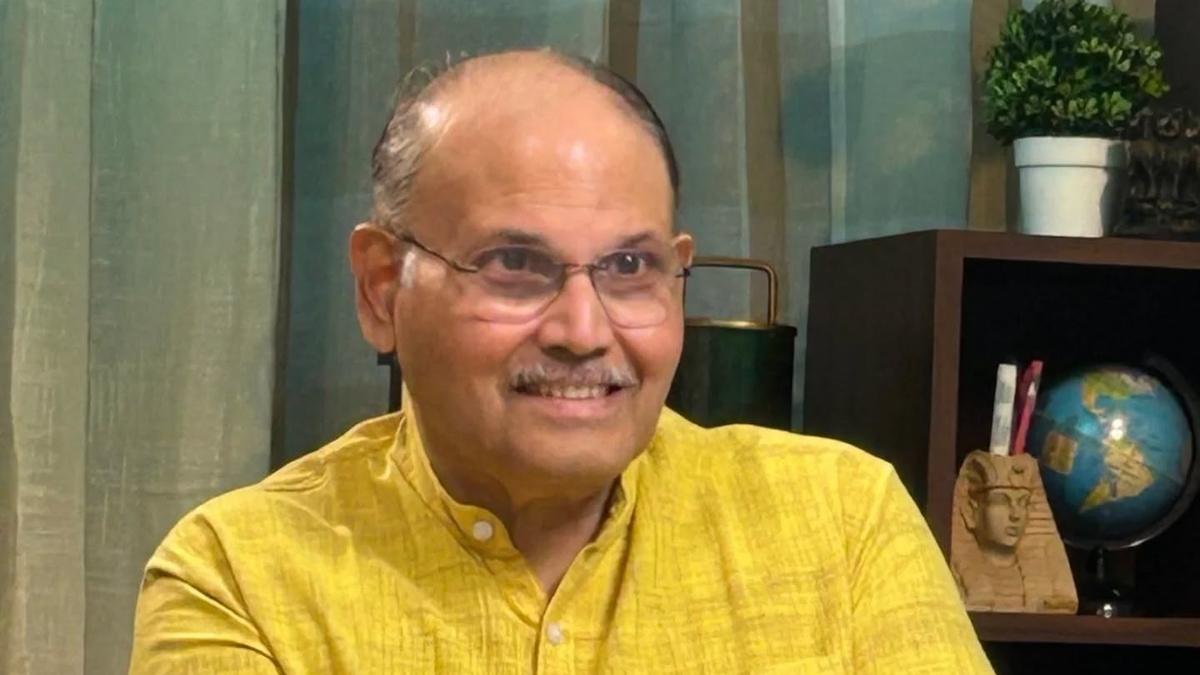
As a founding member and later the President of the "Muktangan Mitra" organization, he helped develop a holistic recovery model that moved away from punitive measures toward psychological rebuilding. His work at Muktangan is credited with rehabilitating thousands of individuals and providing a blueprint for de-addiction centers across the country.
A Literary and Cultural Polymath
Dr. Nadkarni was that rare individual who could dissect a clinical case and a classic poem with equal dexterity. He authored over 27 books, spanning genres from deep psychological treatises to novels and plays.
His literary contributions were not merely hobbies but extensions of his clinical practice. His notable works include:
- "Gadhepanchavishi" and "Vishadayoga": Both received prestigious awards from the Maharashtra State Government.
- "Psychiatrist of the Wise": A critically acclaimed work exploring the intersection of wisdom and mental health.
- "Nature-Vibhava" and "Manogati": Books that simplified complex psychological concepts for the layperson.
- Dramatic Works: He wrote and produced commercial plays such as Rang Maza Wegala and Aseech Amehi Saare. His plays were often used as vehicles for social change, addressing themes of depression, family dynamics, and resilience.
His influence extended to the silver screen as well. He served as a consultant and expert for several award-winning Marathi films, including Kaasav (which dealt with depression), Devrai (schizophrenia), and the biopic Dr. Kashinath Ghanekar. He believed that cinema was the most potent tool to reach the masses and dismantle the walls of stigma.
Digital Pioneer and the COVID-19 Response
When the COVID-19 pandemic struck in 2020, Dr. Nadkarni recognized the impending "mental health shadow pandemic." Despite being in his early 60s, he pivoted to digital platforms with remarkable speed.
Under his guidance, the YouTube channel Avahan IPH became a global resource for the Marathi-speaking diaspora. He conducted over 450 webinars and hundreds of interviews during the lockdown periods, offering free psychological support to those dealing with grief, isolation, and anxiety. His "Health of the Mind" series became a staple for thousands of households.
In recognition of his lifetime of service, he was honored with a Lifetime Achievement Award in 2025, just a year before his passing.
Official Responses and Tributes
The news of his death triggered a wave of tributes from across the political and social spectrum.
The Chief Minister’s Office released a statement noting: "Dr. Anand Nadkarni was not just a doctor; he was a social architect. He taught Maharashtra how to look at mental health with dignity. His contribution to the field of de-addiction has saved an entire generation. The state has lost a compassionate son."
Devendra Fadnavis, who had long admired Dr. Nadkarni’s work (and whose social media platform provided early confirmation of the news), shared: "Deeply saddened by the demise of Dr. Anand Nadkarni. His work in the field of psychological health through IPH and Muktangan is unparalleled. He was a versatile personality—a doctor, writer, and a great communicator. My condolences to his family."
The Medical Brotherhood: Colleagues at K.E.M. Hospital and the Indian Psychiatric Society (IPS) remembered him as a "Gold Medalist in life." Dr. Ashish Deshpande, a fellow psychiatrist, noted, "Anand showed us that a psychiatrist doesn’t just sit in a cabin; he goes to the streets, the theaters, and the bookshelves. He made psychiatry a household term in Maharashtra."
Implications and the Future of IPH
The passing of Dr. Nadkarni leaves a significant challenge for the institutions he built. However, those close to him suggest he had spent the last decade "institutionalizing his vision."
- Continuity of IPH: The Institute for Psychological Health is managed by a robust team of professionals trained under his philosophy of "Rational Emotive Behavior Therapy" (REBT) and community care. The educational programs affiliated with various universities are expected to continue, serving as a living memorial to his academic rigor.
- The Digital Archive: With over 450 webinars and dozens of books, his teachings are preserved for future generations. His family and IPH trustees have indicated that the Avahan IPH platform will continue to disseminate his philosophy.
- Mental Health Policy: Activists argue that the best tribute to Dr. Nadkarni would be the integration of his "Community Mental Health Model" into the state’s public health policy, ensuring that mental health services are accessible at the grassroots level, just as he envisioned in 1990.
Dr. Anand Nadkarni’s journey from a young boy fighting polio in Jalgaon to a visionary who reshaped the mental health landscape of India is a narrative of relentless optimism. He often said, "These days will pass," a phrase that became the title of one of his books. While his days among us have concluded, the mental resilience he instilled in millions ensures that his voice will echo in every counseling room and every household that he helped heal.
His cremation took place Friday evening in Thane, attended by a sea of followers, patients, and literary figures, all gathered to bid farewell to the "Psychiatrist of the Wise."
