

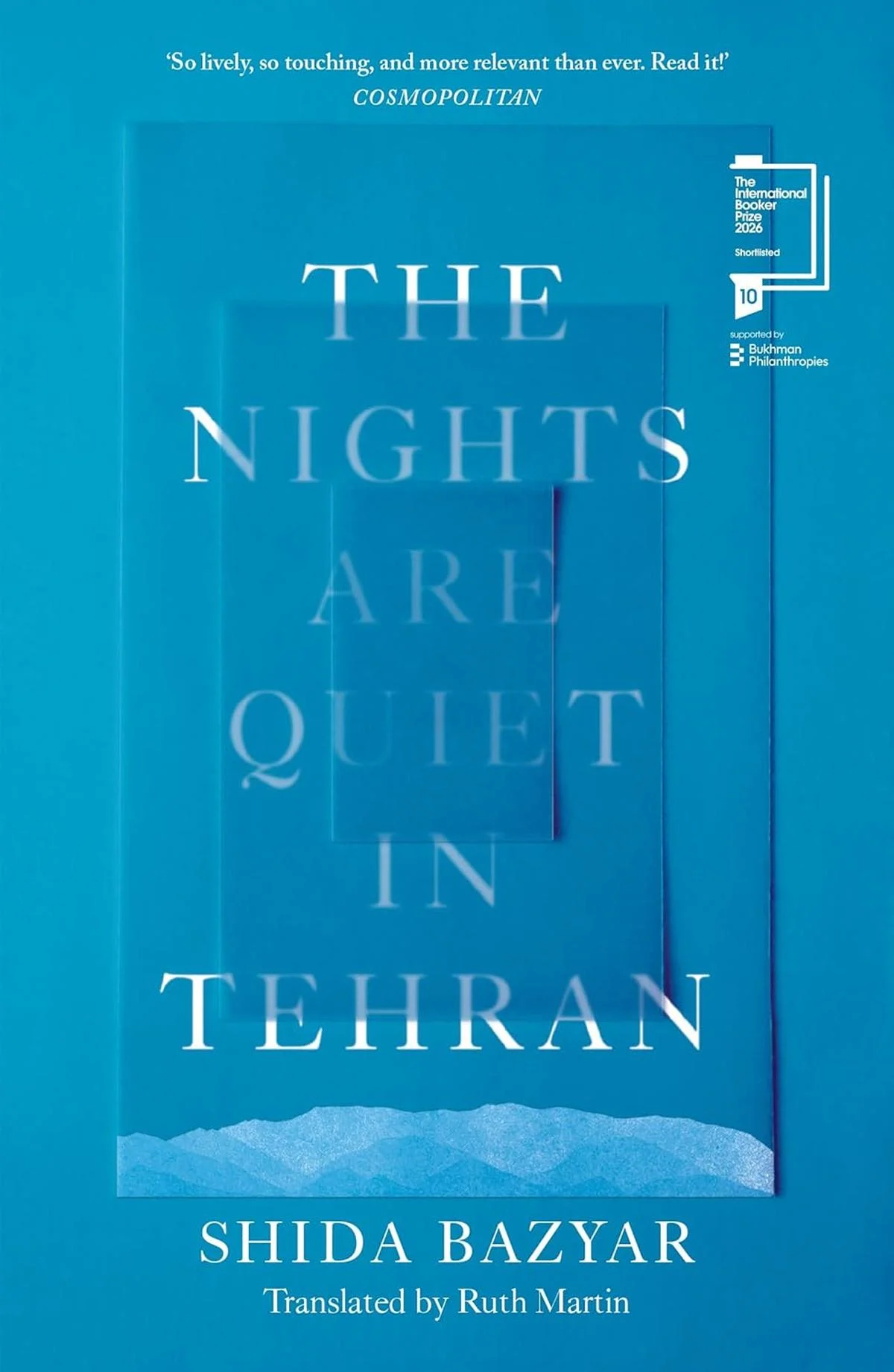
The literary world has recently turned its collective gaze toward a profound narrative of displacement, revolution, and the enduring hauntings of a homeland lost to time. Shida Bazyar’s celebrated novel, The Nights Are Quiet in Tehran, translated with surgical precision from the German by Ruth Martin, has solidified its place as a seminal work of contemporary diaspora literature. Recently shortlisted for the International Booker Prize, the novel serves as a triptych of a family caught between the scorching, revolutionary sun of Iran and the damp, often alienating earth of Germany.
Through a decade-by-decade exploration of a single family’s trajectory, Bazyar archives the silence of elders and the confusion of their children, offering a sanctuary for shared trauma while delivering a searing critique of the political alliances that reshaped the Middle East in the late 20th century.
Main Facts: A Narrative of Three Decades and Two Worlds
The Nights Are Quiet in Tehran is not merely a historical recount; it is a psychological map of exile. The story begins in the feverish atmosphere of 1979 Tehran. Behzad and Nahid, the family’s patriarch and matriarch, are young, idealistic, and "drunk on the prose of Marx and Gorky." As members of a Leftist movement, they believe themselves to be the architects of a new world, instrumental in the toppling of the Shah. However, their triumph is short-lived. The vacuum left by the monarchy is rapidly filled by the Islamic regime of the Ayatollah, transforming the revolutionaries into the hunted.
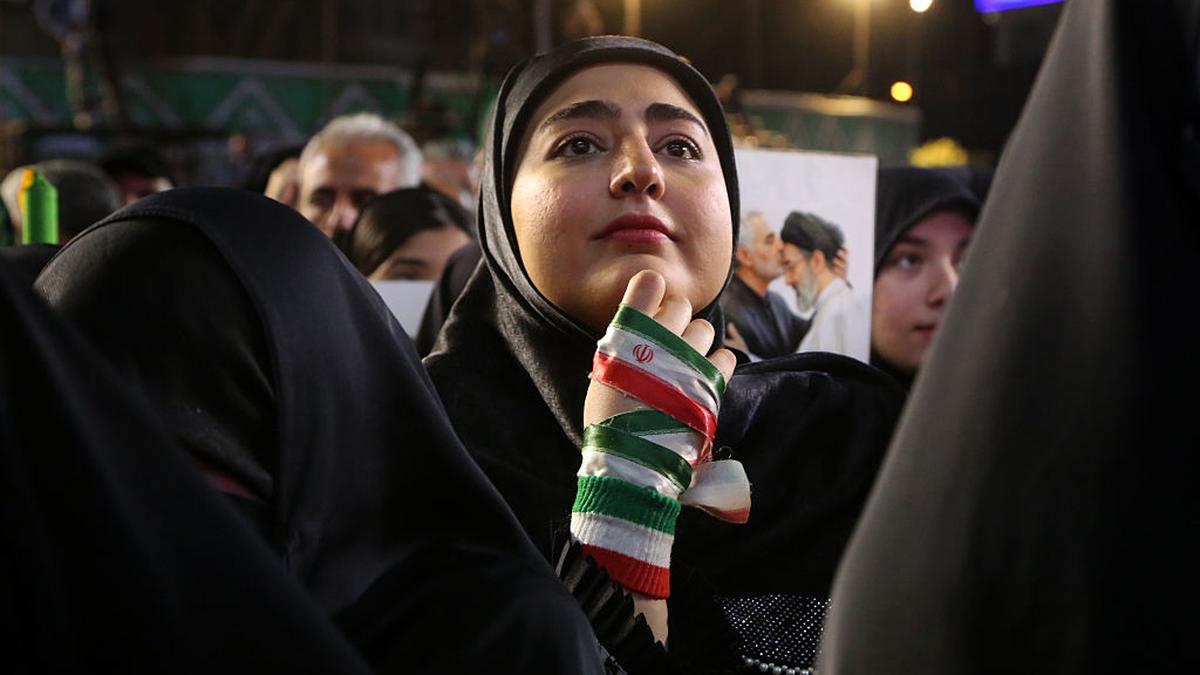
The novel’s recognition by the International Booker Prize committee underscores the global relevance of Bazyar’s themes. By focusing on the domestic space—the "alibi flats" where dissent was whispered and the refugee hostels where identities were shed—the author challenges the Western "outside-in" gaze that often reduces Iranian history to a montage of chanting crowds and burning cars. Instead, Bazyar presents the revolution as an intimate tragedy, one that follows the family across borders from Istanbul to East Berlin, and finally to the clinical suburbs of West Germany.
Chronology: The Decadal Triptych of Displacement
The novel’s structure is its heartbeat, moving through time in ten-year increments to show how the "ghost of revolution" matures alongside the characters.
1979–1989: The Flight and the Shedding of Self
The story opens with the adrenaline of the revolution. Behzad and Nahid are forced to use aliases to survive the purge of Leftists by the new regime. Their journey to Germany is a frantic escape from torture chambers and "parallel hells." By 1989, a decade after the fall of the Shah, we find them in a German refugee hostel. Here, the physical danger has passed, but a new psychological warfare begins. Nahid is seen burning her "counter-revolutionary" books of poetry—a desperate act of protection for those left behind, and a symbolic incineration of her former intellectual self.
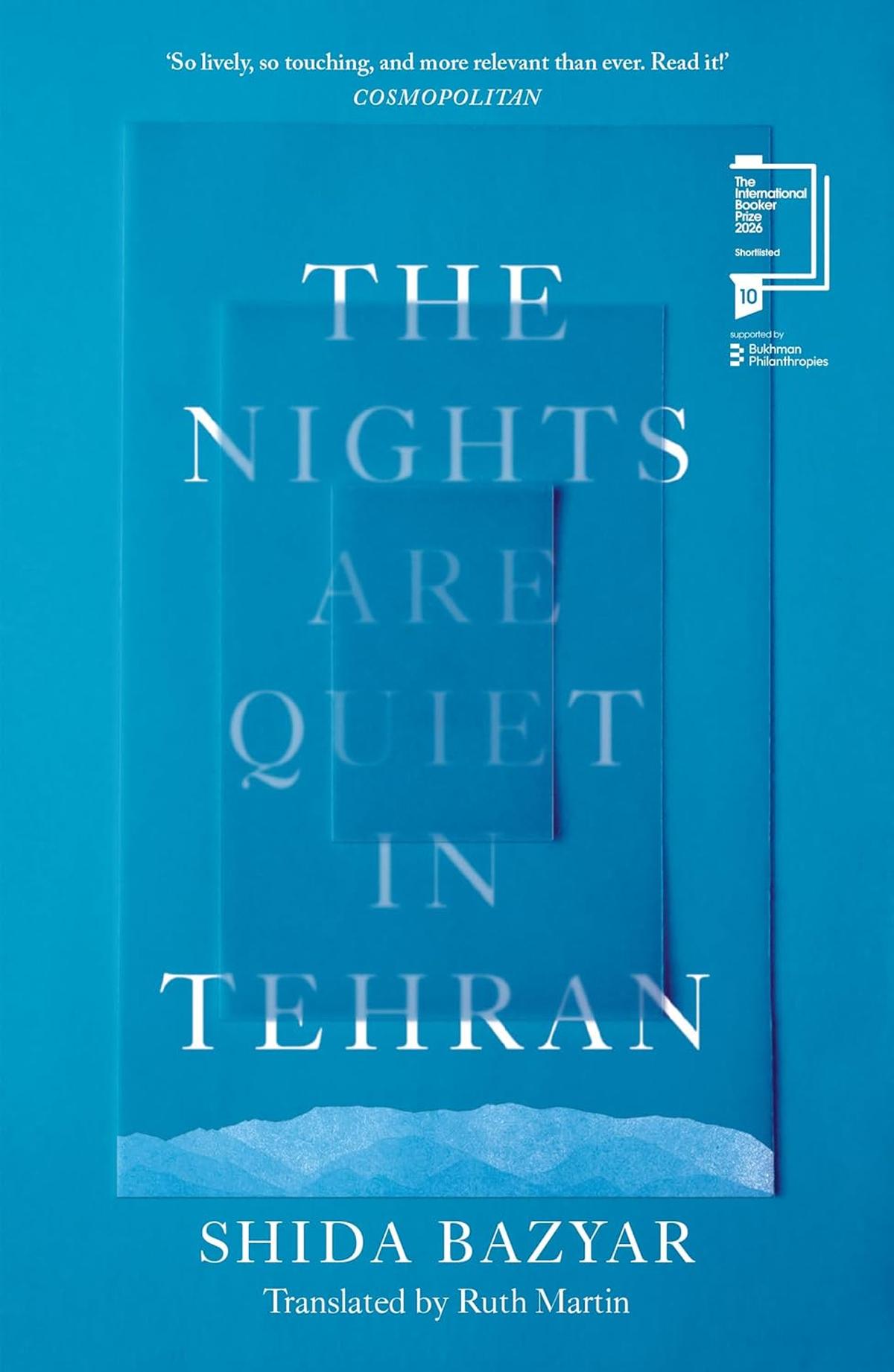
1999: The Return and the Mask
Ten years later, the narrative shifts to a different Iran. Nahid returns to her homeland with her eldest daughter, Laleh. This visit is defined by concealment; they hide behind hijabs and tinted glasses, navigating a city that is both familiar and utterly unrecognizable. The tension of this period highlights the "chagrin of loss" that their intellects had not anticipated. They are tourists in their own history, tethered to a city that no longer exists in the way they remember it.
2009: The Green Movement and Digital Guilt
The third act takes place during the 2009 Green Movement protests. Laleh’s brother, Morad (known as Mo), watches the uprising unfold via YouTube from the safety of Germany. He experiences a profound sense of "crustiness" and embarrassment regarding his student life. While his cousins are being beaten on the streets of Tehran for demanding change, Mo is surrounded by "rich people’s kids" in Germany who protest tuition fees while dancing to drum music. The contrast highlights the disparity between those who have everything to lose and those for whom activism is a lifestyle choice.
2022 and Beyond: The Epilogue of Rage
The novel eventually reaches toward the present day, gesturing toward the "Woman, Life, Freedom" movement that ignited in 2022. This modern uprising, led by the generation of Lalehs and Taras, serves as a bookend to the failed alliances of their parents.

Supporting Data: Themes of Language, Identity, and Microaggression
Bazyar enriches the narrative with specific, often painful details of the immigrant experience in Germany. These elements provide "supporting data" for the psychological weight the characters carry.
- Linguistic Alienation: Language serves as a barrier rather than a bridge. Nahid never fully masters German, leading to a deep-seated insecurity. She expresses the heartbreaking fear that she cannot help her daughter Laleh with homework because she is afraid of "teaching her errors." This linguistic gap creates a rift between the generations, as the children grow up speaking a tongue that remains "clinical" and foreign to the parents.
- The "Musli" Incident: The novel highlights the casual, systemic erasures of identity. In one instance, a school secretary records Laleh’s name as "Musli" in the register, simply because she could not be bothered to finish writing the word "Muslim."
- Post-9/11 Surveillance: The family’s life in Germany is not a simple refuge. After 9/11, the atmosphere shifts. Mo is "continually stopped and searched" at train stations, and a neighbor is filmed as a "potential terrorist." These details ground the novel in the reality of the European diaspora, where the "refugee" label is never truly discarded.
Critical Analysis: Comparison and Prose Style
The critical reception of The Nights Are Quiet in Tehran often compares it to Marjane Satrapi’s Persepolis. However, while Satrapi focuses on the internal life of a girl within Iran, Bazyar’s focus is outward—on the diaspora. Her work shares a thematic lineage with the essays of Dina Nayeri, focusing on the "ungrateful refugee" and the complex debt survivors feel toward those who stayed.
The prose, as noted by critics and the Booker jury, reflects the emotional state of the characters. The parents’ chapters are described as "humming with a low dread," characterized by long, flowing sentences that mimic a river of memory. In contrast, the children’s chapters are "staccato" and "frothing," reflecting the frantic, fragmented nature of growing up between two cultures. Translator Ruth Martin is credited with maintaining this delicate balance, ensuring that the "clinical silence of German suburbs" feels as visceral as the "dust-choked fervor of Revolution."

Implications: The Warning of Unholy Alliances
The most potent political implication of Bazyar’s work lies in its critique of the 1979 Revolution’s ideological failures. The novel characterizes the revolution as a "step in the wrong direction," born of an "unholy alliance." Behzad and Nahid, in their fervor to topple the Shah, convinced themselves that "at least a government of clerics is an anti-imperialist government."
The tragedy of the novel is the realization that they were so fixated on what they were fighting against that they failed to see what they were allowing to rise in its place. They ignored the "parallel hell" being constructed by the clerics until it was too late.
The New Generation’s Departure
The final implication of the book is one of hope tempered by rage. The "Woman, Life, Freedom" movement represents a departure from the parents’ mistakes. The new generation, represented by the younger characters in the book’s orbit, is no longer interested in sympathizing with theocracy or making excuses for anti-imperialist rhetoric that masks domestic oppression. They are discarding their aliases, becoming the news themselves, and seeking a "quiet night" that is not the silence of the grave, but the peace of a free home.
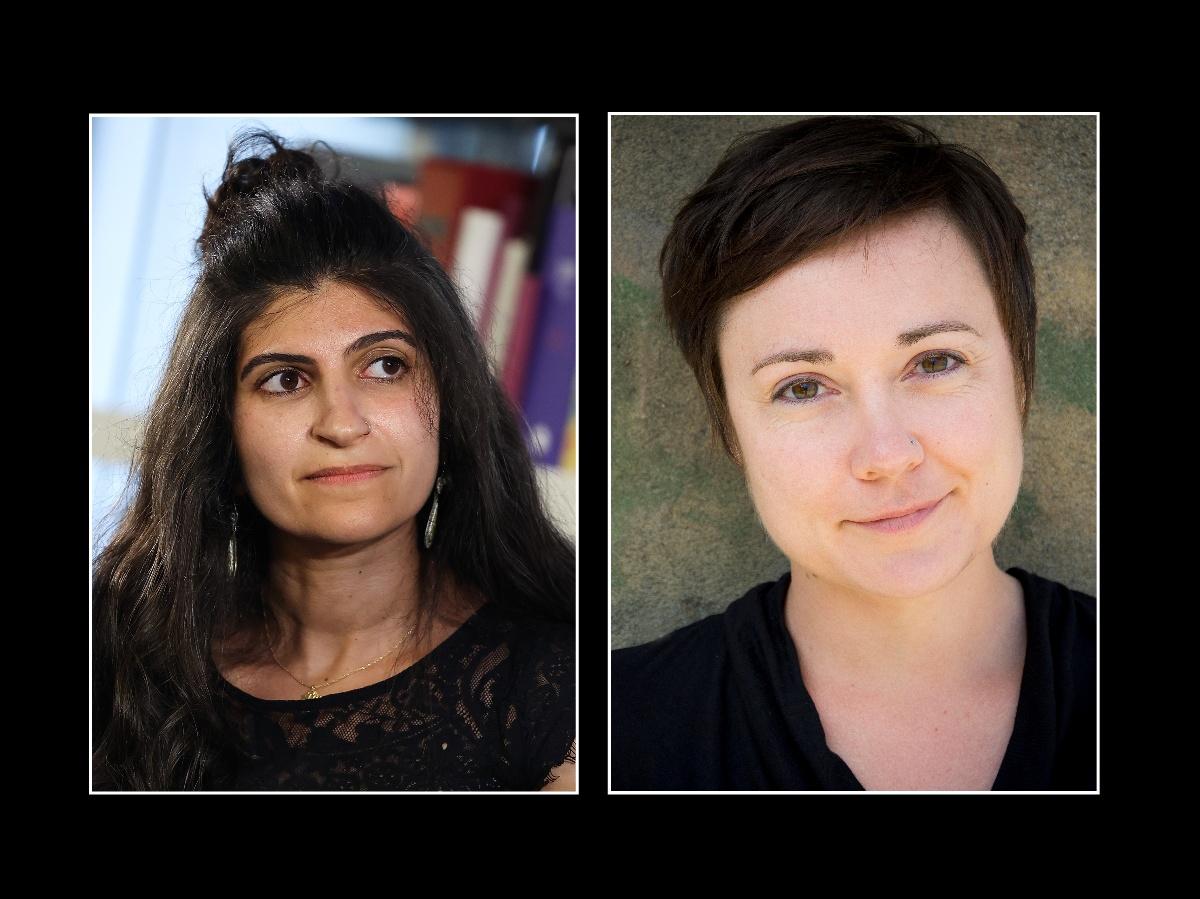
In conclusion, The Nights Are Quiet in Tehran is a masterclass in archiving the invisible wounds of history. It serves as both a warning about the dangers of political myopia and a beautiful, haunting tribute to a family’s resilience. As the world watches Iran’s current struggles, Bazyar’s novel provides the necessary context to understand that the "vibrant morning" the people seek has been decades in the making.
Publication Details:
- The Nights Are Quiet in Tehran
- Author: Shida Bazyar
- Translator: Ruth Martin
- Publisher: Scribe Publications
- Price: ₹699
- Recognition: Shortlisted for the International Booker Prize
