

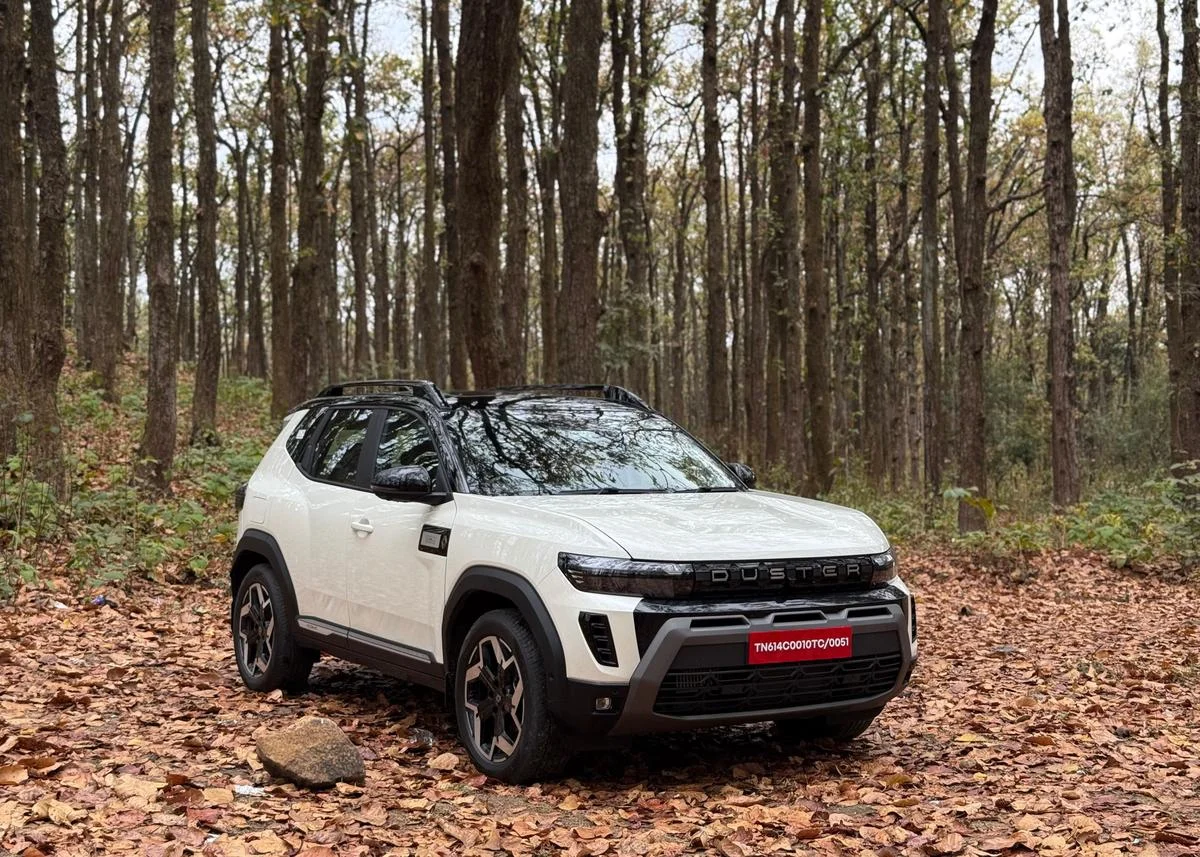
Chennai, India — Renault is no longer content with being a niche player or a one-hit-wonder in the Indian automotive landscape. The French automaker has unveiled a comprehensive, multi-layered strategy designed to transform its presence in one of the world’s most volatile yet rewarding markets. At the center of this transformation is the Renault Bridger Concept, a B-SUV that serves as more than just a preview of a future model—it is a manifesto for Renault’s "Phase 3.0" in India.
By 2030, Renault Group intends to expand its Indian portfolio to seven models, underpinned by a dual-platform strategy that balances accessibility with high-tech sophistication. With a renewed focus on the Chennai manufacturing and engineering hub, the company is positioning India not just as a sales territory, but as a global cornerstone for development and exports.
I. Main Facts: The Bridger Concept and the Seven-Model Offensive
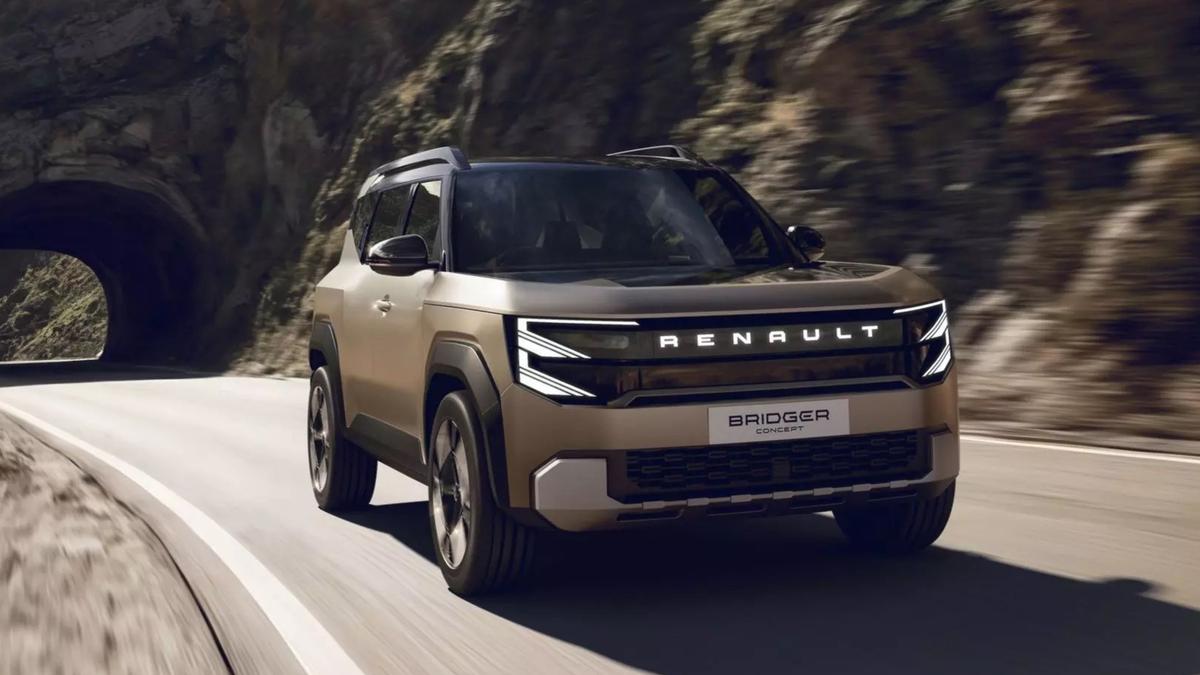
The headline of Renault’s new era is the Bridger Concept. Positioned strategically within the highly competitive B-SUV segment, the Bridger is designed to bridge the gap between urban practicality and rugged lifestyle aspirations.
The Bridger’s Design Language
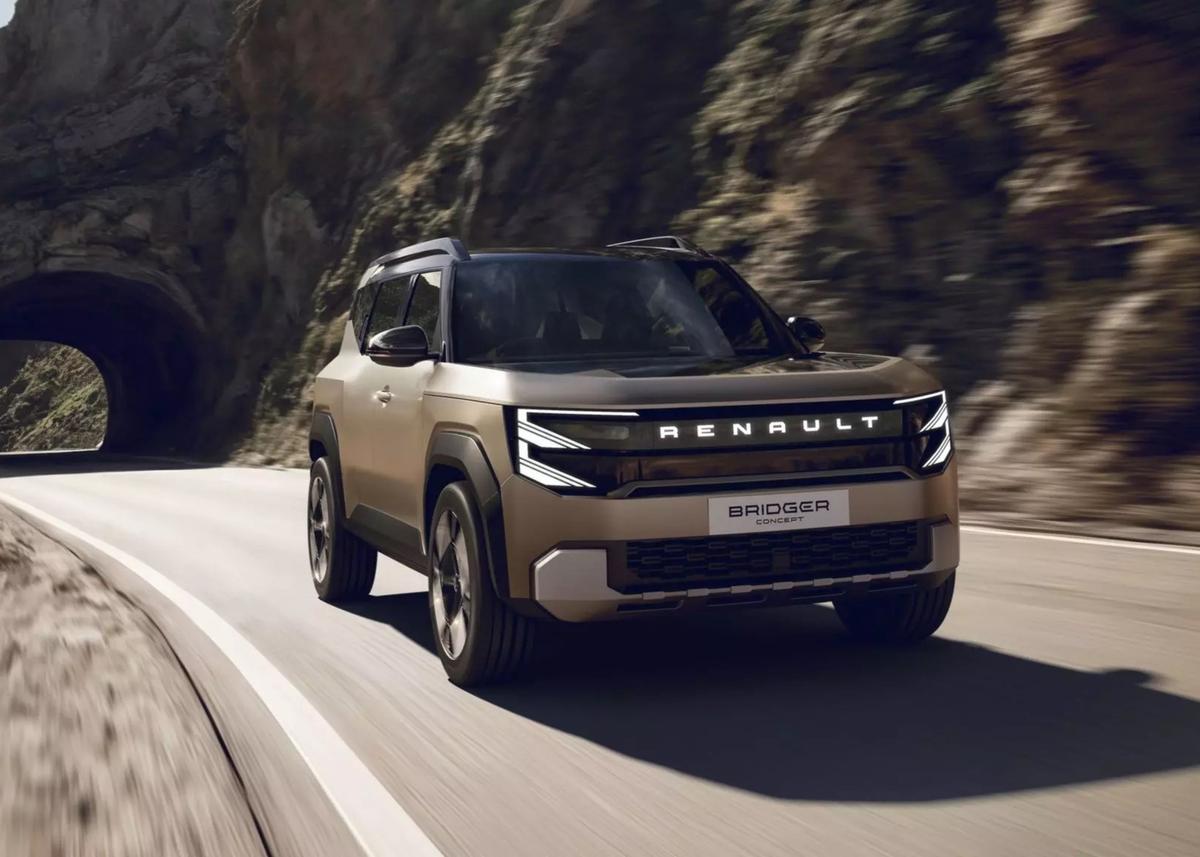
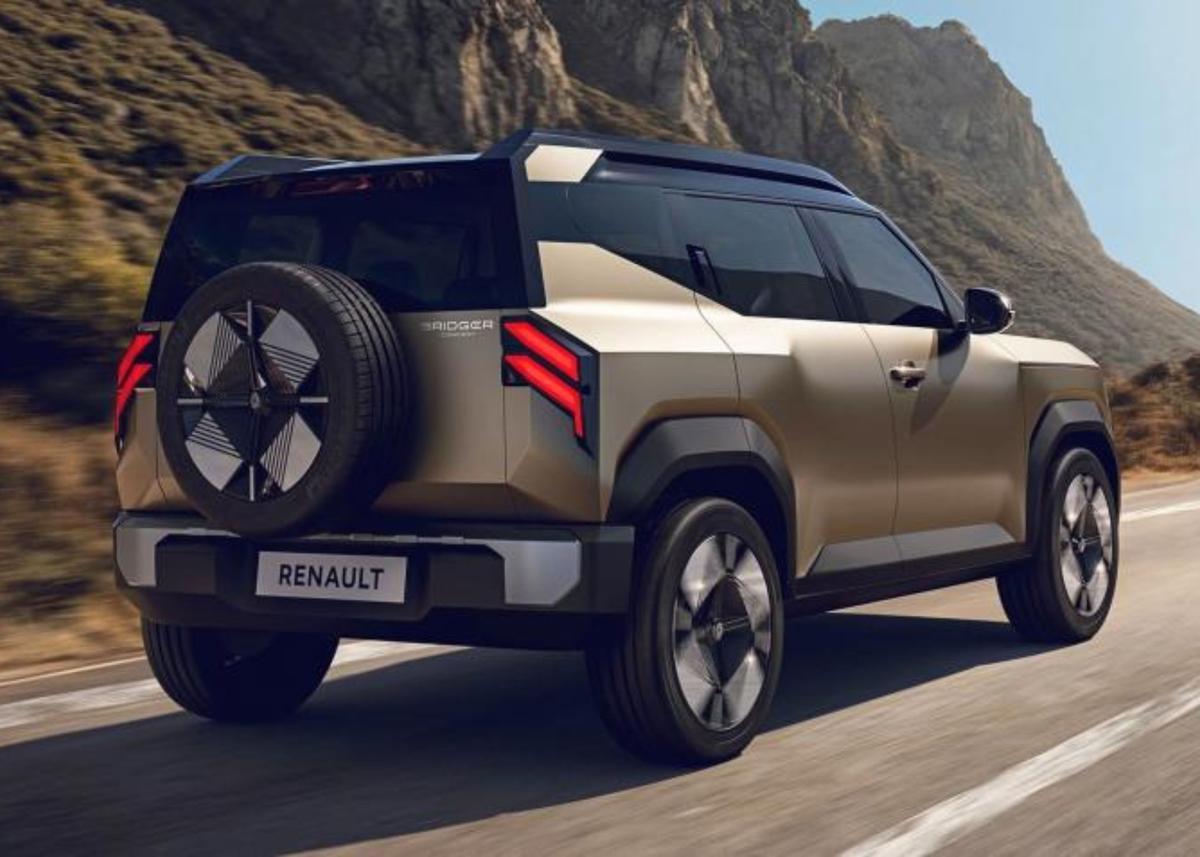
In the metal, the Bridger Concept exhibits a "real presence" that distinguishes it from the softer, more rounded crossovers in the segment. It features an upright nose, squared-off wheel arches, and clean, muscular surfacing. Despite its rugged, almost utilitarian appeal, the vehicle maintains a compact footprint with controlled overhangs, making it ideal for the congested streets of urban India. It is a vehicle designed for the "lifestyle narrative"—appealing to buyers who want the toughness of an off-roader without the bulk of a full-sized SUV.
The RGMP Foundation
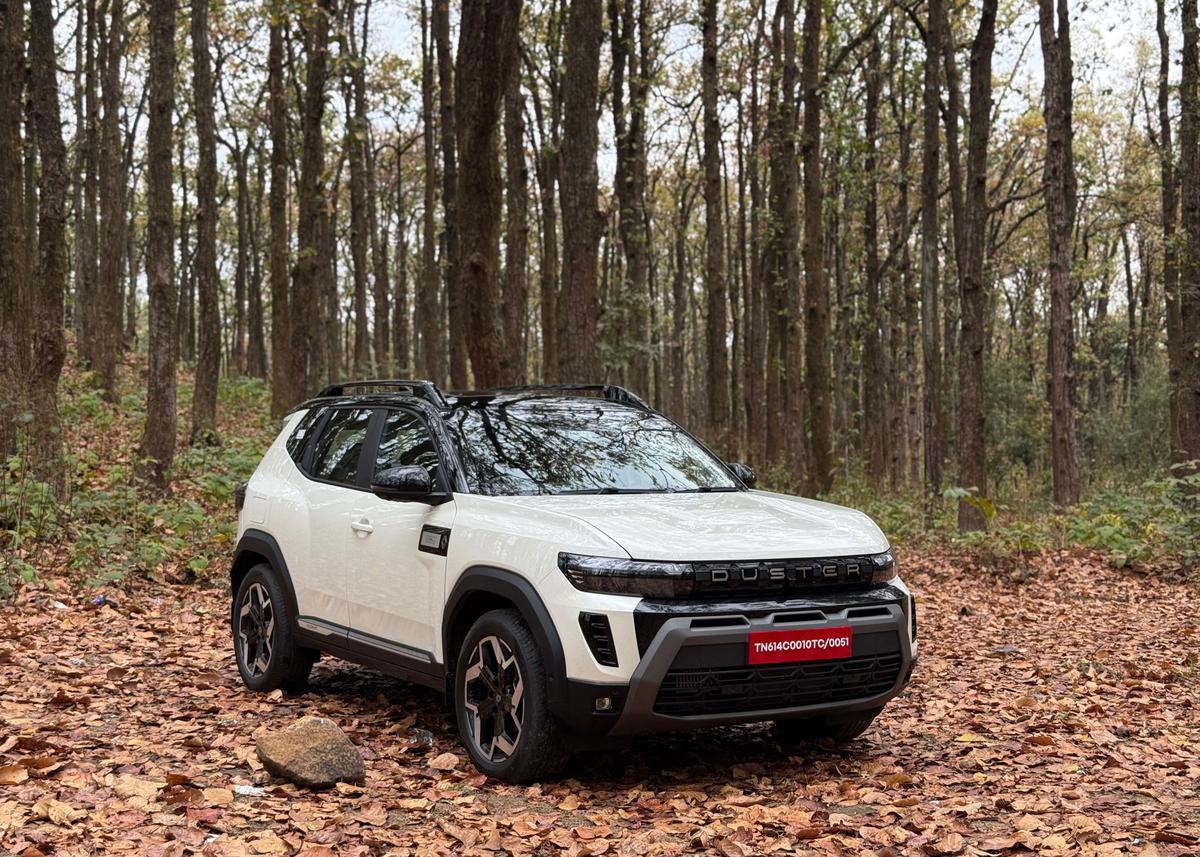
The Bridger will be the second model in India to utilize the Renault Group Modular Platform (RGMP). It follows in the footsteps of the all-new Renault Duster, which has already begun its journey to reclaim the midsize SUV space for the brand. The RGMP is a "multi-energy" toolkit, engineered to support:
- Internal Combustion Engines (ICE)
- Flex-fuel applications (E85/Ethanol blends)
- Strong Hybrids (HEV)
- Battery Electric Vehicles (BEV)
The 2030 Vision
Renault’s roadmap involves a total of seven models by the end of the decade. This includes a mix of refreshed entry-level vehicles and premium, technology-led SUVs. Crucially, this expansion is supported by two distinct architectures: the RGEP (Renault Group Entry Platform) for volume-driven, affordable cars, and the RGMP for more advanced, global-standard products.
II. Chronology: From the Original Duster to the Multi-Energy Future
To understand Renault’s current trajectory, one must look at the timeline of its evolution in India.
- 2012–2019: The Era of Disruption: Renault entered the Indian consciousness with the original Duster, effectively creating the midsize SUV segment. This was followed by the Kwid, which challenged the entry-level hatchback monopoly.
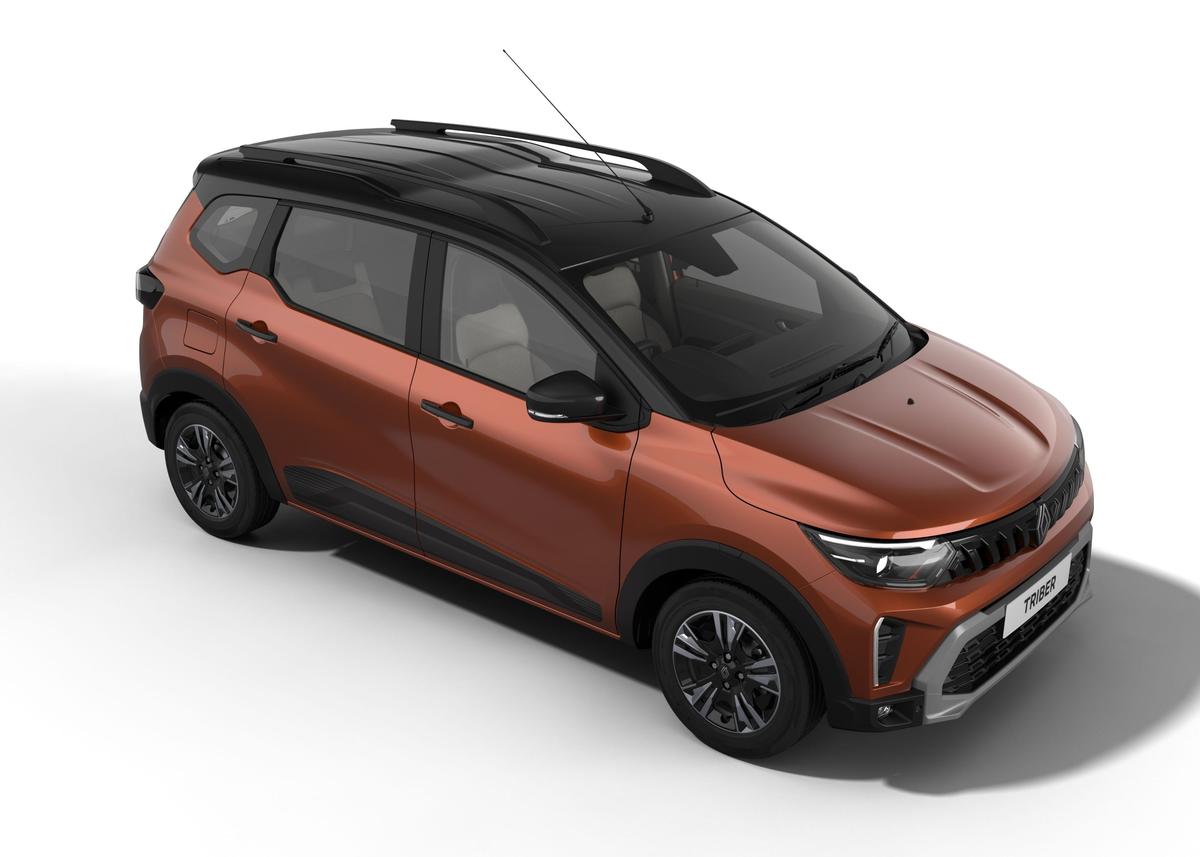
- 2019–2023: The Value Expansion: The introduction of the Triber (a unique sub-4m seven-seater) and the Kiger (a compact SUV) solidified Renault’s reputation for "smart packaging." These vehicles were built on the RGEP, focusing on maximizing space and minimizing cost.
- 2024: The Midsize Re-entry: The launch of the all-new Duster marks the beginning of the RGMP era in India. This model re-establishes Renault in the midsize SUV segment with turbo-petrol options.
- Late 2024 (Festive Season): Renault is slated to introduce a strong hybrid variant of the Duster, signaling a shift toward electrification.
- 2025 and Beyond: The production version of the Bridger Concept will debut, followed by a steady rollout of five additional models, including potential EV variants and upgraded versions of the Kiger and Triber.
III. Supporting Data: The Dual-Platform Strategy and Market Dynamics
The technical backbone of Renault’s strategy lies in its ability to cater to two very different types of Indian consumers simultaneously.
1. The RGMP (Renault Group Modular Platform)
RGMP represents Renault’s next-generation engineering. Unlike traditional platforms that are often "retrofitted" for electric or hybrid powertrains, RGMP was designed with multi-energy flexibility from the start.
- Software Integration: It enables more advanced electronic architectures, allowing for better infotainment, ADAS (Advanced Driver Assistance Systems), and over-the-air (OTA) updates.
- Efficiency: By sharing this platform with global models (like those from Dacia in Europe), Renault achieves significant economies of scale, keeping the Bridger and Duster price-competitive despite their high-tech underpinnings.
2. The RGEP (Renault Group Entry Platform)
While RGMP targets the premium-seeking buyer, the RGEP remains the backbone of Renault’s volume play.
- CNG Integration: To address rising fuel costs, Renault is developing CNG versions of the Kiger and Triber.
- Power Upgrades: Addressing consumer feedback regarding the Triber’s performance, a more powerful engine option is currently in development to enhance its appeal for highway driving and full-load scenarios.
3. India’s Global Contribution
Renault has confirmed that India is now among its top three global markets. The company expects the Indian operations to contribute nearly 35% of its global sales in the near future. This is a massive jump from previous years and explains the heavy investment in the Chennai ecosystem.
IV. Official Responses: Leadership on the "India-First" Mindset
During recent engagements at Renault’s Chennai operations, key leadership figures emphasized the strategic autonomy given to the Indian division.
Francois Provost, CEO of Renault Group (International Operations), noted that the company is building a "cohesive ecosystem" rather than just launching individual products. He highlighted that the flexibility of the RGMP allows Renault to respond to regulatory changes—such as shifting emissions norms or EV mandates—without the need for expensive, ground-up re-engineering.
Stephane Deblaise, CEO of Renault India, pointed out the importance of the Chennai engineering base (RNTBCI). "India is being positioned not just as a domestic market, but as a development and export hub," Deblaise remarked. He explained that the work being done in Chennai on platform localization and software development will feed back into Renault’s global programs, making India a net exporter of automotive technology.
The leadership team also addressed the "lifestyle" aspect of the Bridger Concept. They stated that the Indian buyer is evolving; they no longer just want a "cheap" car but a vehicle that reflects their aspirations for adventure and technological savvy.
V. Strategic Implications: What This Means for the Indian Market
Renault’s aggressive pivot has several long-term implications for the Indian automotive industry and the consumer.
1. Competitive Pressure on Domestic Giants
By introducing the Bridger into the B-SUV segment, Renault is taking a direct shot at established leaders like the Tata Nexon, Hyundai Venue, and Maruti Suzuki Brezza. The "rugged-urban" styling of the Bridger, combined with the modular tech of the RGMP, offers a unique value proposition that blends European engineering with local cost-efficiency.
2. The Hybrid vs. EV Transition
While many manufacturers are jumping straight to EVs, Renault’s decision to offer ICE, Flex-Fuel, and Strong Hybrids on the same platform (RGMP) is a calculated hedge. In a market where charging infrastructure is still maturing, providing a high-efficiency Strong Hybrid (as seen in the upcoming Duster) allows Renault to capture "green" buyers who aren’t ready to go fully electric.
3. India as a Global Hub
The scale of Renault’s Chennai operations—encompassing a massive engineering base and full manufacturing control—means that "Made in India" Renaults will soon be a common sight in international markets. This aligns with the Indian government’s "Make in India" initiative and secures the long-term viability of Renault’s local investments.
4. Revitalizing the Entry Segment
By bringing CNG and more powerful engines to the Triber and Kiger, Renault is ensuring it doesn’t lose its core "value" customer base while it chases the more premium SUV market. This two-pronged approach is essential for maintaining market share in a country where the entry-level segment still accounts for significant volume.
Conclusion
The Renault Bridger Concept is more than a car; it is the physical manifestation of a brand that has learned from its past and is doubling down on its future. By leveraging two distinct platforms and a multi-energy strategy, Renault is preparing for a decade where ICE, hybrid, and electric technologies will coexist. If the execution matches the ambition displayed in Chennai, Renault’s "Phase 3.0" could very well redefine the brand’s legacy in India, turning it from a challenger into a dominant force.
Motorscribes, in association with The Hindu, brings you the latest in cars and bikes. Follow them on Instagram @motorscribes
