

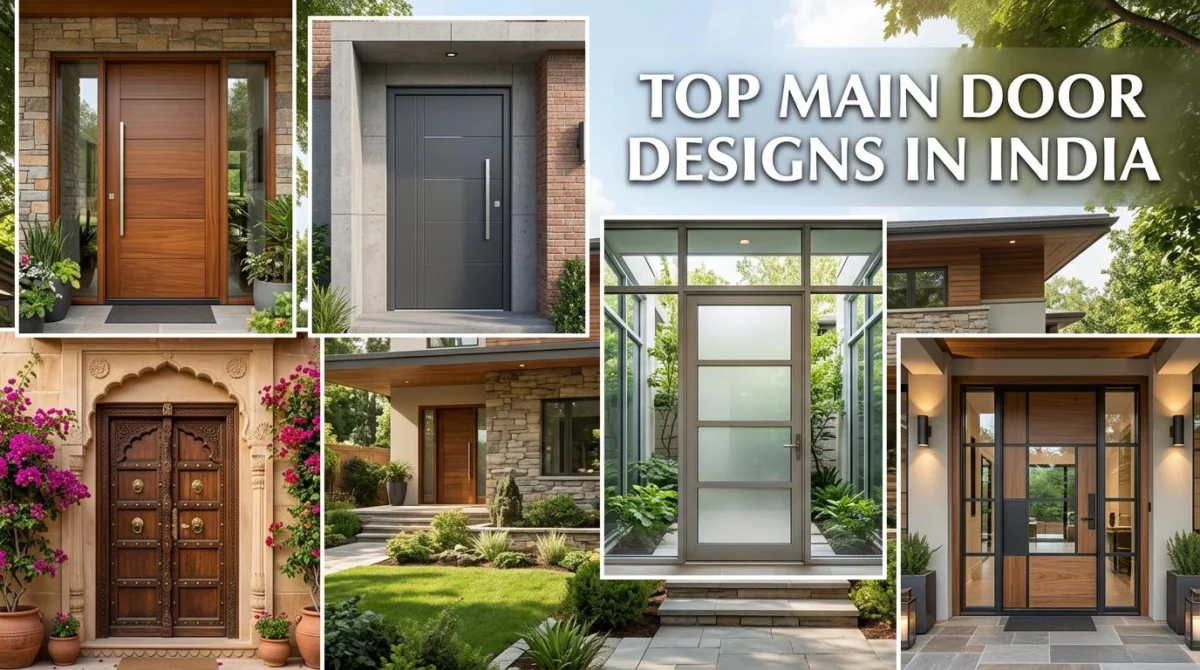
In an era where home design is increasingly seen as an extension of personal identity, the main entrance has moved beyond a mere functional barrier to become a definitive architectural statement. For Indian homeowners, the main door now represents a sophisticated blend of cultural heritage, high-tech security, and long-term investment value.
The Indian real estate market has witnessed a significant shift in homeowner priorities over the last decade. While the interior decor of a home was once the primary focus of renovation and investment, the "curb appeal"—led by the main door—has surged in importance. Today, the entrance sets the psychological and aesthetic tone for the entire residence. A well-designed main door does more than just welcome guests; it serves as a robust shield for the family and a significant contributor to the property’s market valuation.
The Evolution of the Indian Entrance: A Chronology
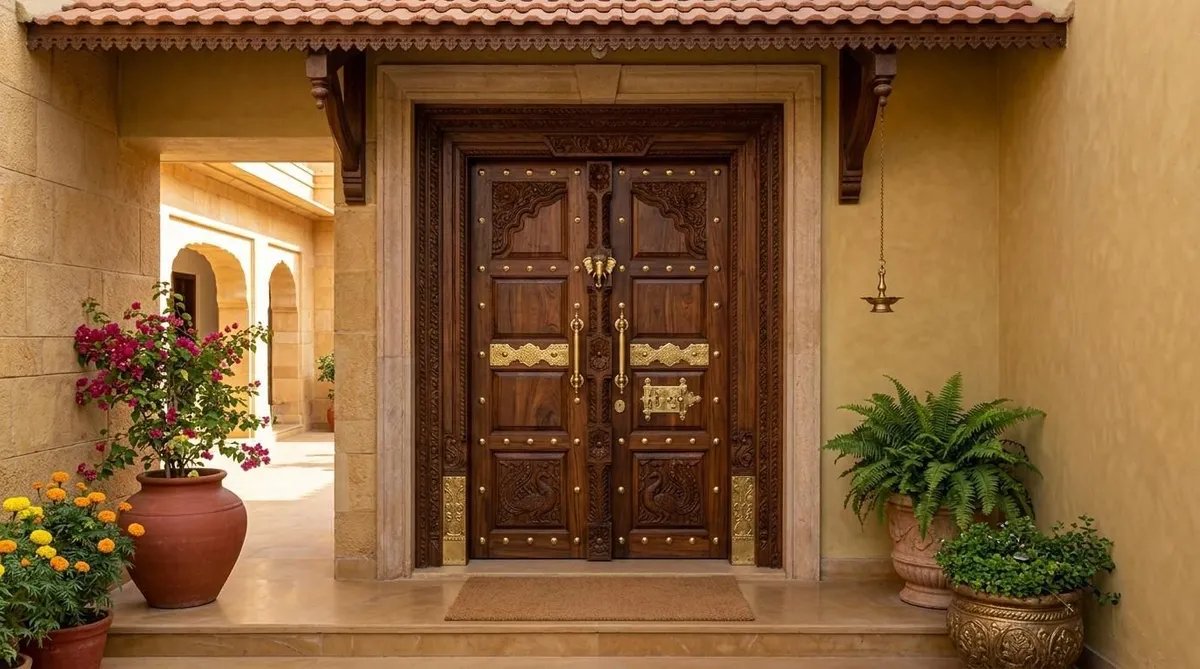
Historically, Indian door design was rooted in heavy timber and intricate hand-carvings, often dictated by regional availability of wood like Teak or Rosewood. In traditional Havelis and ancestral homes, the door was a symbol of status and protection, frequently featuring heavy brass studs and massive frames.
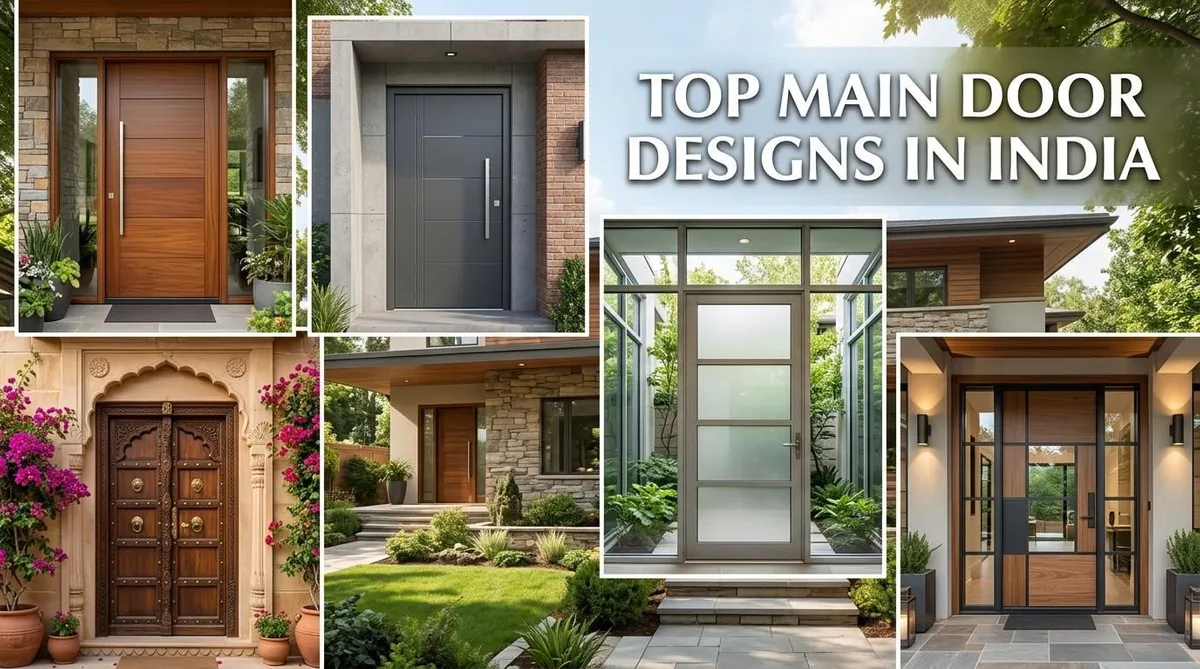
As the country moved toward rapid urbanization in the late 20th century, the focus shifted to utility. Apartment living introduced the era of the "flush door"—simple, lightweight, and often unremarkable. However, the 21st-century "Indian Renaissance" in architecture has brought a fusion of these two eras. Modern Indian homes now demand the grandeur of traditional craftsmanship combined with the sleekness of industrial materials like steel, glass, and composite fibers.
The current trend is characterized by "Contemporary Fusion," where homeowners seek materials that can withstand India’s diverse climatic conditions—from the humid coasts of Mumbai to the scorching heat of Delhi—without compromising on the luxury of the finish.
10 Modern Main Door Designs Redefining Indian Homes
As homeowners navigate the vast array of choices, industry experts highlight ten specific designs that have gained dominance in the contemporary market.
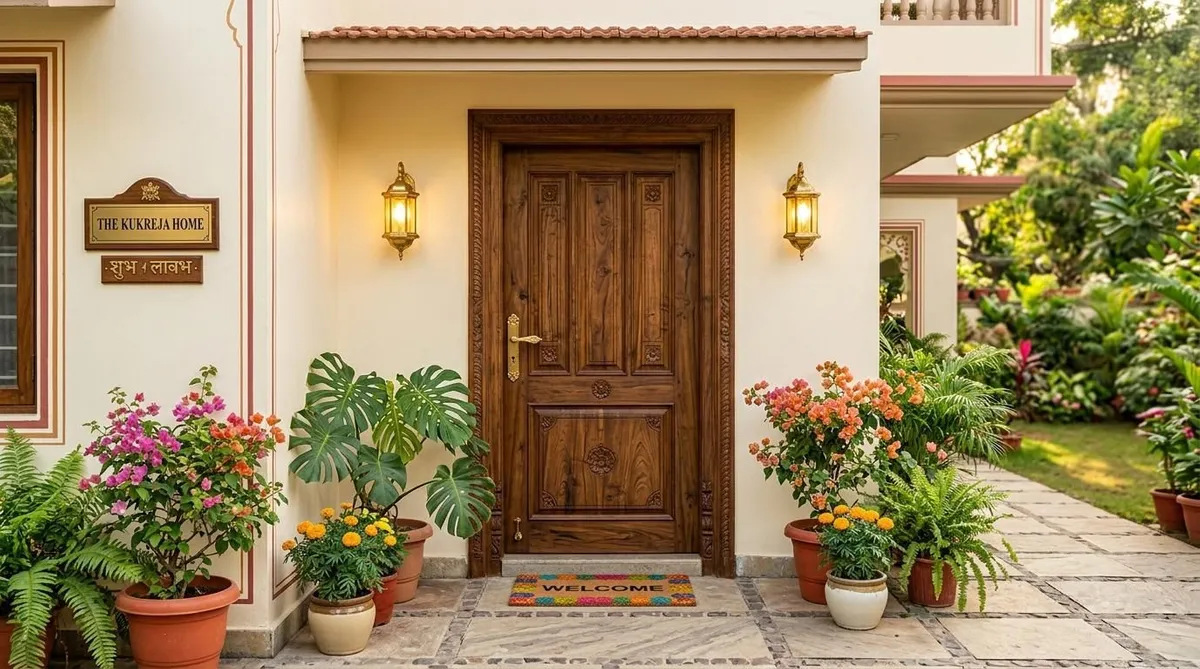
1. The Timeless Solid Teak Wood Door
Teak wood remains the "Gold Standard" in Indian construction. Known for its high oil content, teak is naturally resistant to termites and decay, making it ideal for the Indian climate. In luxury villas and independent bungalows, solid teak doors with natural grain finishes are preferred to convey warmth and permanence. Beyond its beauty, teak offers exceptional insulation properties, keeping interiors cooler during harsh summers.
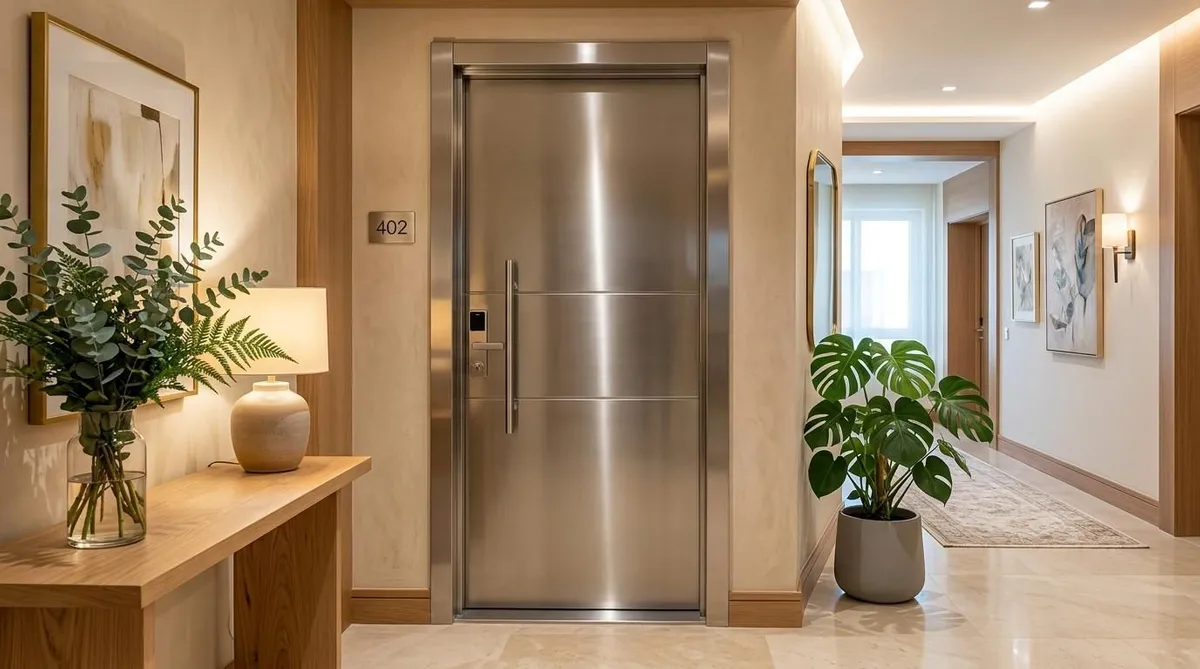
2. The High-Security Stainless Steel Entrance
In metropolitan hubs like Bengaluru and NCR, security is a paramount concern. Stainless steel doors have emerged as a popular alternative to wood. Unlike iron doors of the past, modern stainless steel doors are finished with sophisticated textures that mimic wood or matte stone. They are virtually impenetrable and resistant to the corrosion common in high-pollution or coastal environments.
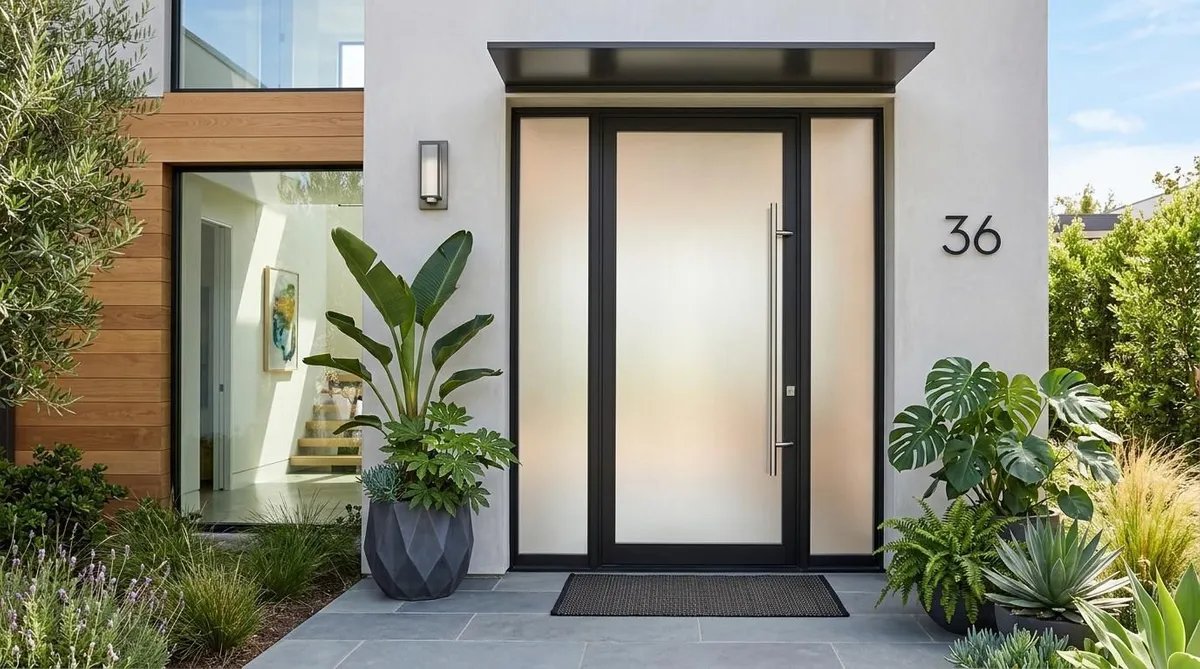
3. Toughened Glass and Minimalist Frames
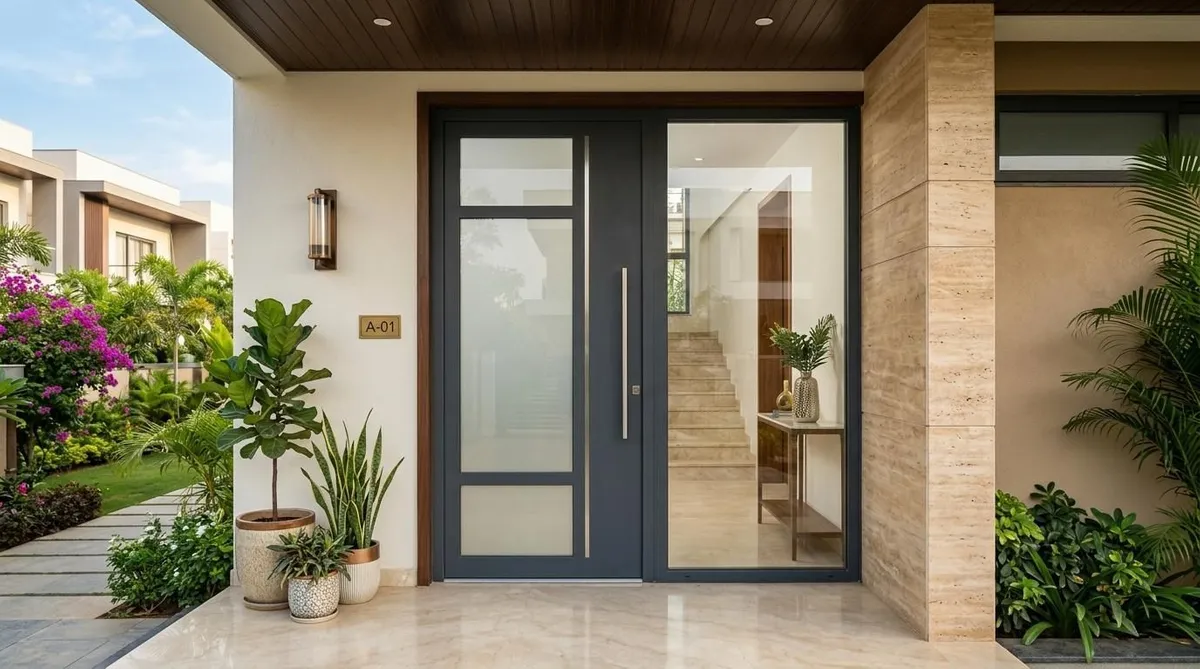
For modern penthouses and homes with dedicated foyers, toughened glass doors offer an airy, sophisticated look. Utilizing frosted, etched, or tinted glass ensures privacy while allowing natural light to penetrate the home. These designs are often paired with heavy-duty metal frames to ensure structural integrity.
4. Lightweight Aluminium Frame Designs
Aluminium has transitioned from a commercial material to a residential favorite. Its lightweight nature reduces the stress on hinges and door frames, leading to longer lifespans. Often integrated with large glass panels, aluminium doors are favored by urban duplex owners who prefer a "European" aesthetic that emphasizes clean lines and low maintenance.
5. Traditional Hand-Carved Masterpieces
Cultural expression remains at the heart of Indian design. Carved wooden doors featuring lotus motifs, mandalas, or religious iconography are seeing a resurgence. These doors act as a bridge between modern architecture and ancient traditions, often serving as the centerpiece of a home’s exterior.
6. Weather-Resistant Fibreglass Doors
With India’s intense monsoon seasons, wood can often warp or swell. Fibreglass doors have emerged as a high-performance solution. They can be molded to replicate the exact texture of oak or mahogany but are immune to moisture and temperature fluctuations. This makes them a strategic choice for homes in the Western Ghats or Northeast India.
7. The Grand Double Door System
In larger residential properties, the double door remains the ultimate symbol of hospitality. Modern double doors often feature asymmetrical designs—where one leaf is wider than the other—providing both a grand aesthetic and the practical ability to move large furniture into the house with ease.
8. The Industrial Metal and Wood Hybrid
A major trend in 2024 is the "Mixed Material" door. This design pairs the organic warmth of wood with the industrial edge of matte black metal or brass. These doors are often seen in designer homes where the goal is to create a "Raw-Luxury" feel.
9. High-Pressure Laminate (HPL) Doors
For the budget-conscious urbanite living in high-rise apartments, laminate doors provide an incredible variety of finishes at a fraction of the cost of solid wood. Modern laminates are scratch-resistant and easy to clean, making them perfect for busy households with children or pets.
10. The Luxury Pivot Door
The pivot door is the pinnacle of modern door engineering. Instead of traditional side hinges, the door rotates on a spindle at the top and bottom. This allows for massive, oversized doors that seem to "float" as they open. Often found in premium architectural projects, pivot doors can be made from a mix of stone, metal, and heavy timber.
Supporting Data: Security and Value Addition
According to recent real estate market surveys, a premium main door can increase a property’s perceived value by as much as 5% to 7%. In a competitive resale market, the "first impression" of the entrance often dictates the buyer’s emotional connection to the property.
Furthermore, the integration of technology has become a non-negotiable aspect of main door design. "Smart Doors" are no longer a futuristic concept. Data indicates a 40% year-on-year increase in the installation of biometric locks, video door phones, and motion-sensor lighting at Indian entryways. Homeowners are increasingly opting for doors that can accommodate these digital security systems without compromising the physical design.
Maintenance and Sustainability
Sustainability is also influencing material choices. Certified "Green" timber and recyclable aluminium are becoming selling points for environmentally conscious developers. The life-cycle cost of a door—considering maintenance, painting, and polishing—is now a key factor in the decision-making process for the average Indian buyer.
Expert Insights: The Designer’s Perspective
Architects and interior designers suggest that the choice of a door should be dictated by the "3-S Rule": Security, Style, and Sustainability.
"In India, we have to design for extremes," says a Mumbai-based architectural consultant. "A door that looks beautiful in a showroom might fail in the humidity of Mumbai or the dry heat of Rajasthan. We are seeing a massive shift toward composite materials and treated woods. Homeowners are also realizing that the door is a 20-year investment, not a 5-year decor item."
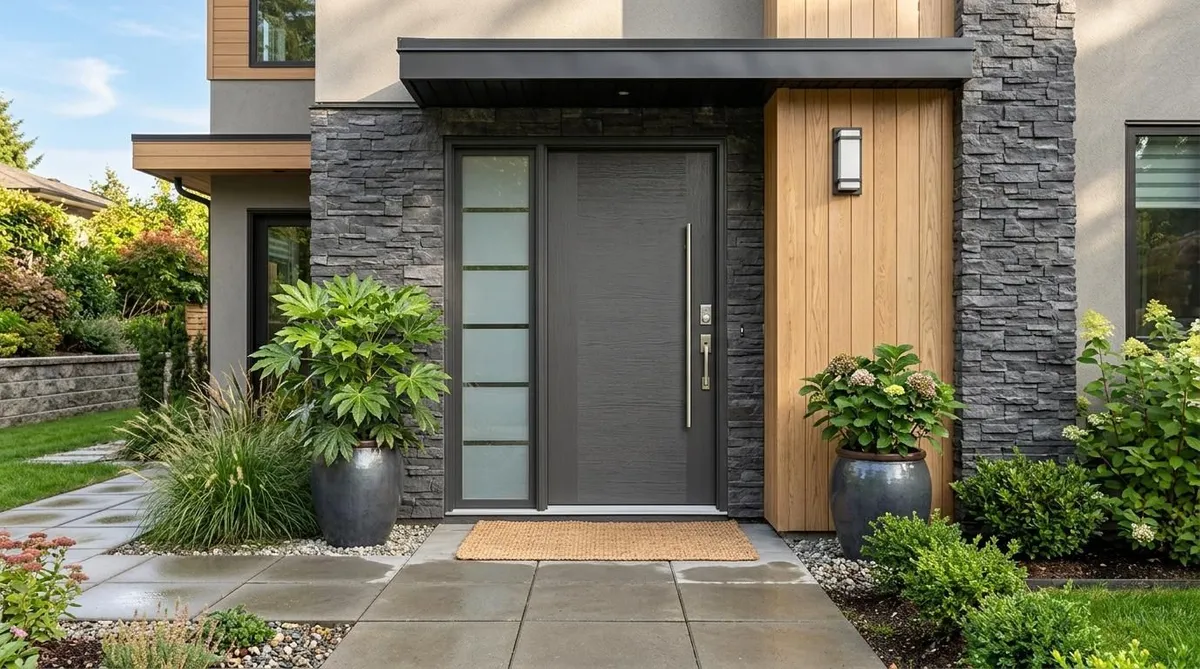
From a Vastu Shastra perspective—a critical consideration for many Indian families—the main door should be the largest in the house and should ideally be placed in the North, Northeast, or East. Designers are now finding creative ways to align these ancient spatial principles with modern, minimalist aesthetics.
Implications for the Future of Indian Housing
The transformation of the main door from a simple utility to a high-tech architectural feature reflects the broader evolution of the Indian middle and upper classes. As disposable income rises and global design influences become more accessible, the Indian home is becoming a sophisticated sanctuary.
The implications for the construction and interior design industries are clear:
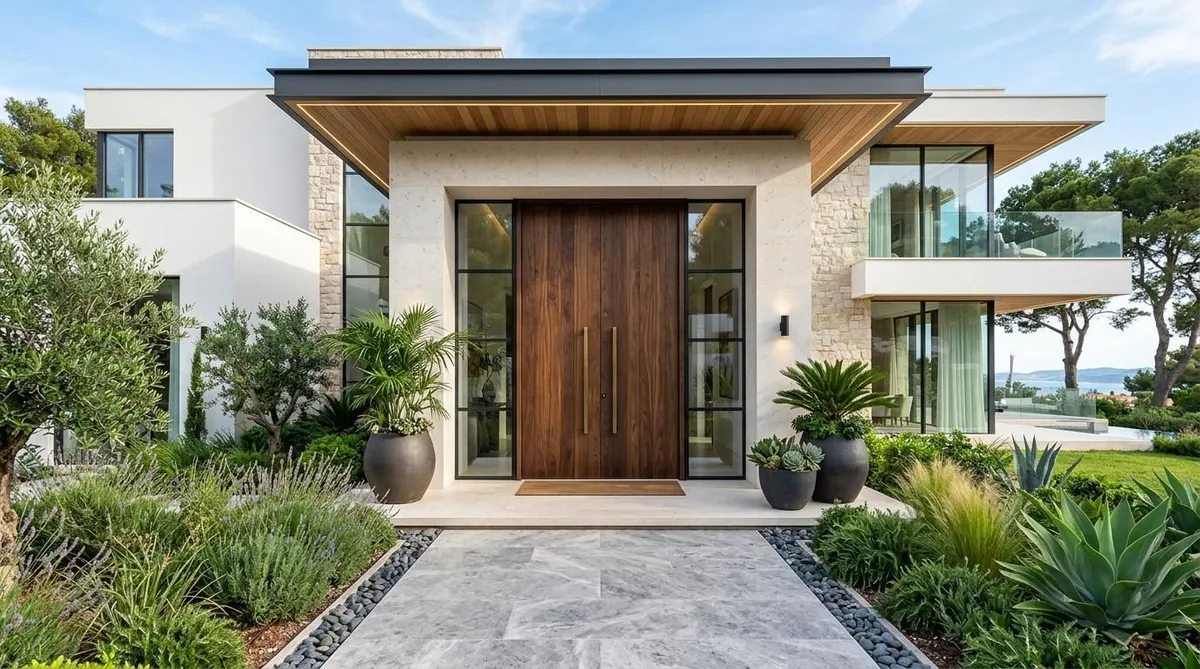
- Customization is King: Off-the-shelf doors are losing ground to bespoke, architecturally designed entrances.
- Tech-Integration: Door manufacturers must now collaborate with tech firms to ensure seamless integration of smart home features.
- Material Innovation: There will be a continued move toward hybrid materials that offer the beauty of wood with the durability of synthetics.
Wrapping Up: The Gateway to Your World
Choosing a main door design is an intentional act of defining one’s living space. Whether it is the regal presence of a carved teak door or the avant-garde tilt of a luxury pivot system, the entrance remains the most vital boundary between the public world and the private sanctuary.
In the diverse landscape of Indian real estate, the best design is one that balances the owner’s cultural roots with the functional demands of modern life. As the facade of the Indian home continues to evolve, the main door will remain its most significant and enduring feature—a silent sentinel that welcomes the future while standing guard over the present.
Disclaimer: This report is based on current market trends and industry data. Property owners are encouraged to consult with structural engineers and professional designers before making significant architectural changes to their homes.
