

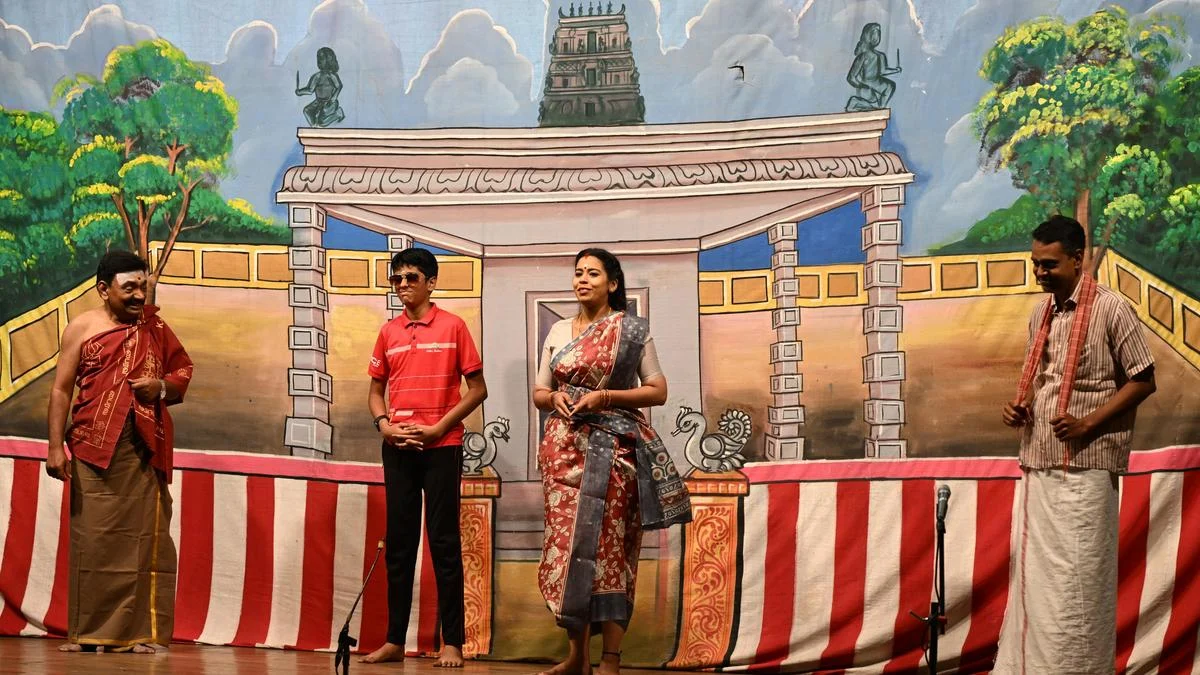
A critical review of PMG Mayurapriya’s "Kallabhiraamam" at the Kodai Nataka Vizha reveals a commendable thematic ambition hampered by execution, leaving audiences yearning for a deeper emotional resonance.
Chennai, India – May 18, 2026 – In an era where the sacrifices of soldiers and intelligence operatives often fade into the annals of history, PMG Mayurapriya’s play, "Kallabhiraamam," presented as part of the annual Kodai Nataka Vizha, attempts to illuminate the lives of these unsung heroes. The production, helmed by Vaishali Prasanth, with story, dialogues, and direction attributed to P. Muthukumaran, endeavors to shed light on individuals whose contributions to national security and freedom remain largely unrecognized. While the play’s thematic core—honoring those who have made profound sacrifices for their nation—is undeniably noble, its execution ultimately falls short of its ambitious goals, leaving a lingering sense of missed opportunity.
Thematic Foundation: A Noble Pursuit of National Gratitude
At the heart of "Kallabhiraamam" lies a compelling narrative premise. The protagonist, Akila (portrayed by Anu Suresh), is depicted as a dedicated researcher focused on uncovering the stories of forgotten figures from India’s freedom struggle. Her intellectual pursuits are met with practical, yet poignant, advice from Major Jaswanth (Saiprasad Sriram), a family friend. Major Jaswanth, himself a member of the armed forces, gently redirects Akila’s focus, suggesting that the nation’s contemporary peace is largely indebted to the silent vigilance and ultimate sacrifices of its soldiers. This pivotal exchange sets the stage for a deeper exploration of patriotism, duty, and the personal costs associated with serving one’s country.
Akila’s personal convictions are further defined by her desire to marry an individual who mirrors her profound respect for national service. This aspiration, however, encounters resistance from her mother. The mother, whose own patriotism is expressed through vocal renditions of patriotic anthems like "Saare jahan se accha" on national holidays, harbors a pragmatic fear of a soldier’s life. The inherent risks and uncertainties associated with military service present a stark contrast to her aspirations for her daughter’s secure future, highlighting a societal paradox where abstract patriotism often clashes with the tangible anxieties of familial well-being.
Exposing Societal Hypocrisy: The Duality of Appreciation
"Kallabhiraamam" bravely confronts a prevalent societal hypocrisy: the ease with which individuals are quick to laud the armed forces while simultaneously ensuring their own offspring pursue careers far removed from the battlefield and its inherent dangers. The play subtly, and at times overtly, critiques this duality, questioning the sincerity of nationalistic fervor when it doesn’t translate into personal acceptance of the sacrifices demanded by defense. This critique aims to foster a more nuanced understanding of patriotism, one that acknowledges the personal toll on those who serve and the families who support them.
The play endeavors to inform its audience about heroes who operated both on and off the traditional battlefield. A particularly striking example brought to the fore is the story of Ravindra Kaushik. Kaushik, an undercover agent in Pakistan, infiltrated the military accounts department of the neighboring country. Through his deep cover, he managed to relay vital intelligence to India, playing a crucial role in national security. His sacrifice is underscored by the tragic revelation of his identity, leading to his imprisonment and eventual death. His story serves as a powerful reminder of Winston Churchill’s immortal words: "So much owed by so many to so few." This narrative thread, while impactful in its historical significance, is presented as a factual account, a testament to the research undertaken by the playwright.
A Disconnect Between Theme and Execution: The Lost Nuance
Despite the laudable intention to bring forgotten heroes into the spotlight and the evident diligence in the playwright’s research, "Kallabhiraamam" struggles to translate its powerful themes into compelling theatrical experiences. The dialogue, particularly between Akila and Jaswanth, often veers into what felt like a historical lecture. Facts and information were presented, but they lacked the emotional weight and organic flow that would allow the audience to connect deeply with the characters and their convictions. Instead of an immersive theatrical experience, the play often resembled a history lesson, devoid of the emotional resonance that theatre is uniquely capable of evoking.
The core issue appears to be a disconnect between the intellectual understanding of the play’s message and its ability to stir the audience’s emotions. While the audience was undoubtedly informed about the sacrifices of individuals like Ravindra Kaushik, the play failed to foster a truly reflective mood. The emotional depth required to truly appreciate the gravity of these sacrifices seemed to be missing, leaving the profound messages of the play feeling somewhat hollow. It was not enough to present the facts; the play needed to imbue these facts with a human element, allowing the audience to feel the weight of these contributions and the poignancy of their sacrifices.
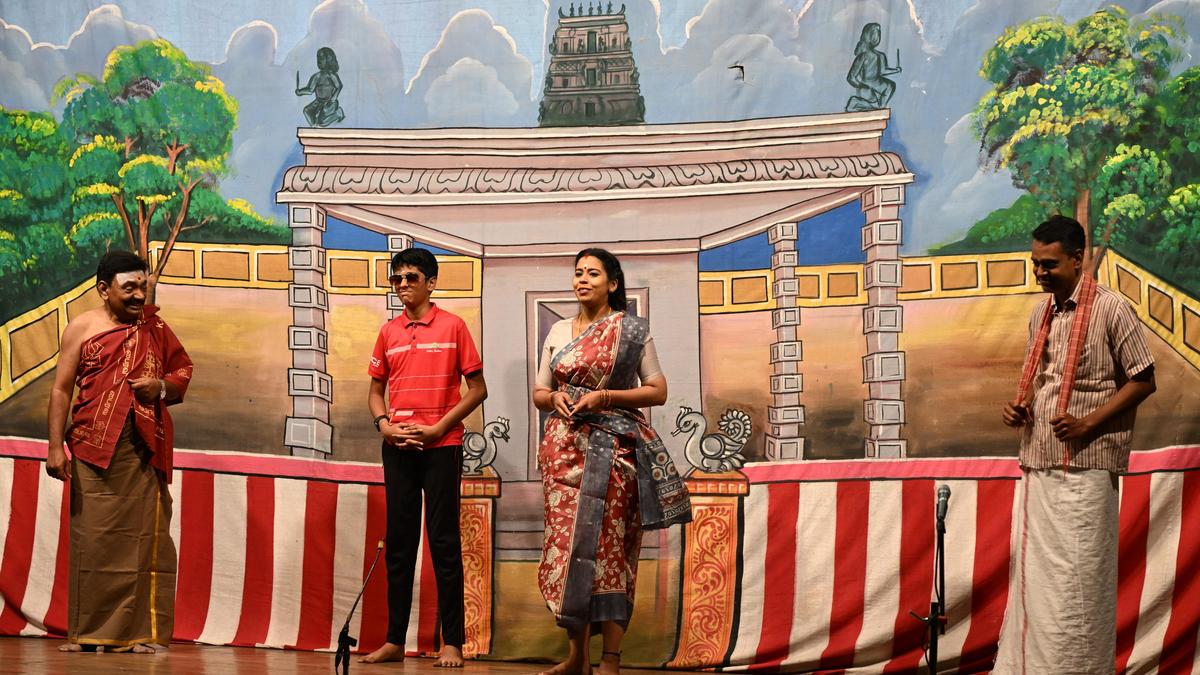
The Poetic Resonance of the "Kallabhiraamam"
The title, "Kallabhiraamam," itself draws from a profound verse, signifying that a heroic stone erected for a warrior fallen in battle represents the most beautiful memorial in the world. This poetic interpretation of remembrance and honor forms the philosophical bedrock of the play. It speaks to the enduring legacy of those who have given their lives for their nation, suggesting that their sacrifice is a monument in itself, a testament to their bravery and the enduring gratitude of their people.
The play culminates with a poignant gesture that aligns with this thematic underpinning. The narrative concludes with plans to erect a statue for Singaram, a humble villager who tragically fell to enemy bullets. This localized act of remembrance, the creation of a tangible memorial for an ordinary individual who displayed extraordinary courage, serves as a microcosm of the play’s broader message. It underscores the idea that heroism is not confined to decorated officers or covert operatives but can be found in the quiet acts of bravery by ordinary citizens who stand up for their nation in times of crisis. This concluding act offers a glimmer of hope and a concrete example of how the ideals espoused by the play can manifest in tangible acts of commemoration.
Chronology of the Narrative Arc
The play’s narrative unfolds through a series of dialogues and exposition that gradually reveal the central conflict and thematic concerns.
- Introduction of Akila’s Research: The play opens with Akila immersed in her research on freedom fighters, establishing her intellectual curiosity and patriotic leanings.
- Major Jaswanth’s Intervention: A pivotal moment occurs when Major Jaswanth advises Akila to shift her focus to contemporary heroes of the armed forces, introducing the core thematic tension.
- Akila’s Personal Convictions: Akila articulates her desire to marry someone who shares her passion for honoring national sacrifices, setting the stage for romantic and ideological conflict.
- Maternal Resistance: Akila’s mother expresses her pragmatic fears regarding a soldier’s life, highlighting the societal divide between abstract patriotism and personal anxieties.
- Exposition of Ravindra Kaushik’s Story: The play delves into the harrowing tale of the undercover agent, presenting it as a significant example of an unsung hero.
- Thematic Critique of Hypocrisy: Through dialogue and implied actions, the play exposes the societal tendency to praise the military while safeguarding one’s own family from its risks.
- The Culminating Memorial: The play concludes with the decision to erect a statue for Singaram, a villager who sacrificed his life, reinforcing the theme of honoring everyday heroism.
Supporting Data and Context
The "Kallabhiraamam" narrative draws its strength from real-world contexts of national service and sacrifice. India’s history is replete with instances of individuals who have served with exceptional valor, often without widespread recognition. The Kargil War, the ongoing border skirmishes, and the continuous efforts of intelligence agencies all contribute to the backdrop against which the play’s themes resonate. The story of Ravindra Kaushik, while dramatized, is inspired by the real-life experiences of intelligence operatives who have risked everything for national security. The play implicitly acknowledges the vast number of soldiers, intelligence personnel, and even civilians who have made significant contributions to India’s safety and integrity, often at immense personal cost. The mention of "unsung heroes of the army" and "unsung heroes of the freedom movement" connects the play to broader historical and contemporary narratives of national service.
Official Responses and Broader Implications
While there were no explicit "official responses" mentioned within the provided text, the presentation of "Kallabhiraamam" at a recognized cultural event like the Kodai Nataka Vizha implies a degree of institutional recognition for its thematic concerns. Cultural festivals often serve as platforms for engaging with critical social and national issues. The play’s engagement with themes of patriotism, sacrifice, and societal hypocrisy carries broader implications for public discourse.
The play’s attempt to bridge the gap between abstract national pride and the tangible realities of military life encourages audiences to consider the personal sacrifices made by service members and their families. It prompts introspection on the nature of true patriotism, moving beyond mere rhetoric to a deeper understanding of duty and commitment. The critique of hypocrisy is particularly relevant in a society that often celebrates national heroes from a distance while actively seeking to shield its own from similar risks.
Furthermore, by highlighting the stories of individuals like Ravindra Kaushik, "Kallabhiraamam" implicitly calls for greater recognition and memorialization of these often-overlooked figures. The play suggests that a nation’s strength lies not only in its military might but also in its collective memory and its willingness to acknowledge and honor all who contribute to its well-being, whether on the front lines or in the shadows. The title’s poetic resonance further emphasizes the importance of creating lasting tributes to heroism, ensuring that their sacrifices are not forgotten.
Conclusion: A Well-Intentioned Effort Requiring Refinement
In summation, PMG Mayurapriya’s "Kallabhiraamam" is a play with a noble heart and a significant message. It bravely tackles the often-uncomfortable truths about societal attitudes towards national service and sacrifice. The research is evident, and the thematic ambition is commendable. However, the play’s execution, characterized by a tendency towards didacticism and a lack of emotional depth, prevents it from fully realizing its potential. The audience is left with a wealth of information about unsung heroes but is not always moved by their stories. For "Kallabhiraamam" to truly resonate and achieve its stated purpose, it needs to infuse its historical facts with a more profound emotional narrative, transforming lectures into lived experiences and ensuring that the audience not only learns but also feels the weight of these extraordinary sacrifices. The play’s commitment to honoring those who have fallen is evident, but its journey to becoming a truly impactful theatrical tribute is one that still requires refinement.
