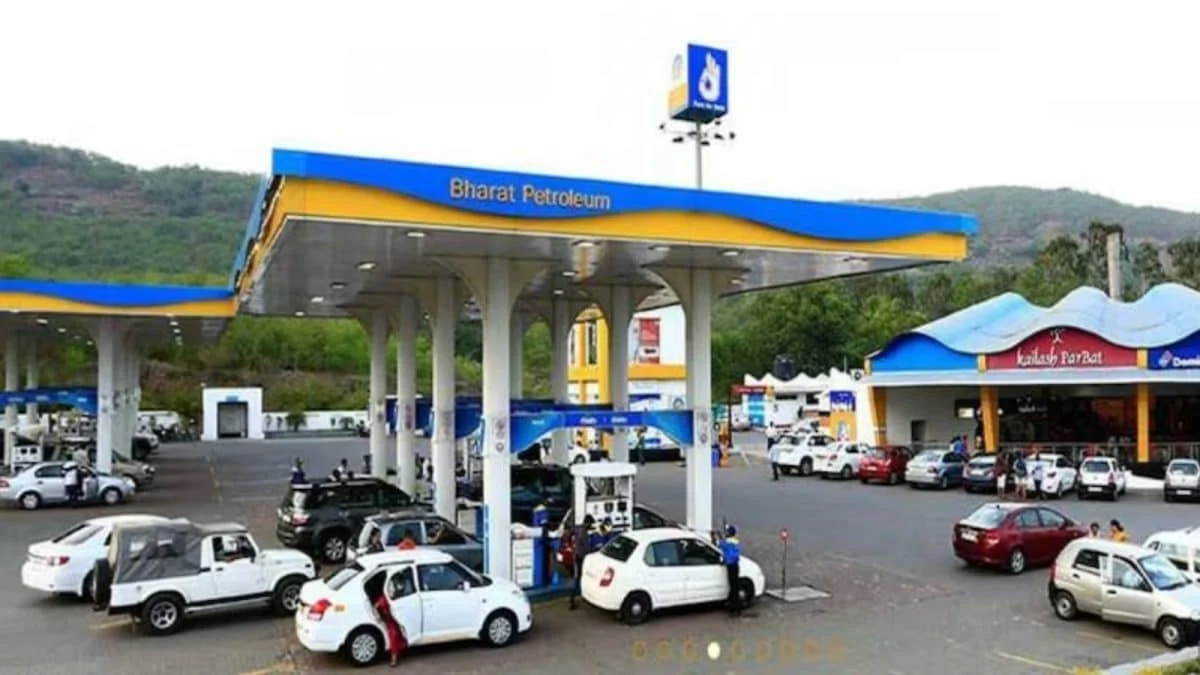
New Delhi, India – May 19, 2026 – Bharat Petroleum Corporation Limited (BPCL), one of India’s leading public sector oil refiners, finds itself at the forefront of an increasingly volatile global energy landscape. Faced with severe disruptions stemming from the escalating US-Iran conflict in West Asia, BPCL has been compelled to fundamentally reassess and recalibrate its crude oil import strategy on an almost daily basis. The company has significantly ramped up its spot market purchases to ensure the uninterrupted operation of its refineries, even as domestic fuel prices surge and its financial margins come under immense pressure.
Sanjay Khanna, Chairman of Bharat Petroleum, on Tuesday confirmed the drastic shift, stating that "force majeure" declarations by several Gulf suppliers have left the refiner with little choice but to lean heavily on the spot market. This strategic pivot highlights the profound ripple effects of geopolitical instability on global supply chains and the immediate economic challenges confronting major energy-importing nations like India.
Main Facts: India’s Oil Major Pivots Amidst Geopolitical Turmoil
The core of BPCL’s current predicament lies in the unprecedented instability gripping the West Asian region, particularly the ongoing conflict involving the US, Israel, and Iran. This geopolitical maelstrom has directly impacted the reliability of crude oil supplies from a region traditionally considered the bedrock of India’s energy security.
BPCL’s chairman, Sanjay Khanna, articulated the company’s urgent response, detailing how the refining giant is now reviewing its crude import strategy "on an almost daily basis." This granular level of oversight underscores the extreme uncertainty pervading the global oil market. The primary consequence of this uncertainty for BPCL has been a significant increase in spot purchases, a more expensive and less predictable method of securing crude compared to long-term contracts.
The necessity for this aggressive spot buying stems directly from "force majeure" declarations issued by some key Gulf suppliers. A force majeure clause legally frees both parties from liability or obligation when an extraordinary event or circumstance beyond the control of the parties prevents one or both from fulfilling their obligations under the contract. In this context, it means that suppliers are invoking these clauses due to the conflict, signaling their inability to meet agreed-upon crude volumes, thereby leaving buyers like BPCL scrambling for alternatives.
This operational challenge is unfolding against a backdrop of severe economic repercussions for India. The West Asia conflict has directly fueled a sharp rise in international crude oil prices, with Brent crude surging past the critical psychological barrier of $100 per barrel. Domestically, this has translated into two recent hikes in petrol and diesel prices, exacerbating inflationary pressures and placing an additional burden on Indian consumers and businesses. In Delhi, petrol prices climbed by 87 paise to Rs 98.64 per litre, while diesel saw a 91 paise increase to Rs 91.58 per litre, reflecting the immediate pass-through of higher international crude costs.
The Geopolitical Crucible: US-Iran Conflict and its Global Reverberations
The "US war with Iran," as described in the original context, signifies a protracted period of heightened tensions, economic sanctions, and proxy confrontations that have escalated into direct military engagements and threats to vital shipping lanes. While specific details of the "war" are often shrouded in geopolitical complexities, its impact on the Strait of Hormuz – a choke point through which roughly one-fifth of the world’s total petroleum liquids consumption flows – is undeniable. Any disruption or perceived threat to navigation in this strategic waterway sends immediate shockwaves through global energy markets.
The conflict has led to increased insurance premiums for tankers operating in the region, longer transit times as vessels reroute, and a general atmosphere of risk aversion among shippers and oil producers. It is within this volatile environment that Gulf suppliers, facing operational challenges, security concerns, or direct governmental directives, have been compelled to declare force majeure. These declarations are not merely contractual technicalities; they represent a tangible reduction in committed supply, forcing major importers like India to seek crude from alternative, often more expensive, sources. The unreliability of West Asian supplies, traditionally a cornerstone of India’s energy security, is now a stark reality that necessitates a fundamental re-evaluation of long-term sourcing strategies.
Chronology of Crisis: A Rapidly Evolving Import Strategy
The current crisis represents a significant departure from BPCL’s meticulously planned crude import strategy for the fiscal year 2026-27. The progression of events highlights the speed with which geopolitical shifts can unravel even the most robust energy procurement plans.
Pre-Crisis Planning (2026-27): A Balanced Approach
Prior to the current escalation of the West Asia conflict, BPCL had outlined a well-structured approach to its crude oil requirements. The refiner had planned to source approximately 55% of its crude needs for 2026-27 through annual term contracts. These long-term agreements typically offer price stability, assured supply volumes, and often come with more favorable logistical arrangements, particularly when dealing with established producers in West Asia, a geographically proximate and historically reliable source for India. The remaining 45% of its crude requirement was earmarked for the spot markets. This portion provided BPCL with crucial flexibility, allowing it to take advantage of short-term price fluctuations, diversify its crude basket, and respond to unexpected changes in demand or supply. This balanced strategy aimed to combine the security of term contracts with the agility offered by spot purchases.
The Onset of Disruptions: Force Majeure and the Spot Market Surge
The carefully constructed plan began to crumble as the US-Iran conflict intensified, leading to tangible disruptions in the Gulf region. The exact timeline of the force majeure declarations is intrinsically linked to the escalation of hostilities, but their impact became acutely felt by BPCL in recent weeks and months. As these declarations mounted, BPCL found itself facing significant shortfalls in its contracted annual supplies.
To prevent its three refineries – with a combined crude processing capacity of 706,000 barrels per day – from slowing down or shutting altogether, BPCL had no option but to dramatically increase its reliance on the spot market. Sanjay Khanna explicitly stated, "Definitely, our spot volume has gone up considerably in recent times because of all the uncertainty." While specific figures for the increase in spot volumes were not disclosed, the chairman’s language indicates a substantial, perhaps unprecedented, shift. The imperative for BPCL was not just to keep the refineries running, but to maintain operations at an impressive 115% capacity, signalling robust domestic demand for refined products and the strategic importance of ensuring energy supply. This aggressive operational target further amplified the pressure to secure crude from any available source, irrespective of the higher costs associated with spot buying.
Domestic Impact: Fuel Price Hikes and Public Scrutiny
The direct consequence of surging international crude prices, driven by the West Asia conflict and BPCL’s increased spot purchases, has been a painful ripple effect across the Indian economy. In recent days, the government has been compelled to raise petrol and diesel prices twice, a move that is highly sensitive in a country where fuel costs impact everything from transport and logistics to food prices.
The specific increases in Delhi – 87 paise for petrol to Rs 98.64 per litre and 91 paise for diesel to Rs 91.58 per litre – illustrate the direct pass-through of international price pressures to the consumer. These hikes, while necessary for the oil marketing companies to partially recover their costs, have ignited public debate and political criticism. The "ALSO READ" section of the original article, which references Sanjay Raut’s sarcastic remark, "’Just Chant Jai Shri Ram, Price Will Drop By Rs 10′: Sanjay Raut’s Swipe At BJP After Latest Fuel Hike," underscores the significant political and social sensitivity surrounding fuel pricing in India and the government’s challenging balancing act between market realities and public sentiment. The economic fallout extends beyond individual consumers, impacting industries reliant on transportation and energy, potentially dampening economic growth and contributing to broader inflationary trends.
Supporting Data and Economic Pressures
The current crisis is not merely an operational challenge for BPCL; it represents a significant economic burden for the company and the nation. The supporting data on global crude prices and BPCL’s financial performance paints a clear picture of the pressures at play.
Global Oil Benchmarks Under Strain
The most immediate and visible indicator of the escalating crisis is the performance of international crude oil benchmarks. Brent crude, the global benchmark, crossing the $100 per barrel mark is a critical threshold. This surge is primarily driven by:
- Supply Concerns: Direct threats to oil infrastructure in West Asia, disruptions to shipping lanes (like the Strait of Hormuz), and the invocation of force majeure clauses by major producers create a tangible fear of supply shortages.
- Geopolitical Risk Premium: Markets price in the uncertainty and potential for further escalation. Traders demand a higher premium for crude oil due to the increased risk of supply interruptions.
- Market Speculation: Heightened geopolitical tensions often lead to speculative buying, further driving up prices as investors bet on continued price increases.
- Reduced Inventories: Any actual or perceived disruption rapidly draws down global oil inventories, putting upward pressure on prices.
The sustained high prices of Brent crude directly impact India, which imports over 85% of its crude oil requirements, making the nation highly vulnerable to global price volatility.
The Russian Oil Conundrum: Shrinking Discounts
In the wake of international sanctions against Russia, India had emerged as a major buyer of discounted Russian crude. BPCL, like other Indian refiners, had capitalized on this opportunity, sourcing a significant 40-45% of its crude oil requirements from Russia. This strategy provided a crucial buffer against the high prices of West Asian and other international crudes.
However, the financial advantage derived from Russian oil has significantly diminished. According to finance director Vetsa Ramakrishna Gupta, discounts for Russian oil purchases have fallen from an attractive $10-$12 per barrel on a delivered basis to a mere $5-$6 per barrel. This reduction can be attributed to several factors:
- Increased Demand: As more countries sought alternatives to traditional suppliers and Russia found new markets, the supply-demand dynamics for Russian crude shifted, allowing Russia to command higher prices.
- Logistical Challenges and Sanctions Enforcement: The complexities of shipping, insurance, and payment for Russian oil have likely increased, eroding some of the initial cost benefits. As the "dark fleet" of tankers becomes more scrutinized and insurance costs rise, the effective discount may narrow.
- Market Normalization: Over time, the initial panic discounts tend to stabilize as new trading routes and mechanisms are established.
The shrinking discount means that while BPCL continues to diversify its sourcing, the cost advantage it once enjoyed from Russian oil has substantially eroded, contributing to its overall higher crude acquisition costs.
BPCL’s Mounting Financial Losses
Despite the recent fuel price hikes in India, BPCL continues to incur significant revenue losses. Vetsa Ramakrishna Gupta revealed that the company is currently losing Rs 25 to 30 (26 to 31 US cents) per litre on diesel and Rs 10 to 14 per litre on petrol. These losses highlight a critical imbalance:
- International vs. Domestic Prices: The pace and magnitude of international crude price increases are far outstripping the adjustments in domestic retail fuel prices. India’s fuel pricing mechanism, while linked to international benchmarks, often incorporates government taxes, duties, and is subject to political considerations that prevent immediate and full pass-through of global price surges.
- Marketing Margins: The losses indicate that BPCL’s marketing margins, which cover the costs of refining, transportation, and retail operations, are being severely compressed or are even negative.
- Subsidy Burden: In essence, the oil marketing companies (OMCs) like BPCL are absorbing a significant portion of the higher crude costs, acting as a de facto subsidy to consumers, albeit an unsustainable one in the long run.
These financial losses are a serious concern for BPCL’s profitability and long-term investment capacity, underscoring the severe economic strain imposed by the current global energy crisis.
Official Responses and Future Outlook
In the face of these formidable challenges, BPCL’s leadership is actively strategizing to secure India’s energy future, focusing on flexibility, diversification, and strategic partnerships.
Khanna’s Strategic Vision: Navigating Uncertainty
Sanjay Khanna’s insistence on a "daily review" of crude import strategy is a testament to the highly dynamic and unpredictable nature of the current global oil market. His acknowledgment that "our spot volume has gone up considerably in recent times because of all the uncertainty" reinforces the immediate need for agility and responsiveness. Khanna’s leadership is focused on ensuring that BPCL’s refineries continue to operate at optimal levels, even if it means deviating significantly from pre-planned sourcing arrangements. This approach underscores a proactive stance in mitigating supply risks and maintaining domestic energy security.
Diversification and Flexibility: The Path Forward
BPCL is not passively enduring the crisis but actively seeking new avenues for crude procurement. The company holds cautious optimism regarding potential improvements in Saudi Arabian contracted supplies, particularly after the restoration of its east-west pipeline capacity. This pipeline is crucial as it offers an alternative route to transport crude, bypassing the Strait of Hormuz, thus reducing vulnerability to disruptions in that critical waterway. However, the fact that Riyadh is offering only "a small commitment" for supplies suggests that while an improvement is hoped for, it is unlikely to be a complete solution to BPCL’s supply woes, highlighting the continued tightness in the market.
Crucially, BPCL is also evaluating annual supply deals with "new producers" for the upcoming year. This indicates a strategic shift towards broader diversification of its crude basket beyond traditional West Asian suppliers. The key criteria for these new suppliers are "flexible delivery terms and competitive pricing." Flexible delivery terms are vital in an unpredictable market, allowing BPCL to adjust volumes and schedules as needed. Competitive pricing is, of course, essential to manage the financial losses currently being incurred.
However, this diversification effort comes with its own set of considerations. BPCL’s preference for "sourcing from nearby regions over distant suppliers such as Venezuela and Canada" reflects a pragmatic approach. Nearby suppliers offer significant advantages in terms of lower freight costs, shorter transit times, and reduced logistical complexities. Distant suppliers like Venezuela, while potentially offering heavy crude that some Indian refineries are configured for, come with challenges such as US sanctions (which can complicate payments and shipping), and the sheer cost and time involved in transportation. Canada, too, represents a distant source with distinct crude qualities and higher transportation costs. This preference underscores BPCL’s attempt to balance the need for diversification with economic and logistical realities.
Government’s Role and Broader Energy Security Concerns
While the article focuses on BPCL’s operational responses, the Indian government plays a crucial, albeit often behind-the-scenes, role in navigating such energy crises. As a major crude importer, India’s energy security is paramount. The government’s actions likely involve:
- Diplomatic Engagements: Engaging with OPEC+ countries and other major oil producers to advocate for stable and affordable supplies.
- Strategic Petroleum Reserves (SPR): Monitoring and potentially utilizing India’s SPR to manage short-term supply shocks and price volatility.
- Policy Support: Exploring mechanisms to support public sector oil companies like BPCL, which are absorbing significant losses, while also trying to shield consumers from the full impact of international price surges.
- Long-term Diversification Strategy: Encouraging OMCs to diversify their crude sources and explore new energy partnerships, aligning with BPCL’s current efforts.
The government’s balancing act involves ensuring energy availability, managing inflationary pressures, and safeguarding the financial health of its strategic oil companies.
Implications: A Paradigm Shift for India’s Energy Sector
The current crisis, driven by geopolitical instability in West Asia, is more than a temporary blip for BPCL and India’s energy sector. It represents a potential paradigm shift with far-reaching implications for import strategies, economic stability, and the future of fuel pricing.
Long-Term Repercussions for India’s Import Basket
The increased unreliability of West Asian supplies will likely accelerate India’s long-term efforts to diversify its crude oil import basket. While West Asia will remain a significant source due to proximity and established infrastructure, this crisis will undoubtedly spur greater investments in exploring and securing supplies from new regions. This could include increased engagement with African producers, Latin American countries (despite logistical challenges), and even North America, contingent on favorable terms and geopolitical stability. This diversification is not just about quantity but also about the types of crude (heavy vs. light, sweet vs. sour) that Indian refineries can process, optimizing for cost and efficiency. Furthermore, the emphasis on strengthening India’s Strategic Petroleum Reserves will likely intensify, providing a more robust buffer against future supply shocks.
Economic Headwinds and Inflationary Pressures
Sustained high international crude oil prices, coupled with the erosion of Russian oil discounts, will pose significant economic headwinds for India. As a net oil importer, higher crude costs directly impact the nation’s import bill, potentially widening the current account deficit. This, in turn, can put pressure on the Indian Rupee, making imports even more expensive. The pass-through of these costs, even partially, into domestic fuel prices fuels inflation, affecting transportation costs, manufacturing input costs, and ultimately the prices of essential goods and services. This inflationary spiral can dampen consumer demand, slow economic growth, and complicate the Reserve Bank of India’s monetary policy decisions, creating a challenging environment for fiscal management.
The Future of Fuel Pricing in India
The recurring cycle of international oil price surges and domestic fuel price hikes inevitably reignites the debate surrounding India’s fuel pricing mechanism. While deregulation has linked domestic prices to international benchmarks, the government often intervenes to mitigate the full impact on consumers, particularly during politically sensitive times. BPCL’s current financial losses underscore the unsustainability of this approach for oil marketing companies. This crisis might force a more transparent and perhaps politically challenging discussion about a long-term, predictable fuel pricing policy that balances market realities, consumer affordability, and the financial health of state-owned oil companies. Options such as a dynamic pricing mechanism with built-in cushions or a more explicit subsidy structure could be considered.
Resilience and Adaptation in a Volatile World
Ultimately, the challenges faced by BPCL highlight the imperative for resilience and adaptation in a global energy market increasingly defined by geopolitical volatility and supply chain vulnerabilities. India, as a rapidly growing economy with immense energy demands, must continuously evolve its energy strategy. This includes not only diversifying crude sources but also accelerating investments in renewable energy and alternative fuels to reduce reliance on fossil fuel imports in the long run. The current crisis serves as a potent reminder that energy security is not a static state but a continuous, dynamic process of strategic planning, diplomatic engagement, and operational agility in an ever-changing world. BPCL’s daily review of its import strategy is a micro-level reflection of a macro-level challenge that India and the global community must confront.