

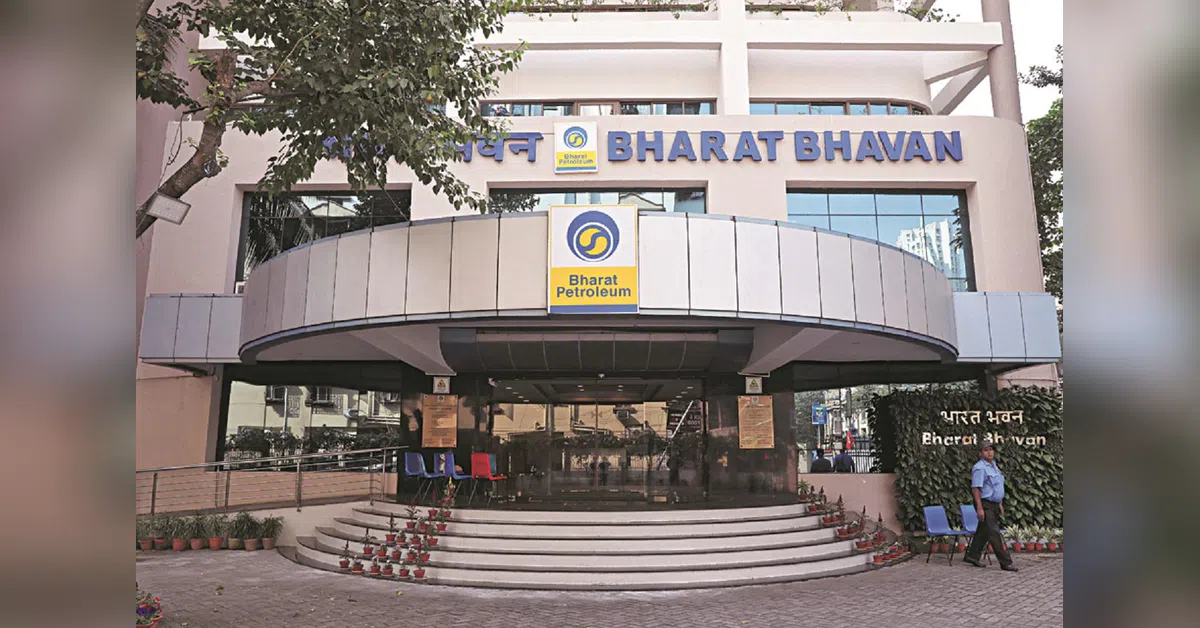
Mumbai, India – State-run Bharat Petroleum Corporation Ltd (BPCL), a pivotal player in India’s energy sector, has unveiled an ambitious capital expenditure plan of Rs 25,000 crore for the financial year 2026-27 (FY27). This significant investment, a substantial increase from the Rs 20,400 crore spent in the preceding year, is primarily earmarked for ongoing expansion projects aimed at bolstering its refining capabilities, enhancing its distribution network, and strategically positioning the company for future growth and the evolving energy transition.
The announcement, conveyed by BPCL’s management during an interview with Business Standard, comes at a time when global crude oil prices continue to exhibit extreme volatility, posing both challenges and opportunities for oil marketing companies (OMCs) like BPCL. While the company remained circumspect about immediate expectations for further retail price adjustments for petrol and diesel, it acknowledged that a recent Rs 4-per-litre hike has offered a much-needed, albeit partial, respite from the mounting financial pressures caused by soaring international crude benchmarks. This price adjustment, implemented by OMCs across the board, underscores the delicate balancing act between market realities, consumer affordability, and the financial health of these critical public sector undertakings.
Strategic Investments and Future Growth Trajectory
BPCL’s commitment to a robust capital expenditure program reflects its long-term vision to reinforce its position as a dominant force in India’s energy landscape. The Rs 25,000 crore outlay for FY27 is not merely an increase in spending; it signifies a strategic thrust towards enhancing operational efficiencies, expanding market reach, and embracing future energy solutions.
Bolstering Core Operations: The Rs 25,000 Crore Capex
The bulk of the planned capital expenditure will be channeled into BPCL’s core operations, which primarily include refining and marketing. This encompasses a range of initiatives:
- Refinery Modernisation and Expansion: Upgrading existing refineries to process a wider variety of crude oils, improve product yields, and meet stringent emission norms. This also includes increasing refining capacity to cater to India’s burgeoning energy demand.
- Petrochemical Integration: Investing in petrochemical projects co-located with refineries. This strategy aims to enhance value addition from crude oil, diversify product portfolios, and mitigate the impact of volatility in fuel margins by moving into higher-margin petrochemical products.
- Retail Network Expansion and Digitalisation: Expanding BPCL’s extensive network of fuel stations, including the integration of next-generation technologies for improved customer experience, operational efficiency, and data analytics. This also includes setting up charging infrastructure for electric vehicles (EVs) at strategic locations, reflecting a forward-looking approach to the automotive sector’s transformation.
- Pipeline Infrastructure: Strengthening and expanding crude oil and product pipeline networks to ensure efficient, safe, and cost-effective transportation of raw materials and finished products across the country.
This substantial investment signals BPCL’s intent to not only maintain but also enhance its competitive edge in a dynamic market. It underscores the company’s confidence in India’s economic growth trajectory and the sustained demand for petroleum products, even as the nation gradually transitions towards cleaner energy sources.
Expanding Refining Footprint: Greenfield and Modernisation
A significant component of BPCL’s expansion strategy involves both the modernization of existing assets and the development of new capacities. The company currently operates three major refineries located in Mumbai (Maharashtra), Kochi (Kerala), and Bina (Madhya Pradesh). These facilities are critical to meeting India’s fuel requirements, and continuous upgrades are essential to ensure their efficiency and environmental compliance.
In parallel, BPCL is actively pursuing the development of a greenfield refinery in Andhra Pradesh. This project, once operational, will significantly augment the company’s refining capacity and cater to the growing demand in the southern and eastern regions of India. Chairman and Managing Director Sanjay Khanna indicated that the detailed feasibility report (DFR) for this ambitious greenfield project is expected to be completed by June. The finalisation of the DFR is a crucial step that will determine the exact investment requirements and the project’s overall scope, paving the way for its eventual execution. The establishment of a new refinery is a multi-billion-dollar endeavor that requires meticulous planning, substantial capital, and a long gestation period, highlighting BPCL’s long-term commitment to infrastructure development.
Navigating the Energy Transition
While the immediate focus remains on fossil fuels, BPCL is also strategically aligning itself with India’s broader energy transition goals. The increased capital expenditure is likely to include allocations for renewable energy projects, biofuels, and hydrogen infrastructure development. This diversification is crucial for BPCL to remain relevant and sustainable in a future where the energy mix will increasingly lean towards cleaner alternatives. Investments in these areas, though perhaps smaller in scale compared to traditional refining, are vital for de-risking the business model and capturing new growth avenues.
Financial Performance Amidst Volatility
BPCL’s financial results for the fourth quarter of FY26 provide a nuanced picture of its performance, reflecting both robust operational strength and the impact of external economic pressures.
Q4 FY26 Results: A Mixed Picture
On Tuesday, BPCL announced a consolidated net profit of Rs 5,624 crore for Q4 FY26, marking a commendable 28 per cent year-on-year (YoY) increase. This strong growth in profitability on an annual basis underscores the company’s underlying operational efficiency and market presence. Revenue from operations also saw a healthy rise of 6.3 per cent YoY, reaching Rs 1.35 trillion during the quarter, indicating sustained demand for its products and effective sales strategies.
However, a sequential analysis revealed a different trend. BPCL’s net profit experienced a 21.7 per cent drop compared to the previous quarter. This quarter-on-quarter decline highlights the immediate impact of certain financial headwinds that the company faced.
Decoding Profit Fluctuations: FX and Impairment Losses
The sequential drop in net profit was attributed primarily to two factors: foreign exchange (FX) losses and impairment losses associated with BPCL’s investment in a Brazil-based oil and gas project.
- Foreign Exchange Losses: As a major importer of crude oil and with significant international transactions, BPCL is exposed to currency fluctuations. A depreciation of the Indian Rupee against the US Dollar can lead to substantial FX losses, impacting the company’s bottom line. Given the global economic uncertainties, currency markets have been volatile, making hedging strategies crucial but not always fully effective.
- Impairment Losses from Brazil Project: Impairment losses occur when the recoverable amount of an asset is less than its carrying amount on the balance sheet. This suggests that the value of BPCL’s investment in the Brazil-based oil and gas project has been reassessed downwards, possibly due to changes in commodity prices, operational challenges, or revised future production estimates for the asset. Such losses are non-cash in nature but reflect a reduction in the asset’s economic value and impact reported profitability. This particular write-down underscores the inherent risks associated with international upstream ventures, especially in volatile geopolitical and commodity price environments.
Despite these specific challenges, BPCL maintained a strong operational footing. The company reported a refinery throughput of 10.4 million tonnes (mt) during Q4 FY26, achieving an impressive capacity utilisation of 118 per cent. This indicates not only high operational efficiency but also the flexibility of its refineries to exceed nameplate capacity, likely through debottlenecking measures and efficient crude sourcing. Furthermore, domestic fuel sales grew by 3.28 per cent YoY to 13.86 mt, reflecting robust demand and BPCL’s effective marketing and distribution network.
The Burden of Under-recoveries: LPG Subsidies
A persistent challenge for Indian OMCs, including BPCL, has been the concept of "under-recoveries," particularly on the sale of sensitive petroleum products like Liquefied Petroleum Gas (LPG). Under-recovery occurs when OMCs sell products at government-mandated prices that are lower than their actual cost of procurement and processing.
As of March 31, BPCL’s under-recovery on the sale of LPG cylinders stood at a staggering Rs 12,318.52 crore, as disclosed in an exchange filing. This substantial figure highlights the financial strain imposed by selling cooking gas below market rates to ensure affordability for millions of households, a key government objective.
In FY26, the company received five equal instalments from the government as partial compensation for these LPG under-recoveries, aggregating to Rs 3,164.15 crore. While this compensation provides some relief, it typically covers only a fraction of the total losses incurred, leaving OMCs to absorb a significant portion. This mechanism, while crucial for social welfare, can impact the OMCs’ profitability and their ability to fund future investments from internal accruals. The continuous negotiation for adequate and timely compensation remains a critical aspect of OMCs’ financial planning.
Addressing Market Dynamics and Fuel Price Pressures
The current environment of elevated crude oil prices has brought the issue of retail fuel pricing into sharp focus once again.
The Rs 4 Hike: A Temporary Reprieve
Oil marketing companies have raised retail fuel prices by approximately Rs 4 per litre in the last five days, a direct response to the mounting losses accumulated due to the widening gap between international crude oil prices and domestic retail prices. While BPCL refrained from commenting on future price hikes, its management acknowledged that the recent adjustment has "somewhat helped ease the financial burden on the company."
This statement underscores the severity of the situation OMCs face. For extended periods, OMCs have absorbed the brunt of high crude oil prices without fully passing them on to consumers, often under implicit government guidance to manage inflation. This absorption leads to significant revenue losses and impacts their working capital and overall financial health. The Rs 4 hike, therefore, represents a necessary recalibration to mitigate these losses, though it is often insufficient to fully cover the rising costs.
Chairman Khanna on Resilience and Public Service
Chairman and Managing Director Sanjay Khanna articulated the company’s approach to the current volatility with a clear sense of purpose and resilience. "When times are so uncertain, every day there is a significant movement in crude oil prices, it’s not right to say what the exact number (for under-recovery) is right now. The Rs 4 hike has given us some respite. In the past, we have seen this type of tough situation with the Russia-Ukraine war, but in the long run we made it up. That is the reason there is no anxiety in the company. Our primary objective is to meet public requirements," he stated.
Khanna’s remarks highlight several key aspects of BPCL’s operational philosophy:
- Adaptability to Volatility: The recognition that daily crude price movements make precise under-recovery calculations difficult emphasizes the dynamic nature of the business and the need for agile responses.
- Historical Perspective: Drawing parallels with past crises, such as the period following the Russia-Ukraine war, instills confidence in the company’s ability to navigate and recover from challenging market conditions. This historical resilience forms the basis for the "no anxiety" sentiment.
- Commitment to Public Service: The assertion that BPCL’s "primary objective is to meet public requirements" underscores its role as a state-run enterprise. This implies a balancing act between commercial viability and ensuring uninterrupted fuel supplies to the nation, even if it means absorbing some losses. This social mandate often takes precedence over pure profit maximization in the short term.
Operational Prowess: Delayed Maintenance and High Utilisation
Further demonstrating its commitment to ensuring national fuel security, BPCL has taken the unusual step of delaying the regular maintenance shutdown of its refineries. Originally scheduled for April, the maintenance has been postponed to September. This decision, as explained by Khanna, was made to "meet the country’s fuel demand."
Refinery shutdowns for maintenance are critical for safety, efficiency, and equipment longevity but lead to temporary reductions in output. By delaying this, BPCL prioritises continuous supply during a period where global energy markets are tight and domestic demand is robust. This strategic decision, while potentially incurring higher maintenance costs or requiring more extensive work later, underscores the company’s dedication to its mandate of ensuring energy availability. The high capacity utilisation of 118 per cent in Q4 FY26 further attests to the operational excellence and flexibility of BPCL’s refining assets.
In a press release, BPCL affirmed its operational stability, stating, "The company maintained operational stability across its refining and marketing businesses during the quarter, ensuring uninterrupted fuel supplies while strengthening its nationwide distribution network amid a rapidly evolving global energy environment." This statement encapsulates the company’s ability to perform under pressure, leveraging its extensive infrastructure and robust operational protocols.
Broader Economic and Sectoral Implications
BPCL’s plans and performance have ripple effects across the Indian economy and the energy sector.
Impact on Inflation and Consumer Spending
The volatility in fuel prices, as experienced with the recent Rs 4 hike, directly impacts inflation. Fuel is a critical input cost for transportation, logistics, and manufacturing, and increases in petrol and diesel prices can lead to higher prices for goods and services across the economy. This can erode purchasing power, especially for lower-income households, and potentially dampen consumer spending. The government’s continued efforts to manage fuel prices, whether through subsidies or excise duty adjustments, are crucial for broader macroeconomic stability.
Energy Security and Government Policy
For India, a major net importer of crude oil, energy security remains a paramount concern. BPCL, along with other OMCs, plays a vital role in ensuring a steady and reliable supply of petroleum products. The company’s expansion plans, particularly the greenfield refinery, are directly aligned with enhancing India’s refining capacity and reducing its dependence on imported refined products. Government policies regarding fuel pricing, subsidies, and strategic crude oil reserves heavily influence the operational environment for OMCs and are integral to national energy security objectives. The balance between allowing market-reflective pricing and protecting consumers from extreme price shocks is a perpetual challenge for policymakers.
BPCL’s Role in India’s Energy Landscape
BPCL’s strategic investments and operational decisions are not isolated; they are integral to India’s broader energy strategy. As the country navigates its path towards becoming a developed nation and achieving its net-zero emissions targets, OMCs like BPCL will be instrumental. Their investments in refining upgrades, petrochemical integration, and new energy verticals will shape the future energy mix. BPCL’s strong domestic fuel sales and high capacity utilisation highlight its critical contribution to powering India’s economic engine. The company’s ability to absorb shocks and continue its investment trajectory despite market uncertainties is a testament to its foundational strength and strategic importance.
Conclusion: A Glimpse into BPCL’s Future
Bharat Petroleum Corporation Ltd stands at a crucial juncture, balancing the demands of immediate market volatility with long-term strategic imperatives. The ambitious Rs 25,000 crore capital expenditure plan for FY27 underscores its commitment to growth, modernization, and diversification. While navigating challenges such as crude oil price fluctuations, under-recoveries, and global economic uncertainties, BPCL’s management exudes confidence, drawing on past resilience and focusing on its core mandate of serving the nation’s energy needs. The successful execution of its expansion projects, particularly the greenfield refinery, and its adaptability to the evolving energy landscape will be key determinants of its continued success and its pivotal role in India’s energy future.
