

By Saikat Das and Alisha Sachdev
Mumbai, India – In a pivotal development poised to significantly accelerate India’s burgeoning electric vehicle (EV) landscape, billionaire Sajjan Jindal’s ambitious automotive venture, JSW Motors Ltd., has successfully secured a substantial funding line of approximately ₹8,000 crore (equivalent to $826 million) from the State Bank of India (SBI), the nation’s largest lender. This landmark financial commitment provides a robust foundation for JSW Motors’ greenfield manufacturing facility in the western Indian state of Maharashtra, signaling a powerful vote of confidence from domestic financial institutions in India’s rapidly expanding new energy vehicle (NEV) ecosystem and the "Make in India" initiative.
The funding, characterized by a tenor exceeding 10 years, underscores the long-term strategic vision behind JSW Motors’ entry into the passenger vehicle segment. This significant capital infusion is earmarked to partially finance the establishment of the company’s state-of-the-art manufacturing plant, which aims to produce a new generation of electric vehicles for the Indian market. The move is not merely a financial transaction but a strategic affirmation of India’s indigenous manufacturing capabilities and its trajectory towards sustainable mobility.
The announcement arrives at a crucial juncture for India’s credit market, where lending growth is projected to outpace deposit expansion in the current fiscal year. Such a large-ticket financing deal is expected to inject further momentum into the credit landscape, demonstrating the financial sector’s readiness to back capital-intensive projects in strategic, sunrise industries. JSW Motors’ venture is poised to introduce the country’s first truly homegrown passenger vehicle brand in several decades, marking a significant milestone in India’s industrial evolution and its quest for self-reliance in advanced manufacturing.
A Strategic Infusion: The Details of the SBI Facility
The approximately ₹8,000 crore (or $826 million) funding line from State Bank of India represents a cornerstone in JSW Motors’ strategy to establish a formidable presence in the new energy passenger vehicle segment. This financial commitment is not merely transactional; it reflects a deep understanding of the capital-intensive nature of automotive manufacturing, particularly in the nascent yet rapidly evolving EV space. The facility’s tenor of more than 10 years is particularly noteworthy, indicating a long-term partnership between one of India’s most prominent industrial conglomerates and its leading public sector bank. This extended repayment period provides JSW Motors with the necessary financial flexibility and stability to execute its ambitious greenfield project, which involves constructing a manufacturing plant from the ground up, demanding substantial initial investment in land, infrastructure, machinery, and technology.
The Funding Mechanism
State Bank of India, with its unparalleled reach and financial might, stands as the primary lender in this significant transaction. The bank’s willingness to extend such a substantial sum with a protracted tenor highlights its strategic intent to support key sectors driving India’s economic growth and technological advancement. While the facility from SBI is substantial, sources familiar with the matter have indicated that SBI may explore the option of selling down a portion of its exposure to other lenders in the secondary loan market. This practice, known as loan syndication or participation, is common for large-scale corporate financings. It allows the lead bank to diversify risk, free up capital for other lending opportunities, and potentially bring in other financial institutions interested in participating in a high-profile, strategic project. Such a move would further distribute the financial commitment across India’s banking sector, showcasing broader institutional confidence in JSW Motors’ prospects and the broader EV market.
The specifics of the agreement, including the exact terms and conditions beyond the tenor, remain private. A spokesperson for State Bank of India did not respond to queries seeking comment, while the JSW Motors spokesperson confirmed the funding would partly finance the greenfield facility in Maharashtra. The news of this facility was first reported by the trade journal Autocar Professional, underscoring its significance within the automotive industry. The transparency surrounding the partial funding aspect also suggests a carefully planned capital structure for the project, likely involving a mix of debt and equity to ensure optimal financial health.
Context of the Indian Lending Market
The timing and scale of this funding are particularly pertinent given the prevailing dynamics in India’s credit market. According to estimates from CareEdge Ratings, credit growth in the current fiscal period, which commenced on April 1, is projected to reach between 13 percent and 14.5 percent. This figure significantly outpaces the anticipated deposit growth of 11 percent to 12 percent for the same period. This differential indicates a robust demand for credit within the Indian economy, driven by expanding business activities, infrastructure development, and a general optimistic sentiment among corporates.
In such a scenario, banks are actively prioritizing steady balance-sheet expansion while carefully managing their asset-liability mix. The fact that SBI, a bellwether for the Indian banking sector, has committed such a large sum to JSW Motors speaks volumes about the project’s perceived viability and strategic importance. It suggests that the bank views JSW Motors’ venture as a high-quality asset that aligns with national economic priorities, including industrial growth, job creation, and the promotion of green technologies. This large-ticket financing is therefore not just a boost for JSW Motors but also an important indicator of liquidity and confidence within the Indian credit market, potentially encouraging other lenders to back similar transformative projects across various sectors. The transaction effectively serves as a benchmark, demonstrating the financial sector’s readiness to underpin India’s transition towards a more sustainable and technologically advanced economy.
Chronology of JSW’s Automotive Ambitions
The securing of the ₹8,000 crore funding for JSW Motors is the latest, and perhaps most significant, step in a carefully orchestrated strategic pivot by the JSW Group towards the automotive sector. This journey reflects Sajjan Jindal’s long-term vision to diversify beyond the group’s traditional heavy industry strongholds and tap into the high-growth potential of India’s evolving mobility landscape, particularly the electric vehicle segment.
Sajjan Jindal’s Vision for Mobility
Sajjan Jindal, the patriarch of the JSW Group, has long been recognized for his audacious industrial ventures, having built an empire spanning steel, cement, energy, infrastructure, and ports. The group’s foray into the automotive sector, therefore, is not a sudden impulse but a calculated strategic move. Jindal’s vision extends beyond mere manufacturing; it encompasses a holistic approach to mobility, leveraging the group’s extensive industrial capabilities and its deep understanding of large-scale project execution. The initial rumblings of JSW’s automotive ambitions began several years ago, with the group exploring various avenues to enter the market. The overarching goal has been to establish a significant presence in a sector crucial for India’s economic future and technological independence. The emphasis on "new energy vehicles" aligns perfectly with global sustainability trends and India’s national agenda for cleaner transportation.
Key Partnerships and Ventures
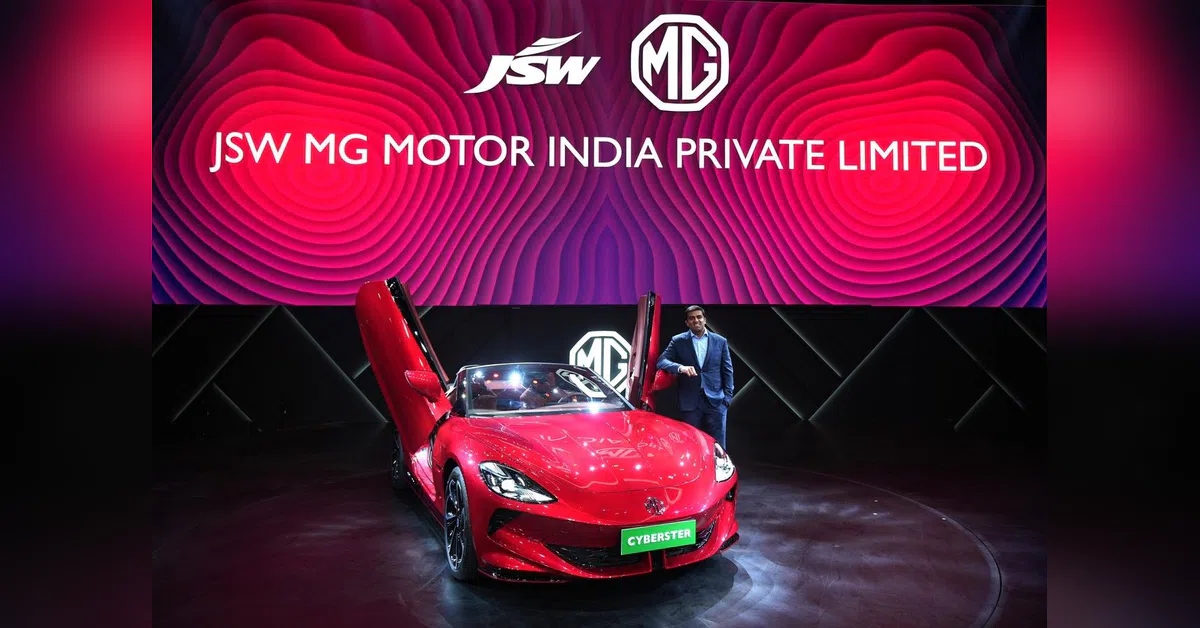
JSW Group’s entry into the automotive space has been marked by a multi-pronged strategy, involving both direct ventures and strategic partnerships. A prominent example is the joint venture with China’s SAIC Motor Corp., which culminated in the formation of JSW MG Motor India Pvt. Ltd. This partnership, announced in late 2023, saw JSW Group acquire a 35% stake in MG Motor India. The rationale behind this collaboration was to leverage MG’s existing manufacturing footprint in India and its established product portfolio, while injecting JSW’s capital and industrial expertise to expand production, localize the supply chain, and introduce new models, including EVs. The objective here is to strengthen MG’s position in the Indian market, especially in the EV segment, by bringing in a powerful domestic partner.
In parallel, JSW Group has also forged a separate partnership with Chery Automobile Co., another major Chinese automaker, specifically focusing on new-energy vehicles. While details of this collaboration are less public, it underscores JSW’s commitment to exploring multiple technological pathways and market segments within the NEV space. These partnerships demonstrate JSW’s pragmatic approach to market entry, utilizing the expertise and technology of established global players to gain a foothold and accelerate its learning curve.
Crucially, JSW Motors Ltd., the beneficiary of the SBI funding, represents a distinct and highly significant facet of this strategy. Unlike the joint ventures, JSW Motors is positioned to develop and launch a purely "homegrown" brand. This distinction is vital for India’s industrial narrative, as it aims to fill a void in indigenous passenger vehicle manufacturing that has persisted for decades since the initial wave of Indian automakers.
Milestones Leading to the Greenfield Project
The decision to establish a greenfield manufacturing facility in Maharashtra is the culmination of extensive planning and evaluation. Maharashtra, an industrially advanced state, offers several strategic advantages, including a robust industrial ecosystem, access to skilled labor, well-developed infrastructure (ports, roads, power), and proactive government policies to attract investment. The state has been a magnet for automotive investments, hosting numerous domestic and international players.
While specific public milestones leading directly to the Maharashtra plant announcement might not be extensively documented prior to this funding, the continuous strategic discussions within the JSW Group, coupled with the formation of the aforementioned partnerships, laid the groundwork. The group’s deep experience in setting up large-scale industrial projects, from steel plants to power facilities, provides an inherent capability to manage a complex undertaking like an automotive manufacturing unit. The greenfield project signifies JSW’s long-term commitment to not just assemble vehicles but to establish a full-fledged, integrated manufacturing capability, potentially encompassing everything from stamping and welding to painting and final assembly, along with R&D for product development. This comprehensive approach is essential for truly fostering a "homegrown" brand and ensuring deep localization, a key policy objective for the Indian government. The funding now provides the financial muscle to transform these ambitions into concrete reality, paving the way for construction and eventual production.
Supporting Data and Market Context
The significant investment in JSW Motors by SBI is not an isolated event but rather a reflection of a broader, transformative shift occurring within India’s automotive sector. The nation is rapidly embracing electric mobility, driven by a confluence of supportive government policies, increasing environmental awareness, and a growing consumer appetite for sustainable transportation solutions.
India’s Accelerating EV Ecosystem
India’s journey towards electric mobility has gained substantial momentum in recent years, evolving from nascent stages to a vibrant and competitive ecosystem. The government has been a primary catalyst, implementing a series of robust incentives and policies designed to accelerate EV adoption and domestic manufacturing. The flagship Faster Adoption and Manufacturing of Electric Vehicles (FAME-II) scheme offers subsidies for electric vehicles across various segments, making them more affordable for consumers. Complementing this, Production-Linked Incentive (PLI) schemes for Advanced Chemistry Cell (ACC) battery manufacturing and the automotive sector are crucial. These PLI schemes aim to attract global and domestic investments in local manufacturing of EVs, components, and especially batteries, which constitute a significant portion of an EV’s cost. By incentivizing local production, India seeks to reduce its reliance on imports, create jobs, and foster a self-reliant supply chain.
Beyond central government initiatives, several state governments have introduced their own EV policies, offering additional subsidies, road tax exemptions, and incentives for charging infrastructure development. This multi-layered policy support creates a favorable environment for both manufacturers and consumers. The charging infrastructure, though still evolving, is expanding rapidly, with both public and private players investing in setting up charging stations across cities and highways, addressing "range anxiety" – a key concern for potential EV buyers. Consumer demand is also surging, fueled by rising fuel prices, growing environmental consciousness, and the improving performance and variety of EV models available in the market. While two-wheelers and three-wheelers currently dominate the EV sales charts due to their affordability and utility, the passenger four-wheeler and commercial vehicle segments are witnessing accelerating growth, indicating a maturing market.
Competitive Landscape
JSW Motors enters a competitive, yet dynamic, market. The Indian EV passenger vehicle segment is currently dominated by domestic players like Tata Motors, which holds a commanding market share, and Mahindra & Mahindra, both of whom have made significant investments in their EV portfolios. International automakers suchibilities are also intensifying their presence. MG Motor, through its existing operations and now with JSW’s partnership, is a key player. Hyundai and Kia have introduced several EV models, while global giants like BYD are making inroads with their dedicated EV offerings. The market is also seeing the entry of new startups and niche players, each vying for a share of this rapidly expanding pie.
The challenges for new entrants include establishing brand recognition, building a robust dealer and service network, managing battery costs, and ensuring competitive pricing without compromising quality and features. Opportunities, however, abound. The market is still in its early growth phase, with immense potential for innovation in product design, battery technology, charging solutions, and digital integration. Localized manufacturing, as pursued by JSW Motors, can offer significant cost advantages and better responsiveness to specific Indian market demands.
Economic Impact and Investment Climate
The investment in JSW Motors is a tangible manifestation of the "Make in India" initiative, which aims to transform the country into a global manufacturing hub. A large-scale greenfield project like this promises significant economic benefits. It will lead to substantial job creation, not just directly within the manufacturing facility but also across the ancillary industries that supply components, raw materials, and services. This includes sectors like steel (a core JSW strength), plastics, electronics, and software development for in-car systems. The project will also foster technological advancement, as JSW Motors will likely invest heavily in R&D, design, and engineering capabilities, contributing to India’s intellectual capital and innovation ecosystem.
Furthermore, this investment underscores the confidence of domestic lenders in India’s long-term economic trajectory and its strategic sectors. The willingness of a leading bank like SBI to back such a capital-intensive, future-oriented project sends a strong signal to both domestic and international investors. It demonstrates that India has the financial infrastructure and the institutional backing to support large-scale industrial endeavors that are critical for its economic growth and transition towards a sustainable future. Such investments play a crucial role in mobilizing capital towards productive uses, driving overall economic growth, and enhancing India’s position in the global manufacturing landscape.
Official Responses and Strategic Outlook
The official statements and the broader strategic implications surrounding the JSW Motors funding paint a picture of deliberate expansion and a clear vision for the future of mobility in India. The company’s measured approach, coupled with the JSW Group’s extensive industrial background, suggests a well-thought-out entry into a highly competitive yet promising sector.
JSW Motors’ Stance
In response to queries, a spokesperson for JSW Motors affirmed the company’s laser focus on the "new energy passenger vehicle segment." This strategic clarity indicates that JSW Motors is not merely dabbling in the automotive space but is committing wholeheartedly to the future of sustainable transportation. The spokesperson emphasized the company’s ambition to build a "strong presence" in this segment, implying a long-term commitment to market leadership and not just a token entry. While specific details about the product lineup and launch timelines were reserved for announcement "at the appropriate time," this deferral is typical for companies in the pre-production phase, allowing them to fine-tune designs, secure supply chains, and optimize manufacturing processes before public disclosure.
Crucially, the vision articulated for JSW Motors aligns with the aspiration to create India’s first truly homegrown passenger vehicle brand in decades. This signifies a departure from relying solely on licensed technologies or completely imported designs. Instead, it suggests an intent to develop vehicles specifically tailored for Indian conditions, leveraging local engineering talent and potentially fostering a unique design language that resonates with the Indian consumer base. This "homegrown" identity is not just a matter of national pride but also offers potential advantages in terms of cost structures, adaptability, and market responsiveness.
Implications for the JSW Group
For the broader JSW Group, this automotive venture represents a significant step in its ongoing diversification strategy. While the group has traditionally excelled in foundational industries like steel, cement, and power generation, its foray into electric vehicles positions it at the forefront of a high-growth, technology-driven sector. This move allows the group to leverage its existing strengths in novel ways. For instance, JSW Steel, a core group entity, is a major supplier of automotive-grade steel. Establishing an in-house automotive manufacturing unit creates direct synergies, ensuring a captive demand for its high-quality steel products and potentially fostering innovation in material science tailored for EVs.
Similarly, the group’s presence in power generation can provide strategic advantages in developing charging infrastructure or ensuring sustainable energy supply for its manufacturing operations. Sajjan Jindal’s long-term vision for the group is clearly centered on creating an integrated industrial ecosystem, where various businesses complement and reinforce each other. The automotive venture, especially with its NEV focus, also aligns with the group’s broader commitment to sustainability and reducing its carbon footprint, positioning JSW as a responsible corporate citizen contributing to India’s climate goals. This strategic expansion is indicative of Jindal’s forward-looking leadership, constantly seeking new avenues for growth and value creation.
Broader Industry Reactions
The announcement of such a substantial funding line for JSW Motors has been met with general positive sentiment across both the automotive and financial sectors. Within the automotive industry, it signals renewed investment confidence in India’s manufacturing capabilities and its potential as a global EV hub. Competitors will undoubtedly be watching JSW Motors’ progress closely, as a new, well-funded domestic player could reshape market dynamics. For the financial sector, it reinforces the appetite for funding capital-intensive projects in strategic sectors, especially those aligned with national priorities like clean energy and manufacturing. This transaction could serve as a precedent, encouraging other financial institutions to evaluate and support similar ventures, thereby stimulating further investment and innovation in the EV space. Overall, it contributes to a robust and optimistic investment climate, reinforcing India’s appeal as a destination for large-scale industrial projects.
Implications and Future Trajectory
The substantial funding secured by JSW Motors is far more than just a financial transaction; it represents a powerful catalyst with profound implications for India’s industrial landscape, its clean energy transition, and its strategic pursuit of self-reliance. This development is set to influence various facets of the economy, from manufacturing capabilities to environmental objectives.
Catalyst for Domestic Manufacturing
At its core, JSW Motors’ greenfield facility is a direct embodiment of the "Make in India" initiative. By establishing a large-scale manufacturing unit for new energy vehicles, the company will significantly contribute to strengthening India’s domestic production capabilities in a high-tech sector. This move will reduce India’s reliance on imported vehicles and components, fostering greater self-sufficiency and enhancing national economic security. The project is expected to create a ripple effect across the manufacturing ecosystem. It will drive demand for localized components, encouraging ancillary industries to invest, innovate, and expand their operations. This includes everything from battery pack assembly and motor manufacturing to sophisticated electronics, plastics, and specialized steel – areas where the JSW Group itself possesses considerable expertise. The establishment of a new vehicle brand and manufacturing unit also signals a move towards higher value addition within the country, potentially fostering indigenous R&D and design capabilities, thereby moving beyond mere assembly to comprehensive product development.
Shaping India’s Mobility Future
The entry of a major industrial house like JSW into the EV passenger vehicle segment is a significant step towards accelerating India’s transition to sustainable mobility. It contributes directly to India’s ambitious climate goals and its commitment to achieving net-zero emissions. By increasing the supply of domestically produced EVs, JSW Motors will help drive down costs through economies of scale, making electric vehicles more accessible and affordable for a wider segment of the population. This, in turn, will accelerate EV adoption rates, leading to a reduction in fossil fuel consumption and a significant decrease in vehicular emissions, particularly in urban areas. The project also sets a benchmark for large-scale greenfield investments in the clean energy sector, potentially inspiring other conglomerates and startups to invest in EV manufacturing and related technologies. It signifies a collective national effort to move towards a cleaner, greener transportation future.
Challenges and Opportunities Ahead
While the funding marks a significant milestone, JSW Motors’ journey is not without its challenges. The execution of a greenfield manufacturing facility of this scale is inherently complex, involving meticulous planning, timely construction, and the successful integration of advanced manufacturing processes. The company will face intense competition from established domestic players like Tata Motors and Mahindra, as well as a growing roster of international automakers who are aggressively expanding their EV portfolios in India. Product differentiation, technological superiority, and competitive pricing will be crucial for market penetration and sustained success.
Furthermore, building a robust and resilient supply chain, especially for critical EV components like batteries and semiconductors, remains a global challenge. JSW Motors will need to navigate these complexities, potentially through strategic alliances and localized sourcing initiatives. Staying abreast of rapid technological advancements in battery chemistry, motor efficiency, and autonomous driving features will also be paramount to remain competitive.
However, these challenges are matched by immense opportunities. India’s vast and underserved market, coupled with strong government support for EVs, presents a fertile ground for growth. JSW Motors has the chance to carve out a unique niche by offering vehicles specifically designed for Indian consumer preferences, leveraging its deep understanding of the local market. The opportunity to contribute to India’s energy security, reduce pollution, and create a sustainable industrial base positions JSW Motors at the forefront of a transformative era.
In conclusion, the ₹8,000 crore funding from State Bank of India to JSW Motors is a powerful testament to India’s burgeoning potential in the electric vehicle sector. It underscores the confidence of domestic financial institutions in the country’s manufacturing capabilities and its strategic vision for sustainable growth. As JSW Motors embarks on this ambitious journey to establish India’s next homegrown automotive brand, its success will undoubtedly play a pivotal role in shaping the nation’s mobility future and solidifying its position on the global EV map.
