

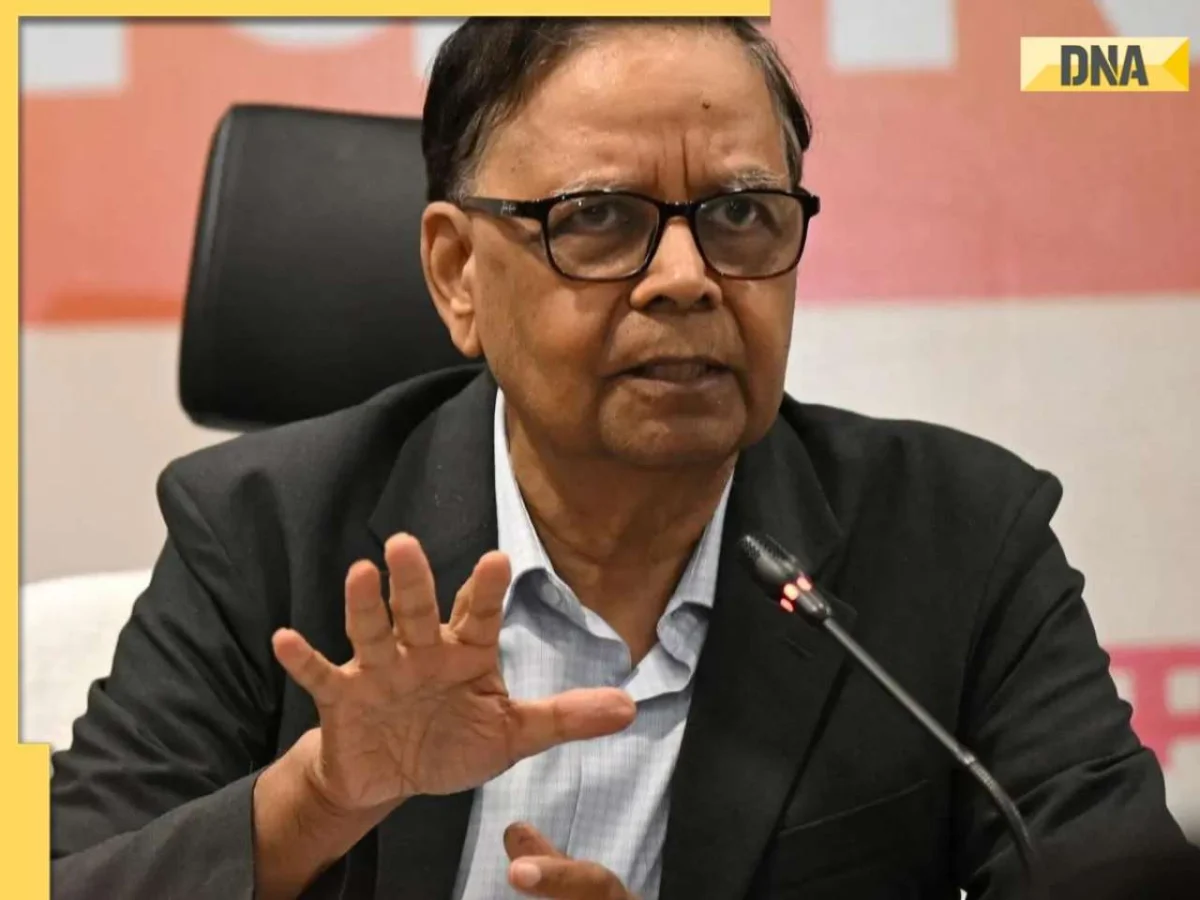
New Delhi, [May 22, 2026] – In a significant and highly unconventional advisory, Arvind Panagariya, the esteemed Chairman of the 16th Finance Commission, has urged the Reserve Bank of India (RBI) to abandon its efforts to defend the Indian Rupee, advocating instead for its depreciation. Panagariya’s candid counsel, delivered amidst growing market jitters as the rupee briefly touched the psychologically significant 100-per-dollar mark in the one-year forward market, challenges conventional wisdom and calls for a strategic reassessment of India’s exchange rate policy. His core message: "100 is just a number," and attempts to artificially prop up the currency will only lead to a dangerous depletion of vital foreign exchange reserves.
The former NITI Aayog Vice Chairman, renowned for his market-oriented economic philosophy, articulated his stance through a series of posts on the microblogging platform X (formerly Twitter). He underscored that the central bank should not allow the perceived barrier of Rs 100 per dollar to dictate its monetary policy decisions. Panagariya’s intervention comes at a critical juncture for the Indian economy, grappling with global economic volatilities, including persistent concerns over energy prices and their cascading effects on trade balances and inflation.
Panagariya’s Unconventional Wisdom: A Call for Market Realism
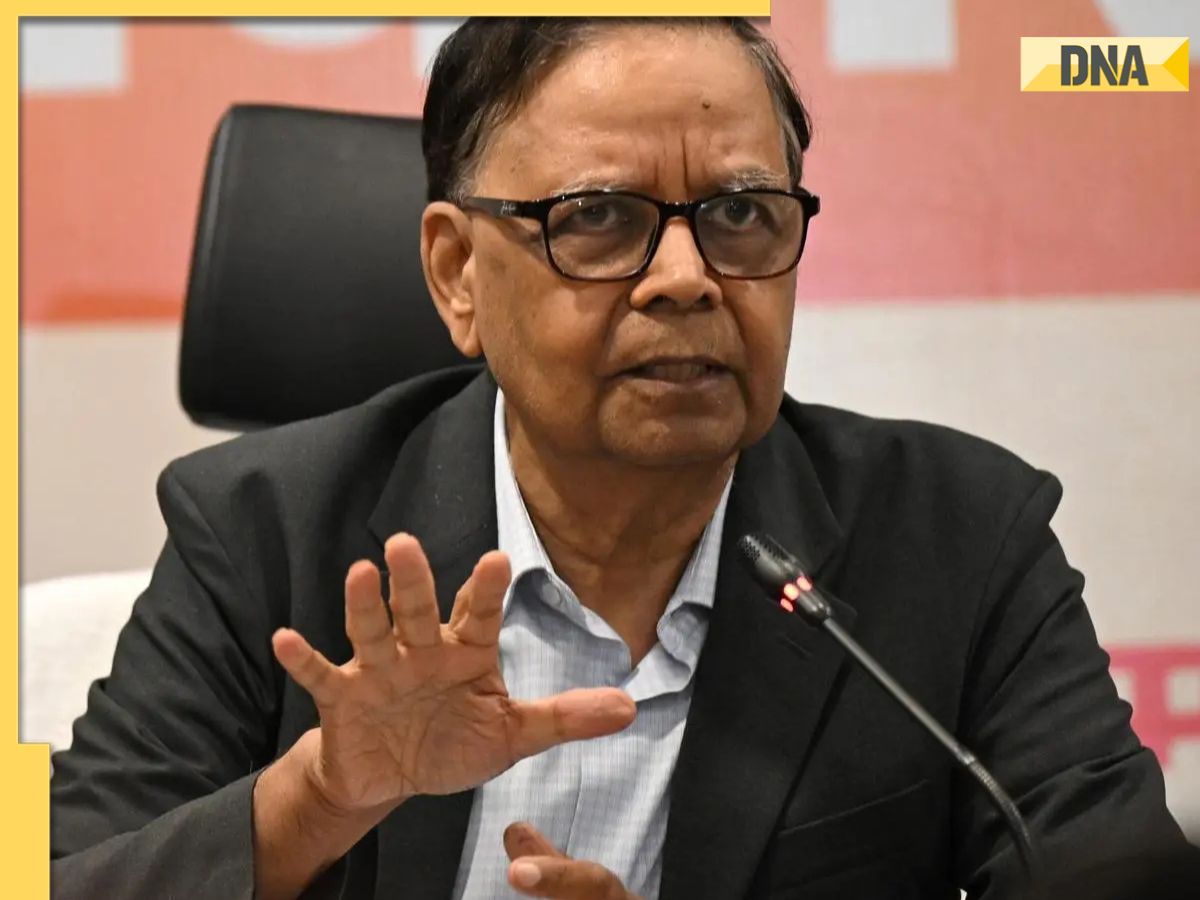
Panagariya’s "big advice" to the RBI is rooted in a fundamental belief in market mechanisms and the perils of interventionist policies that run counter to underlying economic realities. He explicitly stated, "Do not let the psychology of Rs 100 per dollar determine your policy response. 100 is just a number, like 99 and 101. Whether the oil shortage is short-lived or long-lived, the right response at this moment is to let the rupee depreciate." This statement directly confronts the long-held inclination of central banks, including the RBI, to intervene in foreign exchange markets to smooth volatility or prevent sharp depreciations, often out of concerns for inflation and investor confidence.
His primary argument against defending the rupee is the unsustainable drain on India’s foreign exchange reserves. Panagariya cautioned that "defending the rupee will continue to bleed the foreign exchange reserves until they are exhausted." This highlights a critical trade-off: maintaining a seemingly stable exchange rate at the cost of depleting a nation’s financial buffers, which are crucial for managing external shocks and ensuring financial stability. He dismissed alternative measures such as dollar-denominated bonds or high-interest NRI deposits as mere "band-aids," asserting that the rupee would eventually have to cross the 100-per-dollar psychological barrier anyway.
)
The Rupee’s Perilous Path: A Chronological Overview
The backdrop to Panagariya’s strong recommendations is a period of sustained pressure on the Indian Rupee. For several months leading up to May 2026, the rupee had been exhibiting signs of weakening, largely driven by a confluence of global and domestic factors.
The ‘100-per-Dollar’ Threshold
The immediate trigger for Panagariya’s public statement was the rupee touching the 100-per-dollar mark in the one-year forward market on Wednesday, May 21, 2026. While the spot market rate might have been slightly lower, the forward market reflects expectations of future exchange rates, and hitting this triple-digit figure served as a stark psychological warning for many market participants and policymakers. The breach in the forward market indicated a strong market expectation of further depreciation in the coming year, signaling underlying anxieties about India’s external position and the global economic outlook.

This psychological threshold often becomes a self-fulfilling prophecy, triggering capital outflows and further downward pressure on the currency. Historically, central banks have viewed such round numbers as critical levels to defend, fearing a loss of confidence if they are breached. Panagariya’s advice directly challenges this traditional mindset, urging the RBI to look beyond arbitrary numerical benchmarks and focus on economic fundamentals.
A History of Intervention
The RBI has a well-documented history of intervening in the foreign exchange market, typically to curb excessive volatility or prevent sharp depreciations. Such interventions usually involve selling dollars from its reserves to buy rupees, thereby strengthening the domestic currency. While these actions can provide short-term stability, they come at a cost. During periods of sustained dollar demand, continuous intervention can significantly erode foreign exchange reserves, which are crucial for import cover, managing external debt, and reassuring international investors.
)
In recent years, the RBI has had to judiciously manage its reserves, particularly amidst global tightening cycles and geopolitical uncertainties. The central bank’s stated policy is to intervene only to address "disorderly movements" in the exchange rate, not to target a specific level. However, the market often interprets specific levels, like 80, 85, or now 100, as unspoken lines in the sand that the RBI might defend. Panagariya’s advice is a direct challenge to this implicit policy, advocating for a more hands-off approach even in the face of significant numerical milestones.
The Economic Calculus: Why Depreciation Might Be Prudent
Panagariya’s argument for allowing the rupee to depreciate is grounded in established economic principles, particularly concerning trade balances, capital flows, and the sustainable management of reserves.
)
Boosting Exports and Current Account Correction
A depreciated rupee makes Indian exports cheaper and more competitive in international markets. For instance, if a product costs Rs 5,000 to produce, and the rupee depreciates from 90 to 100 per dollar, the dollar price of that product drops from approximately $55.5 to $50, making it more attractive to foreign buyers. This boost in export competitiveness can help narrow India’s current account deficit, a critical economic indicator reflecting the balance of trade in goods and services, as well as net income and transfers.
Conversely, a weaker rupee makes imports more expensive, which can discourage non-essential imports and encourage import substitution. While this might lead to higher prices for imported goods in the short term, it can incentivize domestic production, fostering local industries and reducing reliance on foreign goods over the long run. Panagariya’s stance implicitly suggests that the benefits of improved trade balance and domestic industrial growth outweigh the immediate inflationary pressures from higher import costs.
)
The Peril of Dwindling Reserves
Foreign exchange reserves are a nation’s war chest against external economic shocks. They serve multiple purposes: covering import bills, servicing external debt, maintaining confidence among international investors, and providing the central bank with ammunition to manage currency volatility in times of crisis. As of early 2026, India’s reserves, while substantial, had faced intermittent pressure due to global capital outflows and the RBI’s past interventions.
Panagariya’s warning that defending the rupee would "bleed the reserves until they are exhausted" highlights the unsustainability of prolonged intervention. Each dollar sold by the RBI to prop up the rupee is a dollar less available for future emergencies. A drastic depletion of reserves can trigger a crisis of confidence, leading to capital flight, sovereign rating downgrades, and a spiraling economic downturn, as witnessed in several emerging markets historically. Therefore, allowing a market-determined depreciation, while potentially painful in the short term, preserves these vital buffers for genuine crises.
)
Inflationary Concerns vs. Structural Adjustments
One of the primary arguments against currency depreciation is its inflationary impact. A weaker rupee makes imported goods, especially commodities like crude oil, more expensive in local currency terms. Since India is a significant importer of oil, edible oils, and other essential goods, a depreciating rupee can fuel imported inflation, potentially impacting household budgets and challenging the RBI’s inflation-targeting mandate.
However, Panagariya’s advice implies a strategic acceptance of this short-term inflationary pressure in exchange for a more sustainable long-term economic adjustment. He suggests that this temporary discomfort is preferable to the alternative of exhausting reserves or imposing capital controls, which can stifle economic activity. Furthermore, a depreciating rupee, by improving export competitiveness and encouraging domestic production, can lay the groundwork for a more structurally sound economy less vulnerable to external shocks in the future.
)
Global Headwinds and India’s Resilience
The global economic landscape in 2026 continues to be characterized by uncertainty. High global inflation, particularly in energy and food, has prompted central banks worldwide to maintain tight monetary policies. Geopolitical tensions, supply chain disruptions, and uneven global growth prospects contribute to a volatile environment for currencies. In such a scenario, emerging market currencies are particularly vulnerable to capital outflows as investors seek safer havens or higher returns in developed markets.
India, despite its strong economic fundamentals and robust growth trajectory, is not immune to these global headwinds. The country’s reliance on imported crude oil makes it particularly susceptible to global oil price fluctuations. Panagariya’s advice acknowledges these external pressures and suggests that instead of fighting against strong global currents, India should allow its currency to adjust naturally, absorbing the shock through the exchange rate mechanism rather than through its reserve pile.
)
The RBI’s Dual Mandate: Balancing Growth and Stability
The Reserve Bank of India operates under a flexible inflation targeting framework, with a primary objective of maintaining price stability while keeping in mind the objective of growth. Managing the exchange rate is a complex part of this mandate. While a stable rupee can contribute to price stability by containing imported inflation, an overvalued or artificially propped-up rupee can hinder export growth and lead to a build-up of external imbalances.
Panagariya’s counsel challenges the RBI to prioritize the long-term health of the economy and the sustainability of its reserves over the immediate optics of currency stability. It pushes the central bank to potentially reconsider its interpretation of "disorderly movements" and allow for more significant, market-driven adjustments.
)
Navigating Uncertainty: Short-lived vs. Long-lasting Oil Shocks
A key strength of Panagariya’s argument lies in his consideration of different scenarios for the underlying cause of the rupee’s pressure, specifically referencing an "oil shortage." He posits that regardless of whether the oil shortage is temporary or prolonged, allowing depreciation is the correct policy response.
Short-term Volatility, Long-term Recovery
In the scenario where the "oil shortage is short-lived (3 months to a year)," Panagariya argues that the rupee will depreciate initially but will "substantially recover once the oil-import bill shrinks and foreign capital seeks Indian investments precisely to take advantage of the ‘cheap’ rupee." This highlights the self-correcting nature of a flexible exchange rate regime. A temporary depreciation makes Indian assets and investments cheaper for foreign investors, attracting capital inflows that would naturally lead to a subsequent appreciation of the rupee once the underlying shock subsides. By intervening and preventing this initial depreciation, the RBI would not only deplete reserves but also deny the economy the opportunity to attract "bargain-hunting" foreign capital that could aid recovery.
)
Enduring Challenges: The Folly of Prolonged Defense
Conversely, if the "oil shortage is long-lasting (one to an unknown number of years)," Panagariya warns that "a resort to anything other than depreciation will be a losing proposition." In this more severe scenario, attempting to defend the rupee would be akin to fighting an unwinnable battle, continuously draining reserves without addressing the fundamental imbalance. The eventual outcome, he suggests, would be an inevitable depreciation anyway, but one that occurs from a position of weakness, with depleted reserves and potentially diminished investor confidence.
He further elaborated on the inadequacy of stop-gap measures: "Nor would the dollar-denominated bonds or high-interest dollar-denominated NRI deposits turn out to be more than a band-aid. Eventually, you will have to cross the 100-rupee-per-dollar psychological barrier." This emphasizes that structural issues require structural solutions, and delaying the inevitable only exacerbates the eventual adjustment cost.
)
The Central Bank’s Stance: Navigating Market Pressures
While the Reserve Bank of India has not issued an official response to Panagariya’s specific advice, central banks typically maintain a nuanced position on exchange rate management.
RBI’s Prudent Approach
The RBI’s public statements often reiterate its commitment to managing volatility and maintaining an orderly foreign exchange market, without targeting a specific exchange rate level. This allows the central bank flexibility to intervene when movements are deemed "disorderly" or driven by speculation, rather than fundamental economic factors. However, the definition of "disorderly" can be subjective, and market participants often interpret sharp movements towards psychological thresholds as potential triggers for intervention.
)
Panagariya’s advice, by explicitly advocating for non-intervention even at a significant psychological level, pushes the boundaries of this conventional central bank approach. It suggests that allowing the market to find its true equilibrium, even if it means breaching numerical barriers, is ultimately more prudent than expending valuable reserves.
Diverse Economic Perspectives
Panagariya’s views, while impactful, are not universally shared among economists and policymakers. Some economists might argue that a sudden depreciation could indeed trigger excessive inflation, harm consumer purchasing power, and create financial instability for companies with significant dollar-denominated debt. Others might highlight the importance of maintaining a stable currency for investor confidence and attracting long-term foreign direct investment (FDI).
)
The debate over currency intervention versus market-determined rates is a perennial one in economics, with valid arguments on both sides depending on the specific economic context and policy objectives. Panagariya’s intervention, however, adds considerable weight to the argument for a more flexible and market-oriented exchange rate policy for India, especially given his stature and the current economic climate.
Far-Reaching Implications: What This Means for India
Should the RBI heed Panagariya’s advice, the implications for the Indian economy, businesses, and consumers would be substantial and multifaceted.
)
Impact on Businesses and Consumers
For Indian businesses, particularly exporters, a depreciated rupee would be a boon, making their products more competitive globally and potentially boosting their profit margins in rupee terms. Sectors like IT services, textiles, pharmaceuticals, and manufacturing could see increased demand. However, importers, especially those reliant on raw materials or components from abroad, would face higher input costs, potentially squeezing their margins or forcing them to pass on costs to consumers.
Consumers would likely experience a mixed bag. Imported luxury goods, electronics, and travel abroad would become more expensive. Crucially, the cost of petrol and diesel, heavily influenced by global crude oil prices and the dollar-rupee exchange rate, would rise, leading to higher transportation costs and potentially impacting the prices of essential goods. This could fuel inflation, at least in the short to medium term, affecting household budgets. However, in the long run, increased domestic production stimulated by import substitution could offer more affordable alternatives.
)
Investor Sentiment and Capital Flows
The immediate reaction of foreign investors to a significant depreciation might be mixed. Some portfolio investors (FIIs) might initially view it negatively, fearing a loss in the dollar value of their rupee-denominated assets. However, a more stable and market-driven exchange rate policy, coupled with the preservation of foreign exchange reserves, could ultimately be seen as a sign of financial prudence and economic strength by long-term investors (FDI). A "cheap" rupee could also attract foreign capital seeking to invest in Indian assets at more favorable valuations, as Panagariya himself suggested. The clarity that the RBI is not fighting market forces might also reduce uncertainty, which is often a deterrent for investors.
A Paradigm Shift in Monetary Policy?
Panagariya’s advice, if adopted, could signify a subtle yet profound shift in the RBI’s approach to exchange rate management. It would underscore a greater commitment to market-determined exchange rates and a more cautious approach to utilizing foreign exchange reserves for currency defense. Such a move would align India more closely with other major economies that largely allow their currencies to float freely, intervening only in exceptional circumstances. It would also empower the RBI to focus more squarely on its core mandate of inflation targeting, with fewer distractions from managing day-to-day currency fluctuations.
)
The decision before the RBI is complex, balancing immediate economic stability with long-term financial health. Panagariya’s intervention injects a powerful, market-centric perspective into this critical policy debate, challenging the central bank to transcend psychological barriers and embrace economic realism for India’s enduring prosperity.
