

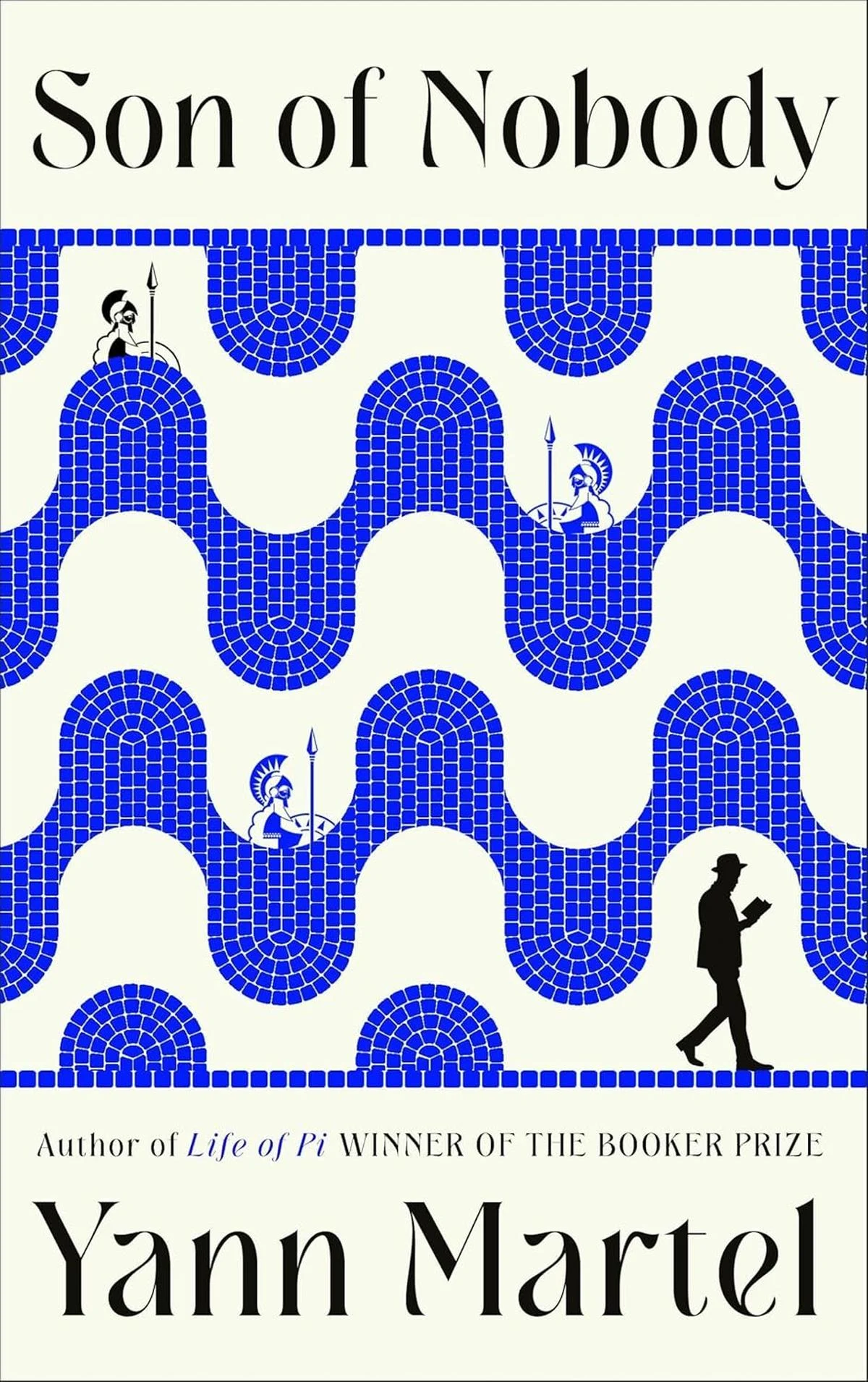
SASKATOON — For more than two decades, Yann Martel has occupied a singular space in the global literary consciousness. Ever since the 2002 Man Booker Prize-winning Life of Pi transformed from a sleeper hit into a cultural phenomenon, Martel has been regarded as a writer obsessed with the mechanics of belief. After a ten-year hiatus from the novel form, Martel has returned with Son of Nobody (Canongate), a work that challenges the boundaries of historical fiction, academic satire, and psychological drama.
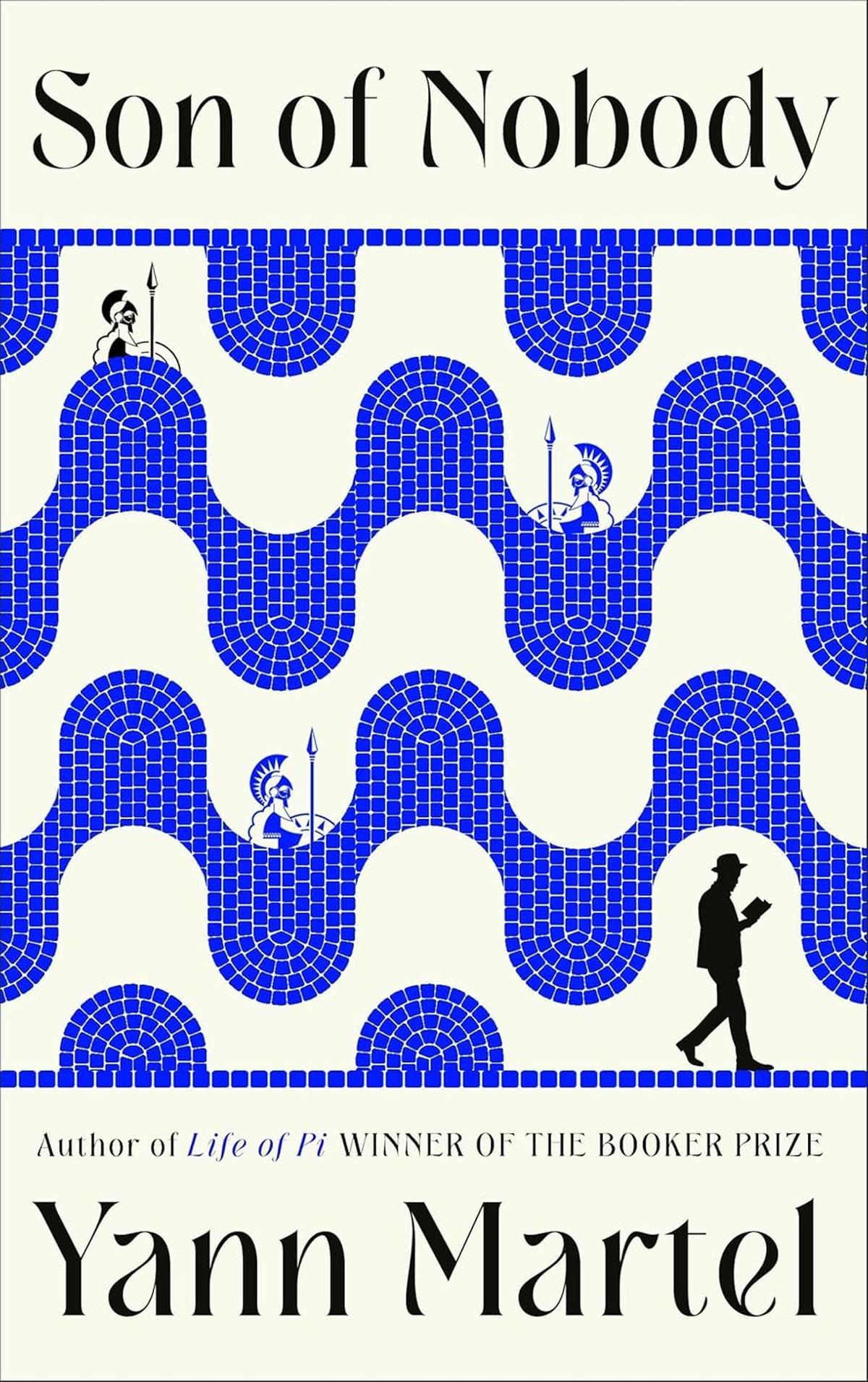
In this latest offering, Martel does not merely tell a story; he constructs a literary labyrinth. The novel centers on a fictitious lost epic of the Trojan War titled "The Psoad," presented alongside an exhaustive series of footnotes written by a grieving, struggling protagonist named Harlow. Through this experimental structure, Martel explores the breakdown of a decade-long marriage, mirroring the legendary ten-year siege of Troy.
In a wide-ranging discussion, Martel delves into the nature of myth, the "ordinariness" of the common citizen, and why a failing relationship is every bit as epic as a battlefield strewn with heroes.
I. Main Facts: A Meta-Fictional Odyssey
Son of Nobody is a departure from the survivalist linearity of Life of Pi and the allegorical experimentation of Beatrice and Virgil. The novel is presented as a translation of a newly discovered ancient text—"The Psoad"—purportedly an alternative account of the Trojan War. However, the true narrative engine lies in the margins.

The Protagonist and the "Psoad"
The story follows Harlow, a man whose personal life is in a state of catastrophic collapse. As he "translates" and annotates the ancient text, it becomes increasingly clear to the reader that the lines between the ancient myth and Harlow’s modern misery are blurring. The protagonist uses the legendary conflict between the Greeks and Trojans to process the "war" within his own home.
Structural Innovation: The Starring Footnote
Martel utilizes the footnote—a device traditionally reserved for dry academic clarification—to carry the emotional heart of the novel. While the main text recounts the brutal, mythic exploits of Psoas of Midea (the "son of nobody"), the footnotes reveal Harlow’s deteriorating mental state, his resentment toward his wife, and his desperate attempt to find meaning in his own perceived failures.
II. Chronology: From the Pacific Ocean to the Gates of Troy
To understand the weight of Son of Nobody, one must look at the timeline of Martel’s career and the decade of silence that preceded this release.
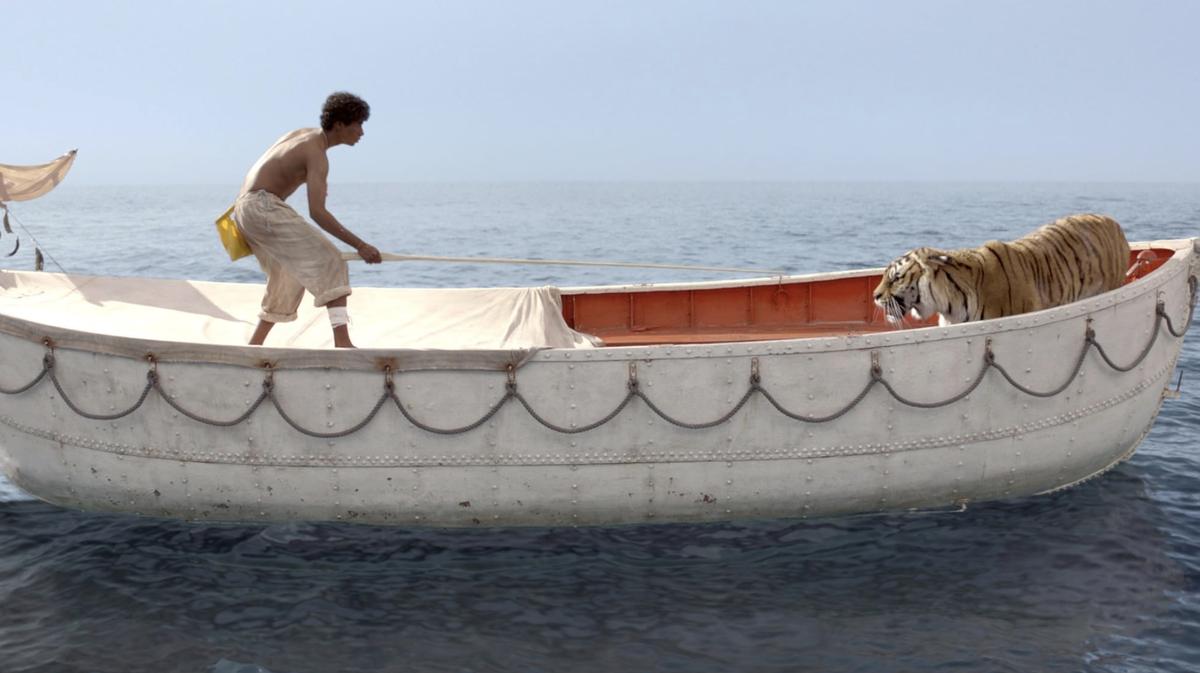
- 2001–2002: The Global Breakthrough. Martel releases Life of Pi. The novel wins the Booker Prize and goes on to sell over 12 million copies, later becoming an Academy Award-winning film by Ang Lee. It establishes Martel as a master of "the story that makes you believe in God."
- 2010: The Controversial Pivot. Martel publishes Beatrice and Virgil, an allegorical look at the Holocaust through the lens of a donkey and a howler monkey. The book receives polarizing reviews, sparking intense debate about the limits of allegory in representing historical trauma.
- 2016: The Mountains of Portugal. The High Mountains of Portugal is released, exploring grief through three interlocking stories. While successful, it signals a shift toward more fragmented, experimental narratives.
- 2016–2026: The Decade of Research. Martel retreats from the novel, spending years researching the classics, the history of the Trojan War, and the philosophical underpinnings of Western consciousness.
- 2026: The Release of Son of Nobody. Martel returns to the spotlight with a novel that synthesizes his interests in myth, translation, and the psychological utility of storytelling.
III. Supporting Data: The Mechanics of Modern Myth-Making
The central thesis of Martel’s new work is that myths are not static artifacts of the past but living organisms that must be "owned" by each generation.

Myth vs. Fact
In his interview, Martel highlights a provocative stance on The Iliad. He asserts that Homer’s epic is "a myth, with no historical facts to back it." By placing his fictitious "Psoad" on the same footing as The Iliad, Martel argues that the "truth" of a story is found in its resonance rather than its archaeology.
"A newfangled story is no less true [or false] than an old myth," Martel notes. This philosophical stance serves as the bedrock for Harlow’s character. For a man who has lost his marriage and his sense of purpose, the "fact" of his failure is less important than the "myth" he constructs to survive it.
The Parallel of the Siege
The decision to mirror the Trojan War with a failing marriage is a calculated risk. A ten-year siege—marked by blood, divine intervention, and the fall of a city—is juxtaposed against the quiet, domestic erosion of a couple.
- The Duration: Both the war and the marriage last a decade.
- The Toll: Martel argues that the "hell" of a literal war is metaphorically identical to the "hell" of a domestic war.
- The Stakes: For the soldier, the stake is immortality; for the husband, the stake is the preservation of the self.
IV. Official Responses: Martel on the "Western Consciousness"
During the interview, Martel provided deep insights into the symbolic names and philosophical pillars that support the novel.
The "Pessoa" Connection
When asked about the similarity between the name of his ancient soldier, Psoas, and the Portuguese poet Fernando Pessoa, Martel embraced the "co-creation" of the text by the reader. Pessoa was famous for his "heteronyms"—imaginary personas with their own biographies and writing styles. Similarly, Psoas serves as a heteronym for Harlow, allowing the protagonist to express the agony and wrath that he cannot voice in his everyday life.
The Two Feet of the West
Martel offers a striking metaphor for the development of Western thought, suggesting it walks on "two feet."
- The Foot of Troy (Wrath): Represented by The Iliad, this is the path of conflict, pride, and the struggle for glory.
- The Foot of Jesus (Love): Represented by the New Testament, this is the path of sacrifice, forgiveness, and communal healing.
Martel suggests that Harlow is currently stuck on the "Troy" foot. He is mired in the wrath and disappointment of his failed marriage. The novel poses the question: can a person move forward if they cannot find the "other foot" of love and forgiveness?
V. Implications: The Elevation of the Commoner
Perhaps the most significant literary implication of Son of Nobody is Martel’s insistence on the "starring role" of the footnote. This is not merely a stylistic quirk; it is a political and social statement.

The Democratization of the Epic
By naming his hero "Psoas of Midea, the son of nobody," and placing his story in the footnotes, Martel seeks to center the "essential ordinary citizen."
"History and institutions loom over us," Martel explains. "But does that diminish the emotional weight each of us carries within ourselves?"
In traditional epics, the common soldier is cannon fodder for the whims of kings like Agamemnon or heroes like Achilles. In Martel’s world, the commoner’s voice—the "lowly" footnote—is where the real history of the human heart is written.
The Future of the Novel
Son of Nobody suggests that the future of the novel may lie in "meta-fiction"—stories about the stories we tell. As digital media fragments our sense of reality, Martel’s work reflects a world where we are all "translators" of our own lives, trying to find a narrative thread that can withstand the weight of our disappointments.
Conclusion
Yann Martel’s return is a reminder that literature’s greatest power is not to document what happened, but to provide a framework for what we feel. Son of Nobody is a dense, challenging, and ultimately rewarding exploration of the myths we inhabit. As Martel concludes, "You can’t really trivialise a myth; you can only fail to make it your own." In this novel, Martel has certainly made the myth of Troy his own, transforming an ancient war into a poignant map of the modern soul.
For further inquiries regarding the publication and availability of ‘Son of Nobody’, contact Canongate Books or visit the author’s official portal.
Article by: [Staff Writer]
Interview Excerpts provided by: The Hindu
Date: May 22, 2026
