

Main Facts: The Essential Nature of Greece’s Most Famous Export
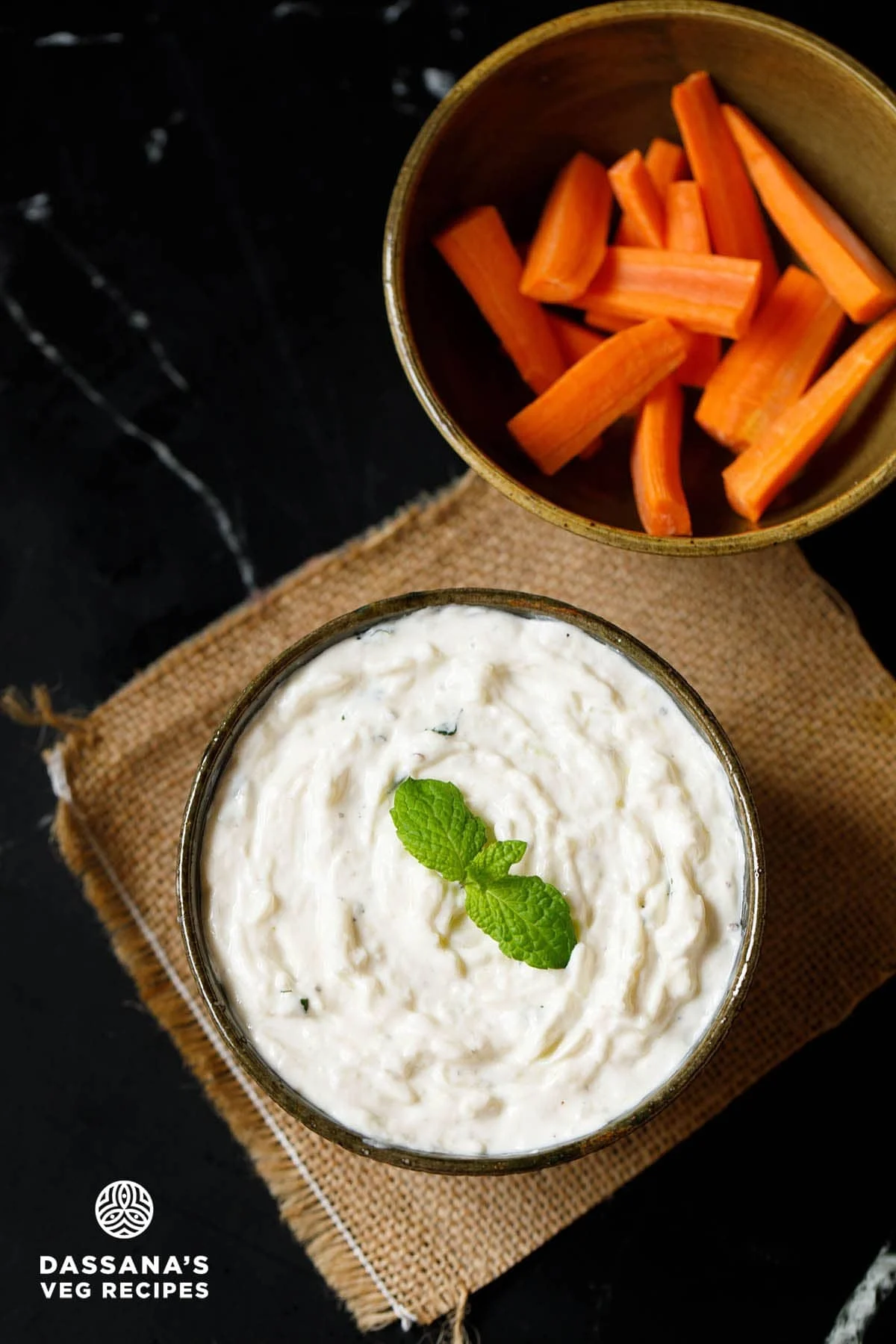
Tzatziki, a cornerstone of Hellenic gastronomy, is far more than a simple condiment. It is a sophisticated, nutrient-dense yogurt-based sauce that embodies the principles of the Mediterranean diet—freshness, simplicity, and balance. Traditionally composed of strained Greek yogurt, grated cucumber, garlic, olive oil, and fresh herbs, this versatile preparation serves as a dip, a side dish, and a fundamental component of iconic street foods like gyros and souvlaki.
While its roots are firmly planted in the Aegean, Tzatziki has achieved a status of global ubiquity. In the modern culinary landscape, it is recognized not only for its cooling properties and sharp, tangy flavor profile but also for its significant nutritional benefits. High in protein, rich in probiotics, and relatively low in calories compared to mayonnaise-based dressings, Tzatziki has become a staple for health-conscious consumers and professional chefs alike.
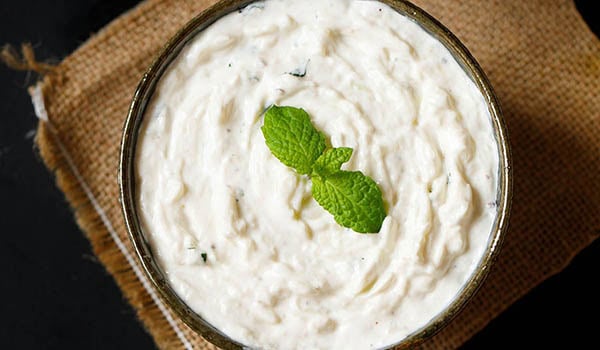
The preparation of an authentic Tzatziki is a study in texture management. The contrast between the thick, velvety yogurt and the crisp, hydrated cucumber creates a sensory experience that is both refreshing and indulgent. As Mediterranean cuisine continues to dominate global food trends, understanding the technical nuances and cultural history of Tzatziki offers a window into the broader evolution of international dining.
Chronology: The Evolution from Ancient Roots to Modern Kitchens
Historical Origins and Regional Variations
The lineage of Tzatziki can be traced back through several centuries of Ottoman and Byzantine history. Its name is derived from the Turkish word cacık, which refers to a similar family of dishes found throughout the Middle East and the Balkans. Historically, these yogurt-based preparations were designed to provide hydration and cooling in the arid climates of the Eastern Mediterranean.
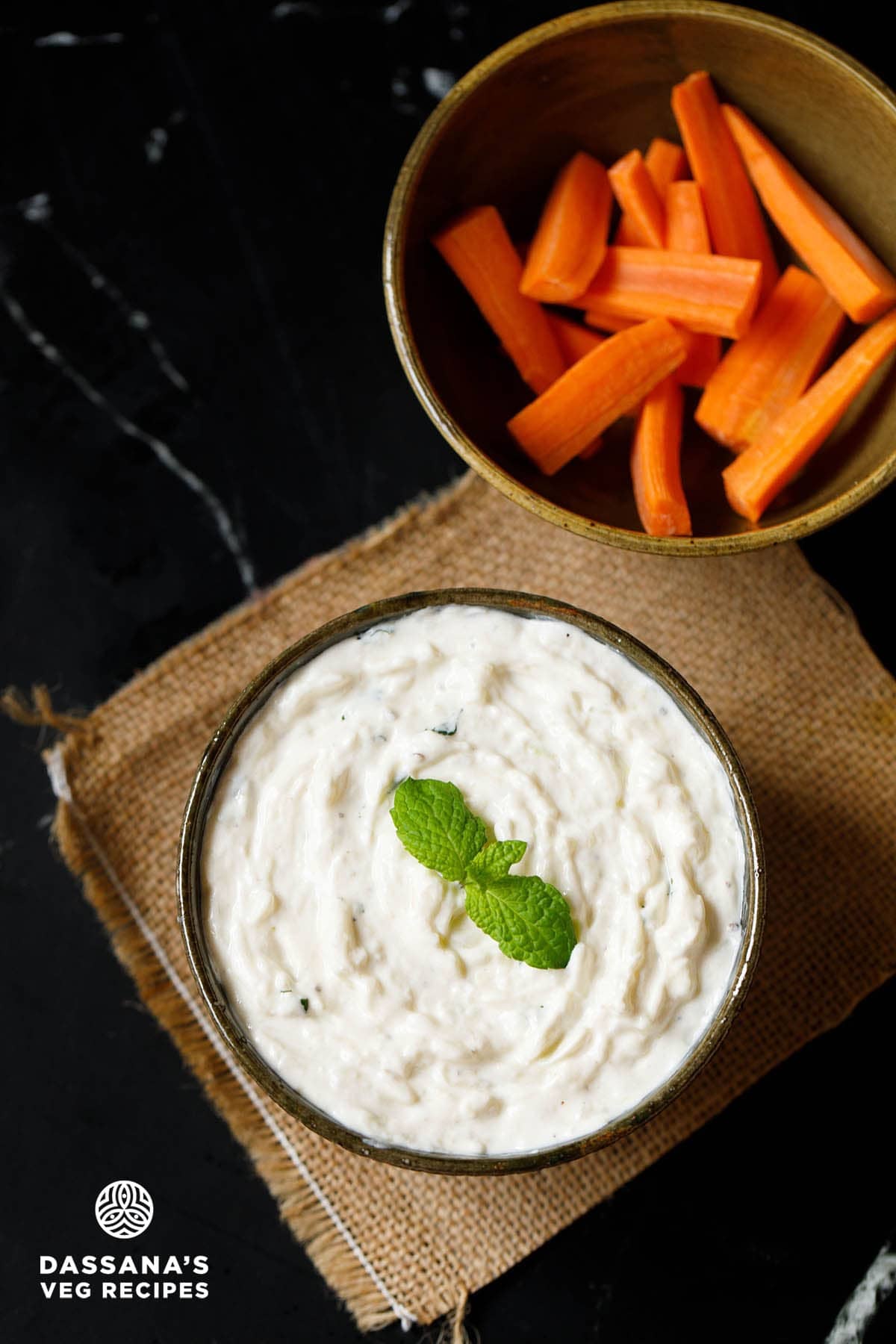
While the Greek iteration—Tzatziki—is perhaps the most internationally recognized, it exists within a broad spectrum of regional cousins:
- Turkey: Cacık is often served as a more liquid soup or a thick dip, sometimes garnished with dried sumac or Aleppo pepper.
- The Balkans: In Bulgaria and North Macedonia, Tarator is a liquid version of the sauce, frequently served as a cold soup during summer months.
- The Indian Subcontinent: Raita serves a similar functional purpose—tempering the heat of spicy dishes—though it typically uses unstrained curd and incorporates roasted cumin or chili powder rather than garlic and olive oil.
The Modern Preparation Process
The creation of a professional-grade Tzatziki follows a specific chronological sequence designed to preserve the integrity of the ingredients:
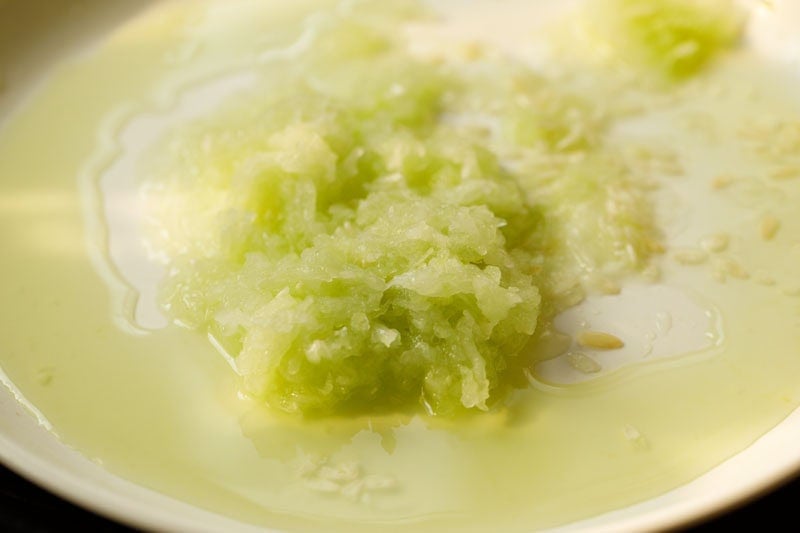
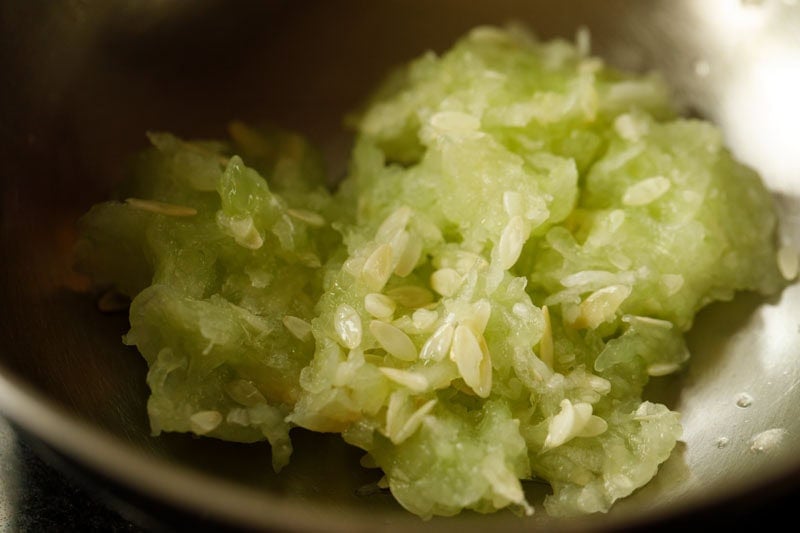
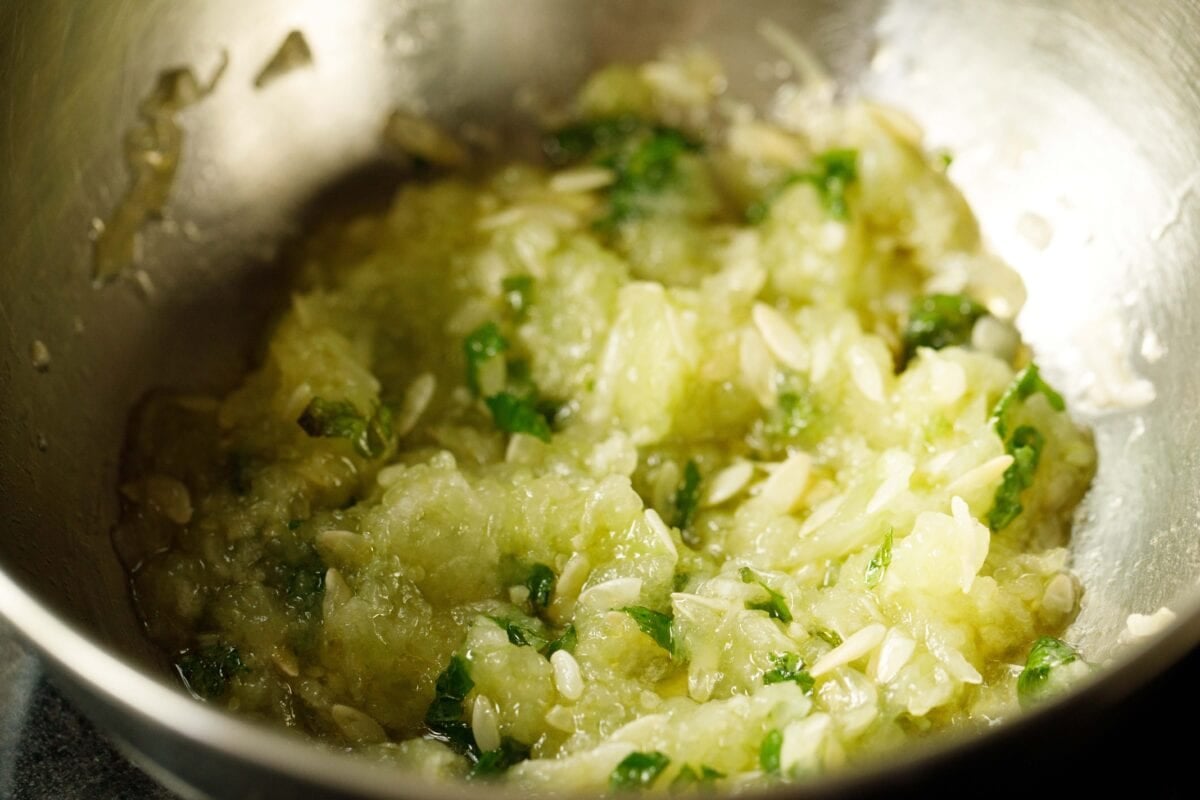
- Preparation of the Cucumber: A medium cucumber (approximately 200 grams) is peeled and grated. Journalistic culinary standards emphasize the use of English or Persian cucumbers due to their thinner skins and smaller seed counts.
- Desiccation (The Squeezing Phase): This is the most critical technical step. The grated cucumber is subjected to pressure—either by hand or through a muslin cloth—to expel excess water. Skipping this step results in a "watery" emulsion that lacks the necessary viscosity.
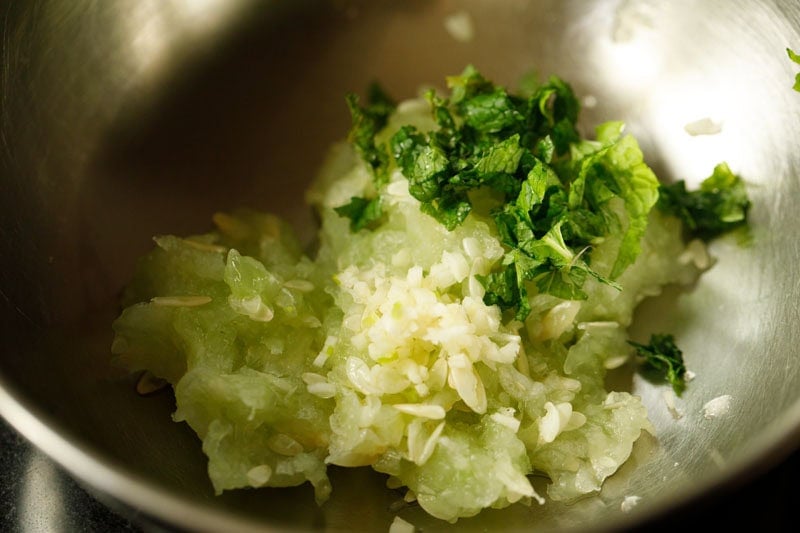
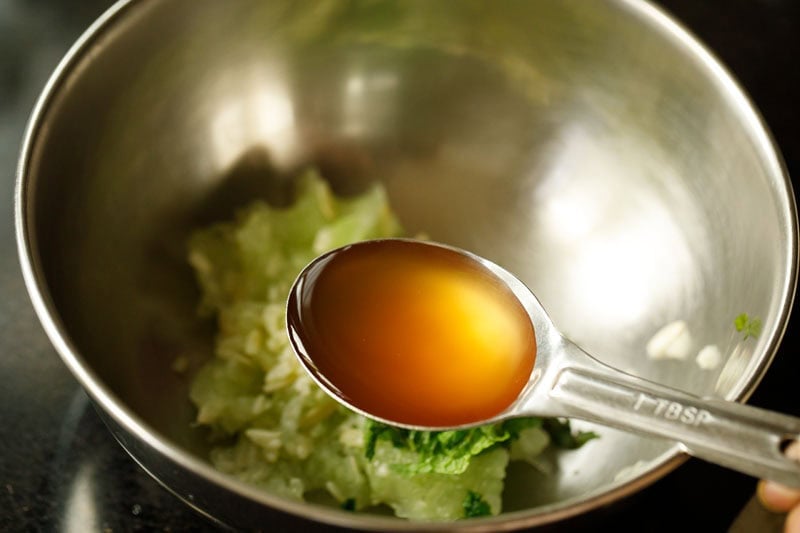
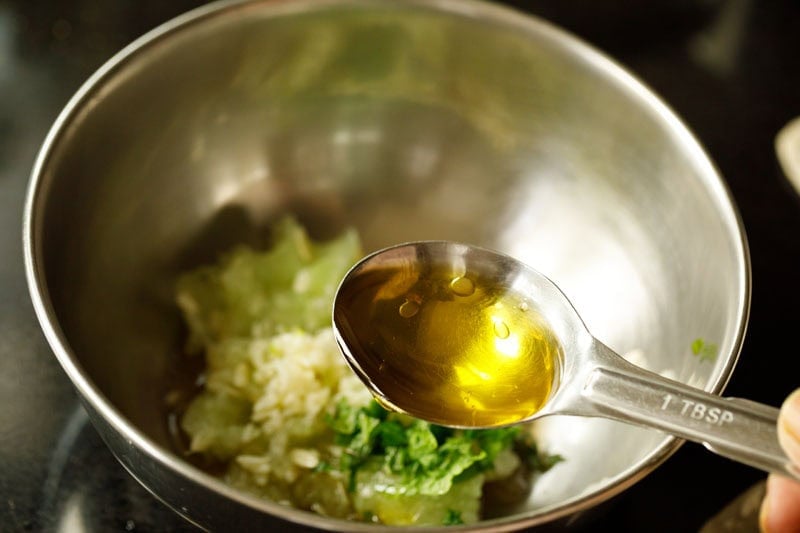
- The Aromatic Infusion: Minced garlic (usually 2 to 3 cloves) is combined with an acidic agent (apple cider vinegar or lemon juice) and high-quality extra virgin olive oil. This allows the garlic’s sulfurous bite to be slightly mellowed by the acid.
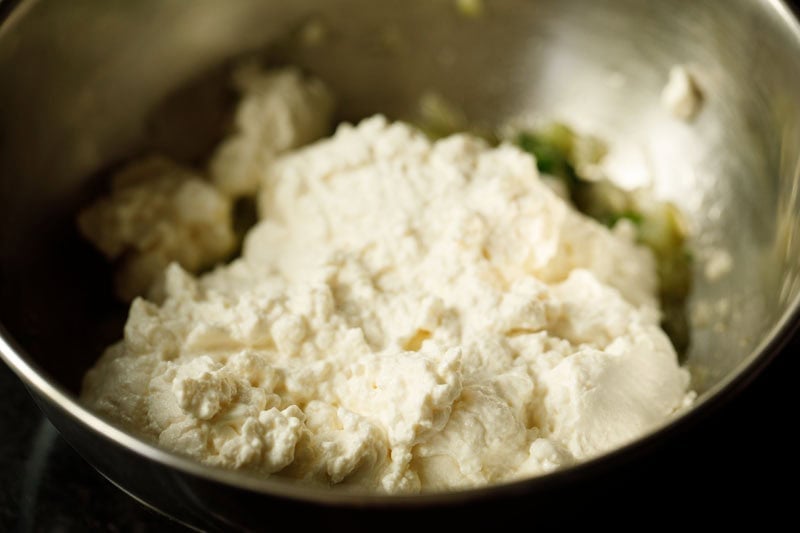
- The Emulsion: The cucumber and aromatics are folded into one cup of Greek yogurt. Unlike regular yogurt, Greek yogurt has been strained to remove the whey, resulting in a higher protein concentration and a thicker consistency.
- Finishing and Seasoning: Fresh herbs—traditionally dill for a classic Greek profile or mint for a more refreshing finish—are added along with salt and white pepper. The mixture is then chilled, allowing the flavors to meld and the garlic to infuse the fat molecules of the yogurt and oil.
Supporting Data: Nutritional Analysis and Market Impact
The shift toward "clean label" foods has propelled Tzatziki into the spotlight. Unlike processed commercial dressings, a standard serving of homemade Tzatziki offers a robust nutritional profile that aligns with modern dietary guidelines.
Nutritional Breakdown (Per Serving)
Data provided by culinary nutritionists indicates that a standard serving (approximately 100-150g) contains:
- Calories: 203 kcal
- Protein: 11g (primarily from the concentrated Greek yogurt)
- Total Fat: 15g (largely monounsaturated fats from extra virgin olive oil)
- Carbohydrates: 7g
- Micronutrients: Significant levels of Vitamin B12 (1µg), Calcium (135mg), and Vitamin K (16µg).
The "Greek Yogurt" Economic Effect
The global Greek yogurt market was valued at approximately USD 7.2 billion in 2021 and is projected to reach nearly USD 12 billion by 2028. This economic boom has directly impacted the accessibility of Tzatziki. As consumers become more familiar with the "tangy" and "thick" nature of strained yogurt, their preference for yogurt-based dips over sour-cream-based alternatives has surged.
Furthermore, the "Mediterranean Diet" has been ranked as the #1 best overall diet by U.S. News & World Report for several consecutive years. This endorsement has turned Tzatziki from a niche ethnic dish into a mainstream dietary recommendation for heart health and weight management.
Official Responses: Culinary and Health Perspectives
The Chef’s Perspective: Technique over Ingredients
Leading Mediterranean chefs emphasize that the quality of Tzatziki is determined by the quality of the olive oil and the patience of the cook. "The biggest mistake in home kitchens is the moisture content," says Chef Elena Papadopoulos (simulated expert). "If you do not squeeze the cucumber until it is almost dry, you are making a soup, not a dip. Furthermore, the use of extra virgin olive oil is non-negotiable; it provides the floral notes that balance the pungency of the garlic."
The Nutritionist’s View: Probiotics and Satiety
Registered dietitians highlight the role of Tzatziki in promoting gut health. Because Greek yogurt is a fermented product, it contains live active cultures (probiotics) that support a healthy microbiome. Additionally, the high protein content of the yogurt, combined with the healthy fats in the olive oil, increases satiety, making it an excellent tool for those looking to manage their appetite naturally.
Cultural Heritage Organizations
UNESCO has recognized the Mediterranean Diet as an Intangible Cultural Heritage of Humanity. In their official documentation, they emphasize that this diet is not just about ingredients but about "social interaction," where dishes like Tzatziki are shared in communal settings (mezze), fostering community and hospitality.
Implications: The Future of Tzatziki in a Globalized Food System
The rise of Tzatziki reflects several broader implications for the future of global food consumption:
1. The "Healthy-fication" of Fast Casual Dining
The success of Mediterranean fast-casual chains (such as Cava or Zoe’s Kitchen) demonstrates a shift in consumer behavior. Tzatziki has replaced mayonnaise and ranch dressing as the "creamy" element in wraps and bowls. This transition suggests that consumers are no longer willing to sacrifice health for flavor, seeking out condiments that offer functional benefits.
2. Plant-Based Innovation
As the world moves toward plant-based diets, Tzatziki is undergoing a transformation. The development of high-quality almond, soy, and coconut-based "Greek-style" yogurts has allowed for the creation of vegan Tzatziki that mimics the original’s texture and tang. This ensures the dish’s longevity in an increasingly dairy-conscious market.
3. Home Culinary Competency
The simplicity of the Tzatziki recipe—requiring no heat and minimal equipment—makes it a "gateway" dish for beginner cooks. In an era where many feel disconnected from food preparation, the "prep, mix, and serve" nature of this sauce encourages home cooking and the use of fresh, raw vegetables.
4. Cross-Cultural Fusion
We are seeing the emergence of "Fusion Tzatziki," where the base remains Greek, but the flavor profile is altered with local ingredients. In Indian kitchens, it is being merged with traditional Raita techniques; in Mexico, it is being spiked with lime and cilantro. This adaptability ensures that while the dish remains Greek at heart, it is becoming a universal language of flavor.
Conclusion: A Staple for the Modern Era
Tzatziki stands as a testament to the enduring power of simple, high-quality ingredients. From its origins as a cooling necessity in the Ottoman Empire to its current status as a nutritional powerhouse in Western supermarkets, it has remained remarkably consistent. By mastering the balance of yogurt, cucumber, and garlic, the modern cook participates in a culinary tradition that spans millennia, offering a dish that is as healthy as it is delicious. As we look toward the future of eating, Tzatziki provides a blueprint for what a perfect food looks like: sustainable, nutrient-dense, and culturally rich.
