

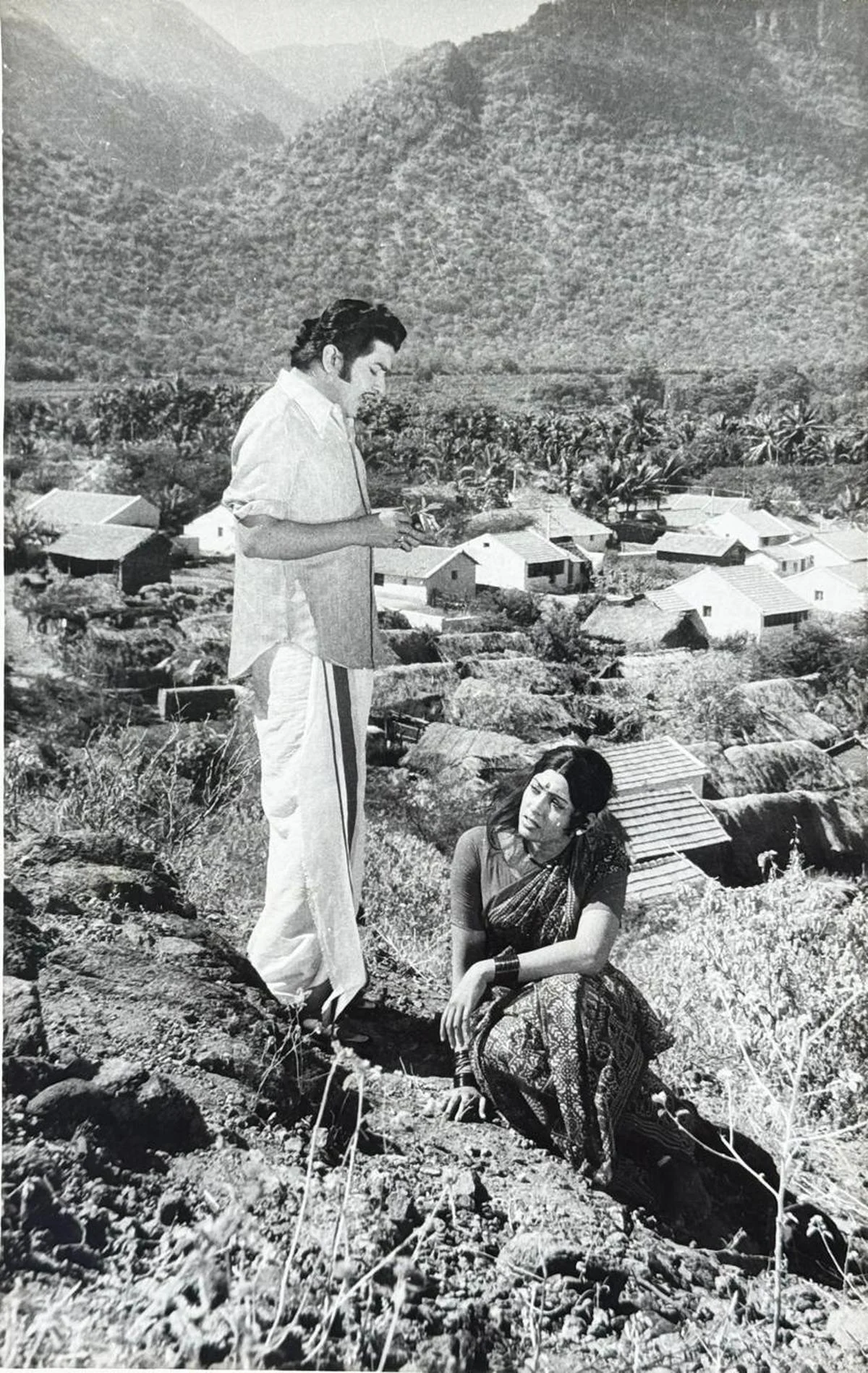
The cinematic landscape of Tamil Nadu was irrevocably altered on May 14, 1976, with the release of "Annakili." More than just a film, it marked the spectacular arrival of a musical phenomenon: Ilaiyaraaja. Yet, behind the iconic melodies and the dawn of a new era in film scoring lay a poignant, real-life tragedy that resonated deeply within a small village, ultimately shaping the narrative and propelling the maestro’s career.
"Annakili" was born from the stark reality of Meena, a midwife from Pappanaickenpatti, a secluded village near Madurai. Her life, tragically cut short by a brutal act of violence, became the soul of the film, a testament to the enduring power of local folklore and the profound impact of human stories on art. R. Selvaraj, the insightful writer behind "Annakili," played a pivotal role not only in translating Meena’s sorrowful tale into a compelling screenplay but also in orchestrating the crucial opportunity for Ilaiyaraaja to compose the film’s groundbreaking score.
The Echoes of Pappanaickenpatti: A Story of Resilience and Reworked Grief
The narrative of "Annakili" is deeply rooted in the social fabric of Pappanaickenpatti, a village then characterized by its isolation. Reaching the settlement required prior arrangement, with bullock carts dispatched to ferry visitors. It was within this intimate setting that Selvaraj, whose grandfather’s sister resided there, first encountered the whispers of Meena’s story.
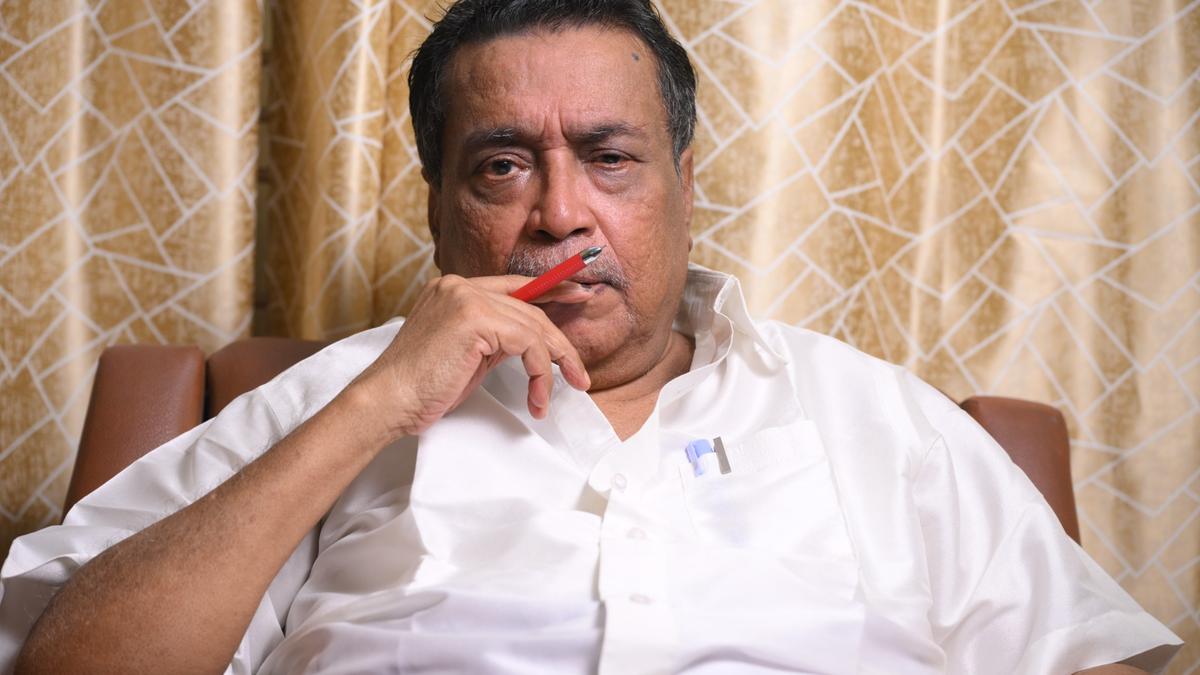
"She had a large house, and the terrace was used for drying paddy," Selvaraj recounted, painting a vivid picture of rural life. "The terrace had holes connected to a storage room below. Women drying the paddy would push the grain with their feet into these holes so that it could be collected downstairs. It was while watching them work that I heard songs in praise of Meena, who had been raped and murdered. They would sing that the paddy would have dried faster had Meena been alive."
This profound lament, woven into the daily rhythm of the village, captured Selvaraj’s imagination. Initially conceptualized as "Maruthuvachi" (The Midwife), the story underwent a transformation for its cinematic adaptation. Meena’s character was reimagined as Annam, a figure elevated to an almost saintly status, embodying an epic heroism that resonated with the audience’s empathy. The film’s climax, a harrowing portrayal of attempted rape and subsequent tragic death by burns, mirrored the brutal reality of Meena’s fate, albeit with cinematic embellishments that amplified the emotional impact.
R. Selvaraj: A Literary Journey Rooted in Empathy and Observation
R. Selvaraj’s literary journey began at an astonishingly young age, fueled by a voracious appetite for Russian literature and a keen, observant eye for the human condition. His first published short story, "Inaikodugal" (Love Bonds), a sensitive exploration of a sex worker’s life, garnered first prize and a modest remuneration of ₹10 when he was merely eleven. This early success foreshadowed a career marked by a profound understanding of societal undercurrents and the complexities of human relationships.
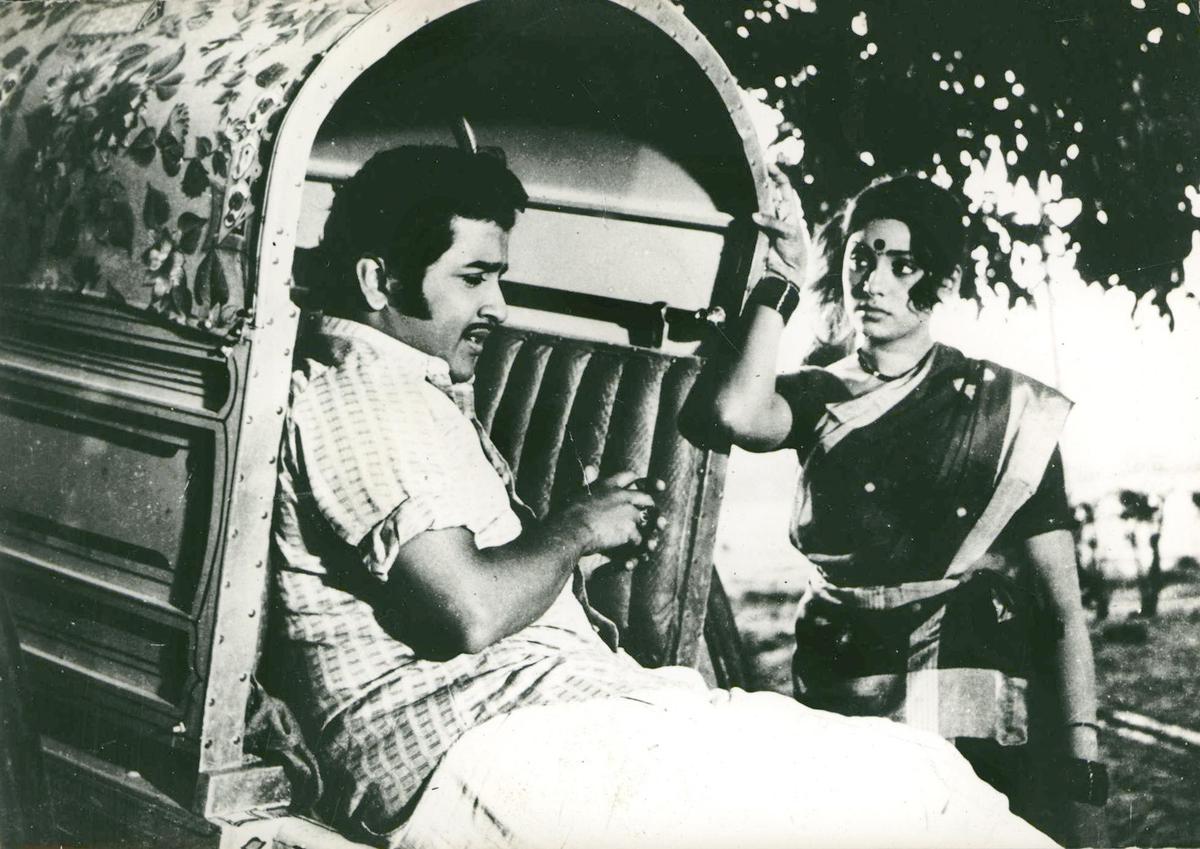
The profound influence of Russian literature on Selvaraj’s storytelling is evident in his inspiration for "Mudhal Mariyathai." The poignant love affair between Fyodor Dostoevsky and his much younger wife, Anna Snitkina, served as a thematic cornerstone for this celebrated narrative, which later graced the silver screen with Sivaji Ganesan and Radha.
Selvaraj’s nascent literary talent was first recognized by his uncle, the influential communist leader N. Sankaraiah. Even before his incarceration in Salem Central Prison, Sankaraiah took the time to visit Selvaraj’s home, delve into his writings, and strongly advocate for his father, Rajamanickam, to send the young prodigy to Chennai to pursue his literary ambitions.
His literary prowess also captured the attention of a young filmmaker named Bharathiraja, who was then working as a health inspector. A correspondence bloomed between them, a "pen friendship" that Selvaraj cherishes to this day. Bharathiraja, impressed by Selvaraj’s narrative acumen, consistently maintained that his stories held immense cinematic potential. This burgeoning connection proved instrumental, as Bharathiraja’s subsequent encounter with Ilaiyaraaja and his brothers would forge the vital link that led to "Annakili."

The Unlikely Alliance: Selvaraj, Bharathiraja, and the Birth of a Musical Partnership
Selvaraj’s deep engagement with the communist movement in his native Madurai facilitated his introduction to Pavalar Varadarajan and his musically gifted brothers: Ilaiyaraaja, Gangai Amaran, and Bhaskar. By this time, the brothers had already established a reputation for their politically charged musical performances that resonated across Tamil Nadu.
This shared intellectual and artistic space fostered a strong bond between Selvaraj and the Ilaiyaraaja brothers. When they all eventually gravitated towards Chennai in pursuit of opportunities within the burgeoning film industry, their camaraderie remained steadfast. Selvaraj, who had secured a position as an assistant to producer and lyricist Panchu Arunachalam, became the crucial conduit, introducing Ilaiyaraaja and his siblings to Arunachalam. Despite facing considerable skepticism from various quarters, Panchu Arunachalam, a visionary producer, recognized the raw talent and provided the brothers with the opportunity to compose music for "Annakili."
The journey to this pivotal moment was fraught with hardship. The original manuscript containing the story and dialogues for "Annakili" tragically did not survive the team’s precarious financial situation. Selvaraj vividly recalls this period of intense struggle. "When we were struggling even to buy rice, Gangai Amaran suggested selling some old papers to a scrap dealer. I objected, but he said the story would remain in my memory. He took the file, sold the papers and returned with rice for us to cook. He would cook the rice and add chillies for flavour. That was how we survived in those days," Selvaraj reminisced, highlighting the resilience and resourcefulness that defined their early days.

This period of struggle, however, did not diminish their shared passion. Selvaraj fondly remembers Ilaiyaraaja’s extraordinary ability to captivate audiences in Madurai by rendering songs from Raj Kapoor’s films with profound emotion and impeccable accuracy. "We shared a common love for great music," Selvaraj stated, underscoring the foundation of their artistic connection. He also recalled a prescient warning he issued to Ilaiyaraaja before the maestro embarked on his Chennai sojourn, a testament to his belief in Ilaiyaraaja’s immense potential.
Despite the admiration for Selvaraj’s compelling narrative from established figures like producers D. Ramanaidu and actress K. R. Vijaya, many perceived the story of "Annakili" as too intimate and nuanced for a full-fledged feature film. Ramanaidu, in particular, suggested a significant alteration: transforming the heroine, Annam, into a woman of wealth. It was during this juncture that Selvaraj reconnected with Panchu Arunachalam, who expressed renewed interest in producing the film. Selvaraj then presented the story to Arunachalam’s brother, Subbu, who was deeply impressed by its narrative arc.
The Audition That Changed Cinema: Ilaiyaraaja’s Audacious Debut
As pre-production for "Annakili" began to gain momentum, Panchu Arunachalam summoned Selvaraj to bring Ilaiyaraaja and his brothers to meet him. The brothers, living in a modest lodge opposite the Shiva-Vishnu Temple, were a stark contrast to the well-dressed young men Arunachalam might have envisioned. Their appearance reflected the abject poverty they endured.
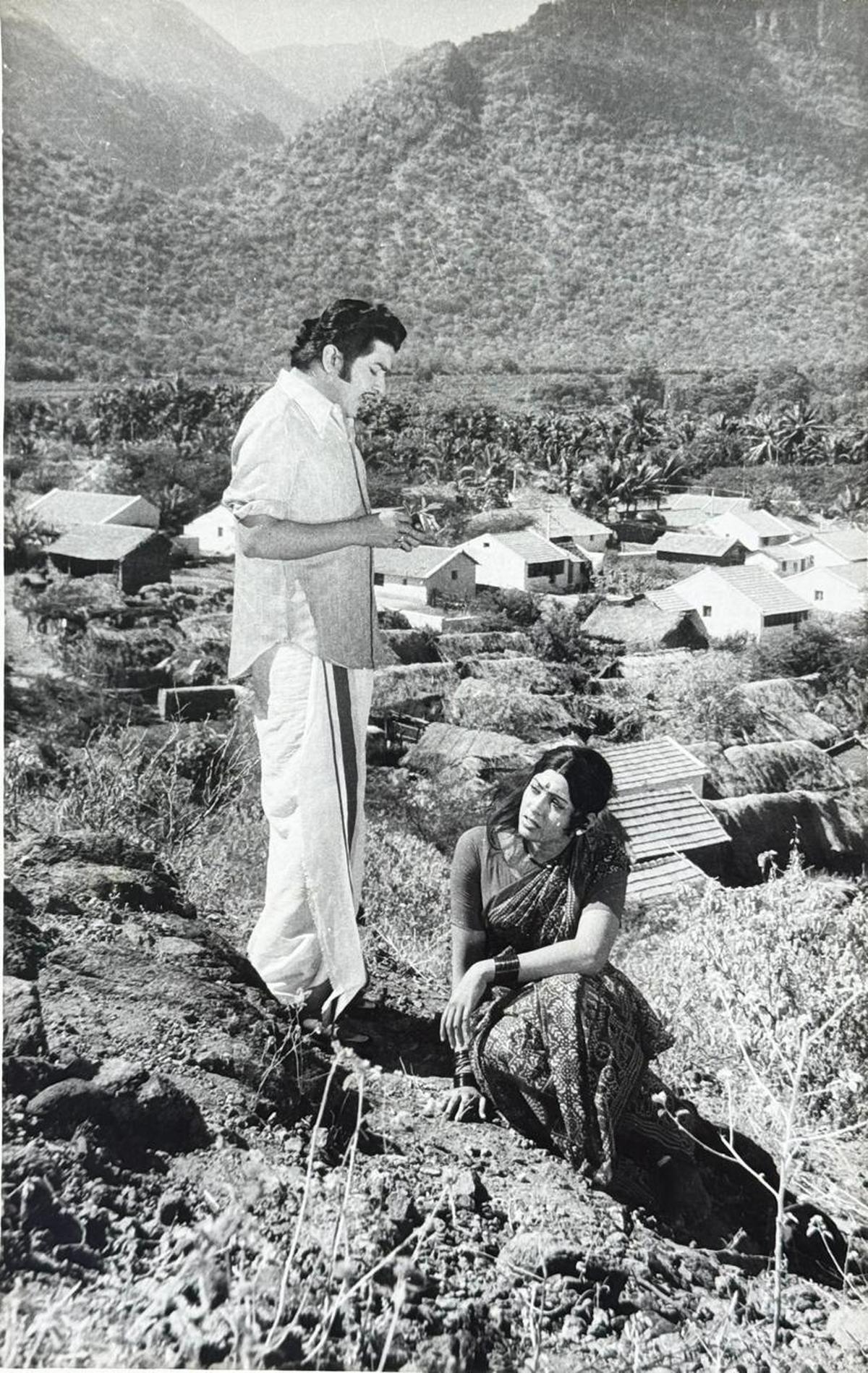
Arunachalam, initially unimpressed and perhaps searching for a tactful way to dismiss them, was about to move on. However, Ilaiyaraaja, with unwavering confidence, stepped forward. He insisted on showcasing the melodies he had composed for two songs, "Machana Paartheengala" and "Annakili Unnai Theduthe." Tapping a rhythmic beat on the table, he began to sing. The effect on Panchu Arunachalam, a seasoned collaborator with the legendary lyricist Kannadasan, was profound. He was utterly spellbound.
While some within Ilaiyaraaja’s family and circle harbored doubts about his future prospects in the competitive film industry, Panchu Arunachalam remained resolutely convinced. He is reported to have remarked that while he had encountered numerous music directors, Ilaiyaraaja possessed an extraordinary and unparalleled quality.
The recording process itself was not without its challenges. Selvaraj recounted instances of sabotage and unfortunate coincidences, including a power outage that threatened to derail the recording sessions. However, Ilaiyaraaja’s resilience and ingenuity shone through, allowing him to overcome every obstacle. This unwavering determination, coupled with his prodigious talent, set him on a trajectory towards unparalleled success.

The Enduring Legacy: "Annakili" and the Dawn of a Musical Era
"Annakili" transcended its origins as a film based on a tragic real-life event. It became the launchpad for a composer whose music would define generations, whose melodies would evoke a spectrum of human emotions, and whose innovative soundscapes would redefine the very essence of Tamil film music. Ilaiyaraaja’s scores for "Annakili" were not merely background accompaniments; they were integral to the narrative, breathing life into the characters and amplifying the emotional resonance of the story. The songs, imbued with a distinct folk flavor that perfectly complemented the film’s rural setting, resonated deeply with audiences, establishing a new benchmark for musical composition in Tamil cinema.
Selvaraj’s own literary career continued to flourish, with his pen contributing to a string of acclaimed films such as "Kavikuyil," "Kadalora Kavithaigal," "Puthiya Vaarpugal," "Pudhumai Penn," "Pudhu Nellu Pudhu Naathu," and the iconic "Alaipayuthey." Yet, his collaboration on "Annakili" remains a landmark event, a testament to the power of a compelling story and the serendipitous confluence of talent and opportunity.
The story of "Annakili" is a powerful reminder of how art can transform sorrow into something enduring, how a single voice can resonate through a community, and how, through the vision of a writer and the genius of a composer, a deeply human story can echo through the annals of cinematic history, forever marking the arrival of a maestro. The film not only introduced the world to Ilaiyaraaja’s unparalleled musical genius but also ensured that the tale of Meena, the village midwife, would be remembered and celebrated for generations to come.
