

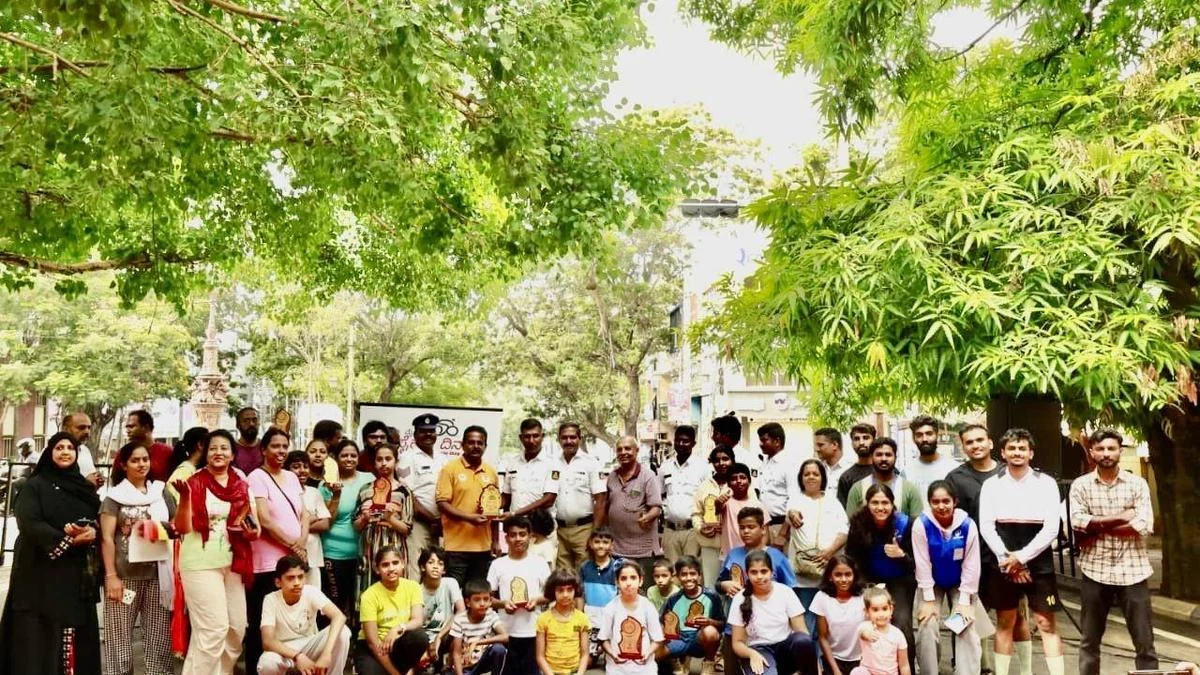
Mysuru, India – May 11, 2026 – The city of Mysuru vibrated with a renewed commitment to sustainable urban living and environmental stewardship as the fourth edition of "Mysuru Cycle Day" unfolded with remarkable success on Monday. The event, orchestrated by the Mysuru City Corporation (MCC) in partnership with GIZ and ESAF under the banner of the Sustainable Urban Mobility-Air Quality initiative, saw an overwhelming turnout of cycling enthusiasts, students, and residents. The day’s festivities, centered in the Saraswathipuram area, underscored the critical importance of environmental conservation, the promotion of public health, and the pursuit of pollution-free urban environments.
A Day Dedicated to Cleaner Commutes and Healthier Lifestyles
The core of the Mysuru Cycle Day celebration was a spirited five-kilometer cycle rally that saw hundreds of participants pedal their way through designated routes. This visual testament to the growing popularity of cycling as a mode of transport and recreation was complemented by a range of "Open Street" activities and traditional games. These interactive elements transformed a section of the city’s roads into vibrant, people-centric community spaces, effectively challenging the notion that urban arteries are exclusively for vehicular traffic. The initiative actively promoted the concept of reclaiming public spaces for the benefit of citizens, fostering a sense of community and shared ownership.
The event’s success was significantly bolstered by the collaborative efforts of numerous stakeholders. The Mysuru City Police and Traffic Police provided crucial support in managing traffic flow and ensuring the safety of participants. The National Cadet Corps (NCC) cadets played an integral role in marshalling and assisting, while various educational institutions and government departments lent their expertise and resources, demonstrating a unified approach towards achieving the event’s objectives.
The Genesis and Evolution of Mysuru Cycle Day
The concept of Mysuru Cycle Day, now in its fourth iteration, has steadily evolved from a niche initiative to a significant platform for fostering clean mobility and healthy lifestyles. The MCC’s sustained commitment to this annual event reflects a growing awareness within the city administration of the multifaceted benefits derived from promoting cycling and pedestrian-friendly infrastructure.
The initial impetus for such an event can be traced back to a broader national and global discourse on the urgent need to address urban air pollution and the detrimental health impacts associated with sedentary lifestyles. Mysuru, like many burgeoning Indian cities, has faced increasing challenges related to traffic congestion and deteriorating air quality. The MCC, recognizing these pressing issues, strategically adopted cycling as a key component of its urban development and public health agenda.
The first Mysuru Cycle Day, while perhaps smaller in scale, laid the groundwork by introducing the concept to the local populace. Early organizers focused on raising awareness about the environmental advantages of cycling, such as reduced carbon emissions and noise pollution. The health benefits – improved cardiovascular fitness, weight management, and stress reduction – were also heavily emphasized. As the event gained traction, so too did the understanding of its potential to transform the urban fabric.
Subsequent editions saw an expansion in the scope of activities and a more sophisticated approach to community engagement. The introduction of "Open Street" concepts, where roads are temporarily closed to vehicular traffic, allowed residents to experience their city in a new light. These spaces became arenas for cultural expression, recreational activities, and community interaction, demonstrating the potential for roads to be more than just conduits for cars. Traditional games, often overlooked in the modern urban landscape, were brought back, reconnecting participants with their cultural heritage and promoting active engagement.
The collaborative framework, involving GIZ, ESAF, and various local bodies, has been instrumental in scaling up the event’s impact. GIZ, a German federal enterprise for international cooperation, often brings technical expertise and international best practices in sustainable urban development. ESAF, a microfinance institution, has also been a key partner, likely contributing to community outreach and mobilization. This multi-stakeholder approach ensures that Mysuru Cycle Day is not merely a one-off event but a sustained effort towards embedding sustainable mobility principles into the city’s ethos.
A Chronology of Growth and Impact
The journey of Mysuru Cycle Day can be understood through its successive editions, each building upon the successes and lessons learned from the previous year.
-
Year 1: The Inaugural Spark (Hypothetical – based on typical event progression): The first Mysuru Cycle Day likely focused on a basic cycle rally and introductory awareness campaigns. The primary objective would have been to gauge public interest and introduce the concept of cycling as a viable urban transport option. Partnerships would have been nascent, with the MCC taking the lead with limited external support.
-
Year 2: Expanding the Horizon: Building on the initial enthusiasm, the second edition likely saw an increase in participant numbers and a broader range of activities. The integration of health-related messaging and perhaps partnerships with local cycling clubs would have become more prominent. Early discussions around "Open Streets" might have begun.
-
Year 3: Solidifying the Vision: By the third year, Mysuru Cycle Day would have started to establish itself as an annual fixture. The collaboration with organizations like GIZ and ESAF would have become more defined, bringing in structured planning and potential funding. The "Open Street" concept would have been more concretely implemented, with a greater emphasis on community engagement and the reclaiming of public spaces. The involvement of traffic police and educational institutions would have been more formalized.
-
Year 4 (Current Edition): A Thriving Ecosystem: The current, fourth edition, represents the culmination of these efforts. The event demonstrates a well-established organizational structure, robust partnerships, and significant public participation. The integration of traditional games alongside cycling and "Open Street" activities signifies a holistic approach to promoting a healthy and sustainable urban lifestyle. The event is no longer just about cycling; it’s about fostering a culture of active living and environmental responsibility.
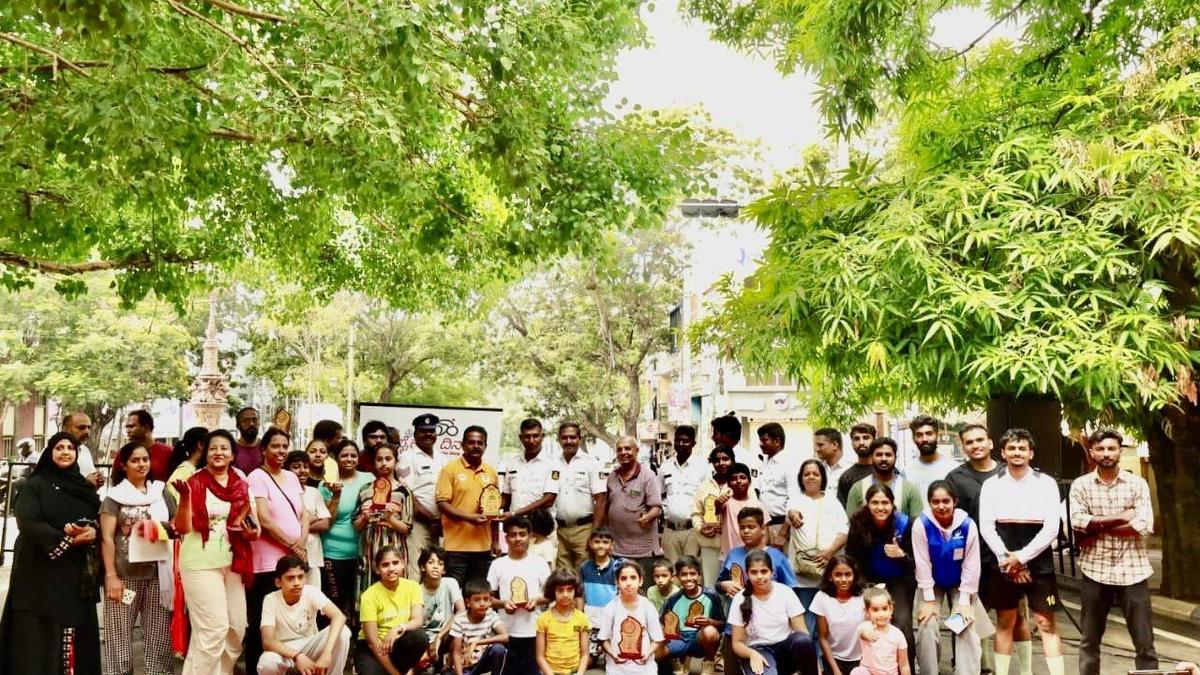
The steady increase in participant numbers, the diversity of age groups represented, and the positive media coverage all point towards a growing acceptance and enthusiasm for the principles championed by Mysuru Cycle Day.
Supporting Data and Environmental Imperatives
The significance of Mysuru Cycle Day extends beyond its immediate celebratory nature. It directly addresses critical data points related to urban environmental health and public well-being.
Air Quality Concerns: According to various studies on urban air pollution in India, vehicular emissions are a major contributor to the presence of fine particulate matter (PM2.5) and nitrogen oxides (NOx) in the atmosphere. These pollutants are linked to respiratory illnesses, cardiovascular diseases, and other severe health problems. By promoting cycling, Mysuru Cycle Day actively contributes to reducing the number of vehicles on the road, thereby lowering these harmful emissions. A simple calculation can illustrate the impact: if even a fraction of daily commuters in Mysuru were to switch to cycling for short distances, the cumulative reduction in emissions could be substantial.
Public Health Benefits: The World Health Organization (WHO) consistently highlights the alarming rise in non-communicable diseases (NCDs) globally, with a significant portion attributed to sedentary lifestyles. Regular physical activity, such as cycling, is a powerful antidote. Studies have shown that individuals who cycle regularly have a lower risk of obesity, type 2 diabetes, certain cancers, and depression. Mysuru Cycle Day serves as a vital catalyst in encouraging citizens to adopt such active habits.
Urban Congestion and Infrastructure Strain: Rapid urbanization in India has led to severe traffic congestion in many cities, including Mysuru. This not only results in lost productivity and increased travel times but also places immense strain on existing road infrastructure. Promoting cycling offers a sustainable alternative for short-to-medium distance travel, alleviating pressure on roads and reducing the need for costly infrastructure expansion.
Economic Implications: While not directly quantifiable from the event itself, a sustained shift towards cycling can have positive economic implications. Reduced healthcare costs associated with pollution-related illnesses and improved public health can lead to a more productive workforce. Furthermore, investments in cycling infrastructure, while requiring initial capital, can yield long-term economic benefits through increased tourism, local business activity, and reduced reliance on fossil fuels.
Official Responses and Future Aspirations
The Mysuru City Corporation (MCC) has consistently voiced its commitment to fostering a more sustainable and liveable city. The success of Mysuru Cycle Day is a direct reflection of this administrative will.
"Mysuru Cycle Day is steadily emerging as an important platform to promote clean mobility and a healthy lifestyle among citizens," stated an MCC official, reflecting the organization’s perspective. This statement encapsulates the dual focus of the initiative: environmental consciousness and individual well-being. The MCC’s gratitude towards volunteers, partner organizations, and the public underscores the collaborative spirit that has been crucial to the event’s growth.
Looking ahead, the aspirations for Mysuru Cycle Day are likely to include:
- Expansion of Cycling Infrastructure: The event’s success could spur further investment in dedicated cycling lanes, secure bicycle parking facilities, and bike-sharing programs across the city.
- Integration with Public Transport: Efforts to integrate cycling with public transport systems, such as allowing bicycles on buses or trains, could further enhance its appeal as a mode of transport.
- Educational Integration: Greater incorporation of cycling safety and environmental education into school curricula could foster a lifelong commitment to sustainable mobility among younger generations.
- Policy Advocacy: The momentum generated by Mysuru Cycle Day could be leveraged to advocate for broader policy changes at the state and national levels that prioritize sustainable urban transport.
- Inter-City Collaboration: Mysuru could become a model for other cities in India looking to implement similar sustainable mobility initiatives, fostering knowledge sharing and collaborative efforts.
Implications for Urban Development and Citizen Engagement
The enduring impact of Mysuru Cycle Day extends beyond the immediate benefits of a single event. It signifies a paradigm shift in how urban spaces are perceived and utilized, and how citizen engagement can drive positive change.
The "Open Street" concept, in particular, has profound implications. It challenges the ingrained notion of roads as solely functional arteries for vehicles and reframes them as dynamic public spaces that can foster community interaction, cultural expression, and recreational activities. This can lead to a more vibrant and people-centric urban environment, where citizens feel more connected to their surroundings and to each other.
The success of Mysuru Cycle Day also highlights the power of grassroots initiatives and collaborative partnerships. The active involvement of citizens, NGOs, educational institutions, and government bodies demonstrates that sustainable urban development is not solely the purview of administrators but a collective responsibility. By providing a platform for these diverse groups to come together, the MCC has fostered a sense of shared ownership and responsibility for the city’s future.
In conclusion, the fourth edition of Mysuru Cycle Day has not only celebrated cycling and sustainable mobility but has also cemented its role as a powerful catalyst for change. The event’s continued growth and enthusiastic participation are a testament to Mysuru’s burgeoning commitment to a healthier, cleaner, and more vibrant urban future. The lessons learned and the momentum generated by this initiative hold significant promise for the city’s long-term development and the well-being of its citizens.
