

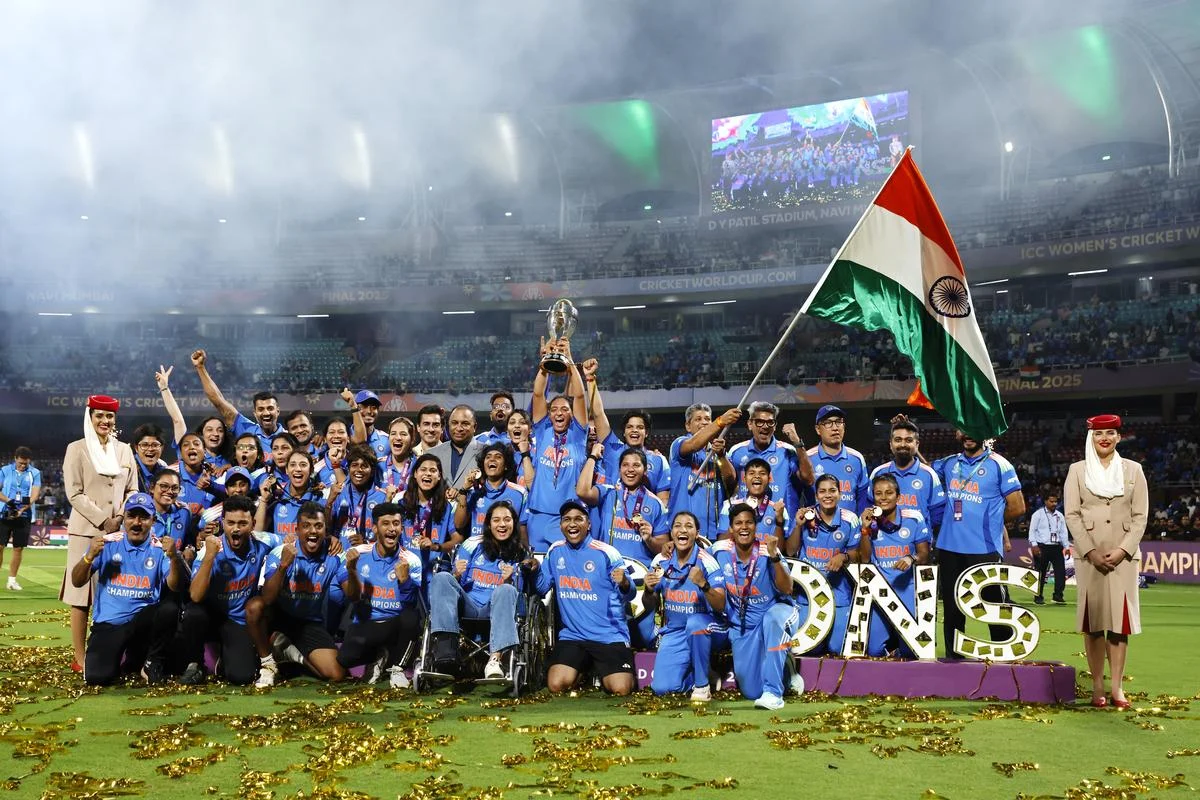
The culmination of dreams, the roar of the crowd, and the quiet dedication behind the scenes – India’s historic Women’s Cricket World Cup victory on November 2nd was a moment etched in sporting folklore. While the nation celebrated the on-field heroics, the journey to that triumphant catch by Harmanpreet Kaur was paved with meticulous planning, unwavering support, and the often-unseen dedication of the team’s medical staff. At the heart of this support system is Dr. Harini Priyadharshini Muralidharan, the 33-year-old Chennai-based team doctor, whose year with the squad has been a whirlwind of intense pressure, profound camaraderie, and the ultimate reward of witnessing history unfold.
The image is indelible: Nadine de Klerk at the crease, the weight of a nation’s aspirations resting on her shoulders, tossing a ball bowled by India’s Deepti Sharma. A pregnant silence descended upon the stadium, a palpable tension that would soon erupt into joyous pandemonium. For Dr. Harini, this was more than just a game; it was the culmination of countless hours of preparation, the embodiment of resilience, and the realization of a collective dream.
"The dugout was tense. Everyone… every single person there was praying," Dr. Harini recounts, her voice still resonating with the emotion of that pivotal moment. "By the ninth wicket, we had somewhat known that we were going to win. It is that kind of excitement where it is too early to jump up and celebrate. But when the moment happened, all we wanted to do was hug and cry, so that is what we did. Then, the running into the field happened."
From Uncertain Beginnings to the Pinnacle of Sports Medicine
Dr. Harini’s path to the Indian Women’s Cricket team was not a direct one, but rather a testament to her evolving passion and a father’s insightful guidance. Hailing from a family with a strong medical lineage, she initially found herself contemplating various specializations. It was her father who suggested exploring the burgeoning field of Sports Medicine, a path less trodden and brimming with potential.
"I reached out to Basu Shanker [an Indian performance coach], who said that in order to enter this field, I needed to have tried my hand at it. Which is why I began interning with him," she explains. This formative experience proved to be the catalyst, solidifying her conviction that sports medicine was her true calling.
Following her internship, Dr. Harini embarked on further studies, pursuing a Master’s in Exercise Medicine at Queen Mary University in London. Her return to India coincided with the onset of the COVID-19 pandemic, a period she describes as "chaos." The subsequent years were marked by a period of relative quiet, punctuated by a relentless pursuit of opportunities. "I must have sent out at least 100 CVs," she recalls, highlighting the competitive nature of the field and her unwavering determination.
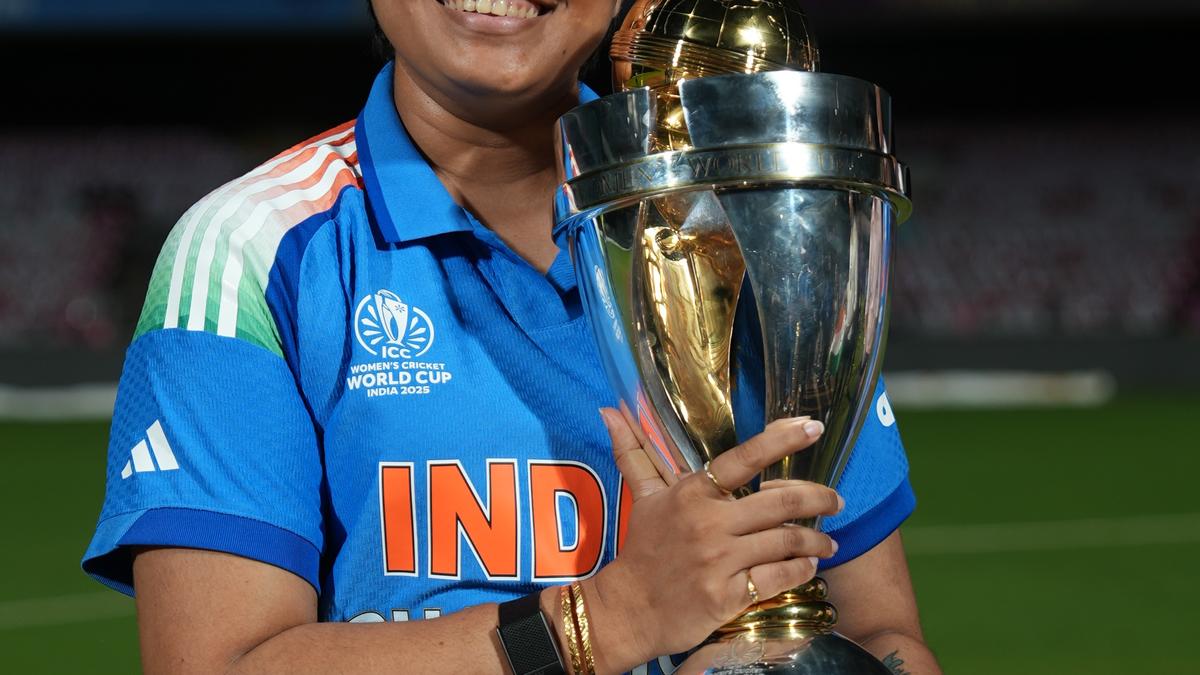
Her perseverance paid off when Basu Shanker, then associated with the Royal Challengers Bengaluru, facilitated her introduction to senior members of the team. After a series of interviews and conversations, Dr. Harini was recruited, gaining invaluable experience working with both the men’s and women’s teams. "It was wild to work with the men’s and women’s team," she admits. "The aim however, for anyone in this field, is to eventually work with the national team. When that call came, I didn’t even think of saying ‘no’."
The Unseen Pillars of Support: A Day in the Life of a Team Doctor
The intensity of a World Cup campaign is immense, and Dr. Harini’s role is central to ensuring the players are physically and mentally prepared to perform at their peak. Her days are often long and demanding, with a significant portion dedicated to the treatment room.
"Over the length of the World Cup, Harini says that she spends at least four to five hours in the treatment room," she states. "The main focus in sports medicine is injury management. There are several expert physiotherapists and masseuses who are recruited to the team for this purpose. I come in when one needs to deal with a big injury. Everyone stays in their own lanes."
Her expertise extends beyond immediate injury treatment. Dr. Harini plays a crucial role in proactive care, ensuring that minor issues do not escalate into significant problems. "Sometimes at physiotherapy, when a player brushes aside a problem that might be a potential problem later, I ensure I take a look," she explains. The strong existing relationships within the team, built over years of working together, are a testament to the collective effort. "The team here however, has been working with girls for years now. It is a lot of excellent work that has been put in."
A Year of Camaraderie and Cinematic Moments
Despite having been part of the team for only a year, Dr. Harini feels a profound sense of belonging and camaraderie with the players and support staff. The journey to the World Cup final was not just about individual performances, but a collective endeavor fueled by shared experiences and mutual respect.
"Although it has only been a year since Harini has been part of the team, she says that she is excited to be on tour, and has felt a camaraderie with the team and the players," the article notes. This sense of unity was palpable during the nail-biting final moments of the championship match.

When asked about specific incidents from the tournament, Dr. Harini reflects that while many moments were significant, they have all been overshadowed by the sheer magnitude of the victory. "I’m sure there’s many but most have been eclipsed by the victory," she says with a smile. Her personal life, however, remains a constant anchor. "I do miss my son though," she adds, a poignant reminder of the sacrifices made by these athletes and their support systems.
The Profound Impact of Sport: More Than Just a Game
Dr. Harini’s perspective on the World Cup victory extends beyond the realm of sports. She emphasizes the often-overlooked efforts that contribute to creating champions, highlighting the intricate balance of physical and mental fortitude required.
"The doctor says that people often forget to look at the kind of work that goes behind making a champion. It is not just physical but also mental," she states. The experience has been deeply grounding for her, witnessing firsthand the dedication and perseverance of the players.
The triumph, in her view, has a far-reaching societal impact. "To witness the work put in has honestly been grounding. This [win] has made a noise so loud that I think society is willing to stop and let these girls do what they want to. That is the kind of impact sports has," she concludes. The victory serves as a powerful catalyst, not only for the aspiring female athletes but also for a broader societal shift in recognizing and supporting women in sports. It is a moment that transcends the boundaries of the cricket field, inspiring a generation and redefining what is possible.
