


For millions grappling with the frustrating onset of presbyopia, the age-related decline in near vision, a new prescription eye drop, VIZZ, has emerged, promising a temporary reprieve from the ubiquitous reading glasses. Approved by the US Food and Drug Administration (FDA) in 2025, this once-daily treatment aims to restore sharper focus for everyday tasks. However, while the prospect of a single drop replacing a drawer full of reading glasses is enticing, ophthalmologists urge a measured approach, emphasizing that VIZZ is a tool for specific needs and not a universal panacea.
The Emerging Hope: Understanding VIZZ and Presbyopia
The tell-tale signs are familiar to many: holding phones at arm’s length, squinting at restaurant menus, or the ever-increasing reliance on a pair of reading glasses. These are the hallmarks of presbyopia, a natural consequence of aging that affects nearly everyone. As we mature, the crystalline lens within our eyes gradually loses its flexibility, making it increasingly difficult to adjust focus for close-up objects. This gradual dimming of our near-vision capabilities typically begins in the 40s and progresses over time.
Enter VIZZ, a groundbreaking prescription eye drop that has garnered significant attention following its FDA approval in 2025. The promise is undeniably appealing: a simple, once-daily application of one drop in each eye, with the potential for improved near vision to kick in within approximately 30 minutes and last for several hours. This offers a tantalizing glimpse into a future where the constant search for reading glasses could become a relic of the past.
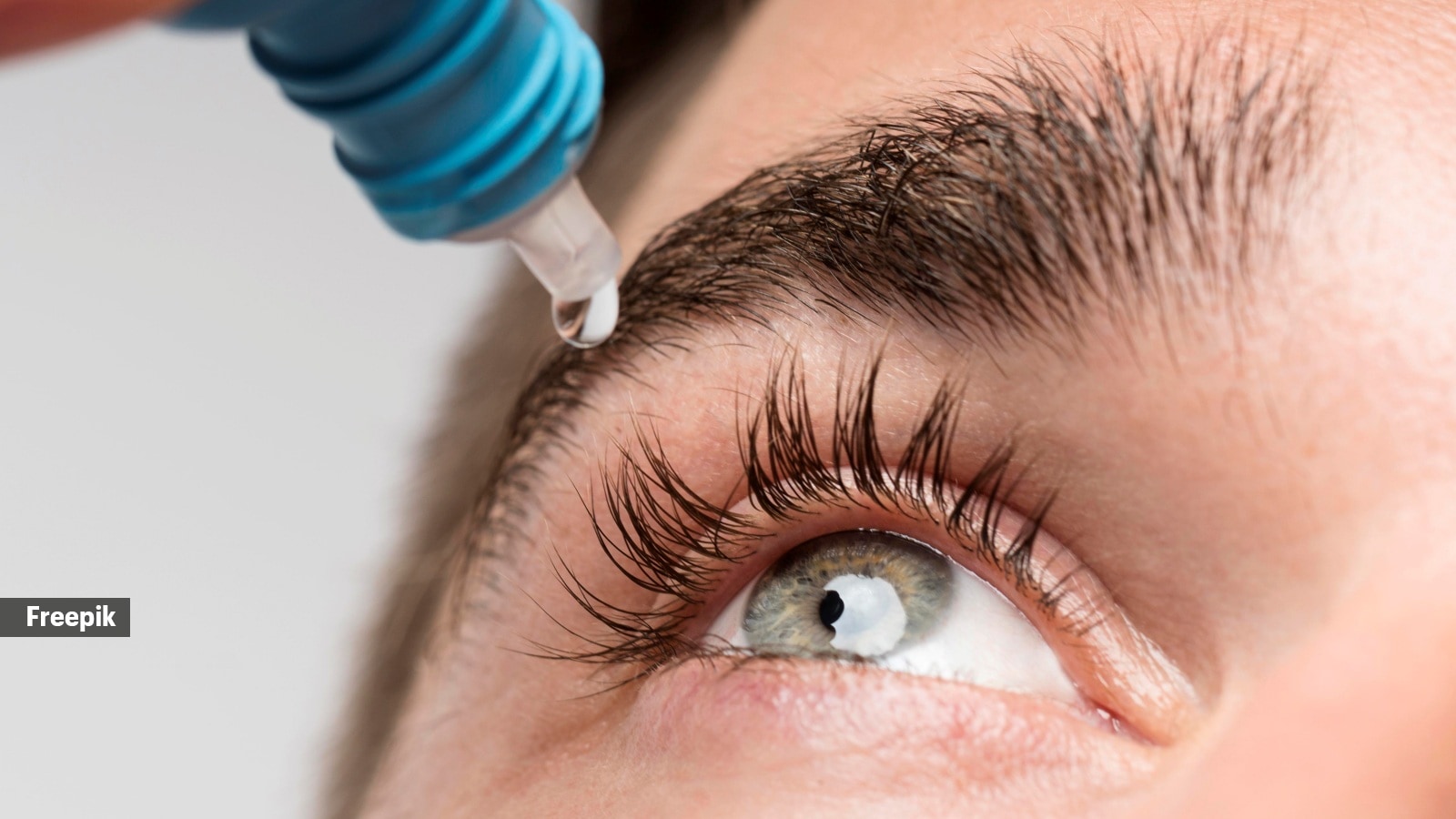
The mechanism behind VIZZ’s efficacy lies in its ability to temporarily alter the pupil’s size. "When the pupil becomes smaller, scattered light is reduced, and the eye gains a greater depth of focus," explains Dr. Sharoon Shitole, Consultant Ophthalmologist and Managing Director at Vencer Hospital, Pune. This constriction effectively enhances the clarity of near objects without altering the aging lens itself. Dr. Poninder Kumar Dogra, Senior Consultant – Ophthalmology & Vitreoretina at ShardaCare-Healthcity, likens this effect to the "pinhole camera" principle, where a smaller aperture restricts light, thereby increasing the sharpness of an image. This is akin to the temporary visual improvement experienced when squinting, a natural reflex to narrow the light entering the eye.
A Phased Introduction: The Chronology of VIZZ’s Arrival
The journey of VIZZ from concept to clinic has been a testament to ongoing research and development in ophthalmology. While specific details of its development timeline are proprietary, the FDA approval in 2025 marks a significant milestone, signifying that the drug has met rigorous standards for safety and efficacy in clinical trials.
Prior to its US approval, VIZZ, or similar aceclidine-based formulations, likely underwent extensive preclinical testing and multi-phase human clinical trials. These trials would have systematically evaluated its effectiveness in various patient populations, assessed potential side effects, and determined optimal dosing regimens. The fact that it has now gained regulatory clearance suggests that these trials demonstrated a favorable risk-benefit profile for its intended use.
However, the recent nature of its US approval means that its widespread clinical application and integration into daily practice are still in their nascent stages, particularly in regions like India. Dr. Dogra notes that "routine Indian clinical exposure to this specific aceclidine formulation is still limited." This implies that while the scientific basis for its effectiveness is established, real-world data from a diverse Indian patient cohort is still accumulating. The anticipation surrounding VIZZ is therefore a blend of scientific promise and the ongoing process of clinical observation and adoption.
Supporting Data: What the Science Says and Expert Opinions
The scientific rationale behind VIZZ’s effectiveness centers on the pharmacological action of aceclidine, the active ingredient. Aceclidine is a parasympathomimetic agent, meaning it mimics the action of the neurotransmitter acetylcholine. In the eye, acetylcholine plays a crucial role in regulating the muscles that control pupil size and lens shape. By stimulating these receptors, aceclidine causes miosis, or constriction of the pupil.
This pupil constriction is the key to VIZZ’s near-vision enhancement. A smaller pupil acts as a natural aperture, reducing spherical aberration and increasing the depth of field. Imagine looking through a camera with a wide-open aperture versus one with a nearly closed aperture; the latter offers greater sharpness across a range of distances. In the context of presbyopia, this effect allows the eye to focus on closer objects more effectively, reducing the blurriness that typically characterizes age-related near vision loss.
However, the impact of VIZZ is not uniform across all individuals and all visual tasks. Experts emphasize that its benefits are most pronounced for those in the earlier stages of presbyopia. "These eye drops may help some people reduce their dependence on reading glasses for a few hours, especially in mild to moderate presbyopia," states Dr. Dogra. This suggests that individuals in their 40s and early 50s, who find themselves needing occasional assistance for tasks like reading a phone screen, a menu, or a product label, are most likely to experience significant benefits.
Dr. Shitole further clarifies the realistic expectations: "Reducing dependence is realistic; eliminating reading glasses completely is not realistic for most patients." This is a critical distinction. VIZZ is designed to offer temporary improvement, not a permanent cure for presbyopia. Patients requiring reading glasses for prolonged periods of close work, such as detailed reading, intricate crafting, or extensive screen time, may find that VIZZ provides only partial relief or that its effects diminish over time. Furthermore, individuals with advanced presbyopia, or those with co-existing eye conditions like cataracts, significant refractive errors, or retinal diseases, may find that glasses remain their primary or only effective solution.
Official Responses and Regulatory Standing
The approval of VIZZ by the US Food and Drug Administration (FDA) in 2025 signifies a crucial step in its journey towards patient accessibility. The FDA’s rigorous evaluation process ensures that new medical treatments meet stringent standards for safety, efficacy, and quality before they can be made available to the public. This approval is based on comprehensive data from clinical trials that demonstrate the drug’s ability to improve near visual acuity in adults with presbyopia.
While the article focuses on the US approval, the implications for other regions, including India, are significant. Regulatory bodies in other countries will typically review the FDA’s findings and conduct their own assessments before granting approval for VIZZ to be marketed and prescribed. The timeline for such approvals can vary depending on each country’s specific regulatory framework and review processes.
The absence of widespread "routine Indian clinical exposure" mentioned by Dr. Dogra highlights the ongoing process of regulatory review and market introduction in India. Pharmaceutical companies typically aim for global approvals, but the pace can differ. This means that while VIZZ holds immense promise, its availability and accessibility in India may be subject to a separate regulatory approval process, which could take time.
The disclaimer accompanying the article – "This article is based on information from the public domain and/or the experts we spoke to. Always consult your health practitioner before starting any routine" – underscores the importance of professional medical guidance. It serves as a crucial reminder that any new medical treatment, even one with promising results, requires a personalized consultation with a healthcare provider to determine its suitability and ensure safe and effective use.
Implications and the Road Ahead: Beyond the Initial Hype
The advent of VIZZ represents a significant development in the management of presbyopia, offering a novel therapeutic approach that complements existing solutions like reading glasses and multifocal contact lenses. The primary implication is the potential to improve the quality of life for millions by providing a convenient and temporary enhancement of near vision. For individuals who find reading glasses cumbersome or a constant source of minor frustration, VIZZ offers a welcome alternative for specific situations.
However, it is crucial to temper expectations and understand the limitations. As highlighted by the experts, VIZZ is not a one-size-fits-all solution. Several factors can influence its effectiveness and suitability:
- Severity of Presbyopia: Individuals with mild to moderate presbyopia are more likely to benefit than those with advanced age-related vision loss.
- Visual Demands: The drops are best suited for intermittent use during tasks like checking a phone or reading a menu. They may not adequately address the needs of individuals engaged in prolonged, visually demanding close-up work.
- Environmental Conditions: The pupil-constricting effect can reduce light entering the eye, potentially leading to difficulties in dim lighting conditions. This is a significant consideration for individuals who frequently work or navigate in low-light environments.
- Pre-existing Eye Conditions: As noted by experts, individuals with conditions such as glaucoma, high myopia, cataracts, or retinal disease require careful consideration and may not be suitable candidates for VIZZ. These conditions can be exacerbated or masked by pupil-altering medications.
- Potential Side Effects: While generally considered safe, potential side effects like headache, eye redness, blurred vision, eye strain, and difficulty with night vision necessitate a thorough discussion with an ophthalmologist. Any sudden visual disturbances, such as flashes or floaters, warrant immediate medical attention.
The implications for the eyecare industry are also noteworthy. VIZZ’s introduction could lead to a shift in how presbyopia is managed, potentially impacting the sales of over-the-counter reading glasses and spurring further innovation in pharmacological and other non-surgical interventions for age-related vision decline.
Ultimately, VIZZ appears to be a promising addition to the armamentarium for managing presbyopia, offering a targeted and temporary solution for specific visual needs. It underscores the continuous progress in ophthalmology and the ongoing quest to enhance vision and improve the lives of aging populations. However, its success will hinge on careful patient selection, realistic expectations, and a continued emphasis on personalized eye care guided by qualified healthcare professionals. The era of reading glasses may not be over, but VIZZ has certainly ushered in a new chapter in the story of near vision.
