

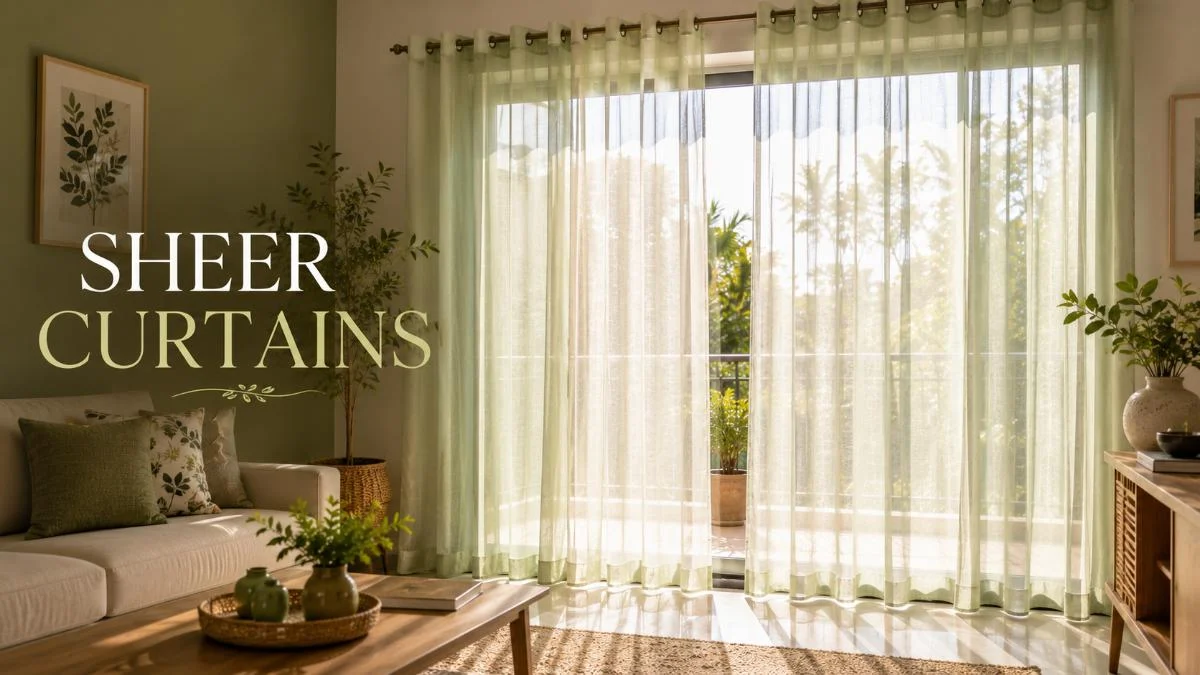
In the evolving landscape of interior design, the heavy, dark draperies of the past are increasingly being replaced by a more ethereal and functional alternative: sheer curtains. As urban living spaces in India become more compact and the demand for natural light grows, the "sheer revolution" has taken center stage. Far from being just a decorative afterthought, sheer curtains have become a strategic tool for architects and homeowners alike to balance the delicate requirements of privacy, ventilation, and aesthetic appeal.
This comprehensive report explores the rise of sheer curtains, categorizing their various designs, analyzing the economic factors driving their popularity, and examining the future implications of this trend in the Indian real estate and home decor sectors.
1. Main Facts: The Functional Elegance of Sheers
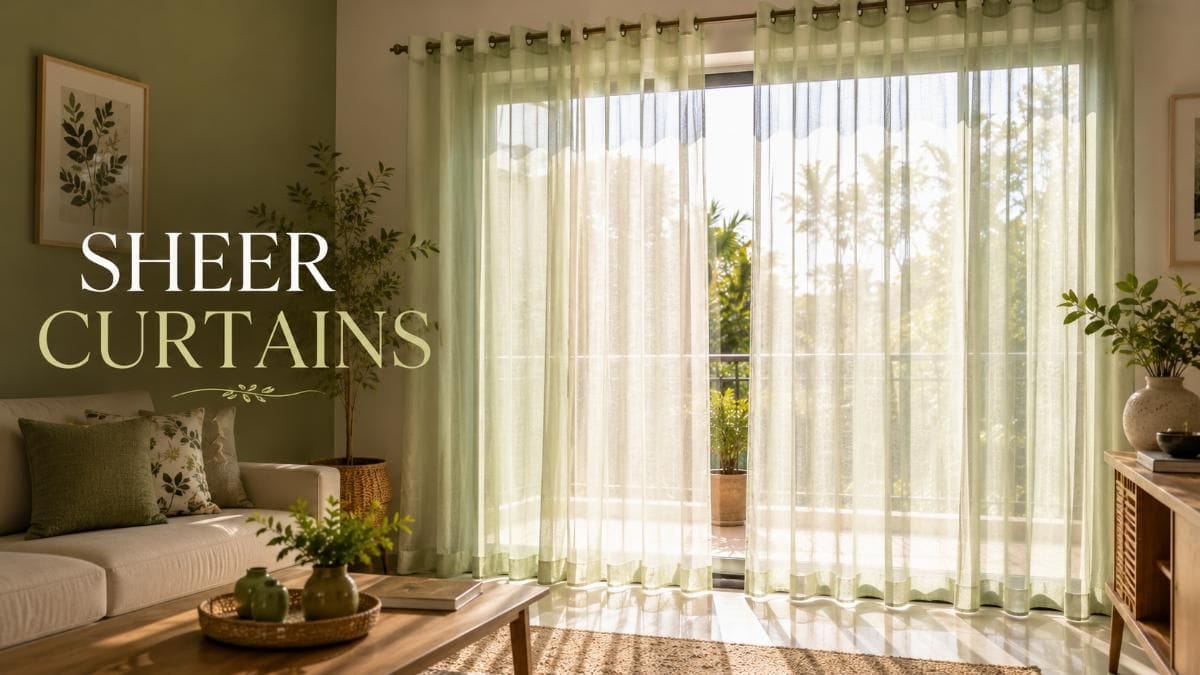
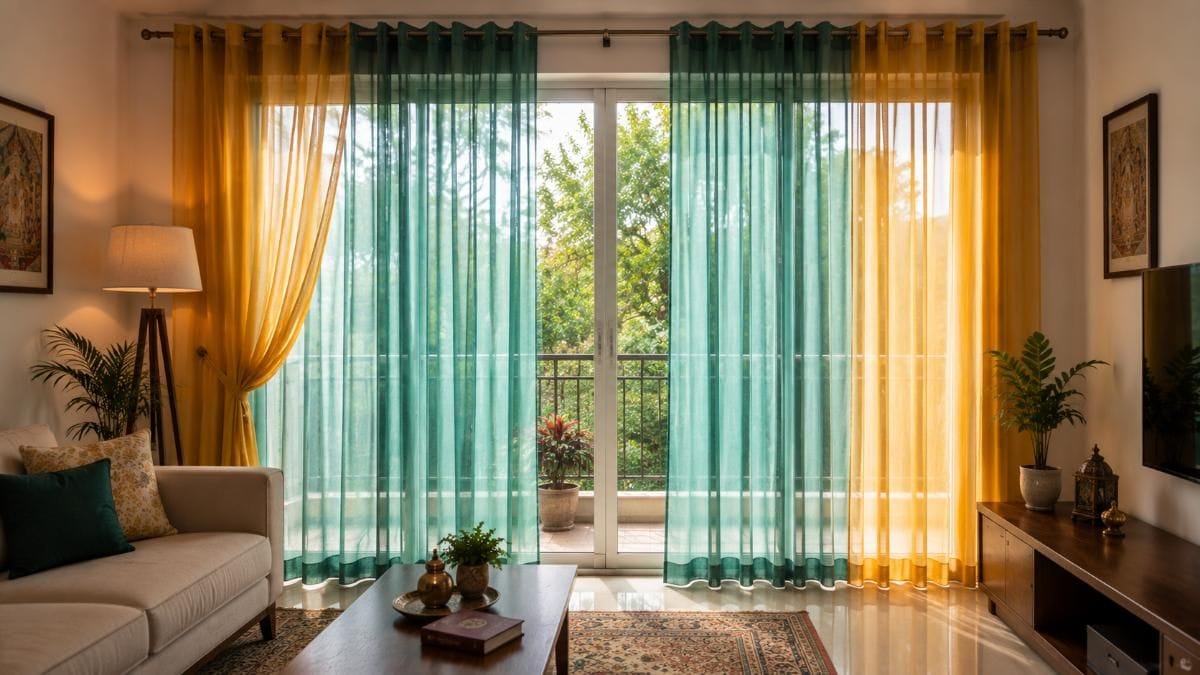
At their core, sheer curtains are lightweight window treatments crafted from translucent fabrics. Unlike blackout curtains, which are designed to obstruct light entirely, sheers act as a filter. They diffuse harsh sunlight into a soft, ambient glow, reducing glare while maintaining a visual connection with the outside world.
The Core Value Proposition:
- Light Diffusion: They transform direct, harsh sunlight into a warm, inviting atmosphere, protecting furniture from UV damage without darkening the room.
- Space Perception: By allowing the eye to travel through the fabric to the window, sheers create an illusion of depth, making small urban apartments feel significantly larger.
- Ventilation: The lightweight, porous nature of fabrics like voile and linen allows for superior air circulation compared to heavy velvet or brocade.
- Daytime Privacy: They offer a "one-way" privacy screen during the day, allowing inhabitants to see out while preventing passersby from looking in.
2. Chronology: From Victorian Opulence to Minimalist Utility
The history of window treatments in India has seen a dramatic shift over the last few decades.
- The 1980s-90s (The Era of Heavy Drapes): During this period, home decor was heavily influenced by traditional European styles. Thick satin, velvet, and heavy polyester drapes with ornate valances were symbols of luxury. These were functional for blocking heat but often made rooms feel claustrophobic and dark.
- The Early 2000s (The Transitional Phase): As global design influences entered the Indian market via the internet and international travel, the concept of "layering" emerged. Homeowners began pairing heavy curtains with thin net-like fabrics, though the sheers were often treated as secondary.
- 2015-Present (The Rise of Minimalism): With the rise of "Scandi-Indian" and "Organic Modern" design movements, sheer curtains have moved from the background to the foreground. The focus has shifted toward wellness, biophilic design, and the maximization of natural light—a direct response to the high-pressure, indoor-centric lifestyles of modern professionals.
3. Supporting Data: A Detailed Breakdown of Design and Fabric
The versatility of sheer curtains is reflected in the variety of designs available in the Indian market. Below is an analysis of the eight most influential designs currently trending.
I. Plain White Sheer Curtains: The Universal Standard
White remains the dominant choice in Indian homes. Its popularity stems from its ability to reflect light and its neutrality.
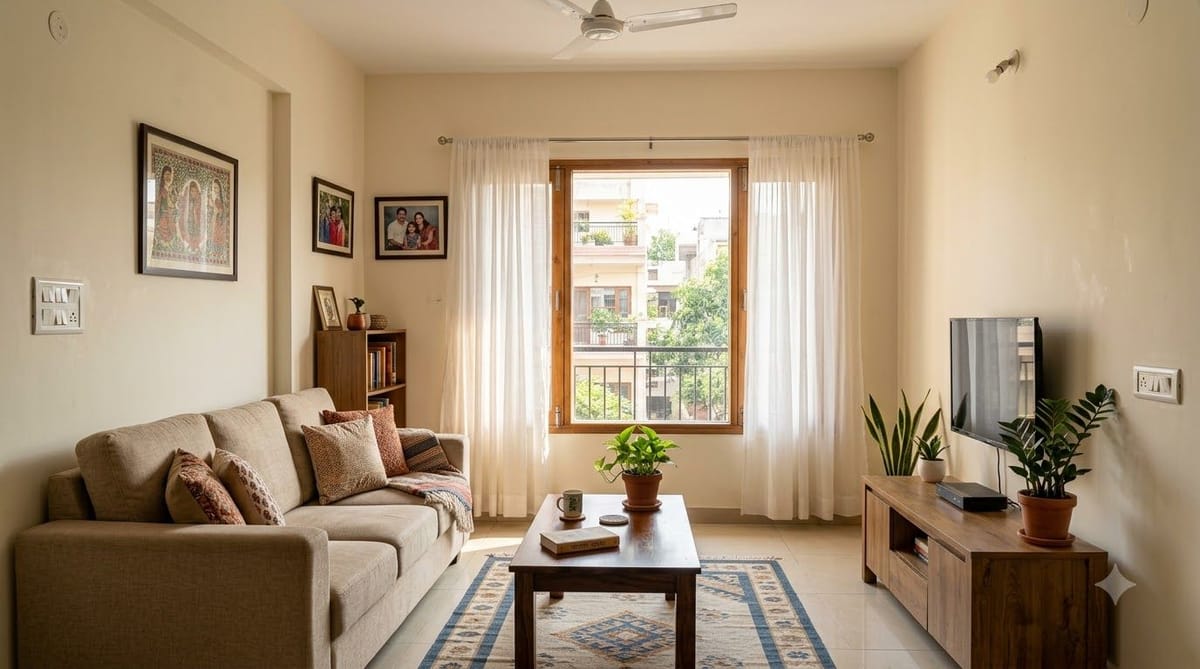
- Key Features: Minimalist, high light transmission, and easy to wash.
- Strategic Use: Ideal for living rooms with dark-colored accent walls to provide a visual break.
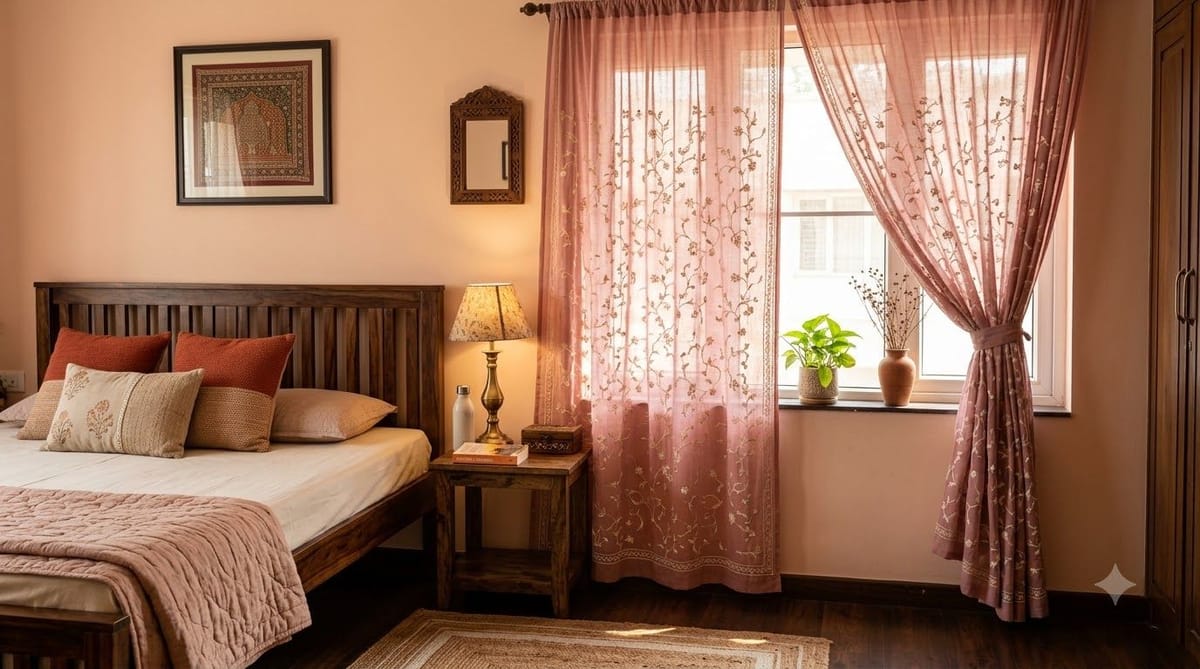
II. Embroidered Sheer Curtains: The Artisanal Touch
Bridging the gap between traditional craftsmanship and modern utility, embroidered sheers feature delicate floral or geometric patterns.
- Key Features: Tactile texture, shadow-play (patterns are projected onto the floor by sunlight).
- Strategic Use: Best for bedrooms where a touch of romanticism or luxury is desired without the weight of heavy fabric.
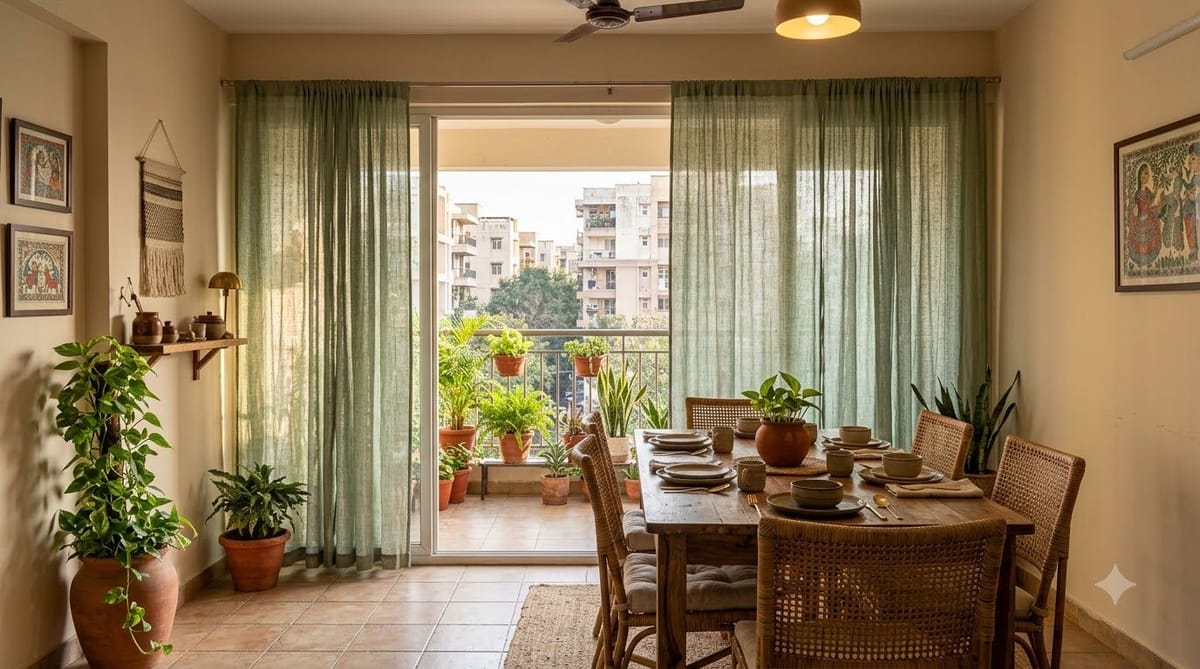
III. Linen Sheer Curtains: The "Quiet Luxury" Trend
Linen has seen a massive surge in demand due to the "Quiet Luxury" aesthetic. It is less transparent than voile and has a distinct, slightly irregular weave.
- Key Features: Natural fibers, highly breathable, and ecologically friendly.
- Strategic Use: Works exceptionally well with wooden furniture and indoor plants, creating a "Zen" or earthy atmosphere.
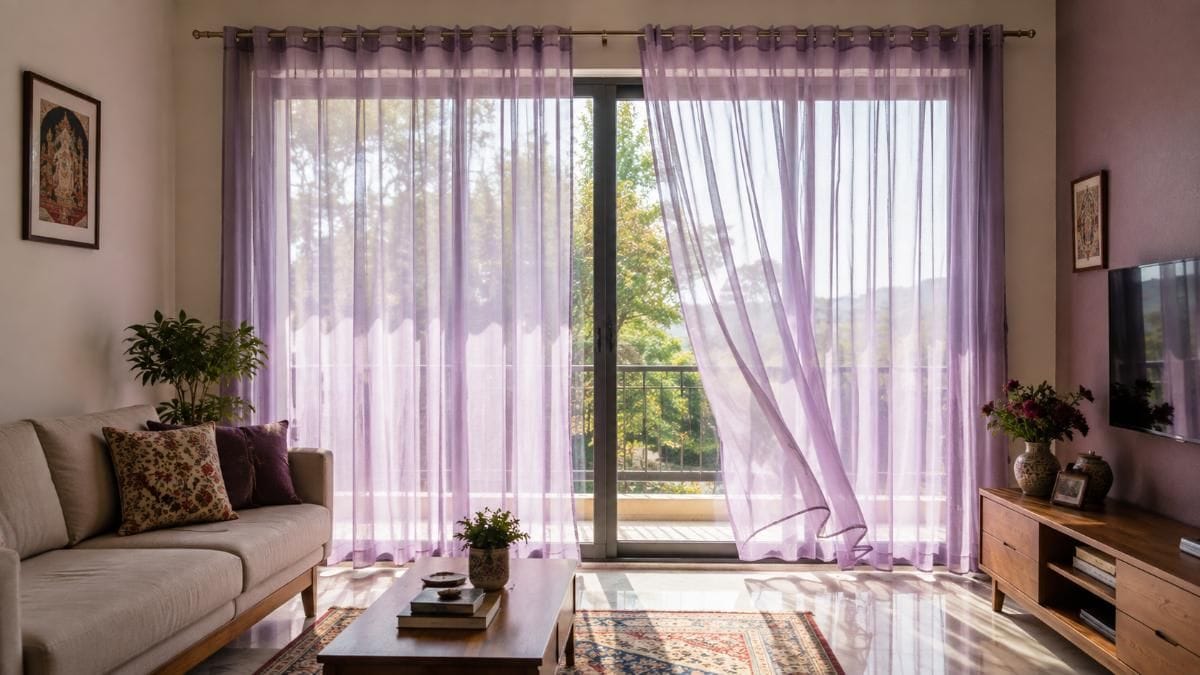
IV. Voile Sheer Curtains: The Flowing Ethereal
Voile is a soft, fine-spun fabric (usually 100% cotton or a cotton-blend). It is known for its superior "drape," meaning it falls in elegant, soft folds.
- Key Features: Extremely lightweight, semi-transparent, and high-motion (moves with the slightest breeze).
- Strategic Use: Used in luxury high-rise apartments to frame panoramic city views.
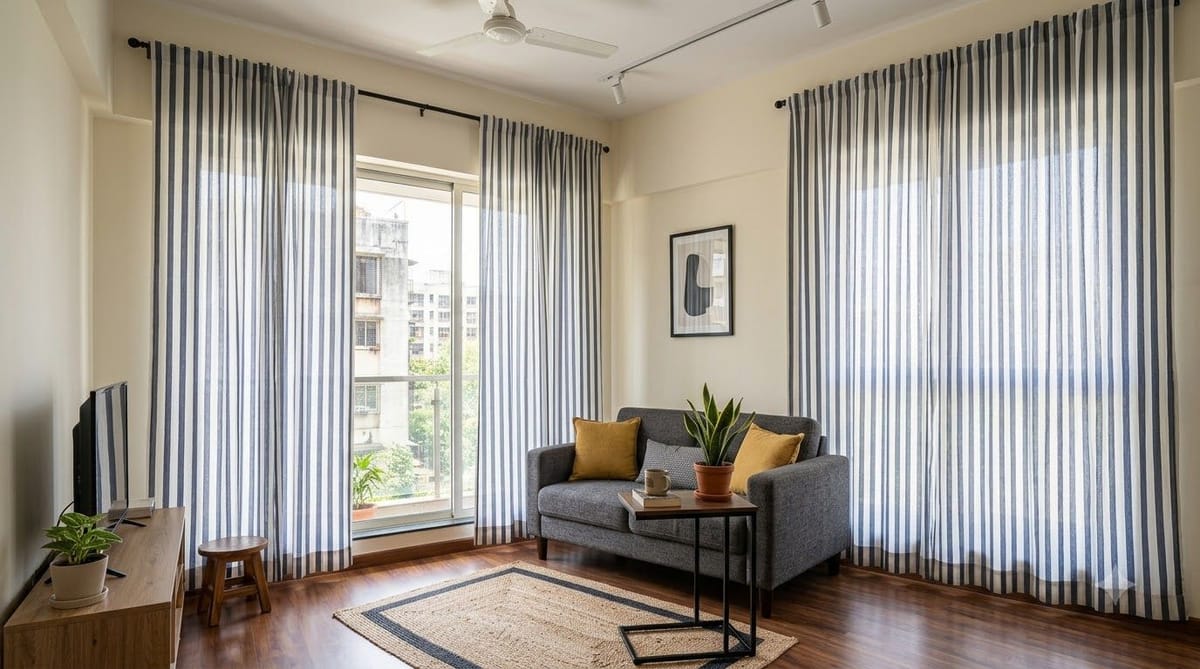
V. Striped Sheer Curtains: The Architectural Tool
Striped sheers use vertical lines to manipulate the perception of a room’s height.
- Key Features: Structured look, often uses a mix of matte and shiny threads.
- Strategic Use: Essential for rooms with low ceilings; the verticality draws the eye upward.
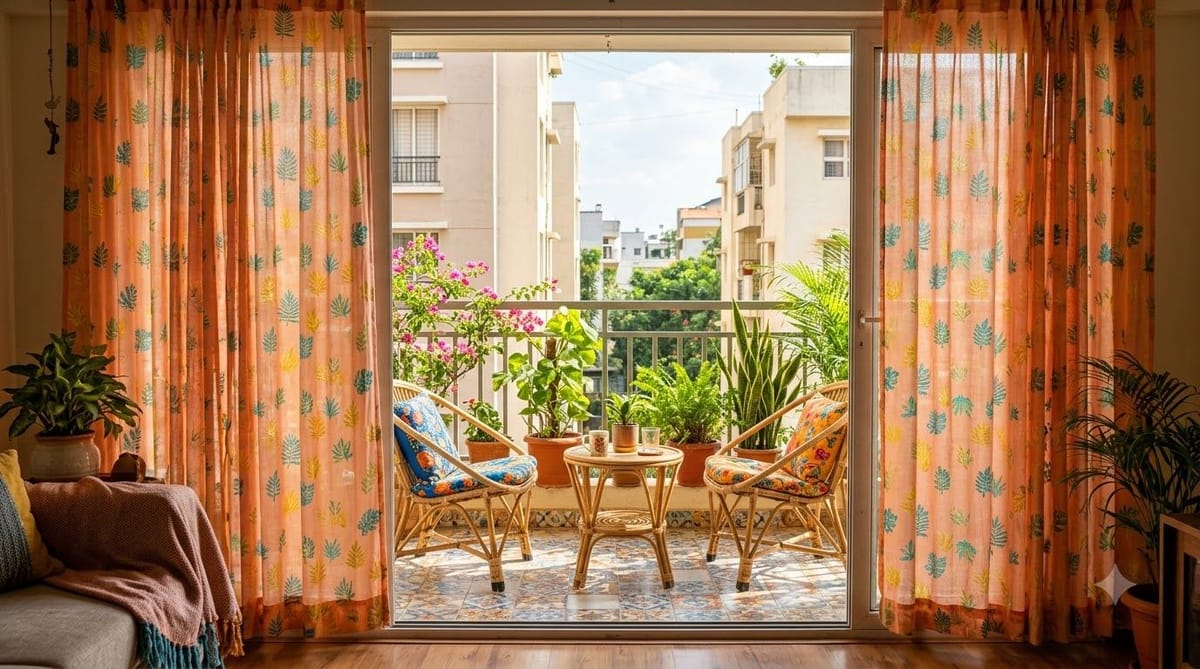
VI. Printed Sheer Curtains: The Personality Piece
Digital printing technology has allowed for intricate designs—ranging from botanical leaves to abstract watercolors—on sheer bases.
- Key Features: Vibrant but translucent, serves as a piece of art.
- Strategic Use: Popular in nurseries, home offices, or balconies.
VII. Layered Double Sheer Curtains: The Designer Choice
This involves hanging two different sheer panels (e.g., a white panel and a charcoal grey panel) on a double rod.
- Key Features: Depth of color, adjustable privacy levels.
- Strategic Use: Used in premium living rooms to create a sophisticated, multi-tonal look.
VIII. Eyelet Sheer Curtains: The Modern Installation
The eyelet (or grommet) style features metal rings at the top, allowing the rod to pass directly through the fabric.
- Key Features: Clean, deep waves; easiest to slide open and shut.
- Strategic Use: Ideal for high-traffic areas where curtains are frequently moved.
4. Official Perspectives: Insights from Interior Design Experts
Industry experts suggest that the choice of sheer curtains is no longer just about color, but about "light management."
The Designer’s View:
According to leading interior consultants in Pune and Mumbai, sheer curtains are being used as a "softening agent" for modern architecture. "Modern apartments often feature hard surfaces like marble, glass, and steel," says a senior designer. "Sheers introduce a necessary softness, breaking the harsh lines and making the home feel inhabited rather than just constructed."
The Economic Landscape (Pricing Data):
The Indian market offers a wide spectrum of pricing, making sheers accessible to both budget-conscious and luxury consumers.
| Curtain Type | Material | Approx Price (7ft Door Piece) | Market Segment |
|---|---|---|---|
| Plain White | Polyester | Rs. 400 – Rs. 800 | Mass Market |
| Embroidered/Voile | Cotton/Poly Blend | Rs. 800 – Rs. 1,500 | Mid-Range |
| Linen Sheers | Natural Linen | Rs. 1,200 – Rs. 2,500 | Premium |
| Printed/Striped | Mixed Synthetic | Rs. 700 – Rs. 1,800 | Mid-Range |
| Double Layered | Designer Set | Rs. 1,500 – Rs. 3,000+ | Luxury |
Data Note: Prices vary based on thread count, brand, and custom tailoring requirements.
5. Pros and Cons: A Balanced Assessment
To provide a professional journalistic overview, one must consider both the advantages and the limitations of this window treatment.
Pros:
- Cost-Effectiveness: Generally, sheers require less fabric weight and simpler manufacturing than heavy drapes, making them a more affordable way to refresh a room.
- UV Protection: They protect expensive flooring and upholstery from fading by filtering the harshest rays.
- Psychological Well-being: Increased exposure to natural light is scientifically linked to improved mood and circadian rhythm regulation.
Cons:
- Nighttime Privacy: Once the lights are turned on inside a room at night, sheers become transparent to those outside. They must be paired with secondary window treatments for full privacy.
- Lack of Insulation: Sheers offer negligible thermal or acoustic insulation. They cannot block out street noise or keep a room warm in winter.
- Maintenance: Because they are often white or light-colored, they show dust and pollutants more quickly, requiring frequent (though often easy) cleaning.
6. Implications and Future Outlook: The Smart-Sheer Integration
As we look toward the future of home decor in India, several trends are poised to keep sheer curtains at the forefront of the industry.
The Sustainability Factor
There is a growing demand for "eco-sheers" made from recycled ocean plastics or organic hemp. As Indian consumers become more environmentally conscious, manufacturers are pivoting toward sustainable production methods.
Smart Home Integration
The rise of home automation is seeing sheer curtains being fitted onto motorized tracks. These "smart sheers" can be programmed to open at sunrise and close at sunset, or adjust based on the intensity of the sun, optimizing the home’s energy efficiency by reducing the load on air conditioning systems.
The Wellness Real Estate Trend
Real estate developers are now marketing "luminous homes" as a selling point. Sheer curtains are the primary tool used in model apartments to showcase these properties, emphasizing a lifestyle of health, light, and openness.
Conclusion
Sheer curtains have transcended their role as simple fabric panels to become an essential element of modern Indian living. They represent a broader cultural shift toward transparency, minimalism, and a desire to harmonize our indoor environments with the natural world. Whether it is the crisp simplicity of a plain white voile or the rugged elegance of natural linen, sheers offer a versatile, cost-effective, and aesthetically superior solution for the contemporary home.
As urban density increases, the ability to "invite the light while keeping the world at bay" will remain a prized quality in interior design, ensuring that sheer curtains remain a staple of Indian households for decades to come.
Disclaimer: This report is based on current market trends and industry data as of late 2024. For specific home renovation projects, consulting with a professional interior designer is recommended to ensure fabric compatibility with local climate conditions.
