

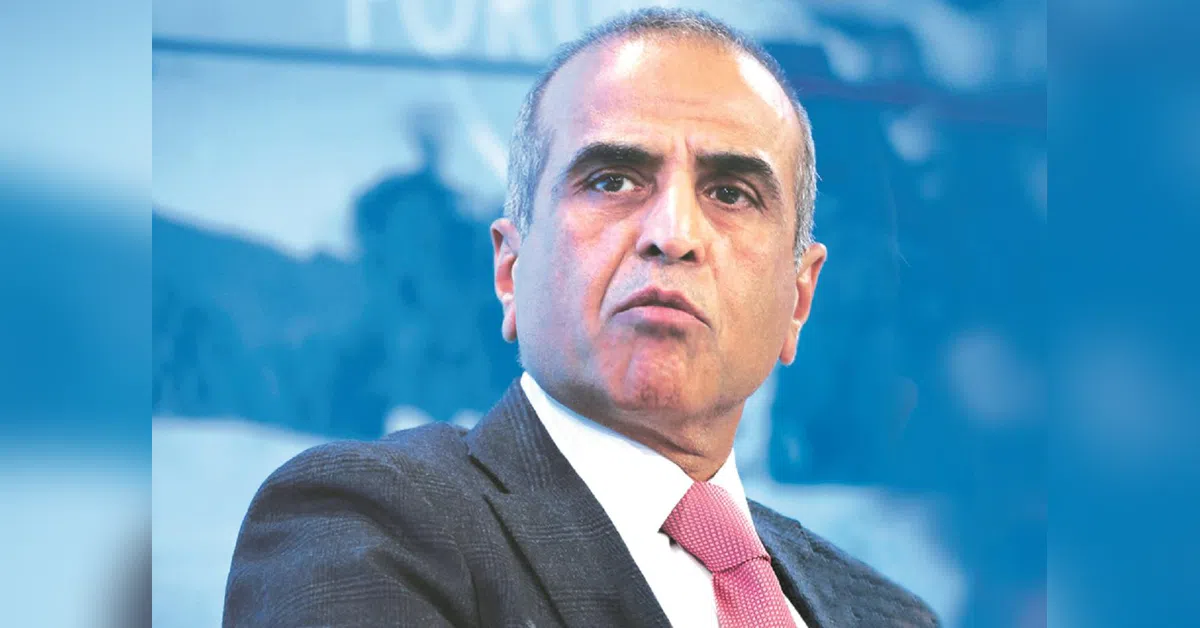
Strategic Control Over Critical Infrastructure Takes Precedence as London Signals Opposition to Sunil Bharti Mittal’s Expansion Plans
London, UK – May 28, 2026 – The British government is reportedly preparing to thwart any attempt by Indian billionaire Sunil Bharti Mittal to significantly increase his stake in the telecommunications giant BT Group. Citing the imperative to maintain sovereign control over what it deems "critical national infrastructure," sources familiar with the matter indicated to the Financial Times on Thursday that London would oppose such a move. This development comes on the heels of an exclusive Reuters report last week revealing Bharti Enterprises’ intention to potentially raise its stake in BT to just under the 30% threshold that would trigger a mandatory full takeover offer for the British telecoms behemoth.
The unfolding situation underscores the UK’s increasingly stringent stance on foreign investment in strategic sectors, particularly under the purview of the National Security and Investment (NSI) Act 2021. While Bharti Enterprises currently holds a substantial 24.95% shareholding in BT, the prospect of an expanded ownership by an overseas entity in a company so integral to the nation’s digital backbone appears to have raised red flags within Whitehall. The implications of this potential block extend beyond the immediate parties, signalling a broader message about the UK’s commitment to safeguarding its foundational assets in an evolving geopolitical landscape.
Main Facts
The core of the unfolding drama revolves around Bharti Enterprises, led by its charismatic founder and chairman, Sunil Bharti Mittal, seeking to expand its financial interest in BT Group. This ambition has reportedly met with a firm, albeit unconfirmed, resistance from the British government. The crucial element is BT’s designation as "critical national infrastructure," a label that places it firmly within the scope of national security considerations.
Bharti Enterprises’ current stake of 24.95% is already significant, making it one of BT’s largest shareholders. The Reuters exclusive detailed the Indian conglomerate’s aim to increase this shareholding, strategically stopping short of the 30% mark. In UK corporate law, crossing this threshold typically mandates a full takeover bid for the entire company, a move that would entail substantial financial outlay and regulatory hurdles. By aiming for a position just below this, Bharti could potentially increase its influence and share of profits without incurring the full costs and responsibilities associated with a complete acquisition.
However, the UK government’s reported opposition suggests that even an incremental increase, if it leads to greater foreign control or influence, is viewed with apprehension. This cautious approach is rooted in the strategic importance of BT, which not only provides fundamental telecommunications services to millions of households and businesses but also manages vital data networks, government communications, and infrastructure critical for national defence and economic stability.
Official responses from the involved parties have been limited. Reuters could not immediately verify the Financial Times report, and requests for comment from BT, the UK government, and Bharti Enterprises did not yield immediate replies. A Bharti spokesman had previously stated that the company was content with its existing 24.95% shareholding and "currently has no plans to increase its stake," a statement that now appears to be at odds with the reported intentions and the government’s pre-emptive opposition. The situation highlights a growing tension between facilitating foreign investment and protecting national strategic interests in a globalised yet increasingly fractured world.
Chronology of Events
The narrative surrounding Bharti Enterprises’ involvement with BT Group spans several years, culminating in the current reported standoff:
- 2021: Bharti Enterprises first made a significant entry into BT Group, acquiring a 2.4% stake from Deutsche Telekom for £200 million. This initial investment was a clear signal of Mittal’s interest in the British telecoms market.
- August 2021: Just months later, Bharti further solidified its position by increasing its stake to 3.9%, demonstrating a growing commitment to BT.
- May 2022: A pivotal moment occurred when Bharti Enterprises’ investment vehicle, Airtel, became BT’s largest shareholder, boosting its stake to 12.06%. This move followed a strategic investment by Bharti, highlighting its increasing influence.
- August 2022: Bharti continued its steady accumulation of shares, raising its holding to 14.1%. This pattern of incremental increases indicated a long-term strategy rather than a speculative play.
- November 2022: The stake further climbed to 15.1%. Each increase brought Bharti closer to a position of significant strategic influence within BT.
- May 2023: Bharti’s stake reached 19.9%, underscoring its growing presence on BT’s shareholder register.
- September 2025: Sunil Bharti Mittal, founder and chairman of Bharti Enterprises, alongside Gopal Vittal, vice-chairman and managing director of Bharti Airtel, were appointed to BT’s board as non-independent non-executive directors. This marked a significant milestone, granting Bharti direct representation and a voice in BT’s strategic direction, reflecting their substantial investment. Their appointments were indicative of a shareholder seeking to play an active, rather than passive, role.
- Late 2025/Early 2026 (Implied): Bharti Enterprises quietly continued its share accumulation, reaching its current reported level of 24.95%. This period of increased activity likely coincided with internal discussions and strategic planning within Bharti regarding its future ambitions for BT.
- Last Week (prior to May 28, 2026): Reuters exclusively reported that Bharti Enterprises was actively exploring options to increase its stake in BT, specifically aiming to reach a point just below the 30% threshold that would trigger a mandatory full takeover bid. This report brought Bharti’s intentions into the public domain and likely heightened scrutiny from UK authorities.
- May 28, 2026: The Financial Times reported that the British government is set to oppose any such move by Sunil Bharti Mittal to further increase his stake, citing concerns over "critical national infrastructure" and the need for sovereign control. This marks the first clear indication of direct government intervention or opposition to Bharti’s ambitions.
This chronology illustrates a consistent, measured, yet ambitious strategy by Bharti Enterprises to deepen its involvement with BT, culminating in the current governmental pushback.
Supporting Data and Context
The British government’s reported intention to block Bharti Enterprises’ increased stake in BT is not an isolated incident but rather fits within a broader trend of enhanced scrutiny of foreign investment in key sectors. This trend is largely underpinned by the National Security and Investment (NSI) Act 2021, which grants the UK government sweeping powers to intervene in deals that could pose a risk to national security.
The NSI Act 2021: Enacted in January 2022, the NSI Act replaced a more limited regime and introduced a mandatory notification system for certain transactions in 17 sensitive sectors, including communications, defence, energy, and data infrastructure. The Act empowers the Secretary of State to "call in" transactions for a detailed national security assessment and, if necessary, to block or impose conditions on them. The broad definition of "national security" allows for significant governmental discretion, making it a powerful tool for safeguarding strategic assets. In the case of BT, its role in providing essential telecommunications services, managing critical data networks, and supporting government and emergency services unequivocally places it within the "communications" and "data infrastructure" categories under the NSI Act. Any foreign ownership increase in such a company would automatically trigger intense scrutiny.
BT Group as Critical National Infrastructure: BT is far more than just a broadband provider. It owns and operates the vast majority of the UK’s fixed-line telecommunications network, including Openreach, which provides wholesale broadband services to almost all internet service providers in the country. Its mobile arm, EE, is one of the largest mobile network operators. Furthermore, BT holds numerous contracts for government communications, defence networks, and critical national security infrastructure. A substantial change in ownership or control could theoretically impact data security, network resilience, strategic decision-making, and the government’s ability to exert influence over vital communication channels during national emergencies or security threats. The government’s stance reflects a perceived need to prevent any potential leverage or influence that a foreign entity might gain over these sensitive assets.
Precedent and Parallels: This isn’t the first time the UK government has intervened or considered intervention in foreign investment deals for national security reasons.
- Nexperia/Newport Wafer Fab (2022): The government ordered Chinese-owned Nexperia to sell its stake in Newport Wafer Fab, a Welsh semiconductor manufacturer, citing national security concerns. This demonstrated a willingness to use the NSI Act to reverse completed deals.
- Altice/BT (2022): Prior to Bharti’s current situation, the government had already reviewed French billionaire Patrick Drahi’s increased stake in BT through his company Altice. Drahi, who holds around 24.5% of BT, was subjected to a national security assessment, which ultimately concluded that his stake did not pose a threat at that time. However, this review set a precedent for close monitoring of significant shareholdings in BT.
- E&/Vodafone (Ongoing): The UAE-backed telecoms group e& (formerly Etisalat) has built a significant stake in Vodafone, another major UK telecoms player. This has also drawn scrutiny, though a full block has not been announced. These cases illustrate a consistent focus on the telecoms sector.
Financial and Market Context: BT Group is a FTSE 100 company, a cornerstone of the British economy, and a significant employer. It is currently undergoing a massive and costly fibre broadband rollout, requiring substantial capital investment. Large, stable shareholders like Bharti Enterprises can provide stability and long-term vision. However, the government’s priority here appears to be national security over purely economic considerations or the perceived benefits of foreign capital infusion. The potential blocking of Bharti’s bid could send a chill through other foreign investors eyeing UK assets, raising questions about the predictability and openness of the British investment environment in strategic sectors.

Bharti Enterprises’ Motivation: For Sunil Bharti Mittal, increasing the stake in BT is likely driven by a desire to expand his global telecom footprint and leverage BT’s vast infrastructure and market presence. Bharti Airtel is a major player in India and Africa, and a deeper strategic partnership or increased influence in a European incumbent like BT could offer significant synergies, technological exchange, and diversification. By aiming just under the 30% threshold, Bharti likely sought to gain greater influence without the onerous financial and regulatory burden of a full takeover, which would be a multi-billion-pound endeavour.
This comprehensive backdrop highlights that the government’s reported decision is a carefully considered move, aligning with its legislative powers, national security doctrine, and a pattern of increased vigilance over critical national assets.
Official Responses
The immediate aftermath of the Financial Times report saw a predictable silence from the key players involved, reflecting the sensitivity and ongoing nature of the situation.
-
The UK Government: As is customary in such high-stakes matters involving national security, the UK government has not issued an official statement directly confirming or denying the Financial Times report. Government departments, particularly the Department for Business and Trade (which oversees the NSI Act) and the Department for Science, Innovation and Technology (responsible for digital infrastructure), typically refrain from commenting on specific ongoing national security assessments or market speculation. Their silence, however, is often interpreted as neither a confirmation nor a denial, leaving the reported position unchallenged in the public sphere for now. Any official announcement would likely come only after a formal decision has been reached and communicated to the parties involved, or if a "call-in" notice under the NSI Act were to be issued.
-
BT Group: Similarly, BT Group has remained tight-lipped. As a publicly listed company, BT is bound by strict disclosure rules, and its official statements are usually reserved for confirmed corporate actions or regulatory mandates. Commenting on government intentions regarding a specific shareholder’s potential actions, especially when those intentions are based on leaked information, would be highly unusual. BT’s internal position would likely be to acknowledge all shareholders while navigating the complex regulatory landscape. The company’s primary focus would be on delivering its strategic objectives, including its fibre rollout, regardless of specific shareholder compositions, provided it operates within legal and regulatory frameworks.
-
Bharti Enterprises: A spokesman for Bharti Enterprises had previously stated, following the initial Reuters exclusive report on their intentions, that the company was "pleased with its current 24.95 per cent shareholding" and "currently has no plans to increase its stake." This statement, issued prior to the Financial Times report on governmental opposition, now stands in stark contrast to the reported developments. It is common for companies to issue such cautious statements to manage market perception and avoid prematurely confirming strategic moves, especially those that could be contentious. Following the Financial Times report, Bharti Enterprises has not issued any further official comment, indicating a period of internal assessment and potentially strategic recalibration in light of the UK government’s reported stance. Any future statement from Bharti would likely be carefully worded to address the situation without escalating tensions.
The lack of immediate official confirmation from any party underscores the delicate nature of the situation. While the Financial Times report relies on sources "familiar with the matter," the absence of outright denial from the government suggests that the information holds significant weight. The coming days and weeks will be crucial for any formal responses or actions from the involved entities, particularly if the UK government decides to formalize its opposition through official channels.
Implications
The reported decision by the British government to block Sunil Bharti Mittal’s bid to increase his stake in BT Group carries significant implications across several dimensions – for BT, for Bharti Enterprises, for the UK’s investment climate, and for broader geopolitical relations.
For BT Group:
- Shareholder Structure Stability: The immediate implication is that BT’s shareholder structure is likely to remain stable, at least in terms of Bharti’s holdings, at its current 24.95%. This avoids the potential for a more concentrated ownership that might have shifted strategic priorities.
- Strategic Direction: With Mittal and Gopal Vittal already on the board, Bharti still retains a voice in BT’s strategy. However, the inability to increase their stake might limit their long-term influence, especially if they had envisioned a more dominant role.
- Funding and Investment: BT is undertaking a colossal infrastructure upgrade. While Bharti is a significant investor, the block could potentially deter other foreign investors looking to take larger, more influential stakes in BT or similar UK critical infrastructure companies, potentially narrowing the pool of capital for future projects.
- Market Perception: The government’s intervention, even if unofficial for now, reinforces BT’s status as a strategically vital asset, potentially adding a layer of security premium but also a layer of regulatory complexity for potential investors.
For Bharti Enterprises and Sunil Bharti Mittal:
- Strategic Setback: This represents a significant strategic setback for Bharti’s ambition to expand its global footprint and deepen its influence in a major European telecom market. It may force a re-evaluation of their BT investment strategy.
- Investment Reallocation: With the path to increased ownership seemingly blocked, Bharti might explore other avenues for growth or reallocate capital to other markets where regulatory environments are more amenable to foreign investment in critical sectors.
- Shareholder Value: The news could impact the perceived value of Bharti’s existing stake in BT, particularly if the market views the inability to exert greater control as a limiting factor for future returns.
- Reputational Impact: While the government’s decision is about national security, it can still be perceived as a challenge to Bharti’s global expansion efforts, potentially affecting its reputation as an international investor in sensitive markets.
For the UK’s Investment Climate and Economic Policy:
- Reinforcement of NSI Act: This move emphatically reinforces the power and intent behind the National Security and Investment Act 2021. It signals to all potential foreign investors that the UK government is prepared to use this legislation to protect what it deems critical national infrastructure, even if it means foregoing significant foreign capital.
- Balancing Act: The UK government faces a delicate balancing act. On one hand, it seeks to attract foreign direct investment (FDI) post-Brexit to boost economic growth. On the other, it is increasingly prioritising national security. This decision tilts the balance towards security, potentially leading to questions about the UK’s openness to FDI in regulated sectors.
- Sectoral Scrutiny: The telecoms sector, along with others like energy, defence, and advanced materials, will remain under intense scrutiny. Investors in these areas will need to factor in a higher degree of regulatory risk and potential governmental intervention.
- Predictability Concerns: While the NSI Act provides a framework, individual decisions can sometimes create uncertainty for investors about which specific levels of ownership or influence will trigger governmental opposition.
For Broader Geopolitical Relations (UK-India):
- Trade Deal Context: The timing is notable as the UK and India have been engaged in protracted negotiations for a comprehensive free trade agreement. While this specific corporate action is distinct from broader trade talks, high-profile rejections of Indian investment could introduce a subtle undercurrent of tension, even if both governments maintain that national security decisions are independent of trade policy.
- Investment Flows: India is a growing source of outbound investment, and the UK has historically been a popular destination. This incident might lead Indian investors to carefully consider the political and regulatory risks associated with strategic UK assets.
- Sovereignty vs. Globalisation: The situation highlights a global trend where nations are increasingly asserting sovereignty over strategic assets in an era of heightened geopolitical competition, even from close economic partners.
In conclusion, the reported governmental block on Bharti Enterprises’ increased stake in BT is a clear articulation of the UK’s commitment to national security in critical sectors. While it might offer stability for BT and reinforce the government’s regulatory powers, it also presents challenges for Bharti’s global ambitions and adds a layer of complexity for foreign investors navigating the UK’s increasingly scrutinised investment landscape. The episode serves as a powerful reminder that in the modern global economy, strategic national interests can often supersede purely commercial considerations.
