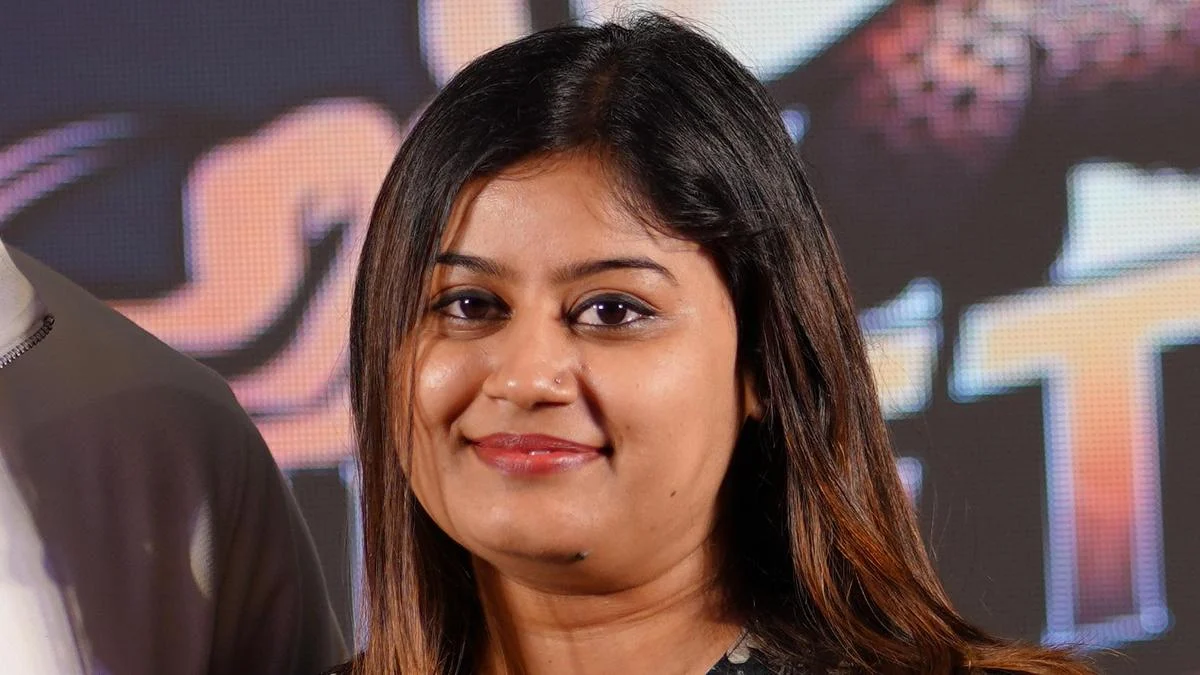
Kochi, Kerala – The Association of Malayalam Movie Artistes (AMMA), a prominent body representing actors in the Malayalam film industry, has formally invited its former joint secretary, Ansiba Hassan, to address a series of serious allegations she has leveled against the organization’s office-bearers. The move signifies AMMA’s attempt to de-escalate internal friction and impartially investigate the grievances raised by Ms. Hassan, which have reverberated through the industry and public domain.
Ms. Hassan, who recently stepped down from her position, has publicly accused several key figures within AMMA of character assassination, communal remarks, and even instigating a false police complaint against her. The association’s response, a formal notice signed by President Shwetha Menon and General Secretary Cuckoo Parameswaran, acknowledges the gravity of the complaints and expresses a desire to hear Ms. Hassan’s account directly.
The situation has underscored the challenges faced by professional organizations in navigating internal disputes and maintaining a transparent and equitable environment for their members. As AMMA endeavors to resolve this crisis, the focus remains on ensuring a fair hearing for all parties involved and upholding the principles of due process within the association.
The Genesis of the Dispute: Unraveling Ansiba Hassan’s Allegations
The current impasse within AMMA traces back to a series of public statements and a written complaint lodged by Ansiba Hassan. These actions have brought to light a deep-seated discord, casting a shadow over the internal functioning of the prestigious actors’ body. Ms. Hassan’s grievances primarily center on alleged misconduct by fellow office-bearers and members during her tenure as joint secretary.
In her public pronouncements and the formal complaint, Ms. Hassan has pinpointed actor Tiny Tom and a faction of AMMA’s office-bearers for allegedly engaging in a sustained campaign of character assassination against her. Furthermore, she has alleged that communal remarks were made, targeting her personal identity. A particularly grave accusation is directed at AMMA Vice-President Lakshmi Priya, whom Ms. Hassan claims orchestrated a false police complaint to tarnish her reputation.
The ramifications of these accusations are significant, not only for the individuals named but also for the reputation and operational integrity of AMMA itself. The association’s decision to issue a formal notice indicates a recognition that these allegations cannot be dismissed and require a thorough and impartial examination.
A Timeline of Escalation: From Resignation to Formal Inquiry
The friction between Ansiba Hassan and certain AMMA office-bearers appears to have been simmering for some time, culminating in her recent resignation and subsequent public disclosures. The sequence of events leading to the current situation can be pieced together as follows:

- Ms. Hassan’s Resignation and Public Statements: Following her departure from the position of joint secretary, Ansiba Hassan began voicing her concerns publicly. These statements, disseminated through various media channels, outlined the alleged mistreatment and professional ostracization she experienced.
- Formal Complaint Lodged: Ms. Hassan formalized her grievances by submitting a written complaint to AMMA, specifically naming individuals she accused of misconduct. This complaint served as a crucial document, detailing the specifics of her allegations.
- AMMA’s Acknowledgement and Notice: The executive committee of AMMA, acknowledging the complaints and public reports, issued a formal notice to Ms. Hassan. This notice, dated May 28, 2026, invited her to appear before the president and general secretary between June 1 and June 3.
- Ms. Hassan’s Response and Counter-Demands: Ms. Hassan, while indicating her willingness to cooperate, proposed alternative dates for her appearance, suggesting June 1 or any day after June 7. More significantly, she stipulated conditions for the hearing, demanding the formation of an independent panel and the recording of the entire proceedings.
- Legal Proceedings Initiated: Adding another layer of complexity, Ms. Hassan announced her intention to initiate legal proceedings and file a police complaint against an executive member. This decision stems from her assertion that the alleged actions against her constitute cognizable offenses, including public humiliation and outraging her modesty.
- Prior Complaints to Authorities: It is also revealed that Ms. Hassan had previously lodged complaints with higher authorities, including the Chief Minister, regarding an alleged conspiracy involving the Vice-President and a sub-inspector at the Tripunithura women’s police station. She claims her fundamental rights were violated through unlawful detention and interrogation based on a fabricated complaint.
This chronological progression highlights the escalating nature of the dispute, moving from internal disagreements to public accusations and now to the formal intervention of the association and the potential for legal recourse.
Supporting Evidence and Documentation: The Weight of Proof
Central to the resolution of this dispute will be the evidence presented by both Ms. Hassan and the accused office-bearers. The AMMA notice explicitly requests Ms. Hassan to furnish copies of any documents, communications, or other material that substantiates her public statements and written complaint. This underscores the association’s commitment to a fact-based inquiry.
While the article does not detail the specific nature of these documents, it is understood that Ms. Hassan intends to present evidence to support her claims of character assassination, communal remarks, and the alleged fabrication of a police complaint. This could include:
- Correspondence: Emails, text messages, or letters exchanged with office-bearers or other members that allegedly reveal discriminatory or defamatory content.
- Witness Testimonies: Statements from individuals who may have witnessed the alleged incidents of misconduct or heard the communal remarks.
- Records of the Police Complaint: If Ms. Hassan was indeed subjected to a false police complaint, any official documentation related to that incident, including the complaint itself and any subsequent police reports, would be crucial.
- Records of AMMA Meetings: Minutes or recordings of executive committee meetings where the alleged incidents or discussions pertaining to Ms. Hassan’s tenure took place.
The inclusion of actor Tiny Tom and AMMA Vice-President Lakshmi Priya as key figures in Ms. Hassan’s allegations suggests that the evidence will likely pertain to their interactions and alleged actions. The mention of a conspiracy involving a sub-inspector at the Tripunithura women’s police station indicates that Ms. Hassan may also possess information related to the alleged undue influence exerted on law enforcement.
The demand for the entire hearing process to be recorded and preserved, as articulated by Ms. Hassan, further emphasizes the need for transparency and accountability. This measure is intended to ensure that the proceedings are conducted fairly and that a verifiable record is maintained for future reference.
Official Responses and Proposed Solutions: Navigating the Path to Reconciliation
The official response from AMMA, embodied in the notice issued by President Shwetha Menon and General Secretary Cuckoo Parameswaran, signals a structured approach to addressing the crisis. The notice clearly states the executive committee’s awareness of the complaints and its desire to hear Ms. Hassan directly.
The core of AMMA’s proposed solution lies in facilitating a direct dialogue. The invitation to appear before the president and general secretary is a standard procedure for conflict resolution within organizations. However, Ms. Hassan’s counter-demands introduce a significant element of negotiation.

Ms. Hassan’s request for an independent three-member panel or commission highlights her concern about potential bias within the current leadership. By suggesting names like Ramesh Pisharody, Dhyan Sreenivasan, and Maala Parvathi, she is advocating for personalities who are perceived as neutral and respected within the industry. This proposal aims to ensure a "fair and impartial" hearing, a sentiment that resonates with the principles of natural justice.
Her insistence on the recording and preservation of the entire hearing process further underscores her desire for transparency and to safeguard against any manipulation of the proceedings. This is particularly relevant given that her allegations are directed at the highest echelons of AMMA’s leadership.
AMMA’s decision to formally invite Ms. Hassan, rather than dismissing her allegations, can be interpreted as an acknowledgment of the seriousness of the situation and a commitment to an internal resolution. The ball is now in AMMA’s court to consider Ms. Hassan’s proposals for an independent panel and recorded proceedings. A failure to adequately address these concerns could lead to further escalation and a loss of credibility for the association.
Implications for AMMA and the Malayalam Film Industry
The internal strife within AMMA, brought to the forefront by Ansiba Hassan’s allegations, carries significant implications for both the association and the broader Malayalam film industry.
For AMMA:
- Reputational Damage: The public nature of these accusations can tarnish AMMA’s image as a protective and equitable body for actors. If the allegations are proven true, it could lead to a loss of trust among its members and the public.
- Internal Division: Such disputes can create deep divisions within the organization, potentially impacting its ability to function effectively and advocate for its members. The current situation may foster an environment of suspicion and distrust.
- Precedent for Future Disputes: The manner in which AMMA handles this crisis will set a precedent for how future internal conflicts are addressed. A transparent and fair resolution will strengthen the association’s standing, while a mishandled situation could embolden future dissent.
- Strengthening of Governance: This incident could serve as a catalyst for AMMA to re-evaluate and strengthen its internal governance mechanisms, including grievance redressal procedures and codes of conduct for office-bearers.
For the Malayalam Film Industry:
- Focus on Workplace Conduct: The allegations bring to the fore issues of workplace harassment, discrimination, and the abuse of power within the industry. This could lead to increased scrutiny and a greater demand for ethical conduct.
- Empowerment of Members: If Ms. Hassan’s concerns are addressed effectively, it could empower other members who may have faced similar injustices to come forward with their grievances.
- Industry-Wide Reforms: The fallout from this dispute might spur broader conversations and potential reforms concerning the welfare and rights of actors within the Malayalam film industry.
- Media Scrutiny: The media’s role in reporting on such issues is crucial. The coverage of this dispute highlights the power of the press in bringing internal organizational matters to public attention and fostering accountability.
The resolution of this dispute is not merely an internal affair for AMMA; it has the potential to shape the discourse on ethical practices, transparency, and member welfare within the vibrant and influential Malayalam film industry. The coming days will be critical in determining whether AMMA can navigate these choppy waters successfully and emerge as a stronger, more accountable organization.