

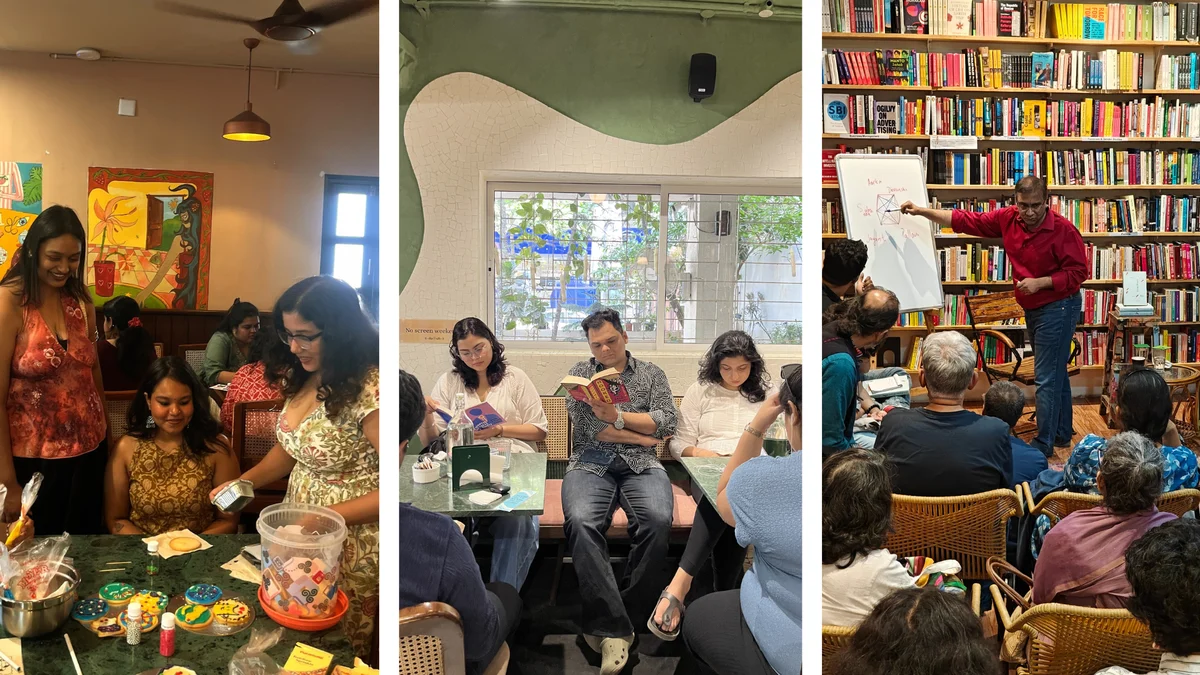
In an era increasingly dominated by digital transactions and fleeting online interactions, a quiet revolution is unfolding within the heart of India’s cities. Independent bookstores, once perceived as mere purveyors of literature, are transforming into dynamic cultural epicenters, fostering deep connections, offering solace, and becoming indispensable anchors for their communities. This shift represents a profound redefinition of what a bookstore can be, moving beyond the simple act of selling books to embrace roles as social connectors, therapeutic spaces, and vibrant platforms for dialogue and discovery.
The Personal Touch: Where Readers Find a Sense of Belonging
The narrative of Harshita Varma, a professional who spends much of her year on the road, perfectly encapsulates the emotional resonance that independent bookstores now offer. For Varma, Rajat Book Corner in Jaipur is not just a place to acquire reading material; it’s a sanctuary where she feels genuinely understood as a reader. Her experience, spanning two years of patronage, highlights the transformative power of personalized attention. The initial 45-minute conversation over tea with owner Mohit Batra, delving into literary tastes, was more than a sales interaction; it was an act of recognition. Subsequent visits, where Batra had curated titles specifically for her, cemented this feeling of being seen and valued.
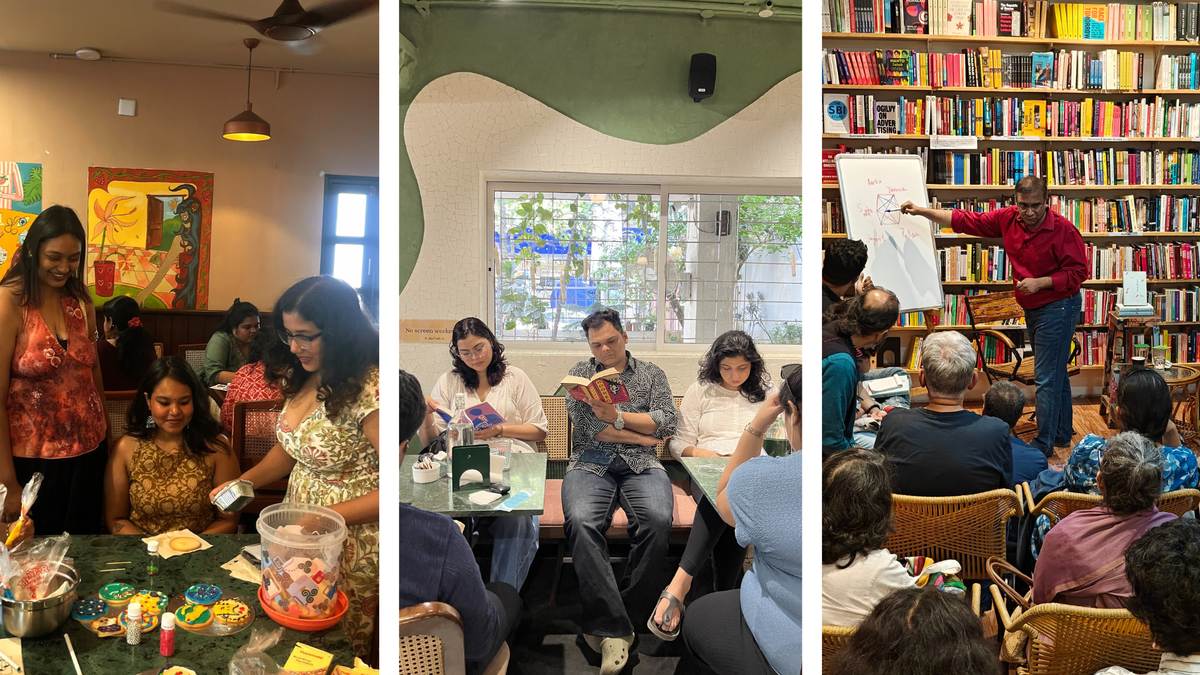
"It is the only place where I’ve felt seen as a reader," Varma states, underscoring a sentiment that resonates deeply with many who frequent such establishments. This personal connection is a stark contrast to the often impersonal nature of online retail.
Cultivating Community: Book Clubs as Sanctuaries of Shared Experience
Beyond individual connections, these bookstores are actively cultivating communities. Varma’s involvement in the "Two Pages" book club, founded by Mohit Batra at Rajat Book Corner, exemplifies this evolution. The group, drawing a diverse "bookish crowd," many from the corporate world, has become a vital social fabric for Jaipur’s introverted and thoughtful individuals.

"It brought together a community of readers in Jaipur. All quiet people, who think deeply, are introverts, and who won’t otherwise go out anywhere," Varma observes. The book club has, perhaps unexpectedly, evolved into a space for profound personal exploration and support. "Interestingly, it has become a centre for therapy, too," she adds, highlighting the club’s willingness to address difficult and taboo subjects. Conversations around postpartum struggles, grief, relationship and career troubles are openly discussed, fostering friendships and a sense of mutual reliance that extends beyond the bookstore’s walls. This transformation of a retail space into a therapeutic and supportive environment speaks volumes about the evolving needs of urban dwellers.
Independent Bookstore Day: A Testament to a Thriving Movement
The growing significance of independent bookstores is further illuminated by events like Independent Bookstore Day. Sonal Narain of The Bookshop Inc. in Delhi recounted an "unprecedented turnout" of over 300 visitors on April 25th, an impressive figure given Delhi’s notoriously harsh summer heat. This surge in attendance, even under challenging conditions, demonstrates a powerful desire for physical spaces dedicated to literature and community.
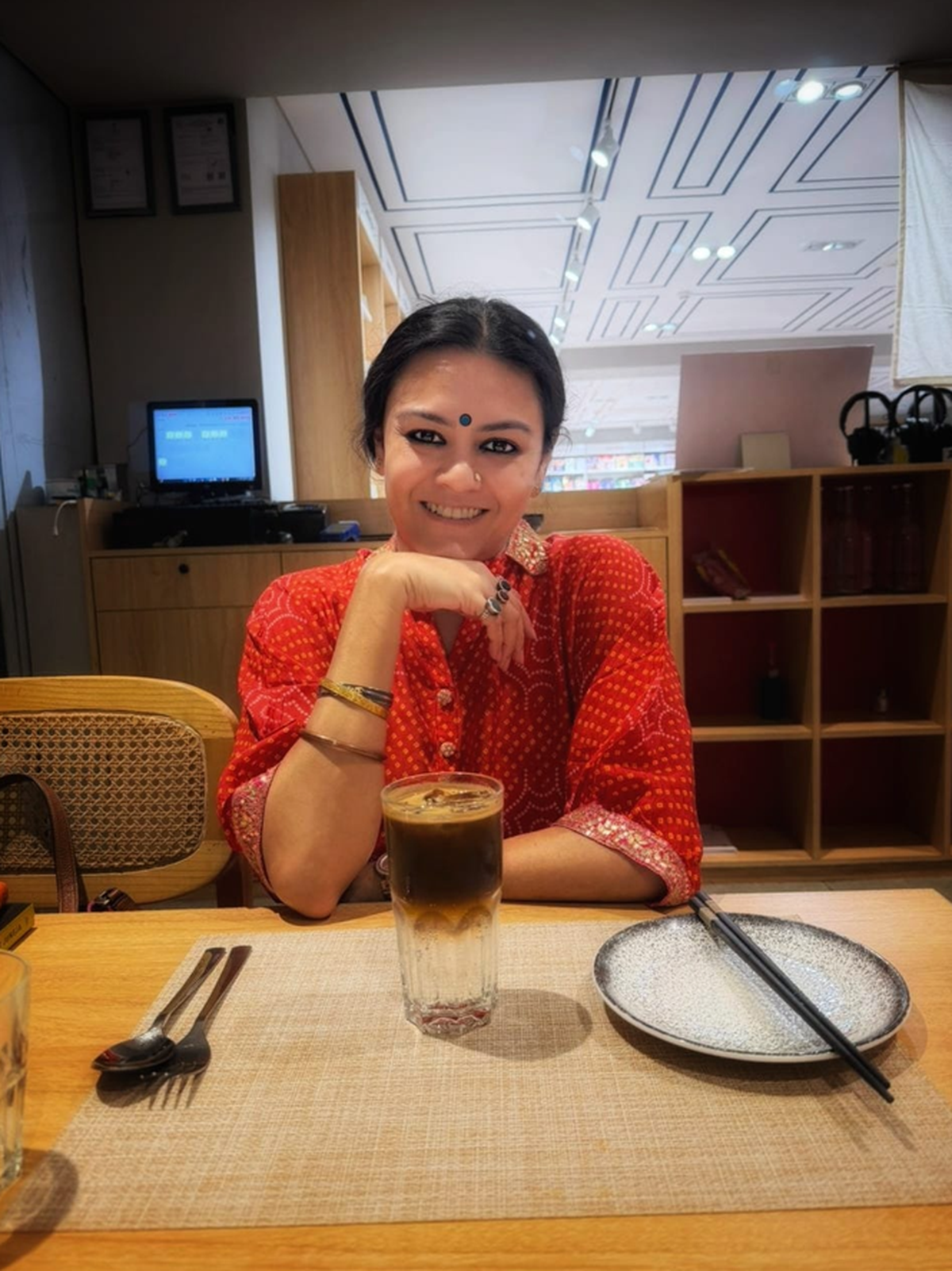
The day’s festivities, which included authors like Janice Pariat and Gautam Bhan donning the role of booksellers, and a unique initiative inviting visitors to contribute to a "GIANT community cookbook" hosted by Shruti Taneja of Nivaala, underscore the multifaceted nature of these events. These gatherings are not merely about book sales; they are about creating shared experiences, fostering a sense of belonging, and celebrating the collective joy of reading. People are drawn not only by the allure of books but also by the "chance to feel part of something loosely, but genuinely, communal."
A Place to Linger: Redefining the Bookstore Experience
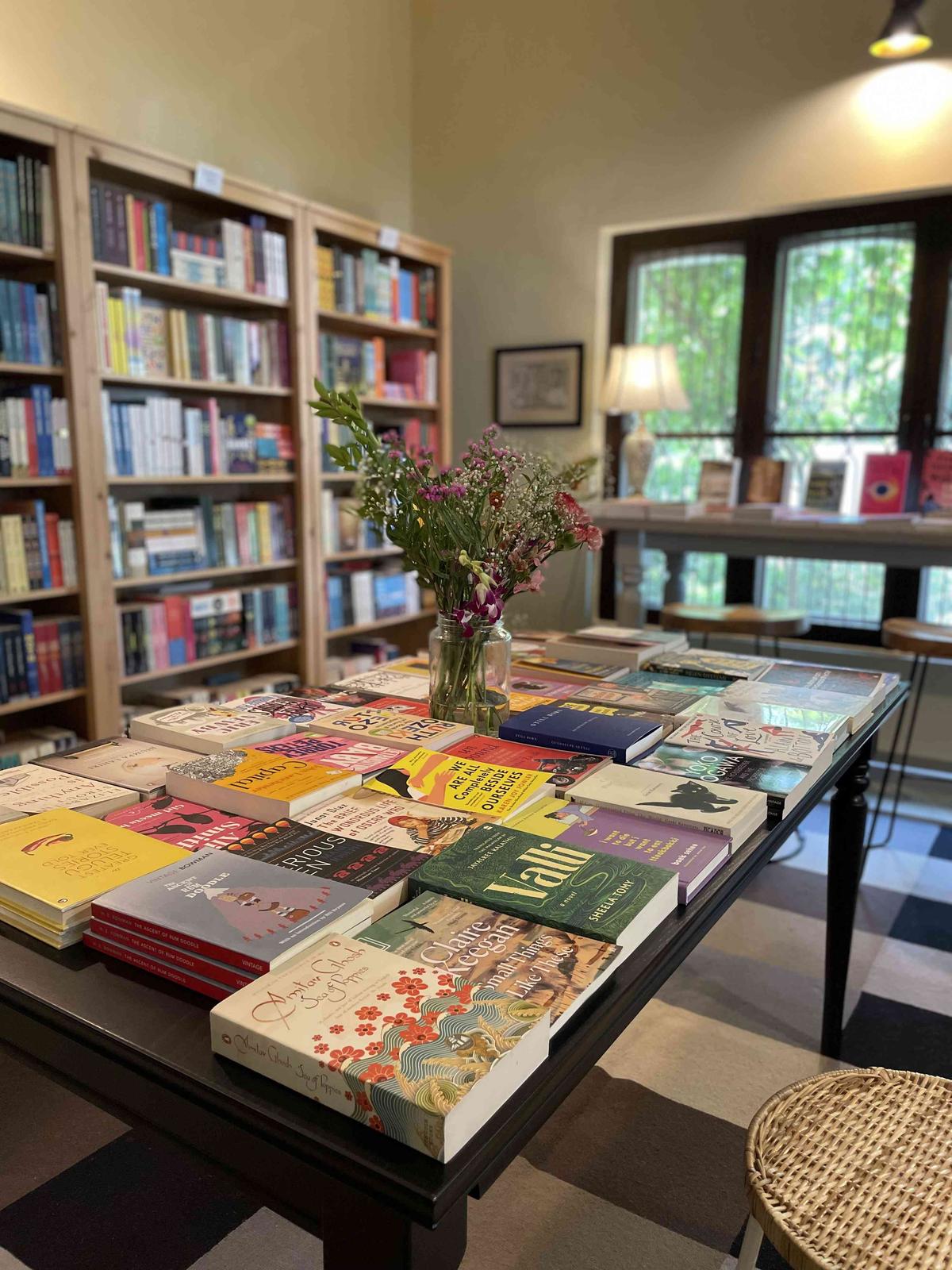
The traditional model of a bookstore as a transactional space is rapidly becoming obsolete. Shilpa Sudhakar, founder of Luna, a three-year-old bookstore in Hyderabad, articulates this shift succinctly: "People spend time here; it’s not a quick hunt. They come in, sit down, browse, sometimes for over an hour. There’s no pressure to buy, and I think that’s what keeps them here." This emphasis on creating an unhurried, inviting atmosphere is a deliberate departure from the fast-paced consumer culture that often characterizes other retail environments.

Prarthana Prasad, who opened Beku in Bengaluru just last August, echoes this sentiment. She describes her bookstore as "a welcoming space, to be around books, to spend time in." This vision encapsulates the emotional and experiential value that independent bookstores now provide, acknowledging that their significance extends far beyond the physical inventory they hold.
Manasa Gummi of Off the Shelf, another Hyderabad-based bookstore that opened in 2024, astutely observes, "Today, the problem isn’t that people aren’t reading, but that there is nowhere to go." This statement encapsulates the core challenge that these new-age bookstores are addressing: providing not just books, but also an atmosphere, a sense of permission to simply exist and engage without pressure.
Cultivating a Reading Culture: From Transactional to Transformative
The transformation from a purely retail-focused model to one that actively cultivates a reading culture is evident across the country. Martin Thokchom of Ukiyo Bookstore in Imphal, which opened in 2018, recounts a pre-Ukiyo landscape in Manipur where purchasing books was a sterile, functional process. "You wrote down the titles, handed over the list, and waited. There was no room to browse, discover, spend time, or engage."
Thokchom’s vision for Ukiyo was to build "a reading culture," not merely a retail space. Within a year of its inception, he launched the Ukiyo Literature Festival, followed by smaller, consistent events. The impact of these initiatives was particularly poignant after the 2023 conflict. The "Rebuilding through Words" series provided a sanctuary, a few hours where individuals could "come, sit, listen, without thinking about what was happening outside." This demonstrates how bookstores can serve as vital emotional anchors during times of crisis, offering solace and a sense of normalcy. Thokchom’s evolving role reflects a deeper understanding of literature’s power: "It is no longer just about getting people to read, but also about asking what reading does, and what comes after it. We need more forms of resistance. Storytelling, for me, is one of them."
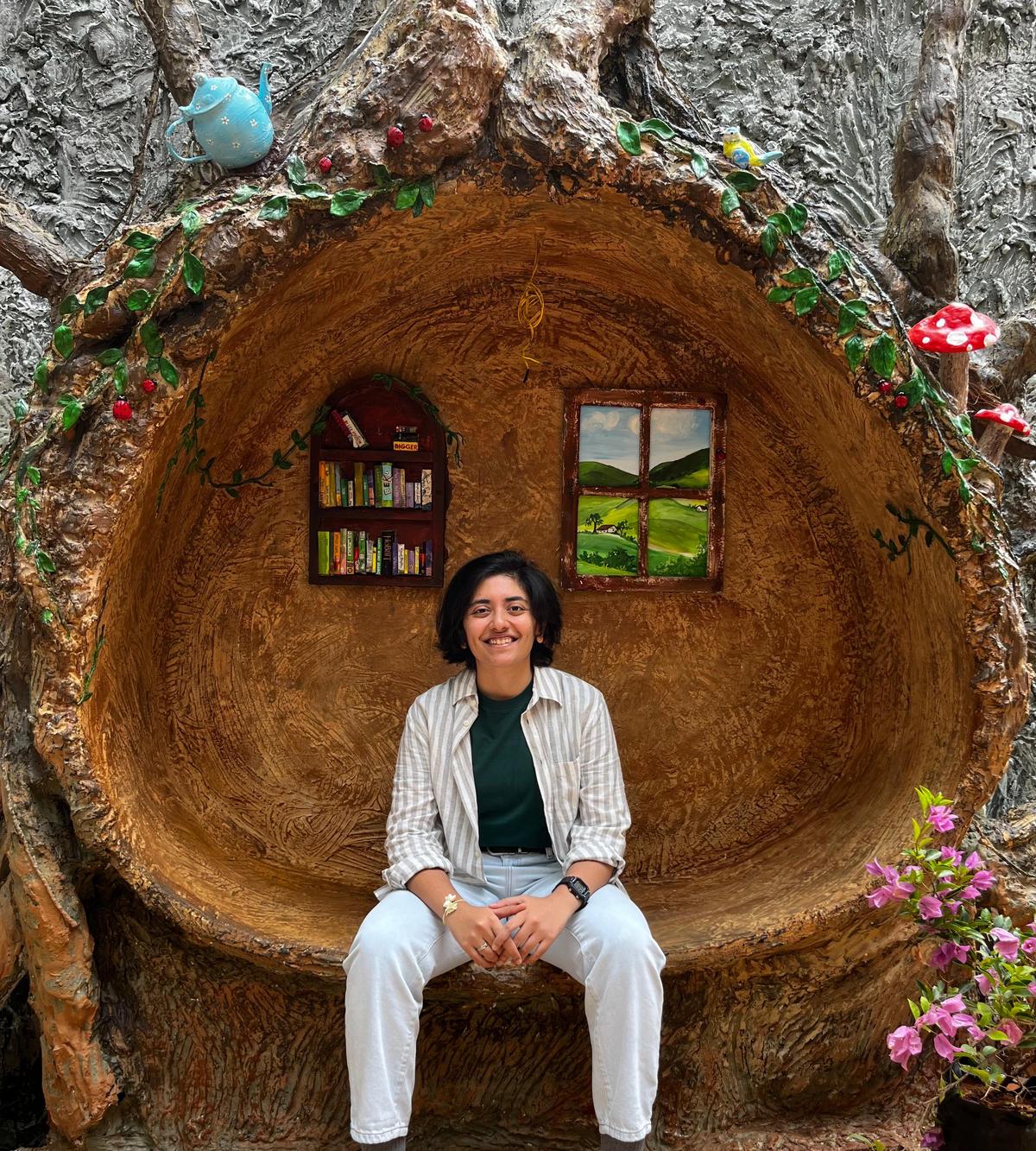
Similarly, Bilal Javeed of Mehrab Book Shop in Kochi, which champions titles from independent publishers, aims to "build a community around it." His monthly events, ranging from film screenings to readings, are designed to curate shelves that foster "communities, conversations and engagements." This deliberate approach to community building is a hallmark of the modern independent bookstore.
Inclusive Spaces: Creating Havens for Connection and Self-Expression
The commitment to inclusivity and creating safe spaces is a powerful driving force behind many of these bookstores. Prarthana Prasad of Beku, who identifies as part of the LGBTQIA+ community, emphasizes the personal motivation behind her venture. "As someone from the LGBTQIA+ community, finding a space that was friendly and comforting was not something I was familiar with growing up. So, creating that was important to me – a space where you could find a sense of community." For individuals who have historically felt marginalized, these bookstores offer a vital sense of belonging and acceptance.
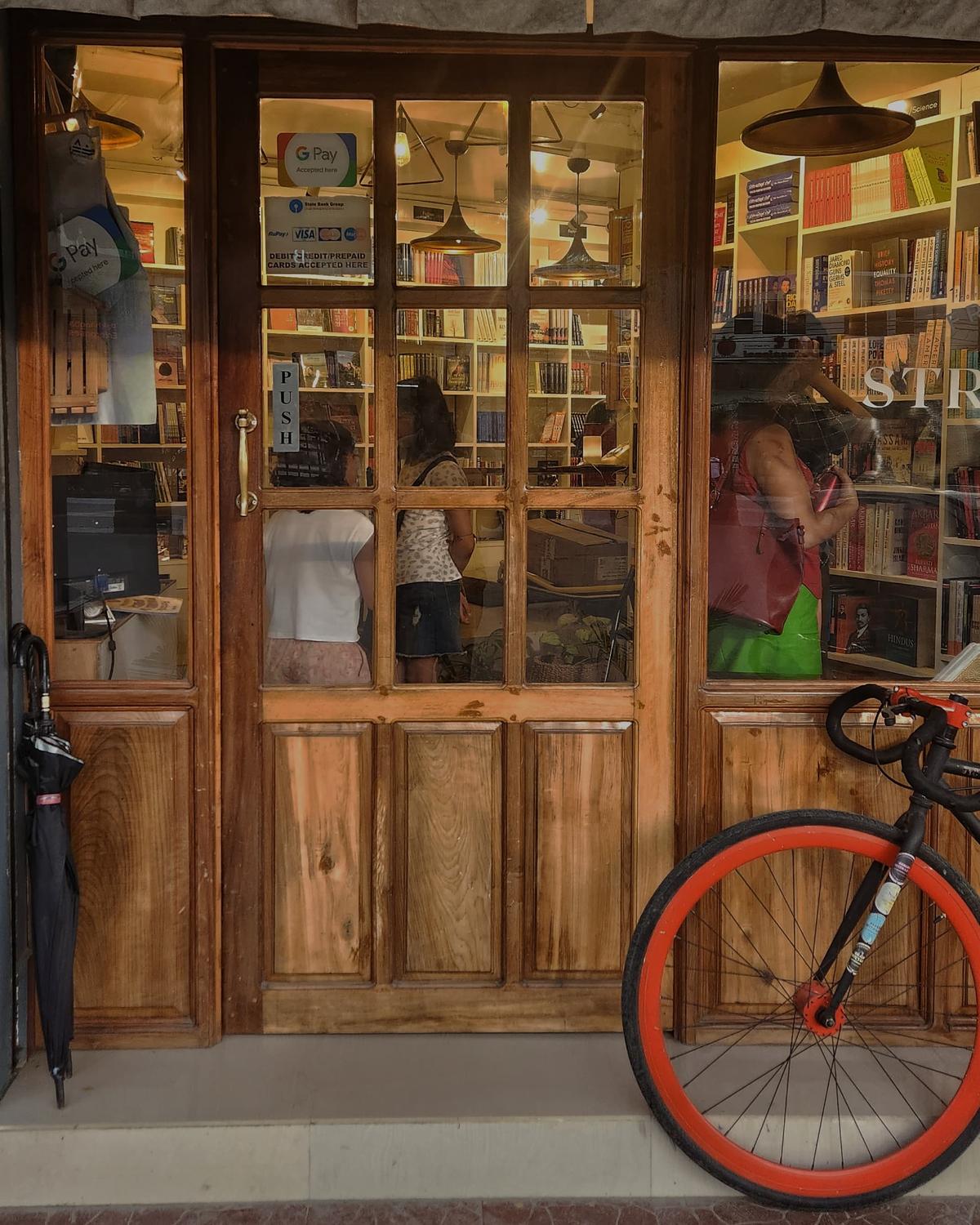
Prasad also acknowledges the personal aspect of creating such an environment: "Also, as a very socially awkward person, I created Beku as a space that you can walk into by yourself, not feel weird." This understanding of diverse social needs has led Beku to host a wide array of activities beyond book-centric events. Pottery workshops, screen printing, bookbinding, flea markets, and trivia nights all contribute to Beku’s reputation as a warm and welcoming hub. "Our events are not necessarily book-centric, and a lot of people have told me that they find a lot of warmth and genuine interest in our space. I’ll take their word for it," she shares.
The Resistive Act: Choosing Tangibility Over the Digital Void
In an increasingly digitized world, the appeal of independent bookstores extends to a conscious act of resistance against the homogenizing forces of online retail giants. Maryann Taylor in Gurugram values the "interaction that will never happen online," underscoring the irreplaceable human element of physical bookstores.
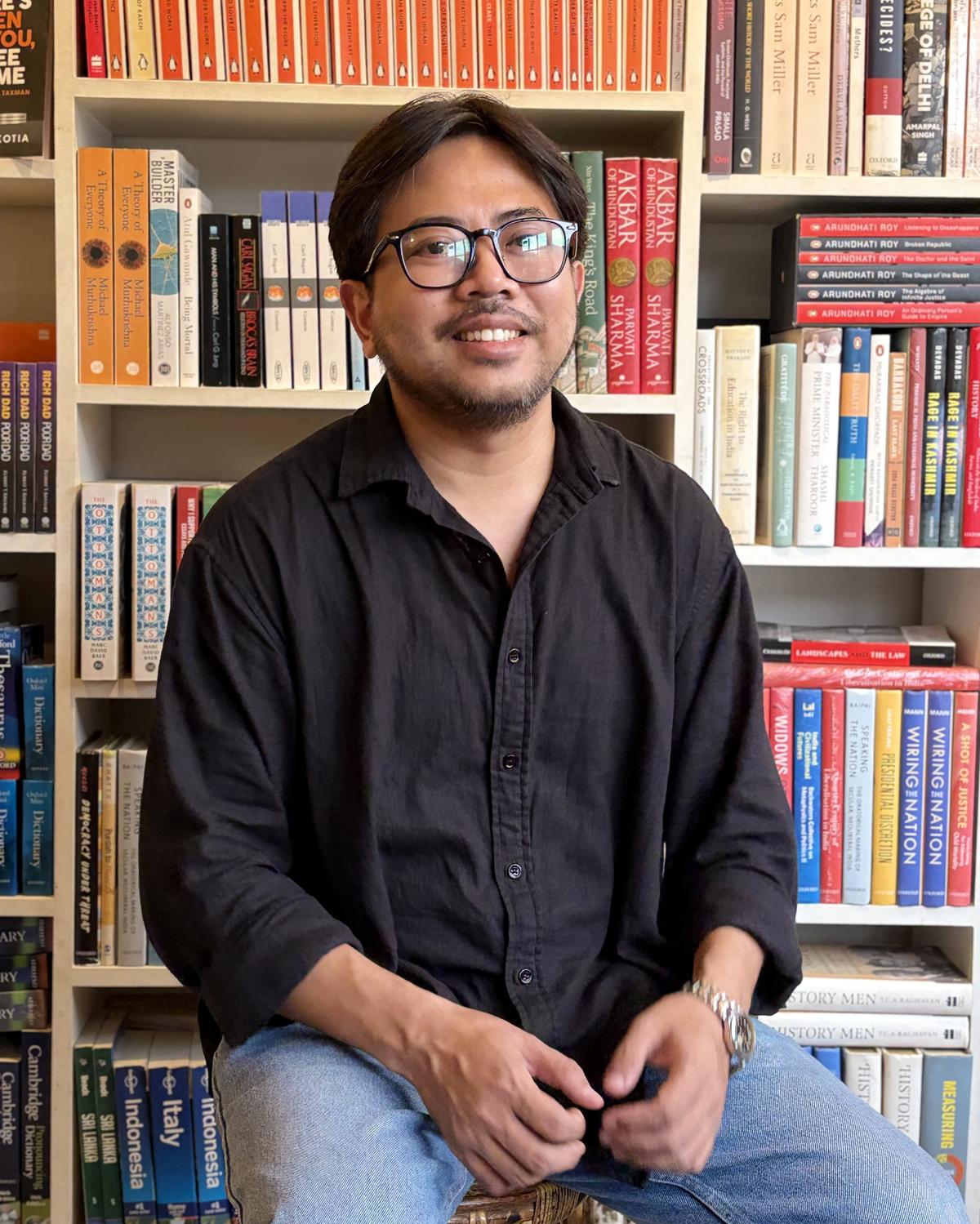
Jaidev Deshpande, a vocal critic of Amazon and the current digital landscape where "one company controls all e-books and audiobooks," actively frequents Delhi’s independent bookstores. For him, it’s a deliberate choice to support a more tactile and diverse literary ecosystem. However, Deshpande offers a pragmatic perspective: "You need some money to be able to do that – to choose the slower, more expensive, more tactile route." This recognition highlights the economic realities faced by these businesses.
The hybrid model of these bookstores, which blends retail with community-building initiatives, is therefore both "important and fragile." It is important because they fulfill a crucial societal need, extending their impact far beyond mere commerce by fostering communities, hosting events, and providing spaces for unhurried engagement. Yet, it remains fragile due to its reliance on private financing.
The Enduring Significance: Finding Space in an Increasingly Homogenized World
Despite the inherent vulnerabilities, the model of the independent bookstore persists and thrives. At a time when many urban landscapes offer fewer and fewer accessible public spaces for genuine human connection and contemplation, the question of where one can simply "be" – to linger, discover, converse, and reflect – becomes increasingly pertinent. The answer provided by these dedicated booksellers is clear: at least one of these vital spaces should undoubtedly be a bookstore. They are not just repositories of stories; they are architects of community, havens of introspection, and vibrant testaments to the enduring power of shared human experience in the digital age.
The writer is an editor and independent journalist based in Delhi.
