

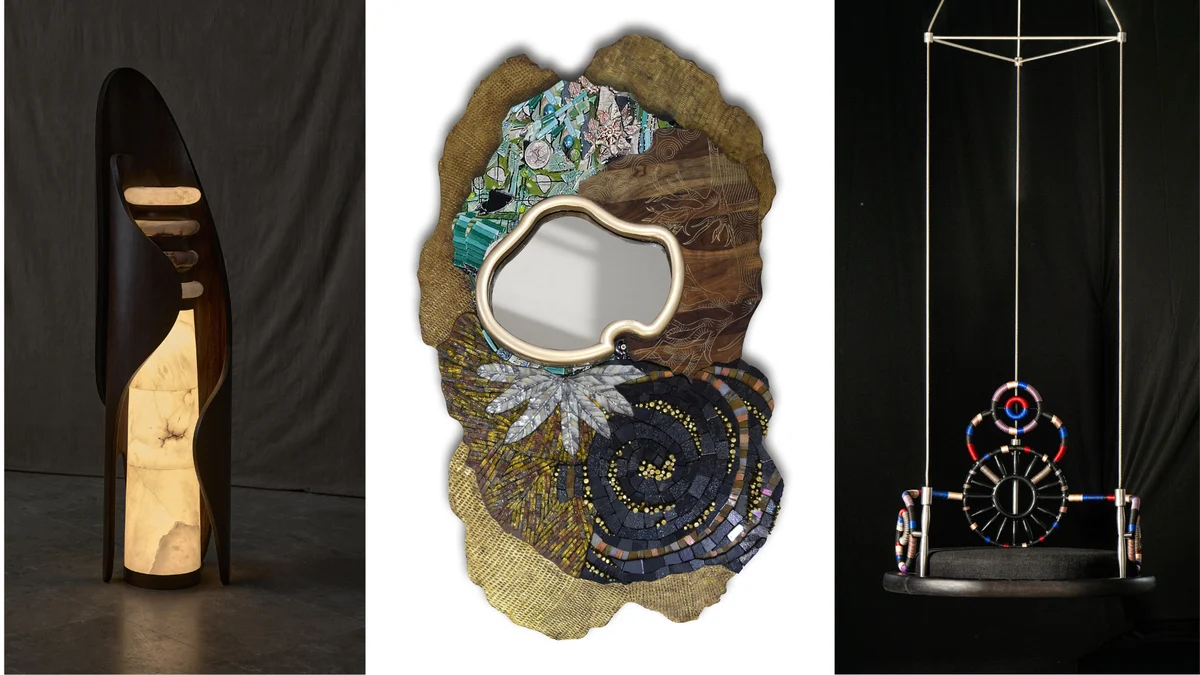
New York City – In a powerful assertion of South Asian design’s place on the world stage, House of Santal has unveiled its inaugural exhibition, Edition 1, a meticulously curated showcase of thirteen Indian designers and studios. Nestled in an expansive 8,000-square-foot temporary gallery directly across from the iconic Rockefeller Center, this ambitious presentation is more than just a display of exquisite craftsmanship; it is a deliberate argument for the recognition and valuation of South Asian artistry within the global collectible design market, placing authorship and process at its very core.
Founded by Bengaluru-born, New York-based designer and curator Raksha Sanikam, House of Santal aims to serve as a dynamic "living catalogue." It champions a holistic approach that encompasses the intricate processes of creation, the nuances of collaboration, the assertion of individual authorship, and the circulation of design within a global context. By launching in one of the world’s most exclusive and competitive design capitals, Sanikam is making a clear statement: "To rub shoulders with the best, you have to present yourself as the best." The eight-month lease on the prime Manhattan space underscores both the urgency and the strategic nature of this endeavor, signaling a bold test of the market’s receptiveness to a new narrative.
The Genesis of House of Santal: A Curator’s Vision
Raksha Sanikam’s journey to establishing House of Santal is rooted in a keen observation of the evolving design landscape and a deep-seated desire to rectify historical misperceptions of South Asian craft. Her formative years were shaped by a childhood spent on construction sites, thanks to her father’s development company in Bengaluru, and later by her studies in interior design at the prestigious Pratt Institute in New York. Prior to her foray into design, Sanikam honed her analytical skills in venture capital in France, a background that undoubtedly informs her strategic approach to positioning South Asian design.
Growing up, Sanikam witnessed a palpable shift in Indian design consciousness. Designers were increasingly looking inward, fostering a homegrown confidence rather than solely deferring to external influences from Italy or China. This burgeoning self-assurance, coupled with the global market’s often superficial understanding of "handmade" from the subcontinent, sparked a critical question in her mind: "Why doesn’t the world know about this?" This fundamental inquiry became the driving force behind House of Santal, with New York serving as both the answer and the wager. The city, with its dense concentration of collectors, architects, museums, and influential fairs, offers unparalleled access to the networks and platforms that shape global taste and define value.

Edition 1: A Dialogue Between Legacy and the Contemporary
Edition 1 itself is a testament to Sanikam’s curatorial vision. The exhibition design thoughtfully draws inspiration from the traditional South Asian domestic architectural typology of the nadumuttam – a central courtyard found in homes across regions like Chettinad and Kerala, as well as in havelis. This spatial arrangement, which historically organized experience through gradations of public and private, light and shadow, is artfully translated into an exhibition layout. Visitors are guided through distinct vignettes, encountering materials and techniques with deliberate pauses and contextual framing, mirroring the layered experience of traditional South Asian homes.
Central to House of Santal’s curatorial philosophy is an unwavering emphasis on process and provenance. In a design world where South Asian craft has too often been relegated to the realm of anonymous labor or viewed as mere decorative embellishment, Sanikam’s deliberate focus is a powerful counter-narrative. It is paramount, she stresses, to create a space where Indian designers and makers are not perceived as exponents of regional craft, but as integral participants in the global contemporary design dialogue.
The very name, "Santal," is a nod to this rich material history. It derives from santalum, or sandalwood, a precious and slow-growing wood deeply associated with ritual, value, and enduring significance across South Asia. This choice of nomenclature subtly imbues the brand with a sense of gravitas and timelessness, resonating with the enduring quality of the pieces on display.
Challenging Perceptions: Authorship, Value, and the ‘Handmade’
The exhibition deliberately eschews the notion of "Indianness" being solely defined by overt ornamentation. Instead, the featured works underscore a sophisticated engagement with materiality and clarity. Contemporary design, as interpreted by House of Santal, is not a minimalist void or an unrestrained maximalist explosion; it is a grounded exploration of form, function, and the inherent qualities of the materials employed.
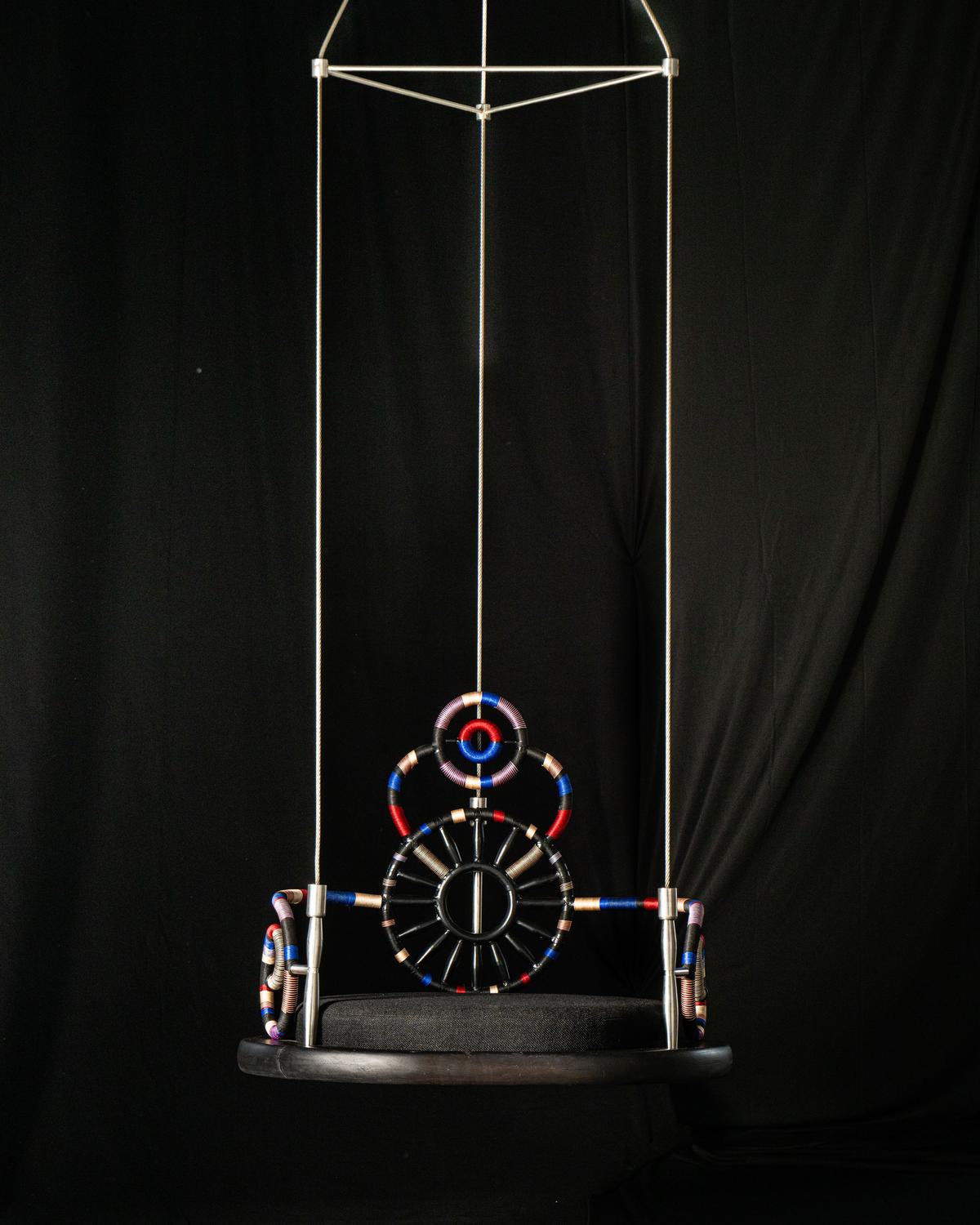
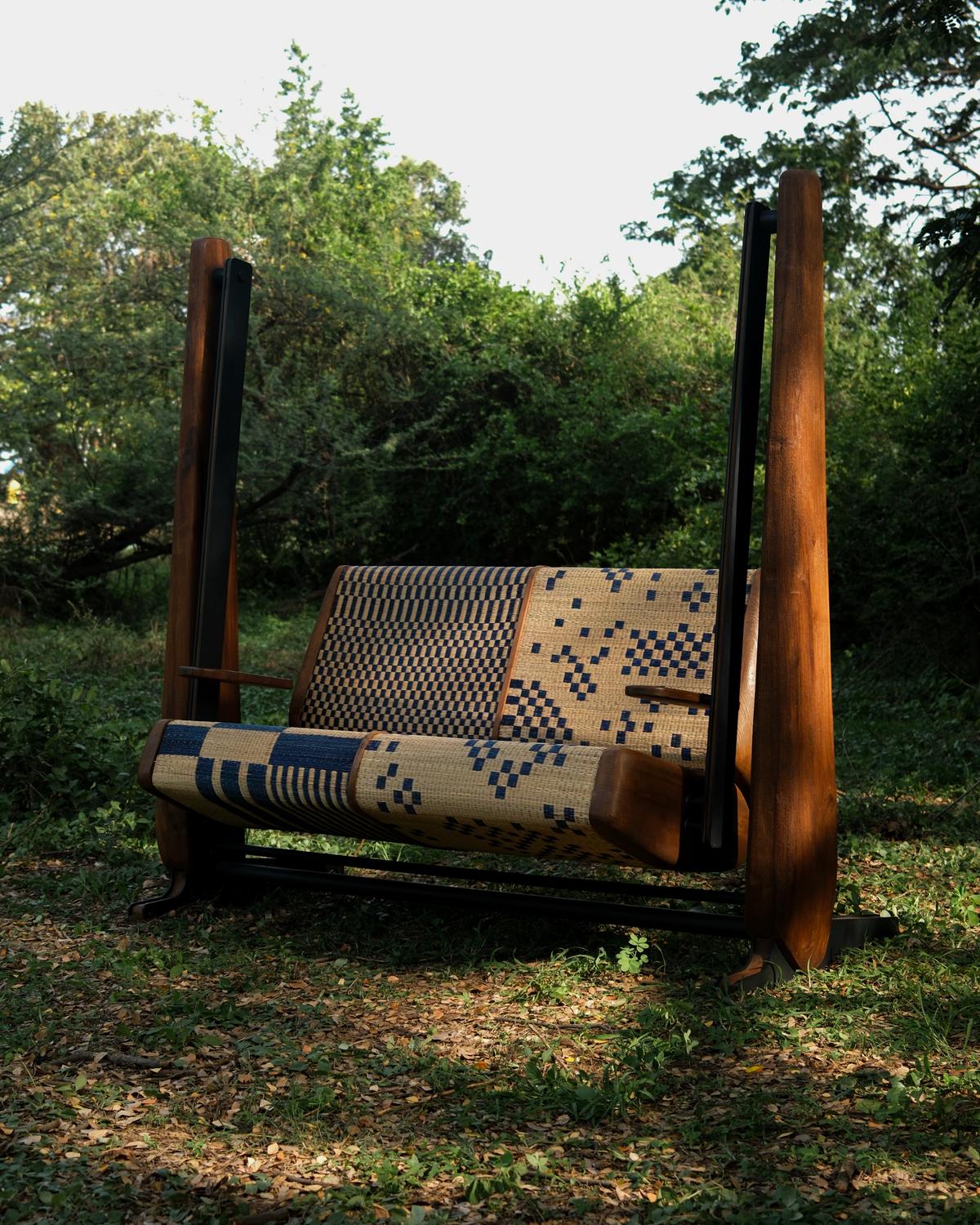
This calibrated approach is vividly exemplified by Design ni Dukaan, founded by Veeram Shah. Operating as a collaborative ecosystem in Gujarat, the studio fosters a close dialogue between artisans and designers. Their Beevi Pai Swing, for instance, is a striking reinterpretation of the humble charpai (woven cot). Inspired by Le Corbusier’s sculptural curves and meticulously wrapped in hand-woven Pattamadai mats, it transforms a traditional functional object into a statement piece of sculptural elegance, demonstrating how legacy techniques can be infused with contemporary design intelligence. The charpai itself, a familiar fixture in Indian courtyards and verandahs, emerges as a potent symbol, representing how deeply ingrained cultural forms can find new resonance and prestige in the global elite market.
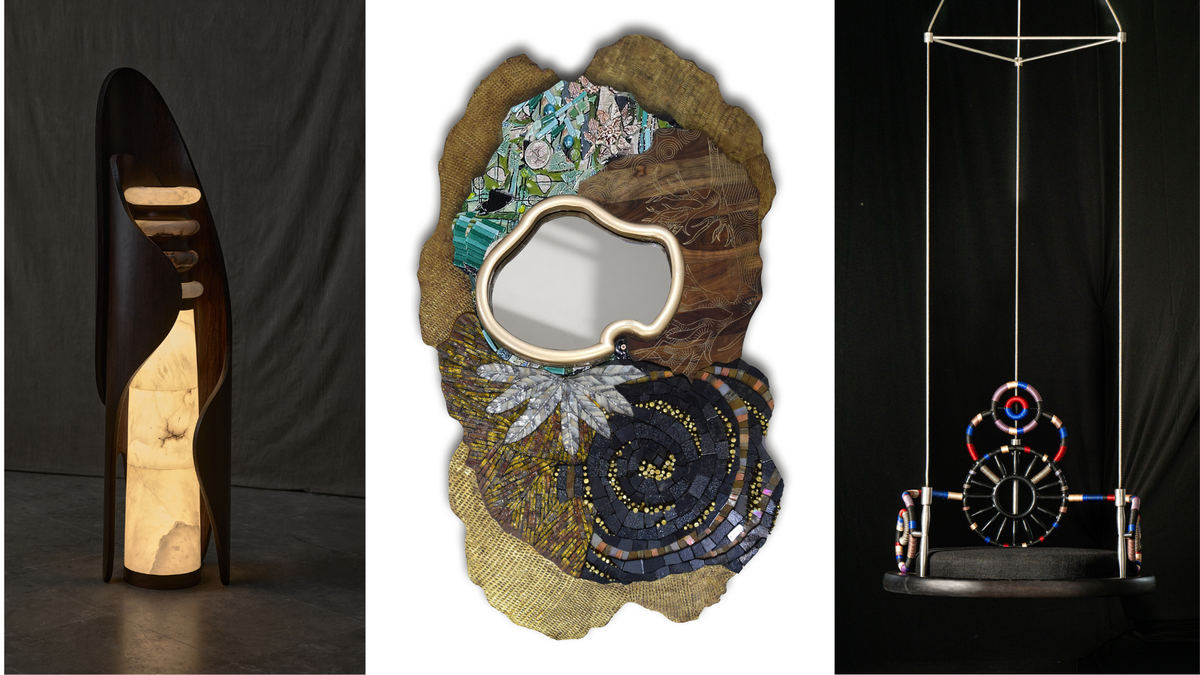
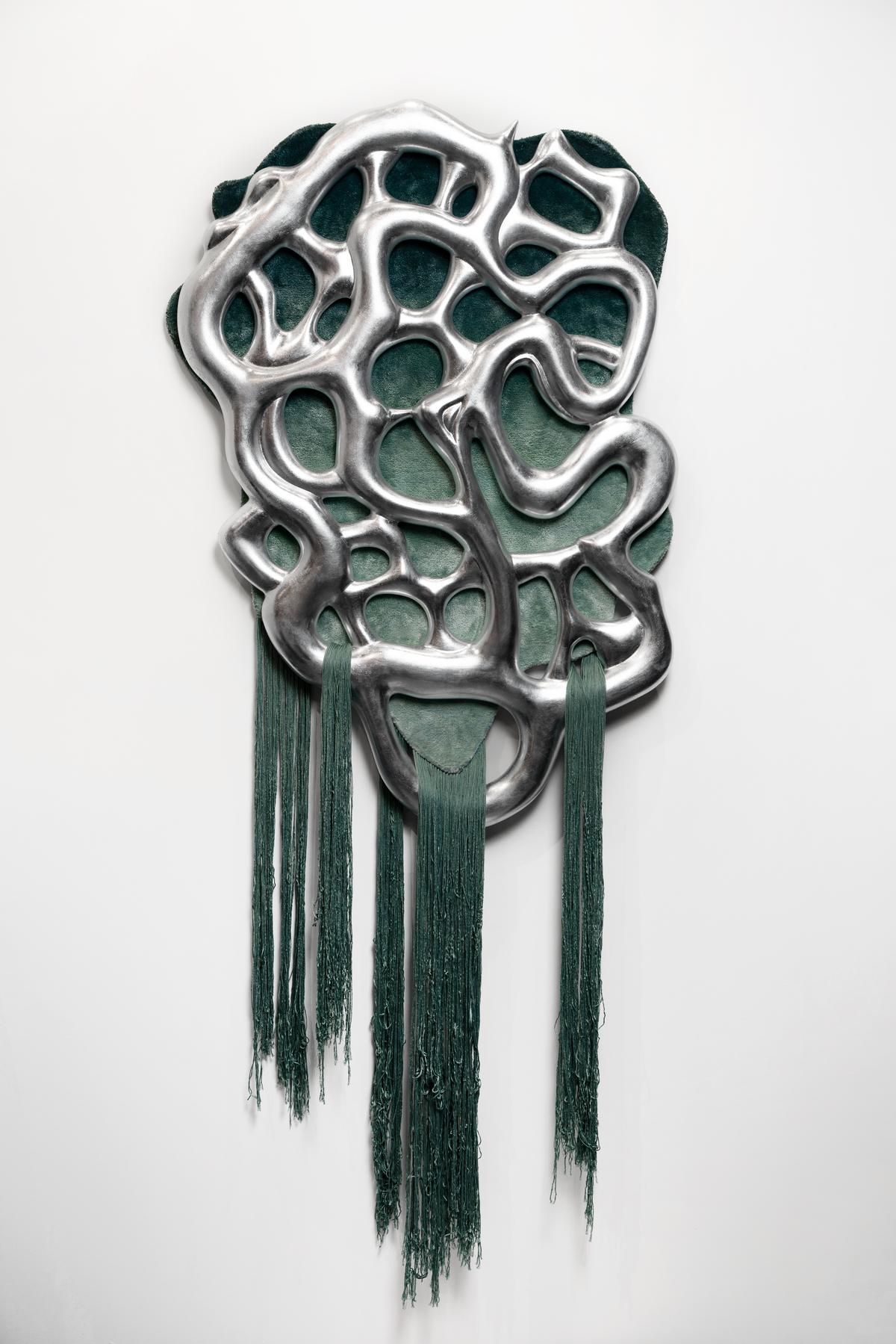
Karan Desai, a Mumbai-based architect, contributes furniture and objects that push the boundaries of traditional techniques through rigorous architectural experimentation, resulting in bold contemporary expressions. Arisaa, led by Ahmedabad-based artist and designer Aashka Desai, showcases handcrafted mirrors that masterfully blend graphic sensibility with collaborations rooted in rural craft traditions. Pallavi Goenka of Mumbai-based studio AMH creates works, including wall installations, that incorporate intricate mosaics and hand-textured finishes, aiming to produce future heirlooms that speak to enduring value.
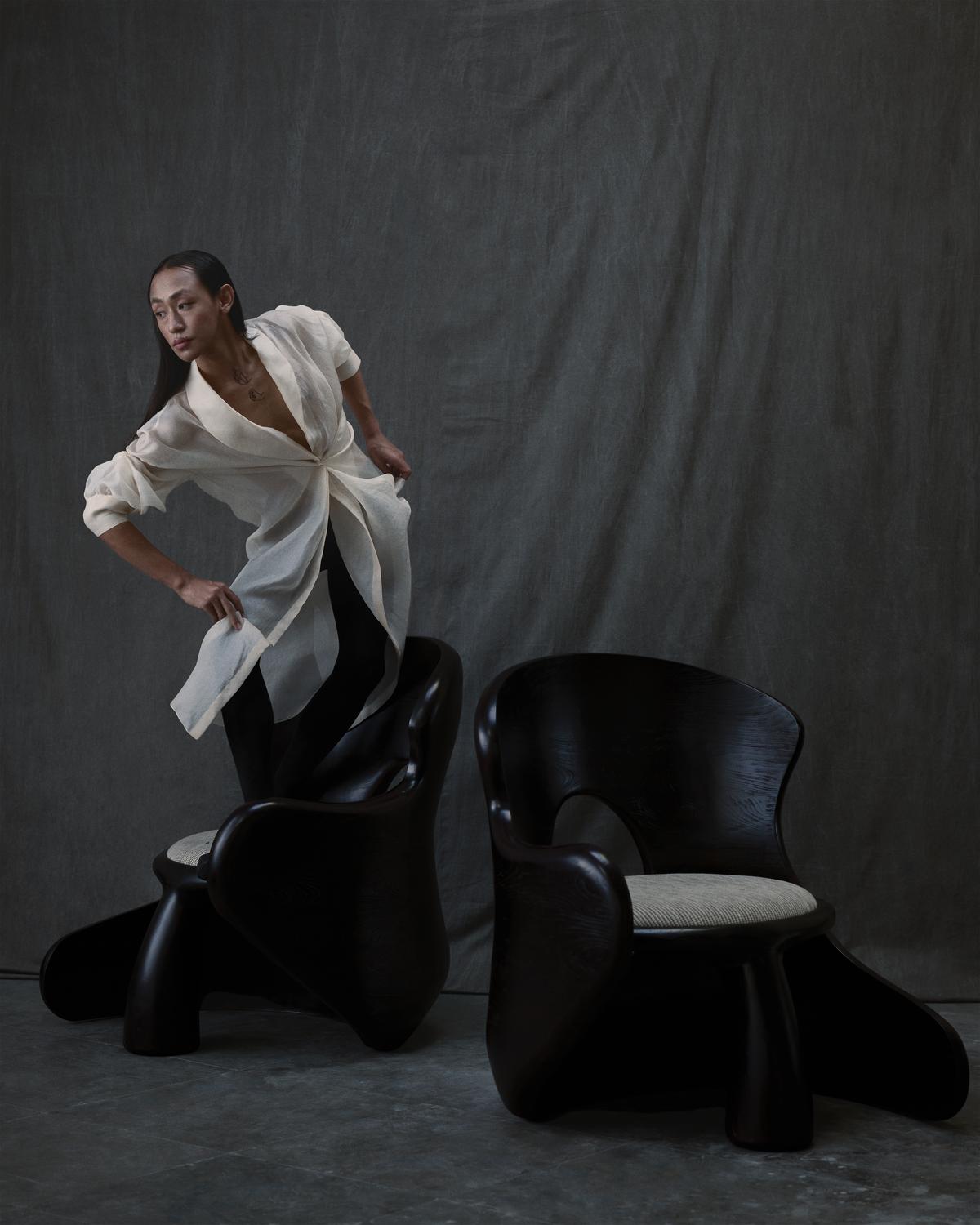
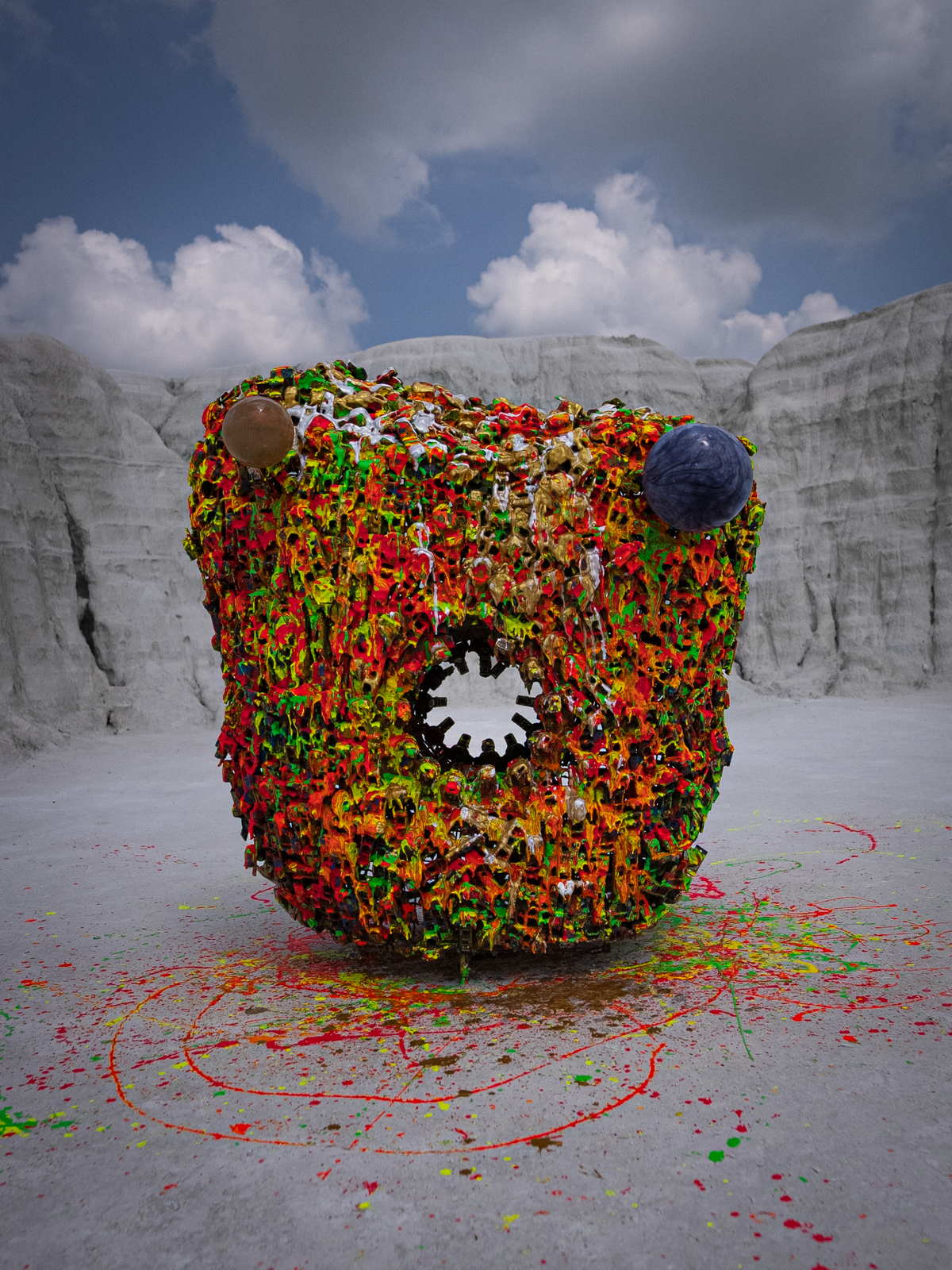
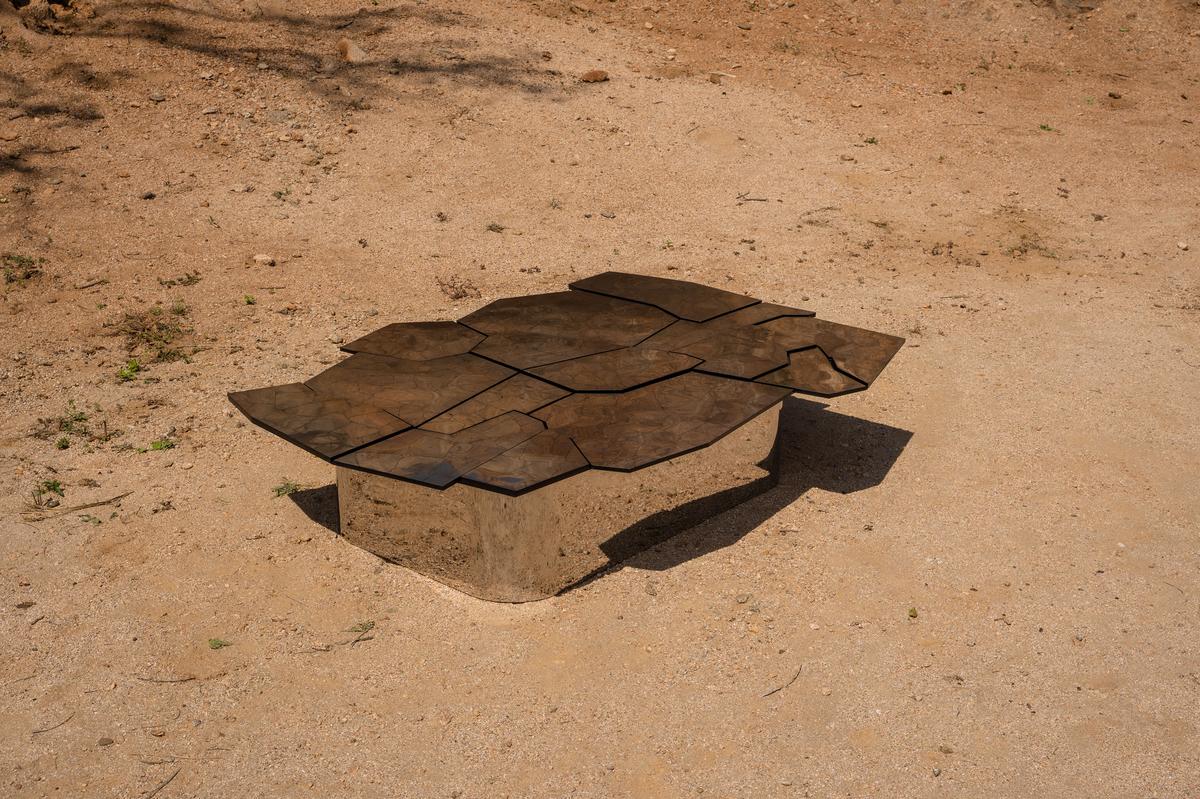
The roster of talent extends to include the whimsical yet technically sophisticated furniture of Hyderabad-based Sage Living, the material-driven explorations of sustainable design studio Rhizome (whose Ghee Coffee Table is a prime example of innovative material use), the collaborative pieces from Chacko, and the timeless designs offered by Studio Nyn. Each contributor adds a vital thread to the broader tapestry of contemporary South Asian design, painting a comprehensive picture of its dynamism and diversity.
Sanikam’s perspective on luxury in the contemporary era is refreshingly insightful: "Luxury today is attention to detail and equitable pay." This philosophy directly counters the trend of mass-produced, AI-generated imagery and frictionless production. In an era saturated with the homogenous, the "slight irregularity of the handmade" carries a renewed and profound cachet, a tangible connection to human skill and dedication.
A Strategic Launchpad: Why New York Matters
The choice of New York City for House of Santal’s debut is a strategic masterstroke, deeply informed by Sanikam’s understanding of the global design ecosystem. The city is a nexus for collectors who shape international taste, architects who commission significant works, museums that preserve and contextualize design history, and fairs that set market trends. By establishing a presence here, House of Santal is not merely exhibiting design; it is actively participating in the conversations and transactions that define collectible design at its highest level.
The temporary nature of the gallery space, while offering a crucial eight-month window for visibility, also signifies a calculated risk. It suggests a commitment to a specific, impactful launch phase, allowing for evaluation and adaptation before potentially committing to a more permanent presence. This "test" is not about whether South Asian design is good enough, but rather about how effectively its narrative can be recalibrated and received within a market that has historically overlooked its contributions.
The Future Trajectory: Expanding the Narrative
House of Santal’s ambition extends beyond showcasing Indian design. Sanikam is already in conversation with designers from Pakistan, Sri Lanka, and Nepal, with the aim of broadening the exhibition’s scope to encompass the rich and diverse design landscape of South Asia as a whole. This expansion is crucial for building a more inclusive and representative understanding of the region’s creative output.
The gallery’s current presentation, unfolding around its nadumuttam-inspired layout, is a deliberate staging that reframes authorship and value in real-time. By positioning these meticulously crafted objects, born from deep-rooted traditions and innovative contemporary practices, directly opposite an icon of global commerce and culture like Rockefeller Center, House of Santal is making an undeniable statement: South Asian design is not a peripheral curiosity, but a vital and constitutive force within the global contemporary design discourse.
As Edition 1 continues to captivate visitors, it heralds a new chapter for South Asian design, one where its makers are recognized, its processes are valued, and its unique cultural heritage is celebrated as a source of global innovation and enduring beauty. The argument House of Santal is staging is clear, compelling, and poised to resonate far beyond the confines of its temporary Manhattan gallery.
