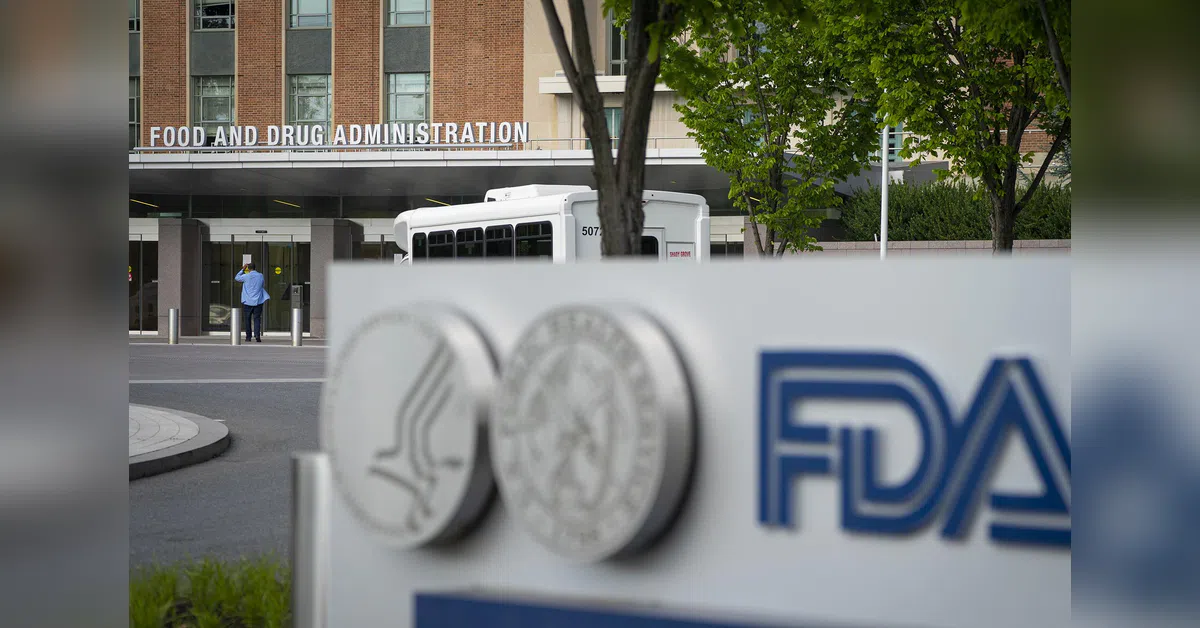
NEW DELHI, INDIA – In a significant blow to one of India’s most venerable consumer goods giants, the U.S. Food and Drug Administration (FDA) has flagged severe data integrity violations, manufacturing deficiencies, and unsanitary conditions at a Dabur India facility. An inspection report, made public earlier this week, details a litany of lapses at the company’s plant in Dadra and Nagar Haveli, casting a shadow over the quality controls of products destined for the crucial American market.
The findings come amidst heightened global scrutiny of manufacturing standards in the Indian pharmaceutical and consumer health sector, underscoring the critical importance of regulatory compliance for companies operating on an international scale. Dabur, a household name in India and a significant player in the Ayurvedic product segment worldwide, now faces the daunting task of addressing these serious concerns to restore trust and maintain its export privileges.
Dabur India: A Legacy Under Scrutiny
Dabur India Limited stands as a titan in the Indian consumer goods landscape, boasting a legacy spanning over 140 years. Founded in 1884, the company has grown from its humble origins in Ayurvedic medicine to become one of the country’s largest and most diversified Fast-Moving Consumer Goods (FMCG) entities. Dabur proudly describes itself as one of the world’s largest suppliers of Ayurvedic products, a traditional system of medicine with historical roots in the Indian subcontinent.
The company’s extensive portfolio includes a wide array of over-the-counter (OTC) and consumer health products, many of which are exported globally, including to the United States. In the U.S. market, Dabur offers products ranging from cough and cold rubs, antifungal creams, and pain relief gels to various oral care products. These items, often perceived by consumers as essential health aids, rely heavily on robust quality assurance and manufacturing integrity to ensure their safety and efficacy. The U.S. market represents a critical overseas revenue stream for Dabur, making adherence to FDA standards non-negotiable for sustained international operations. The very nature of these health-related products means that any compromise in their manufacturing process or quality control poses a direct risk to public health.
The FDA Inspection and Damning Findings: A Chronology of Concerns
The revelations stem from an inspection conducted by the U.S. FDA at Dabur’s manufacturing facility in the western Indian region of Dadra and Nagar Haveli in January of this year. Following the inspection, the FDA issued a Form 483, a document used to notify a company’s management of objectionable conditions observed during an inspection. The subsequent report, now in the public domain, details a range of critical observations that point to systemic failures in quality management and good manufacturing practices (GMP).
Allegations of Data Integrity Violations and Falsified Records
Perhaps the most alarming finding in the FDA’s report concerns data integrity. The inspectors alleged that critical manufacturing records were "falsified to conceal that equipment meant to make certain products had been used for multiple other products." This observation strikes at the heart of trust between a manufacturer and regulatory bodies. Data integrity is a cornerstone of pharmaceutical and consumer health product manufacturing, ensuring that all records are accurate, complete, and reliable. Falsification of records suggests an intentional effort to mislead regulators and potentially conceal cross-contamination risks or other deviations from approved manufacturing processes. Such practices undermine the entire quality assurance system and raise serious questions about the integrity of every batch produced at the facility. The potential for allergens, active pharmaceutical ingredients (APIs), or excipients from one product to contaminate another, unrecorded, poses significant health risks to consumers, especially those with sensitivities or allergies.
Pervasive Microbiological Contamination Risks
The report also highlighted significant risks of microbiological contamination within the facility. Inspectors found that "some units in the facility posed risks of microbiological contamination." This observation was further corroborated by the FDA inspector questioning the reliability of the plant’s internal testing. The report explicitly stated that "although microbiology test results were reported as within limits, significant contamination was observed in multiple samples during the inspection." This contradiction is deeply troubling, suggesting either flawed testing methodologies, inadequate environmental controls, or a deliberate attempt to mask issues. Microbiological contamination in consumer health products, particularly those applied to skin or ingested, can lead to infections, adverse reactions, and reduced product efficacy. For a company that prides itself on natural and Ayurvedic products, often associated with purity, these findings are particularly damaging.
Egregious Sanitary Violations and Environmental Control Lapses
The inspection report painted a grim picture of the plant’s overall sanitation and environmental controls. Among the most startling observations were:
- Pest Infestation: "A live bird and bird droppings were found in the raw material warehouse, about 30 feet from packaging materials." The presence of live animals and their waste in a raw material storage area is a severe violation of GMP, posing an immediate and direct risk of contamination to ingredients that go into consumer products. Birds can carry numerous pathogens, and their droppings introduce biological hazards that are extremely difficult to mitigate once introduced into the manufacturing stream.
- Unidentified Contaminants: "An apparent unidentified black substance was also seen covering more than 25% of ceiling surfaces in both the raw material warehouse and the finished drug product storage warehouse." This widespread "black substance" could indicate mold, mildew, or accumulated grime, all of which are indicators of poor environmental control, inadequate cleaning protocols, and potential sources of airborne contamination that could settle into open materials or finished products. Covering such a significant surface area across critical storage zones points to a systemic failure in maintaining a clean and controlled environment essential for product quality and safety.
Systemic Quality Management and Oversight Failures
Beyond the immediate contamination and data integrity issues, the FDA report pointed to fundamental weaknesses in Dabur’s quality management system. It noted that "management had not reviewed drug production and quality records to determine compliance with regulatory requirements before batches were released to the market." This suggests a critical breakdown in management oversight, where products may have been released without proper verification of their adherence to quality standards and regulatory mandates. Such a lapse can lead to non-compliant or potentially unsafe products reaching consumers.
Furthermore, the report cited "deficiencies in equipment cleaning and maintenance procedures." Inadequate cleaning and maintenance of manufacturing equipment are direct pathways for cross-contamination between different products and can foster microbiological growth, directly contributing to the contamination risks observed. This indicates a failure not just in execution but in the fundamental design and enforcement of standard operating procedures (SOPs) for maintaining a sanitary production environment.
The Broader Context: Heightened Scrutiny on Indian Drugmakers
These findings against Dabur India are not isolated incidents but rather fit into a broader pattern of heightened regulatory scrutiny by international agencies, particularly the U.S. FDA, on Indian pharmaceutical and consumer health product manufacturers. India is often referred to as the "pharmacy of the world," being a major global supplier of generic drugs, vaccines, and active pharmaceutical ingredients. The sheer volume of exports, especially to the United States – which represents the largest overseas market for Indian drugmakers – naturally attracts rigorous oversight.
In recent years, several Indian drug manufacturers have faced similar, or even more severe, actions from the FDA, including warning letters, import alerts, and even outright bans on certain products or facilities. Issues have ranged from data integrity problems and manufacturing deficiencies to serious quality control lapses that have led to product recalls and public health concerns globally. The FDA’s consistent focus on GMP and data integrity reflects a global effort to ensure that medicines and health products, regardless of their origin, meet stringent quality and safety standards. This increased scrutiny serves as a constant reminder to Indian manufacturers that maintaining global trust requires unwavering commitment to quality at every step of the production process. The implications of non-compliance extend beyond individual companies, potentially affecting the reputation of the entire Indian manufacturing sector.
Dabur’s Path Forward: Response and Regulatory Ramifications
As of the time of this report, Dabur India had not immediately responded to requests for comment regarding the FDA’s findings. This is a typical initial reaction, as companies often take time to thoroughly review the observations and formulate a comprehensive response.
Following the issuance of a Form 483, companies are usually required to submit a detailed written response to the FDA within 15 working days. This response must outline the specific corrective actions taken or planned to address each observation noted in the report. These corrective and preventive actions (CAPA) should not only rectify the immediate issues but also address the root causes to prevent recurrence.
Should the FDA find Dabur’s response and proposed corrective actions unsatisfactory, the consequences could escalate significantly. Potential next steps by the FDA include:
- Warning Letter: This is a formal communication from the FDA indicating that the company has violated federal regulations and that failure to correct the violations promptly may result in further enforcement action. A Warning Letter is publicly available and can severely impact a company’s reputation and stock performance.
- Import Alert: The FDA could place the Dadra and Nagar Haveli facility, or specific products manufactured there, on an import alert, effectively banning the entry of those products into the U.S. market. This would have significant financial implications for Dabur.
- Further Inspections: The FDA may conduct follow-up inspections to verify that the promised corrective actions have been effectively implemented and sustained.
- Legal Action: In severe and uncorrected cases, the FDA has the authority to pursue legal action, including injunctions or seizures of products.
For Dabur, the immediate priority will be to conduct a thorough internal investigation, implement robust corrective actions, and demonstrate to the FDA a clear commitment to resolving all identified deficiencies. This process often involves significant investment in upgrading facilities, retraining personnel, overhauling quality management systems, and enhancing data integrity protocols.
Broader Implications: Trust, Trade, and Public Health
The FDA’s findings against Dabur carry significant implications, both for the company itself and for the broader consumer health industry:
For Dabur India:
The reputational damage from such an FDA report can be substantial. For a brand that has built its image on trust, heritage, and the perceived purity of Ayurvedic principles, allegations of falsified records, unsanitary conditions, and contamination risks can severely erode consumer confidence, particularly in international markets. This could translate into reduced sales, a negative impact on its stock valuation, and increased scrutiny from other international regulatory bodies. The cost of remediation – including facility upgrades, system overhauls, and potential product withdrawals or recalls – will also be significant. Furthermore, the company’s ability to market its "Ayurvedic" products in the U.S. may come under closer examination, given the traditional emphasis on natural purity and quality within that system of medicine.
For the Indian Consumer Health and Pharmaceutical Industry:
This incident serves as a stark reminder to all Indian manufacturers exporting to regulated markets about the absolute necessity of adhering to international quality standards. It reinforces the ongoing narrative of heightened regulatory scrutiny and the imperative for continuous improvement in quality control, data integrity, and manufacturing practices across the sector. Repeated issues can harm the collective reputation of Indian exporters, potentially leading to broader trade barriers or more stringent regulations for the entire industry.
For Consumers:
The most critical implication is for consumers who rely on these products for their health and well-being. The findings underscore the importance of robust regulatory oversight in safeguarding public health. When a company’s quality controls are compromised, consumers are unknowingly exposed to potential risks. This incident may prompt consumers to be more discerning about the origins and quality assurances of the OTC and health products they purchase, even from established brands.
For the Global Supply Chain:
In an increasingly interconnected world, where raw materials, manufacturing, and distribution span continents, consistent quality standards are paramount. The Dabur incident highlights the vulnerabilities in the global supply chain when quality controls falter at any point. It reinforces the role of regulatory bodies like the FDA in maintaining the integrity of these complex networks and protecting consumers worldwide.
Conclusion: A Critical Juncture for Dabur
The U.S. FDA’s findings at Dabur India’s Dadra and Nagar Haveli plant represent a critical juncture for the company. The allegations of data integrity violations, pervasive contamination risks, and egregious sanitary lapses are severe and demand an immediate, comprehensive, and transparent response. Dabur’s ability to effectively address these issues, implement lasting corrective measures, and ultimately regain the trust of regulators and consumers will be crucial for its future standing in the global market. This incident serves as a potent reminder that while heritage and market size confer advantages, they do not exempt any manufacturer from the universal imperative of uncompromising quality and regulatory compliance, particularly when dealing with products that directly impact public health.