

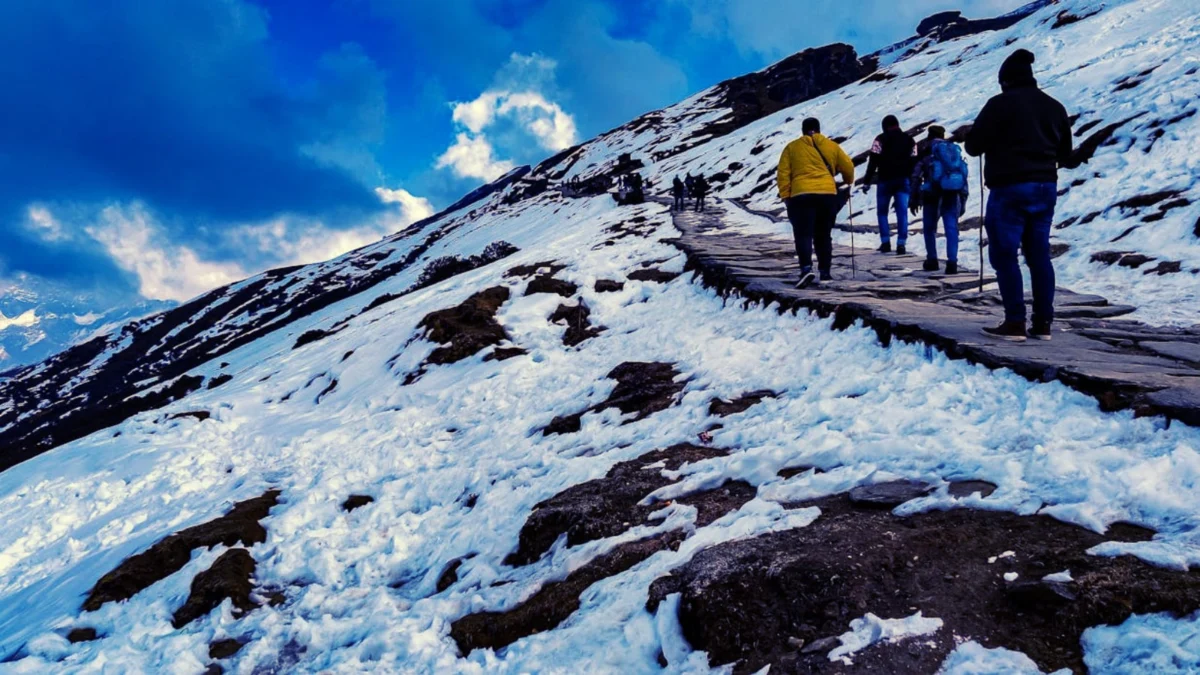
New Delhi, India – May 29, 2026 – As the monsoon clouds gather and paint the Indian landscape in vibrant hues of green, a different kind of adventure beckons for the discerning traveler. While popular destinations may be deluged with crowds, a world of serene beauty and exhilarating exploration lies waiting on the less-trodden paths. This season, forgo the usual tourist throngs and discover the profound tranquility and breathtaking vistas offered by India’s budget-friendly, offbeat monsoon treks. From the mist-kissed peaks of the Himalayas to the verdant Western Ghats, these five hidden gems promise an unforgettable weekend escape, reconnecting you with nature and yourself.
The Allure of the Monsoon Trek: Nature’s Grand Spectacle
The arrival of the monsoon in India is a transformative event. It breathes life into parched lands, turning arid mountains into lush, emerald havens. Waterfalls, often mere trickles during other seasons, roar to life, cascading down rugged cliffs in a display of raw power and beauty. The air, thick with the scent of wet earth and blooming flora, becomes invigorating. For trekkers, this is a period of unparalleled magic. The landscape, usually sculpted by sun and wind, is softened by a veil of mist, creating an ethereal atmosphere that is both awe-inspiring and deeply calming.
However, the monsoon season also presents a unique challenge for trekkers. While some popular trails can become hazardous due to landslides and swollen rivers, the allure of these transformed landscapes remains undeniable. This is where the concept of "offbeat" treks truly shines. These are trails that, while offering incredible natural beauty, have not yet been overrun by mass tourism. They offer a sense of solitude, allowing trekkers to immerse themselves fully in the experience without the distractions of large crowds. Furthermore, the focus on budget-friendly options ensures that these extraordinary adventures are accessible to a wider range of enthusiasts.
The five treks highlighted in this article – Kareri Lake, Nag Tibba, Rajmachi Fort, Chenap Valley, and the yet-to-be-detailed fifth gem – represent a curated selection of destinations that perfectly encapsulate the spirit of a monsoon adventure. They are chosen for their accessibility for weekend getaways, their relative affordability, and their promise of an intimate encounter with nature’s monsoon artistry.
A Chronological Journey Through Monsoon Marvels
This exploration delves into the specific charms of each recommended trek, outlining their geographical context, typical duration, estimated costs, and the unique monsoon experiences they offer.
1. Kareri Lake Trek, Himachal Pradesh: A Serene Himalayan Embrace
- Starting Point: Kareri Village, near Dharamshala.
- Duration: Approximately 2 days.
- Estimated Cost: ₹3,500 – ₹4,500 per person (including local guides or DIY planning).
- Monsoon Magic: Dense pine and oak forests come alive with vibrant greenery. Rushing glacial streams and the tranquil alpine lake create a peaceful, less-crowded alternative to the popular Triund trek.
The Kareri Lake Trek, nestled in the Kangra district of Himachal Pradesh, is a hidden gem that truly comes into its own during the monsoon. Unlike its more famous neighbor, Triund, Kareri Lake offers a more intimate and serene Himalayan experience, especially when bathed in the monsoon’s embrace. The trek commences from Kareri Village, a quaint settlement that serves as the gateway to this natural wonder. The journey to the lake is typically a two-day affair, allowing ample time to soak in the surroundings.
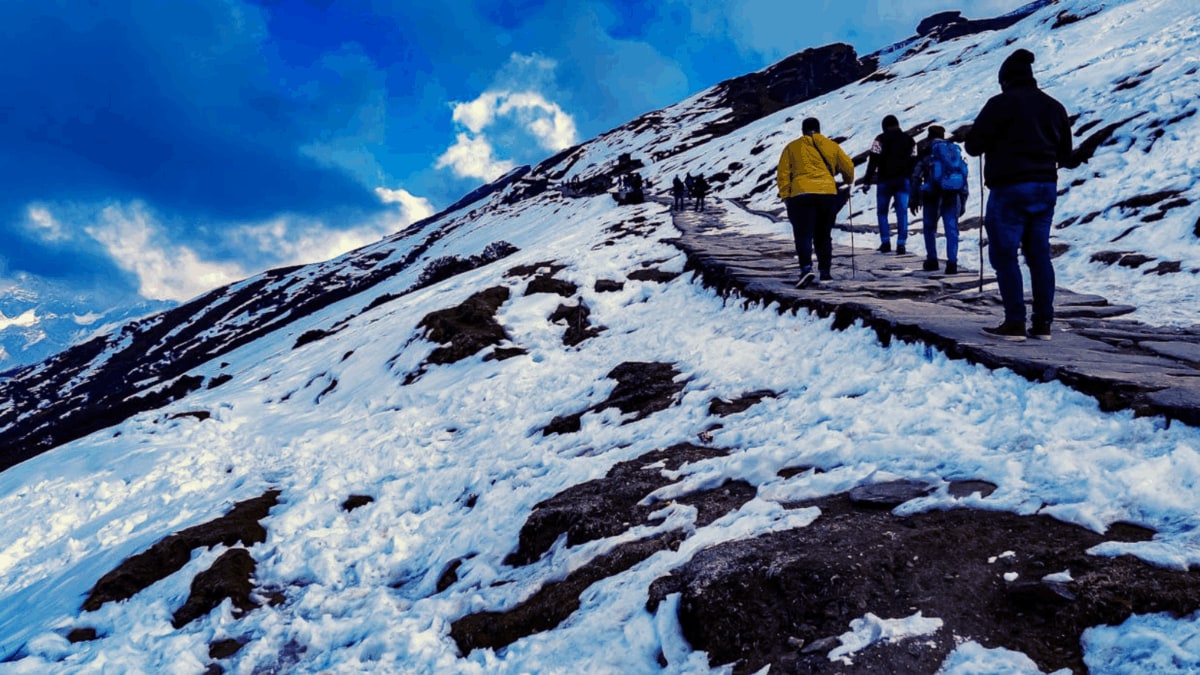
The trail itself is a testament to nature’s monsoon artistry. It winds through dense forests of pine and oak, their leaves glistening with fresh rain, creating a verdant canopy overhead. The air is crisp and carries the invigorating scent of damp earth and pine needles. As you ascend, the sounds of civilization fade away, replaced by the symphony of the mountains – the chirping of unseen birds, the rustling of leaves, and the growing murmur of water.
One of the most captivating aspects of the Kareri Lake Trek during the monsoon is the transformation of the glacial streams. What might be gentle flows in drier months become lively, gurgling watercourses, their waters clear and icy cold. These streams often accompany the trail, providing a constant soundtrack to your ascent and offering picturesque spots for a refreshing pause.
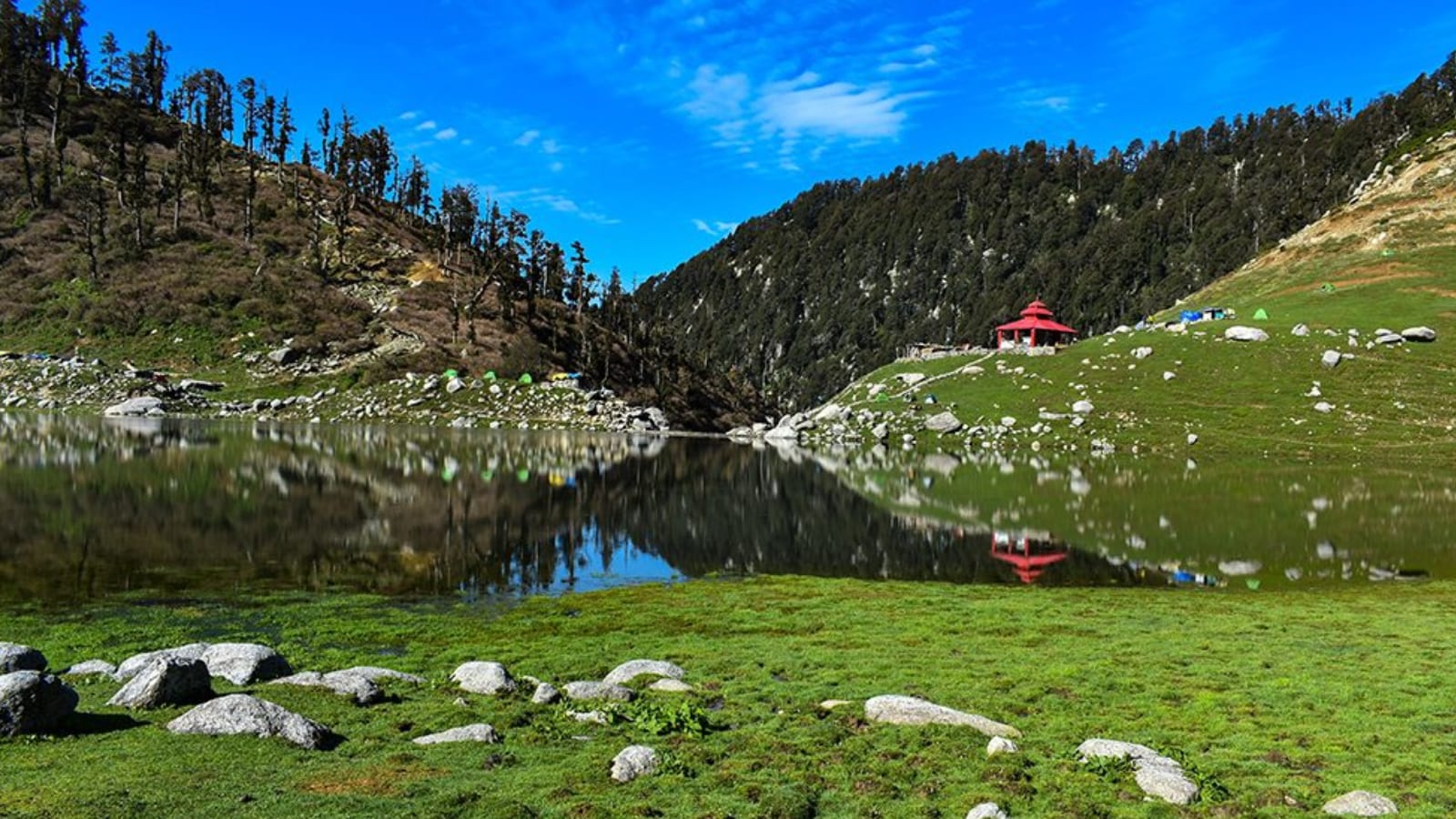
The ultimate destination, Kareri Lake, is a pristine alpine lake that reflects the verdant slopes and the moody monsoon skies. The tranquility of the lake, often shrouded in a gentle mist, offers a profound sense of peace. It’s a place where you can sit by the water’s edge, observe the play of light and shadow, and feel a deep connection with the natural world. The absence of the usual crowds allows for this introspective experience, making it an ideal escape for those seeking solace and quiet contemplation.
The cost-effectiveness of this trek is another significant draw. With an estimated budget of ₹3,500 to ₹4,500 per person, it’s an accessible adventure for many. This cost typically covers local guides, who are invaluable for navigating the trails and understanding the local flora and fauna, as well as basic accommodation and meals. For the more adventurous and budget-conscious, a DIY approach, camping near the lake, is also a viable and highly rewarding option. The Kareri Lake Trek is not just a hike; it’s an immersion into the serene beauty of the Himalayas during its most vibrant season.
2. Nag Tibba Trek, Uttarakhand: The Serpent’s Peak in its Monsoon Splendor
- Starting Point: Pantwari Village, near Mussoorie.
- Duration: Approximately 2 days.
- Estimated Cost: ₹3,000 – ₹4,500 per person (including homestays and local guides).
- Monsoon Magic: Vibrant greenery and wildflowers blanket the trail. Sweeping Himalayan views from the tallest peak in lower Garhwal, without the challenges of high-altitude treks.
Often referred to as the "Serpent’s Peak," Nag Tibba is a popular trekking destination in the lower Garhwal Himalayas of Uttarakhand. Its accessibility from Mussoorie makes it a favored weekend getaway, and during the monsoon, it transforms into an even more enchanting experience. The trek begins from Pantwari Village, a charming hamlet that serves as the base for this adventure.
The Nag Tibba trek is typically completed over two days, offering a balanced experience of challenging ascents and rewarding panoramic vistas. The estimated cost, ranging from ₹3,000 to ₹4,500 per person, makes it a highly budget-friendly option. This budget usually includes comfortable stays in local homestays, which provide an authentic cultural experience, and the guidance of experienced local trekkers.
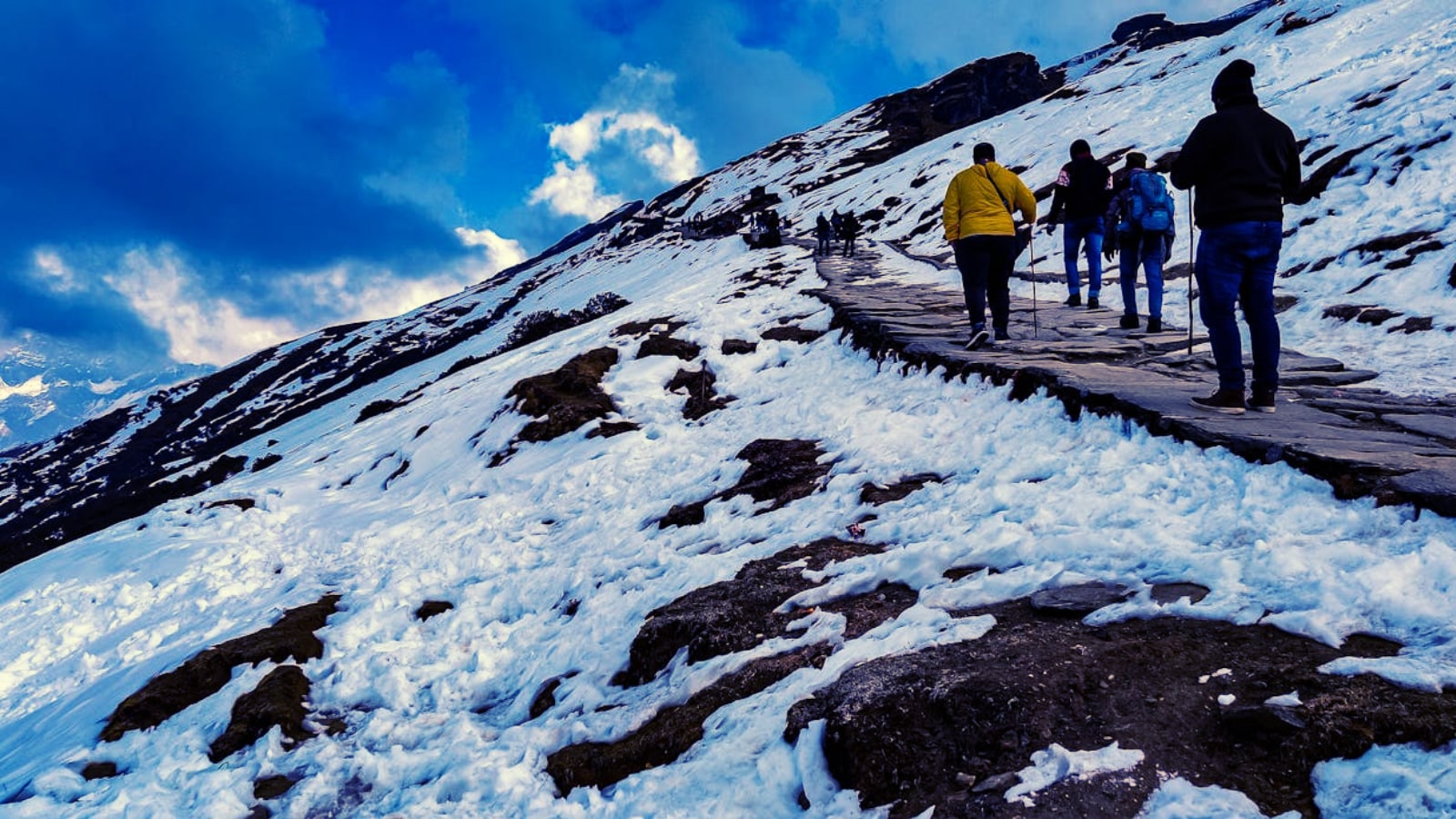
During the monsoon months, the trails leading to Nag Tibba are carpeted in a riot of green. The already lush forests become even more vibrant, and the meadows burst forth with a profusion of wildflowers. The rain nourishes the landscape, bringing a freshness and vitality that is palpable. The higher you climb, the more the scenery opens up, revealing breathtaking vistas of the surrounding Himalayan ranges.
What sets Nag Tibba apart, especially during this season, is its elevation. As the highest peak in the lower Garhwal region, it offers expansive views of the majestic Himalayas without the extreme altitude sickness concerns that plague higher treks. During the monsoon, these views are often framed by swirling mists and dramatic cloud formations, creating a truly cinematic spectacle. The feeling of standing atop Nag Tibba, with the world spread out beneath you, partially veiled in monsoon mist, is an experience that etches itself into memory.
The gentle slopes and well-defined paths make it suitable for trekkers of moderate fitness levels, making it an ideal choice for those looking for a rewarding yet not overly strenuous monsoon adventure. The interaction with local communities through homestays adds another layer of richness to the journey, offering insights into the life and culture of the Garhwal region. Nag Tibba in the monsoon is a testament to the idea that incredible natural beauty can be both accessible and affordable.
3. Rajmachi Fort Trek, Maharashtra: Sahyadri’s Monsoon Majesty
- Starting Point: Lonavala or Karjat routes.
- Duration: 1 to 2 days.
- Estimated Cost: ₹2,500 – ₹4,000 per person.
- Monsoon Magic: The Sahyadri landscape comes alive with overflowing waterfalls, mist-covered valleys, and dense greenery. The twin forts offer stunning panoramic views and a classic Western Ghats trekking experience.
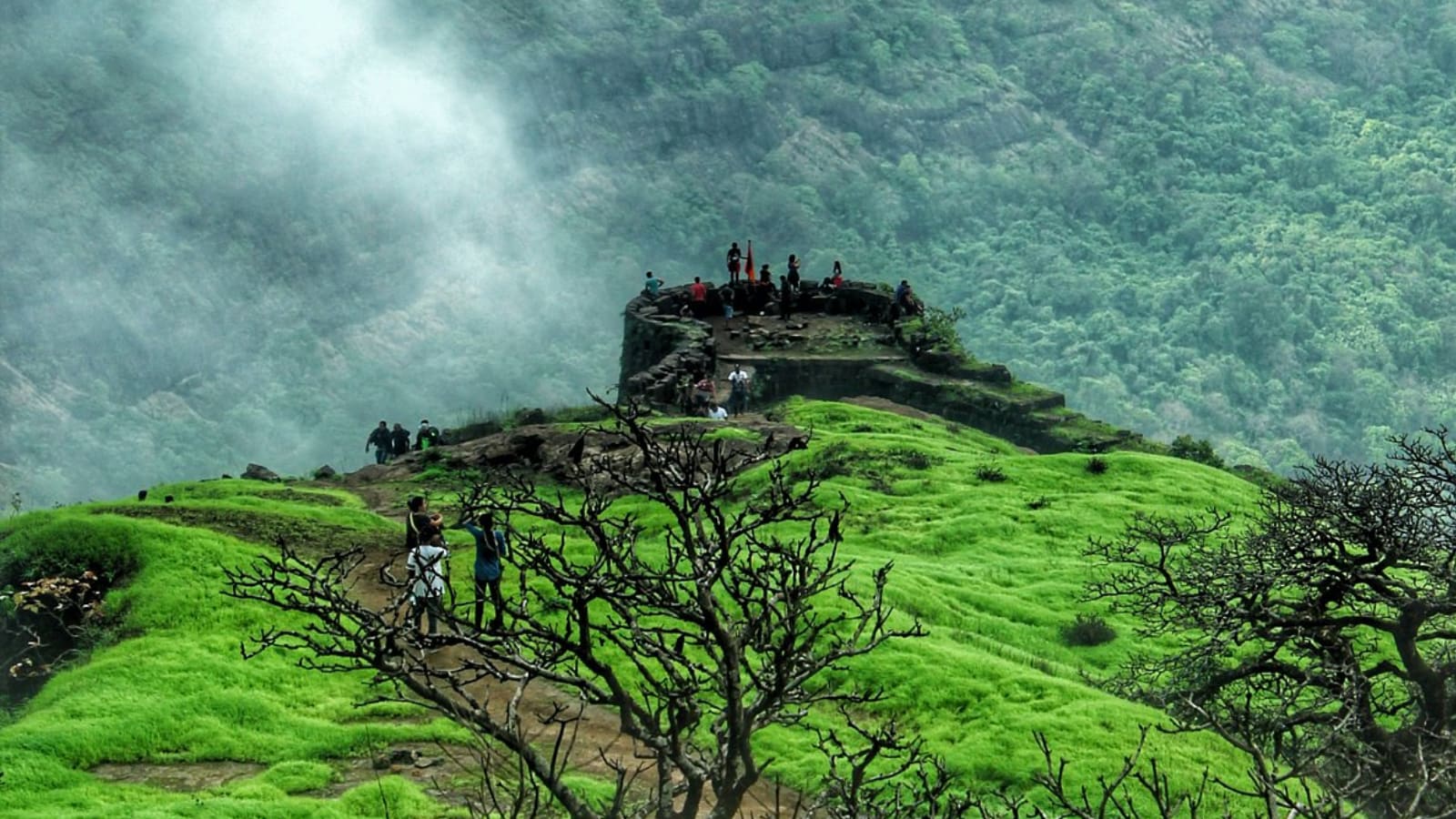
The Rajmachi Fort Trek, located in the heart of the Sahyadri mountain range in Maharashtra, is a quintessential monsoon trekking experience. Easily accessible from Lonavala and Karjat, this trek is a favorite among Mumbaikars and Punekars seeking a quick escape into nature’s embrace. During the monsoon, the already dramatic landscape of the Western Ghats is amplified, transforming into a scene of unparalleled beauty.
The trek to Rajmachi Fort typically takes one to two days, making it a perfect weekend getaway. The estimated cost of ₹2,500 to ₹4,000 per person is remarkably affordable, especially considering the stunning vistas and the classic trekking experience offered. This cost usually covers transportation to the base village, guides, and basic camping or guesthouse accommodation.
The monsoon season paints the Sahyadri range in the most vibrant shades of green. The dense forests surrounding the trail are at their lushest, and the air is alive with the symphony of the rain and the calls of nature. What truly sets Rajmachi apart during this time are the numerous waterfalls that come to life. Cascading down the rocky slopes, these waterfalls create a mesmerizing spectacle, adding to the dramatic beauty of the landscape.
The mist-shrouded valleys and the dense foliage create an ethereal atmosphere, making the journey to the fort an immersive experience. As you ascend, the views become increasingly breathtaking. The twin forts of Shrivardhan and Manaranjan, perched atop the plateau, offer panoramic vistas of the surrounding valleys and hills, often enveloped in a mystical veil of mist. Standing atop these historical fortifications, with the monsoon winds whipping around you and the verdant landscape stretching out to the horizon, is an experience that encapsulates the raw beauty of the Western Ghats.
The Rajmachi Fort Trek is more than just a hike; it’s an opportunity to witness the power and beauty of the monsoon in one of India’s most ecologically rich regions. It offers a classic trekking experience that is both accessible and incredibly rewarding, making it a must-do for monsoon trekkers.
4. Chenap Valley Trek, Uttarakhand: A Tranquil Himalayan Sanctuary
- Starting Point: Near Joshimath, Chamoli District.
- Duration: Approximately 3 days.
- Estimated Cost: ₹4,500 – ₹5,000 per person (including camping and local guides).
- Monsoon Magic: Solitude, colorful alpine blooms, and beautiful misty sunrise views over the surrounding Himalayan landscape. A quieter alternative to the Valley of Flowers.
For those seeking an even deeper immersion into the tranquil beauty of the Himalayas, the Chenap Valley Trek, located near Joshimath in Uttarakhand’s Chamoli district, offers an unparalleled experience. Often overshadowed by the more famous Valley of Flowers, Chenap Valley provides a serene and less-trodden path, making it an ideal destination for those who value solitude and an intimate connection with nature.
This trek is typically a three-day affair, allowing for a more leisurely exploration of the valley’s pristine landscapes. The estimated cost of ₹4,500 to ₹5,000 per person is inclusive of camping arrangements and the expertise of local guides, ensuring a comfortable and safe journey.
During the monsoon, Chenap Valley transforms into a riot of colors and textures. While the Valley of Flowers is renowned for its blooms, Chenap Valley offers a similar, if not more intimate, display of alpine flowers. The rain-kissed meadows are dotted with a vibrant tapestry of colorful blossoms, creating a breathtaking spectacle against the backdrop of the majestic Himalayas.
The valley is characterized by its pristine beauty and a profound sense of tranquility. The absence of large tourist groups allows trekkers to experience the true essence of the Himalayas – the crisp mountain air, the soothing sounds of nature, and the awe-inspiring vistas. The surrounding Himalayan peaks, often partially obscured by swirling monsoon mists, add an element of mystique and grandeur to the landscape.
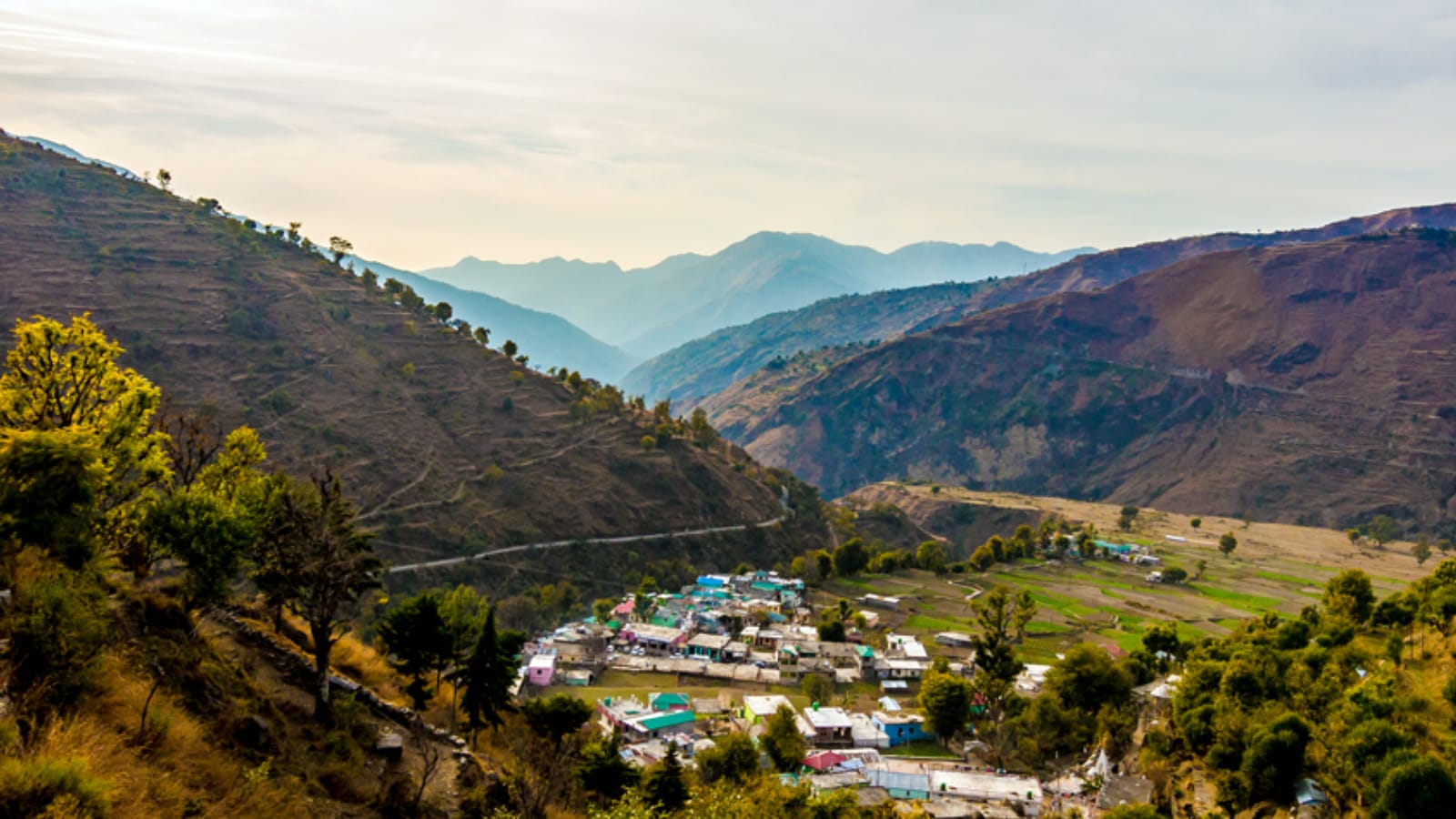
The misty sunrises over Chenap Valley are particularly enchanting. As the first rays of the sun pierce through the clouds, they illuminate the mist-laden landscape, creating a magical, ethereal glow. It’s a moment of profound beauty that inspires awe and a deep sense of peace. For trekkers who appreciate the quieter side of the Himalayas and seek an escape from the crowds, Chenap Valley offers a sanctuary of unparalleled natural splendor during the monsoon season.
Supporting Data and Expert Insights
The appeal of offbeat monsoon treks lies in their ability to offer unique experiences that are often lost in more popular destinations. According to recent travel trend analyses, there’s a growing segment of travelers actively seeking "slow travel" and "authentic experiences," with a significant portion showing interest in nature-based tourism during the shoulder seasons like the monsoon.
Dr. Anjali Sharma, a prominent environmental geographer specializing in Himalayan ecosystems, notes, "The monsoon season, while presenting certain challenges, also unlocks a unique biodiversity and aesthetic for trekking. The reduced footfall on offbeat trails means less environmental impact and a more profound connection for the trekker. The Kareri Lake and Chenap Valley treks, for instance, showcase pristine ecosystems that benefit from this lower visitor density. Local guides on these treks are not just navigators but also custodians of this delicate balance, sharing invaluable ecological knowledge."
Mr. Vikram Singh, a seasoned trekking organizer with over two decades of experience, highlights the economic benefits for local communities. "Trekking to places like Nag Tibba and Rajmachi Fort during the monsoon directly supports local economies. Homestays, local guides, and porters benefit immensely. The budget-friendly nature of these treks makes them accessible, ensuring that tourism revenue is distributed more widely. We are seeing a conscious effort from trekkers to choose destinations that offer sustainable tourism models."
The cost-effectiveness of these treks is a crucial factor in their popularity. By focusing on routes that don’t require extensive infrastructure or costly permits, and by leveraging local resources like homestays and community-run camps, these treks remain affordable. The estimated costs provided are based on current market rates and include essential components like food, accommodation, and local guide fees, making them realistic projections for budget-conscious travelers.
Implications for Future Travel and Conservation
The growing interest in offbeat monsoon treks has several significant implications. Firstly, it signals a shift in travel preferences, moving away from crowded hotspots towards more immersive and sustainable experiences. This trend has the potential to distribute tourism revenue more equitably across different regions, benefiting local communities that may not have previously seen significant tourist influx.
Secondly, it underscores the importance of preserving these less-explored natural areas. As more people discover the beauty of these offbeat destinations, responsible tourism practices become paramount. Organizations and local authorities need to work collaboratively to manage visitor numbers, implement waste management protocols, and ensure that the natural environment remains protected. The success of these treks hinges on their ability to remain "offbeat" and ecologically intact.
The availability of budget-friendly options also democratizes adventure, making the transformative power of trekking accessible to a wider demographic. This can foster a greater appreciation for nature and a stronger commitment to its conservation.
Finally, the monsoon season itself, often perceived as an off-season for travel, is being re-evaluated. The unique beauty and tranquility it offers are proving to be a powerful draw for those seeking an escape from the ordinary. This re-evaluation can lead to a more year-round tourism model for many of India’s stunning natural landscapes, providing consistent economic opportunities for local communities.
The monsoon in India is not just a climatic phenomenon; it is an invitation to experience the land in its most vibrant, lush, and serene state. By choosing the path less traveled, trekkers can discover the profound beauty of India’s offbeat monsoon trails, forging memories that are as enduring as the mountains themselves. This season, let the call of the wild guide you to these budget-friendly havens for an unforgettable weekend adventure.
