

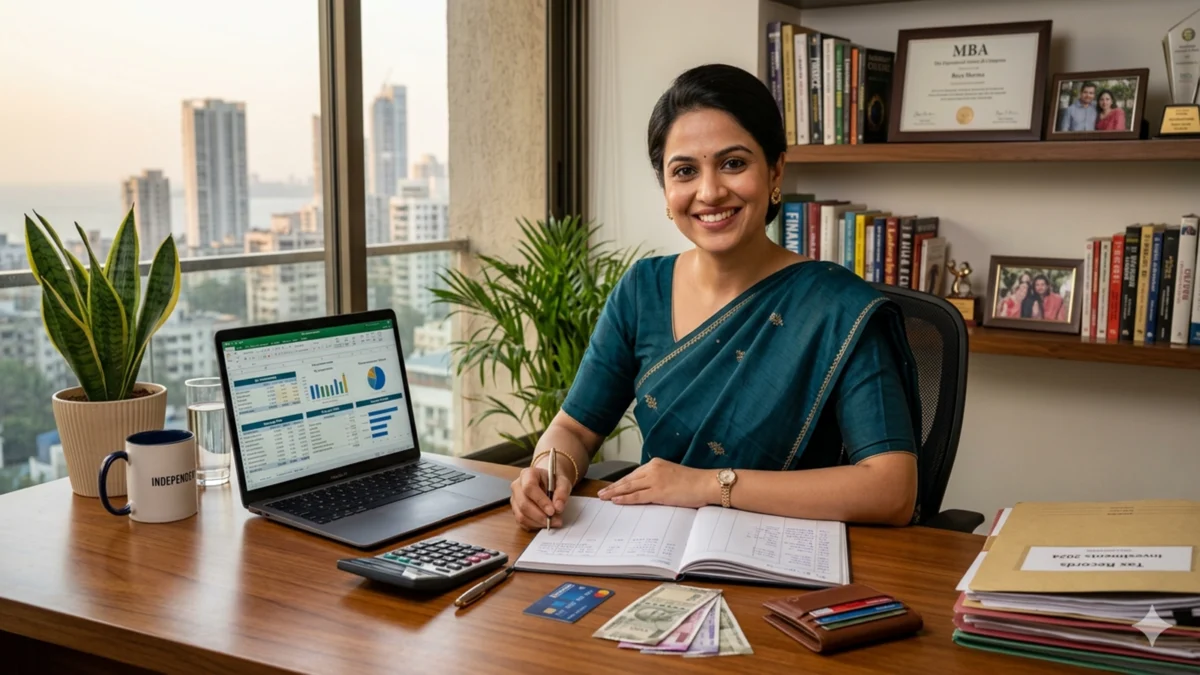
New Delhi: The recent, tragic alleged dowry deaths of Twisha Sharma and Deepika Nagar have once again cast a grim shadow over societal progress. These cases, involving young women from affluent and financially independent backgrounds, have ignited a crucial, yet disturbing, question: Is mere financial autonomy a sufficient shield against the pervasive grip of abusive relationships? While economic independence offers a powerful lifeline, experts and survivors alike underscore that it is only one piece of a complex puzzle, with emotional, psychological, and societal factors playing equally, if not more, critical roles.
The stark reality is that despite being outlawed decades ago, dowry-related violence continues to plague India. National Crime Records Bureau (NCRB) data for 2024 paints a grim picture, reporting 5,737 dowry death cases involving 5,811 victims. This alarming statistic, a chilling echo of the Dowry Prohibition Act of 1961, reveals a persistent societal ill that transcends economic strata. The Supreme Court’s cognizance of the Sharma and Nagar cases signals a judicial awakening, but the underlying societal malaise demands a deeper, more nuanced examination.
The Illusion of Economic Solace: Cases That Shake the Foundation
The stories of Twisha Sharma and Deepika Nagar, though tragic, highlight a distressing paradox. Their financial independence, a supposed beacon of empowerment, did not, in these instances, provide an escape route from what are alleged to be deeply abusive circumstances. This reality forces a re-evaluation of how we perceive and address domestic abuse, moving beyond the simplistic notion that wealth or a stable income inherently equates to safety and agency.
Sangita Durbha Gopinath, Director-Growth and Business Initiative at PR Pundit, offers a poignant perspective from her own experience. Having navigated a relationship where her partner allegedly betrayed her trust, Gopinath emphasizes that her financial independence was the bedrock upon which she built the strength to leave. "The job gave me a safe space. It was my life away from a difficult environment," she shares with indianexpress.com, illustrating how her career not only provided financial sustenance for herself and her child but also a crucial psychological sanctuary. This "safe space" allowed her to reclaim her voice and agency, a testament to the empowering potential of economic self-reliance.
However, the narrative is far from universally positive. Dr. Parin Somani, CEO of the London Organisation of Skills Development, has, through her extensive research, encountered numerous individuals whose experiences underscore the suffocating nature of economic insecurity within abusive relationships. She recounts heart-wrenching testimonies of women trapped by the fear of homelessness and the inability to provide for their children independently. In some cases, spouses exerted absolute control over finances, restricting access to bank accounts and actively preventing victims from pursuing employment, thus weaponizing financial dependence as a tool of control.
Somani’s insights are crucial: abuse is not confined to physical violence. It encompasses insidious forms of emotional manipulation, psychological control, and the deliberate fostering of financial dependency. "In many situations, the inability to access financial resources becomes one of the greatest barriers preventing victims from leaving abusive environments," she elaborates, underscoring that financial control is a potent form of coercion.
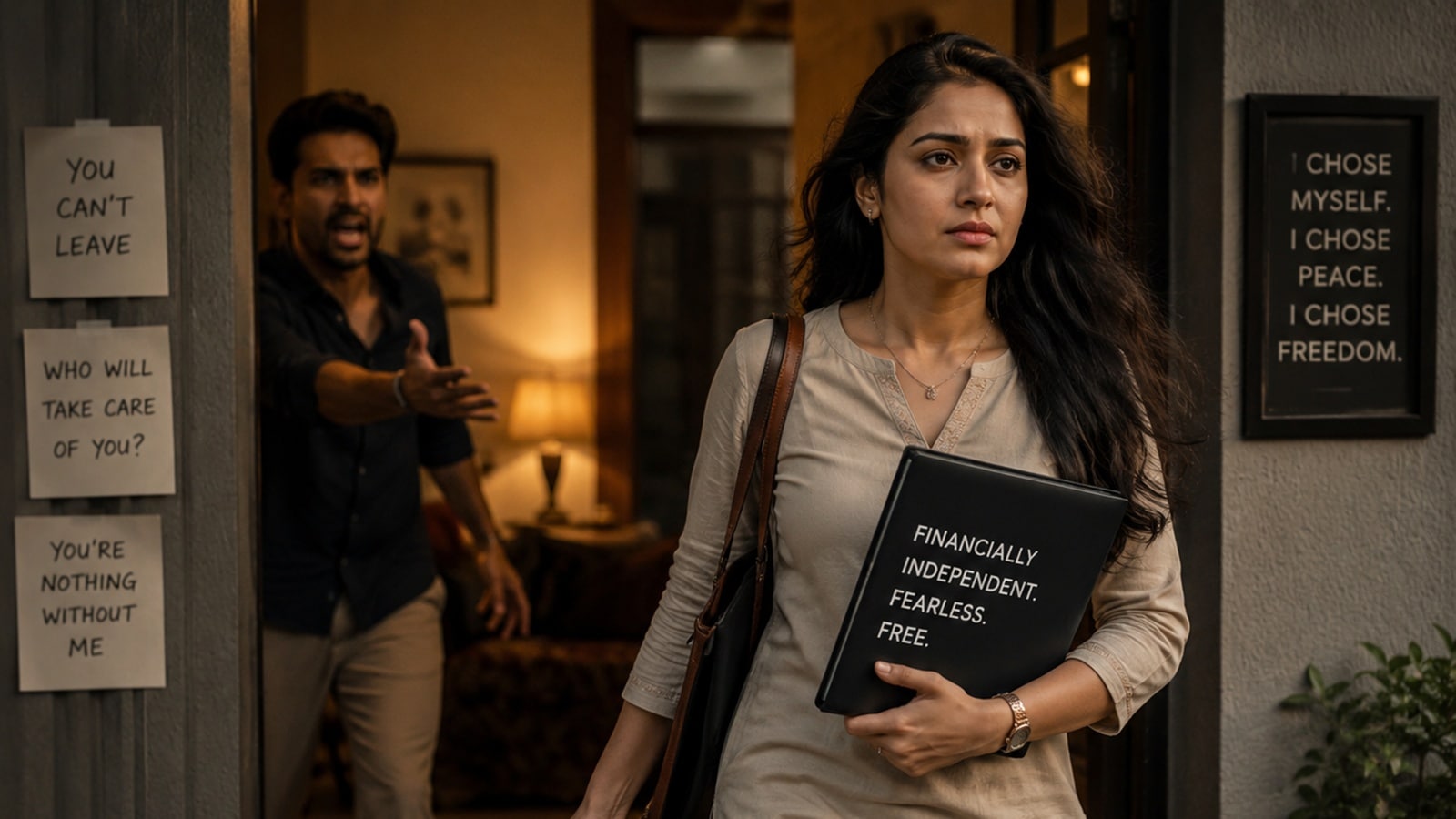
Trapped in a Silent Prison: The Psychological Toll of Financial Dependence
The consequences of prolonged exposure to emotional, psychological, or physical abuse, exacerbated by financial insecurity, are profound and long-lasting. Dr. Saurabh Mehrotra, Director-Neurosciences at Medanta Gurugram, explains that the constant stress of managing these pressures can manifest as anxiety, depression, a crippling sense of low self-esteem, and an overwhelming feeling of helplessness. This creates a vicious cycle where the very circumstances that necessitate escape also erode the individual’s capacity to act.
Dr. Munia Bhattacharya, Senior Consultant in Clinical Psychology at Artemis Hospitals, echoes this sentiment, describing financial dependence as a "silent psychological prison." Conversely, she posits that financial independence acts as a catalyst for "emotional agency." It bestows upon individuals the crucial belief that they possess options, a psychological shift that empowers them to reclaim their voice. "The moment a person feels they have options, they begin to reclaim their voice," she explains. "They set healthier boundaries, tolerate less disrespect, and are less likely to stay stuck in cycles of manipulation." This psychological liberation, fueled by the knowledge of having viable alternatives, is a critical step towards breaking free from abusive dynamics.
The Complex Interplay of Financial Security and Abuse
While financial independence is a significant enabler, it is crucial to acknowledge that it does not render individuals immune to abuse. Dr. Bhattacharya clarifies that financially independent people can still find themselves in abusive relationships. However, their economic autonomy often equips them with the resilience to seek help, extricate themselves, and embark on the arduous journey of rebuilding and healing. "Financial security reduces helplessness, and helplessness is one of the core emotions that keeps people trapped in unhealthy dynamics," she reiterates. The presence of financial resources acts as a buffer against the debilitating effects of helplessness, providing a foundation for empowerment and recovery.
Mousumi Dasgupta, a homemaker from Kolkata, recounts her experience of escaping an abusive marriage with the support of legal and police interventions. Reflecting on the past, she notes a generational shift in tolerance towards disrespect within relationships. While women today exhibit far less tolerance for abuse, the presence of children introduces a complex layer of consideration that can make separation more challenging. This highlights how familial responsibilities can intertwine with financial considerations, complicating the decision to leave.
Tanvi Singh, a mental health expert and founder of Leap of Foundation, points out the unique emotional landscape for many Indian women. She describes a pervasive feeling of moving from one form of dependence to another, often from paternal households to marital ones, without fully experiencing ownership over their lives. In this context, financial independence transcends mere income; it represents the freedom to make choices unburdened by fear.
Singh also sheds light on the societal pressures faced by men, where masculinity and self-worth are often inextricably linked to their ability to provide. This can leave men feeling inadequate, disrespected, or diminished when they encounter financial struggles, demonstrating that financial expectations and their associated anxieties are not exclusive to women.
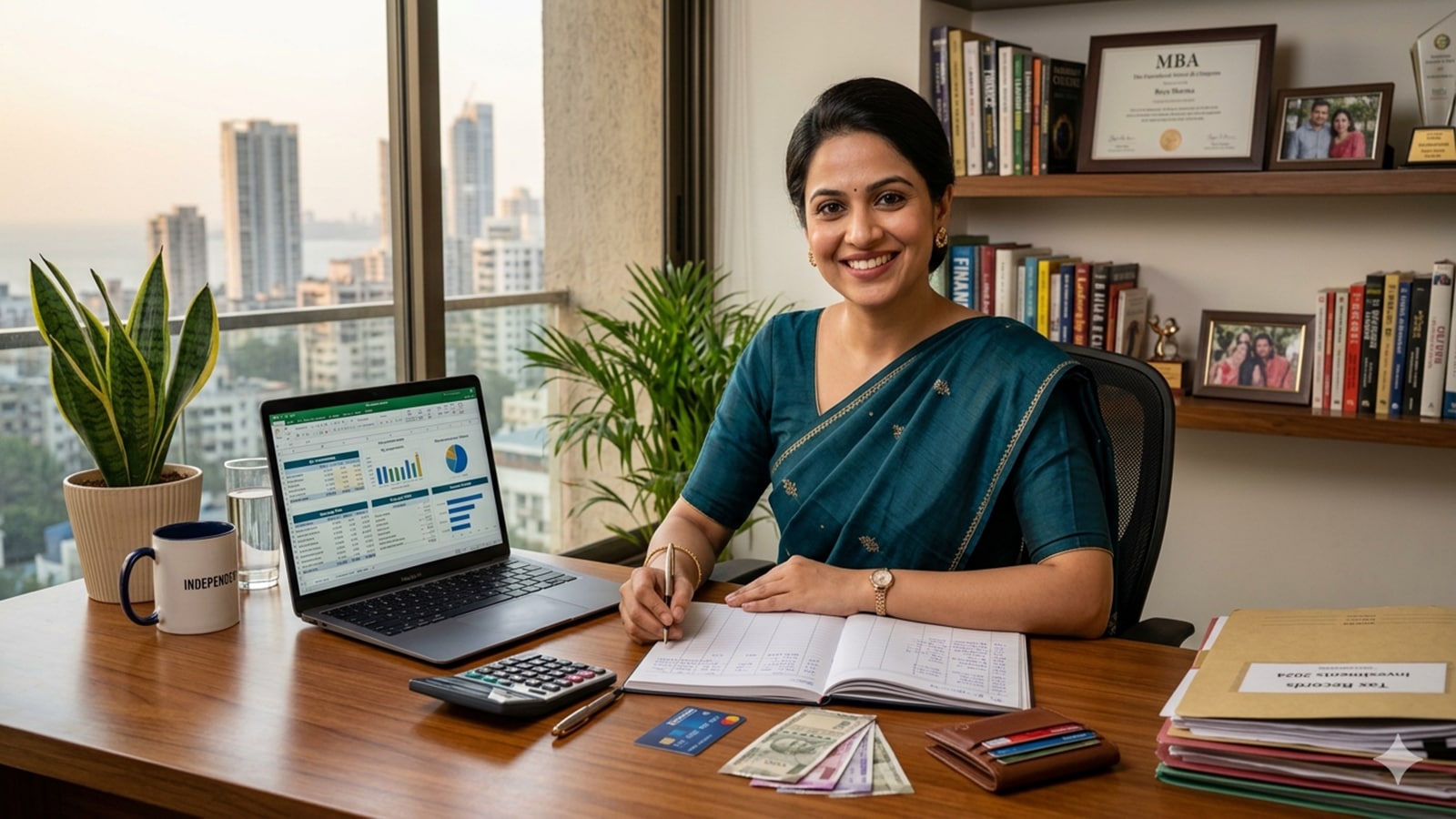
The Crucial Role of Financial Security in Life Transitions
Bani Kaur Allagh, a Delhi-based lawyer, debunks the pervasive misconception that marriage inherently guarantees long-term financial security. Many women, she observes, only fully grasp the significance of financial independence during times of separation, divorce, or family disputes, realizing that an emotional partnership does not automatically translate into financial ownership. The inadequacy of maintenance as a remedy, coupled with the lack of independent assets in many women’s names – be it savings, investments, or property – leaves them financially vulnerable during critical life transitions.
Priti Rathi Gupta, founder of Lxme, a financial app for women, draws a critical distinction between financial independence and financial security. Financial independence, she explains, is rooted in earning, skill acquisition, and self-confidence. Financial security, however, is built over time through disciplined saving, investments, retirement planning, and the crucial element of ownership and control over these assets. She advocates for women to actively manage their finances, understanding their investments, so they can access and utilize their resources without fear or the need for permission during times of crisis.
Binitha Dalal, Founder and Managing Director of Mt K Kapital, asserts that true financial freedom extends beyond earning a paycheck. It encompasses a deep understanding of money, asset building, and active participation in wealth creation. She observes a positive trend of women increasingly engaging in conversations about investments, real estate, and alternative assets, signaling a growing financial literacy and agency.
Dalal offers actionable advice for women seeking financial empowerment:
- Become Financially Aware: Understand the fundamentals of money management, regardless of income level.
- Build Disciplined Saving Habits: Start small but establish clear long-term financial goals.
- Diversify Investments: Spread assets across various instruments like real estate, equities, and fixed-income products for balanced wealth creation.
- Think Long-Term: Embrace patience and consistency in financial planning, resisting the urge to react to short-term market fluctuations.
Navigating the Legal Labyrinth: Protection and Practicalities
Advocate Ashwini Kumar, founder of My Legal Expert, highlights the significant deterrent that fear of economic instability, particularly when children are involved, poses for women contemplating legal action or seeking protection. While Indian laws offer numerous safeguards, including protection orders, residence rights, maintenance, and child support under the Protection of Women from Domestic Violence Act, 2005, the challenges of timely implementation and accessibility remain formidable.
Kumar points out that lengthy legal proceedings, societal stigma, financial coercion by abusive spouses, and the lack of immediate support can make the legal process intensely daunting for survivors. He emphasizes the urgent need for enhanced grassroots legal awareness, as many women remain unaware of their entitlements to maintenance, shared household rights, custody protections, and interim financial relief even during ongoing legal proceedings.
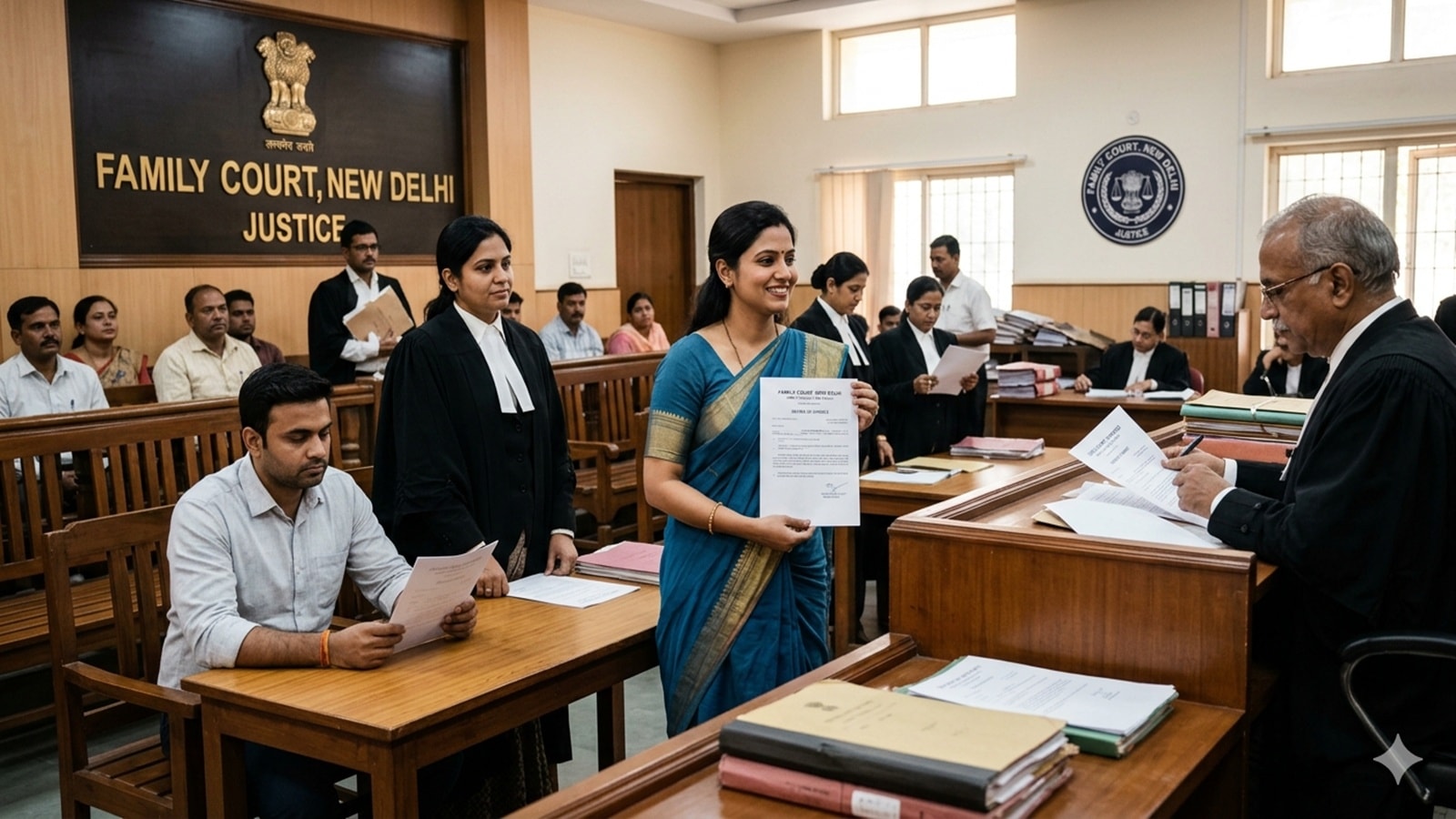
Sana Raees Khan, a Supreme Court lawyer and founder of SRK Legal, underscores the societal imperative to focus on financial education, legal knowledge, and accessible support services for women. This multi-pronged approach is essential for empowering victims and facilitating their escape from abusive situations.
Rebuilding the Self: Beyond Financial and Legal Frameworks
Mahalakshmi K, a senior health and wellness coach, emphasizes that leaving an abusive relationship is a multifaceted process where financial independence serves as a critical, but not solitary, pillar. "Having independent income, savings, and financial literacy is not merely about access to money, but the confidence and competence to manage it independently," she explains.
Crucially, Mahalakshmi highlights the importance of recognizing and dismantling the "trauma bond," a psychological phenomenon that can keep individuals tethered to their abusers. This process often necessitates therapeutic support, as willpower alone is insufficient. The presence of a robust support network – comprising family, friends, colleagues, and community organizations – offering shelter, solidarity, and practical assistance is paramount.
Mahalakshmi posits that isolation is a deliberate tool of control, and connection serves as its most potent antidote. Without this vital support system, even financial independence can prove insufficient. She notes that many survivors return to abusive partners not due to a lack of money, but a lack of a safe haven. Practical plans for schooling, childcare, and emotional support for children during and after the transition are indispensable.
Perhaps the most profound challenge lies in the abuser’s systematic dismantling of a person’s sense of self. Rebuilding this fractured self-worth, understanding one’s inherent value independent of the relationship, is foundational to a sustained departure. Ultimately, the goal is not about ego or power, but about achieving psychological safety. This allows individuals to remain in relationships out of love and choice, rather than fear, survival, or dependency. Empowering individuals both financially and emotionally is, therefore, the cornerstone of lasting healing and the prevention of future tragedies.
