

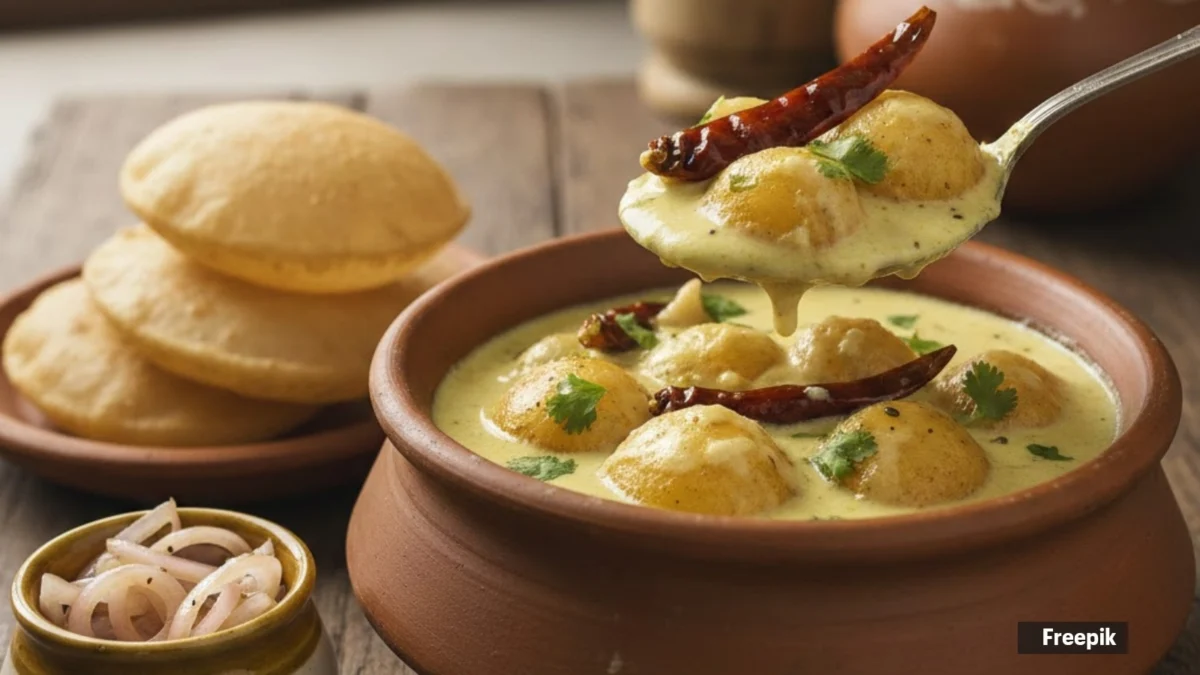
New Delhi, May 30, 2026 – In a culinary landscape often dominated by fad diets and demonized ingredients, a humble yet potent dish from the heartland of Uttar Pradesh is making a significant comeback. Matthe Ke Aloo, a traditional preparation featuring boiled potatoes bathed in spiced buttermilk, is being championed by nutritionists not just as a delightful comfort food, but as a powerhouse of gut-friendly nutrients. This revelation challenges long-held misconceptions about potatoes and highlights the enduring wisdom embedded in ancestral Indian cooking.
The resurgence of interest in this flavorful dish was sparked by a nutritionist, known on Instagram by the handle we_nourish. She shared her mother’s cherished recipe for Matthe Ke Aloo, extolling its virtues for digestive health and its immense popularity in Uttar Pradesh. "Matthe ke Aloo (UP-style Mattha Aloo) is a comforting, cooling, gut-friendly UP delicacy that tastes best with plain rice. Please try making it the way my mother makes it, you will love it!" she posted, hinting at her intention to debunk potato-related myths during "Nutrition Week."
Her claims have found strong backing from Dr. Pratibha Singh, Professor of Nutrition & Dietetics at Manav Rachna International Institute of Research & Studies. Dr. Singh emphasized that potatoes are among the most "misunderstood" food items in modern dietary discourse.
The Underrated Power of the Potato: A Nutritional Deep Dive
The prevailing negative perception of potatoes often stems from their preparation methods, particularly deep-frying and excessive salting. However, Dr. Singh elucidated the inherent nutritional benefits of the potato itself. "Potatoes are one of the most misunderstood foods," she stated unequivocally. "A boiled potato is actually low in fat and rich in complex carbohydrates, potassium, vitamin C, and resistant starch – which supports gut bacteria and helps maintain steady energy levels."
Resistant starch, a key component of boiled potatoes, acts as a prebiotic, feeding beneficial bacteria in the gut. This not only promotes a healthy gut microbiome but also contributes to improved insulin sensitivity and satiety. Dr. Singh further explained, "It’s the deep-frying and excess salt that make potatoes ‘unhealthy,’ not the potato itself."
In the context of Matthe Ke Aloo, the humble potato is transformed. "In dishes like Matthe ke Aloo, where potatoes are boiled and paired with probiotic buttermilk and gentle spices, they become a light, nourishing comfort food rather than a guilty indulgence," she added. The dish’s composition, utilizing boiling and incorporating ingredients known for their digestive benefits, positions it as a prime example of how traditional recipes can align with modern nutritional science.
The Synergistic Symphony of Ingredients: How Each Element Contributes to Gut Health
Dr. Singh meticulously detailed how each ingredient in Matthe Ke Aloo plays a crucial role in fostering a balanced digestive system, underscoring the intricate culinary wisdom of traditional Indian preparations.
Buttermilk: The Probiotic Powerhouse
The foundation of Matthe Ke Aloo lies in its use of buttermilk (mattha). This fermented dairy product is teeming with live probiotic cultures. These beneficial bacteria are instrumental in enriching the gut microbiota, enhancing nutrient absorption, and combating harmful pathogens. Furthermore, buttermilk’s cooling properties are traditionally recognized for their ability to soothe the digestive tract and alleviate acidity, making it an ideal base for this dish.
Ghee: Nourishing the Intestinal Lining
While often associated with richness, ghee, a clarified butter, offers more than just flavor. Dr. Singh highlighted its contribution of short-chain fatty acids (SCFAs), particularly butyrate. Butyrate is the primary energy source for the cells lining the colon (colonocytes). By nourishing these cells, butyrate plays a vital role in maintaining the integrity of the intestinal barrier, reducing inflammation, and supporting overall gut health.
The Spice Ensemble: A Holistic Approach to Digestion
The carefully selected spices in Matthe Ke Aloo are not merely for taste; they are potent digestive aids.
- Methi (Fenugreek): Traditionally revered for its medicinal properties, fenugreek seeds are known to aid bile flow, which is essential for fat digestion and absorption. They also contribute to glucose balance, making the dish suitable for those managing blood sugar levels.
- Hing (Asafoetida): This pungent spice is a well-known carminative, meaning it helps to relieve gas and bloating. Its enzymes also support digestive activity, further aiding in the breakdown of food.
- Turmeric: The star compound in turmeric, curcumin, is a potent anti-inflammatory agent. Its benefits extend to the gut, where it exhibits prebiotic effects, stimulating the growth of beneficial bacteria. Together, these spices create a "soothing synergy that enhances digestion and gut resilience – something modern nutrition is now rediscovering in traditional recipes," Dr. Singh noted.
This intricate interplay of ingredients showcases how ancestral Indian cooking, through generations of empirical observation, intuitively understood the principles of gut health and digestive well-being.
Bridging the Gap: Traditional Indian Cuisine and Modern Dietary Paradigms
A pertinent question arises: can recipes deeply rooted in traditional Indian cooking, like Matthe Ke Aloo, seamlessly integrate into contemporary balanced diets, which are often influenced by global nutritional trends? Dr. Singh firmly believes they can, and indeed, they offer a valuable blueprint for modern healthy eating.
"Traditional Indian recipes are naturally adaptive," she explained. "Matthe ke aloo fits beautifully into a plant-forward diet – it’s vegetarian, probiotic-rich, and uses whole ingredients without processed additives." The dish’s inherent plant-based nature aligns with the growing global shift towards diets that prioritize vegetables, legumes, and whole grains.
Furthermore, the principles of portion control and the inclusion of fiber-rich accompaniments can ensure its compatibility with various dietary approaches. "By controlling portion size and adding fiber-rich sides, such as salads or millet rotis, it aligns with low-GI and balanced-carb eating patterns," Dr. Singh advised. This adaptability makes Matthe Ke Aloo a versatile addition to a range of meal plans, from those focused on managing blood sugar to those aiming for sustained energy release.
Dr. Singh concluded on an optimistic note, emphasizing the profound relevance of these traditional dishes in shaping the future of nutrition. "In fact, dishes like these demonstrate how ancestral wisdom – combining plant foods, healthy fats, and fermented dairy – can guide the future of sustainable, gut-friendly nutrition." This sentiment underscores a growing movement to re-evaluate and re-incorporate time-tested culinary practices that have proven their efficacy over centuries.
A Generational Twist: Making Matthe Ke Aloo Appealing Across Ages
Recognizing the need to make traditional dishes relatable and appealing to a broader demographic, particularly younger generations, Dr. Singh proposed a "Gen Z twist" on the classic Matthe Ke Aloo. This reimagining focuses on presentation and the integration of modern culinary elements while retaining the core nutritional benefits of the original recipe.
The Contemporary Matthe Ke Aloo Recipe
Ingredients:
-
For the Matthe Ke Aloo Base:
- Boiled potatoes (cubed or halved)
- Plain, unsweetened buttermilk
- Ghee (optional, for tempering)
- Fenugreek seeds (methi)
- Asafoetida (hing)
- Turmeric powder
- Fresh herbs (e.g., cilantro, mint, finely chopped)
-
For the Vibrant Salad Bowl:
- Mixed greens (e.g., lettuce, spinach, arugula)
- Chopped fresh vegetables (e.g., cucumber, carrots, bell peppers, cherry tomatoes, red onion)
- Crunchy nuts and seeds (e.g., walnuts, almonds, pumpkin seeds, sunflower seeds)
- Optional protein: grilled chicken breast, baked tofu, or chickpeas
-
For the Zesty Citrus-Herb Dressing:
- Fresh lemon juice or lime juice
- Extra virgin olive oil
- A touch of honey or maple syrup (optional, for sweetness)
- Finely chopped fresh herbs (e.g., dill, parsley)
- Salt and freshly ground black pepper to taste
Instructions for the Modern Twist:
- Prepare the Matthe Ke Aloo Base: Gently boil potatoes until tender. While they are cooling slightly, temper a teaspoon of ghee in a small pan (if using). Add methi seeds and hing, letting them splutter. Stir in turmeric powder and a pinch of salt. Pour this tempering over the plain buttermilk. Gently add the boiled potatoes to the spiced buttermilk, ensuring they are well coated. Stir in freshly chopped cilantro and mint.
- Assemble the Salad Bowl: In a large bowl, combine the mixed greens, chopped fresh vegetables, and your chosen nuts and seeds. If adding protein, arrange it attractively on top.
- Dress and Serve: Prepare the citrus-herb dressing by whisking together all the dressing ingredients. Drizzle the dressing generously over the salad.
- The Fusion: Serve the prepared Matthe Ke Aloo in a separate bowl alongside the vibrant salad. Encourage diners to scoop the potato mixture onto their salad, creating a dynamic and flavorful meal. Garnish with additional fresh herbs.
Customization and Nutritional Enhancement Tips:
- Personalize Your Plate: Encourage diners to customize their salads with their favorite vegetables, fruits, and nuts. The beauty of this dish lies in its adaptability.
- Master the Dressing: Adjust the dressing to suit individual taste preferences, varying the amount of citrus, sweetness, and herbs.
- Boost the Protein: For a more substantial and satiating meal, incorporate lean protein sources like grilled chicken or tofu. This transforms the dish into a complete and balanced meal.
This modernized approach to Matthe Ke Aloo not only preserves its traditional essence and gut-friendly benefits but also presents it in an aesthetically pleasing and interactive format, making it a compelling choice for contemporary palates and a testament to the enduring appeal of Indian culinary heritage.
Implications for Public Health and Dietary Guidance
The re-evaluation of ingredients like potatoes and the promotion of traditional dishes like Matthe Ke Aloo carry significant implications for public health and dietary guidance. By debunking myths and highlighting the scientific basis of ancestral food practices, nutritionists can empower individuals to make informed choices that promote long-term well-being.
The emphasis on whole, minimally processed ingredients, coupled with the understanding of how fermentation and spices contribute to health, offers a sustainable and accessible path to improved digestive health. As Dr. Singh rightly points out, the wisdom embedded in traditional Indian recipes provides a valuable framework for developing future-forward dietary recommendations that are both effective and culturally relevant. The renewed appreciation for Matthe Ke Aloo serves as a powerful reminder that some of the most effective health solutions are often found in the culinary traditions we have inherited.
