

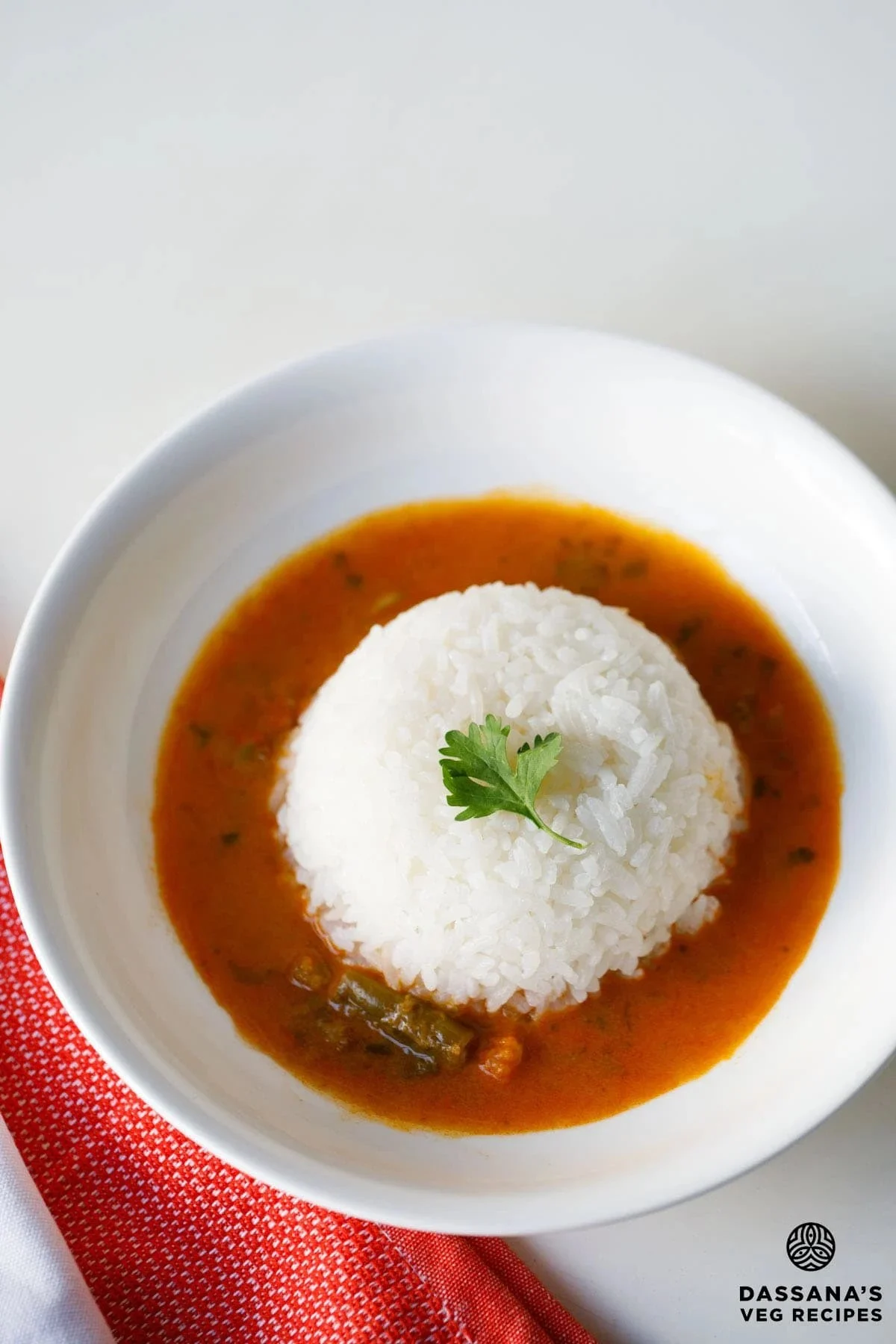
In the vast landscape of global grains, few varieties command as much reverence and sensory appeal as Jasmine rice. Known in its homeland as Khao Hom Mali (Thai Fragrant Rice), this long-grain variety has transcended its Southeast Asian origins to become a cornerstone of international gastronomy. Celebrated for its characteristic pandan-like aroma and soft, slightly clingy texture, Jasmine rice represents a delicate balance between culinary tradition and precise preparation.

While often overshadowed by the fluffy, distinct grains of Indian Basmati, Jasmine rice offers a unique mouthfeel—tender and moist, yet capable of holding its shape when paired with rich curries and vibrant stir-fries. To achieve the perfect pot of Jasmine rice, one must navigate the nuances of water ratios, starch management, and the critical "resting" phase. This report explores the comprehensive methodology for preparing this Thai staple, the nutritional profile that supports its global consumption, and the broader culinary implications of its use in the modern kitchen.
The Main Facts: Defining Thai Hom Mali
Jasmine rice is primarily cultivated in the high plateaus of Northeastern Thailand, where the unique soil composition and climate contribute to its distinctive floral fragrance. Unlike other long-grain varieties, Jasmine rice is classified as a "sub-sticky" rice. It contains a higher level of amylopectin (a branched starch) compared to Basmati, which results in a softer, more cohesive texture upon cooking.

The grain is valued for three primary attributes:
- Aroma: A natural scent reminiscent of jasmine flowers or pandan leaves, caused by the compound 2-acetyl-1-pyrroline.
- Texture: A tender, velvety bite that remains moist even as it cools.
- Versatility: Its ability to absorb the flavors of coconut milk, broths, and spiced gravies without losing its structural integrity.
In professional culinary circles, the quality of Jasmine rice is often judged by its age. "New crop" rice is more fragrant but requires less water, as it retains more internal moisture. Conversely, "aged" Jasmine rice is more stable and produces more distinct grains, making it the preferred choice for professional chefs seeking a consistent fluffiness.

Chronology of Preparation: The Precision Stovetop Method
The journey from a dry, flinty grain to a steaming mound of fragrant rice follows a specific chronological protocol. Deviating from these steps often results in common culinary failures, such as mushy clumps or undercooked centers.
Phase I: The Purification (Rinsing)
The process begins with the mechanical removal of surface starch. Modern processing and packaging often leave a fine powder of broken starch molecules on the exterior of the grain. If left unwashed, this starch gelatinizes instantly in boiling water, creating a "glue" that prevents the grains from remaining separate.

Journalistic observation of expert techniques suggests rinsing the rice 3 to 4 times. The initial water will appear milky and opaque. By the fourth rinse, the water should be significantly clearer. This step is non-negotiable for those seeking a premium texture. While soaking for 10 to 15 minutes is an optional secondary step that can ensure even heat distribution, the primary objective is the thorough drainage of the rice using a mesh strainer to ensure the water-to-rice ratio remains precise.
Phase II: The Thermal Application (Simmering)
Once the rice is cleaned, it is transferred to a heavy-bottomed saucepan. The ratio of water to rice is the most debated variable in Southeast Asian cooking. While some domestic traditions suggest a 1:1.25 ratio, culinary experts and rigorous testing indicate that a 1:1.5 ratio (1.5 cups of water for every 1 cup of rice) is the "gold standard" for stovetop cooking. This provides enough moisture for the grains to fully hydrate without becoming waterlogged.

The rice is brought to a gentle boil over medium heat. As soon as the surface begins to agitate, the heat must be reduced to the lowest possible setting. A tight-fitting lid is then applied to create a sealed environment, trapping the steam necessary for the grains to expand.
Phase III: The Steaming (Resting)
The most common error in home cooking is the immediate service of rice once the water has disappeared. The chronology of perfect Jasmine rice requires a 10-to-12-minute simmer followed by a mandatory 10-minute resting period with the heat turned off and the lid kept closed. During this time, the residual heat redistributes moisture from the bottom of the pan to the top, ensuring every grain reaches the same level of tenderness.

Phase IV: The Aeration (Fluffing)
The final act is the "fluffing" of the rice. Using a fork or a wide rice paddle, the cook gently lifts and separates the grains. Vigorous stirring at this stage can rupture the softened grains, releasing starch and turning a successful batch into a sticky mass.
Supporting Data: Nutritional and Chemical Analysis
From a nutritional perspective, Jasmine rice provides a significant source of energy through complex carbohydrates. According to standardized nutritional data, a single serving (approximately 190 grams of dry rice yielding roughly 3 servings) contains:

- Calories: 225 kcal
- Carbohydrates: 49g
- Protein: 4g
- Sodium: 203mg (when seasoned with 1/4 tsp salt)
- Fiber: 1g
The grain is naturally low in fat (0.4g) and contains trace amounts of essential minerals, including Potassium (71mg), Magnesium (17mg), and Phosphorus (71mg). It also provides small quantities of B-vitamins, such as Niacin and Thiamine, which are essential for metabolic function.
Chemically, the success of Jasmine rice in dishes like fried rice depends on a process called retrogradation. When cooked rice is cooled—ideally overnight in a refrigerator—the starch molecules realign and harden. This structural change allows the rice to be tossed in a high-heat wok with oils and sauces without disintegrating.

Official Responses: Culinary Experts on Best Practices
Culinary authorities and traditional Thai chefs emphasize that the "perfect" rice is subjective but governed by universal rules. Dassana Amit, a noted expert in vegetarian Indian and Southeast Asian cuisine, highlights that the brand of rice can dictate the final outcome.
"Different brands of Jasmine rice can absorb water differently," Amit notes. "If you find your rice is too firm, an additional tablespoon or two of water in the next batch may be necessary. However, for everyday meals and serving with curries, the 1:1.5 ratio remains the most reliable."

Experts also warn against the "lid-lifting" habit. Every time the lid is removed during the simmering phase, the internal pressure drops and steam escapes, which can lead to unevenly cooked rice with "hard hearts" (uncooked centers). The official stance from professional kitchens is clear: trust the timer and the seal of the pot.
Implications: Jasmine Rice in the Global Food Economy
The global demand for Jasmine rice has profound implications for both international trade and local agriculture. As the "premium" long-grain choice, Jasmine rice often fetches a higher price on the commodities market than standard long-grain white rice. This economic incentive has led to the Thai government implementing strict "Thai Hom Mali" certification standards to protect the integrity of the export and ensure consumers are receiving authentic fragrant rice.

Furthermore, the versatility of Jasmine rice has made it a bridge between cultures. It has moved beyond the Thai green curry and into the realm of fusion "rice bowls," plant-based power bowls, and even desserts like coconut rice pudding. Its ease of preparation on a stovetop makes it an accessible entry point for home cooks looking to elevate their culinary repertoire without the need for specialized equipment like expensive induction rice cookers.
In conclusion, Jasmine rice is more than a simple side dish; it is a sophisticated agricultural product that requires a disciplined approach to cooking. By respecting the chronology of rinsing, simmering, and resting, and understanding the chemical balance of the 1:1.5 water ratio, the home cook can replicate a restaurant-quality experience. As global palates continue to lean toward aromatic and texture-rich foods, the significance of mastering this fragrant Thai grain will only continue to grow.
