

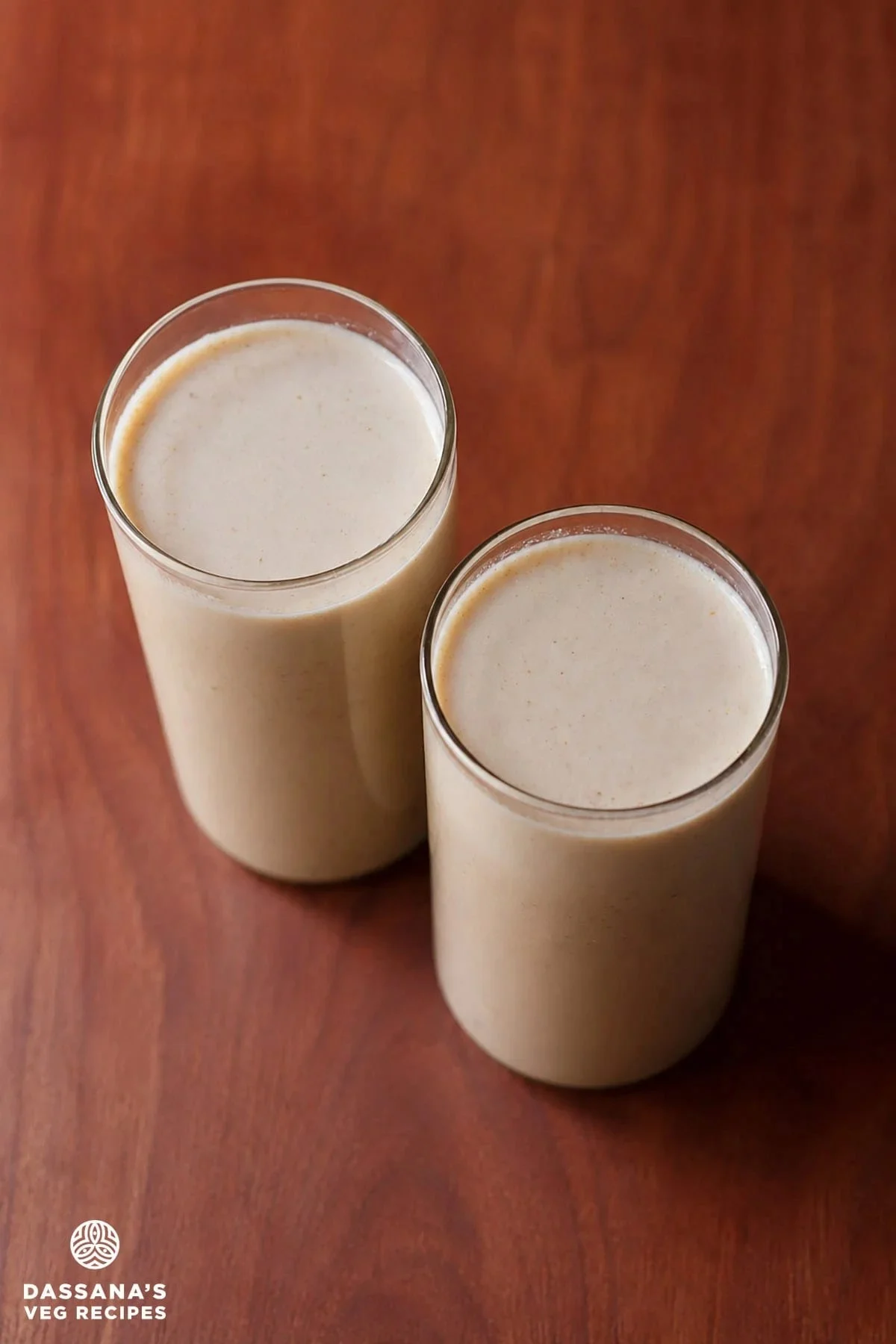
MUMBAI – In an era increasingly dominated by processed supplements and synthetic protein shakes, a traditional Indian beverage is reclaiming its position at the forefront of the functional food movement. The Kaju-Anjeer Milkshake, colloquially known as the "Kaju Shake," has transitioned from a staple of local juice centers to a globally recognized powerhouse of nutrition. Combining the creaminess of cashews (kaju) with the fibrous, natural sweetness of dried figs (anjeer), this beverage represents a sophisticated intersection of culinary heritage and modern dietary requirements.
As health-conscious consumers pivot away from refined sugars and artificial thickeners, the Kaju-Anjeer Milkshake offers a "clean-label" alternative that provides satiety, dense micronutrients, and a luxurious texture without the need for ice cream or additives.
Main Facts: The Composition of a Nutritional Powerhouse
At its core, the Kaju Shake is a high-calorie, nutrient-dense beverage designed for sustained energy release. Unlike standard milkshakes that rely on flavored syrups, the Kaju-Anjeer variant derives its flavor profile entirely from whole foods.

The Core Components
The beverage is defined by three primary ingredients:
- Cashews (Anacardium occidentale): These nuts serve as the structural base of the drink. When soaked and emulsified, cashews release natural oils and fats that create a heavy, cream-like body.
- Dried Figs (Ficus carica): Acting as both a sweetener and a textural agent, figs provide a complex flavor profile—honey-like sweetness punctuated by the slight crunch of their edible seeds.
- Bovine or Plant-Based Milk: The liquid medium provides the necessary hydration and additional protein, completing the drink’s profile as a meal replacement.
Market Presence
While traditionally found in "Milkshake Bars" across the Indian subcontinent—often served in heavy glass tumblers garnished with saffron—the drink is now appearing on the menus of high-end wellness retreats and urban health cafes. Its popularity is attributed to its "filling" nature, making it a preferred choice for those observing fasts, athletes looking for natural bulking agents, and parents seeking nutrient-dense snacks for children.
Chronology: The Standardized Technical Procedure
The preparation of a Kaju-Anjeer Milkshake is a precise culinary process that requires specific timing to ensure the optimal bioavailability of nutrients and the desired "velvety" mouthfeel.

Phase I: The Rehydration Protocol
The process begins with the selection of high-quality dry fruits. For a standard two-serving yield, 12 to 15 whole cashews and 10 to 12 dried figs are utilized. These ingredients undergo a rigorous rinsing process to remove surface impurities.
The critical step in the chronology is the hot water soak. The cashews and figs are submerged in near-boiling water for a duration of 30 to 45 minutes. This is not merely for softening; the rehydration process breaks down the complex fibers in the figs and initiates the softening of the cashew’s cellular structure. From a nutritional standpoint, soaking nuts can also help in reducing phytic acid, thereby enhancing mineral absorption.
Phase II: Primary Emulsification
Once the figs have achieved a "press-soft" consistency, the water is drained. The softened solids are transferred to a high-speed blender. A "starter" volume of chilled milk—typically half a cup—is added. This concentrated ratio is essential for creating a smooth "puree" base. Blending at this stage ensures that the figs are pulverized sufficiently to integrate their sweetness into the liquid, though some practitioners prefer a slightly coarse texture to retain the "chewy" characteristic of the fruit.

Phase III: Final Integration and Calibration
After the primary puree is established, the remaining two cups of chilled milk are integrated. This secondary blending phase aerates the mixture, contributing to a lighter, frothy top layer. During this stage, the "sweetness threshold" is assessed. Depending on the ripeness and variety of the figs used, additional sweeteners like raw sugar or jaggery powder may be introduced in small increments (1-2 teaspoons).
Phase IV: Service and Presentation
The final product is served immediately at a chilled temperature. In a professional setting, the presentation often includes a "functional garnish"—finely chopped cashews or sliced figs—which adds a visual cue to the ingredients and provides a textural contrast to the smooth liquid.
Supporting Data: A Nutritional Breakdown
The Kaju-Anjeer Milkshake is not merely a treat; it is a significant source of dietary requirements. According to nutritional analysis, a standard serving (approximately 300-350ml) provides a robust profile:

- Caloric Density: 348 kcal per serving, making it an ideal breakfast substitute.
- Macronutrients: A balanced distribution of 13g of protein, 14g of fat (primarily healthy monounsaturated and polyunsaturated fats), and 47g of carbohydrates.
- Bone Health: A single serving provides 444mg of Calcium, nearly 45% of the recommended daily intake for an average adult.
- Electrolytes and Minerals: With 790mg of Potassium and 90mg of Magnesium, the drink serves as an excellent post-workout recovery aid, helping to prevent muscle cramps and regulate blood pressure.
- Fiber Content: 4g of dietary fiber, primarily from the figs, aids in digestive health and helps prevent the "sugar spike" often associated with blended fruit drinks.
The data further highlights significant traces of Vitamin A (498 IU), Vitamin B12 (2µg), and Phosphorus (388mg), reinforcing the beverage’s status as a "multivitamin in a glass."
Official Responses: Expert Perspectives on the "Dry Fruit Trend"
Culinary experts and dietitians have weighed in on why the Kaju Shake is seeing a resurgence in the professional sphere.
Dr. Ananya Sharma, Senior Nutritionist at the Institute of Dietary Sciences, notes:
"The beauty of the Kaju-Anjeer Milkshake lies in its ‘whole food’ synergy. The fats in the cashews are essential for the absorption of the fat-soluble vitamins found in the milk and figs. Unlike commercial shakes that use carrageenan or xanthan gum for thickness, this recipe uses the natural starch and fats of the nut. It is a gold standard for clean bulking."

Executive Chef Vikram Sethi of the Heritage Culinary Group adds:
"We are seeing a massive shift toward what I call ‘Ancestral Beverages.’ Customers in the luxury segment are asking for drinks that have a story and a functional purpose. The Kaju Shake is perfect because it’s customizable. We can make it vegan using almond milk, or keto-friendly by adjusting the fig-to-nut ratio. It is a versatile tool in a modern chef’s repertoire."
Industry analysts also point out that the drink’s popularity is part of a broader trend where traditional Indian "superfoods" (like turmeric, moringa, and now dry fruits) are being repackaged for a global audience that values transparency in ingredients.
Implications: The Future of Traditional Beverages
The continued rise of the Kaju-Anjeer Milkshake has several implications for the beverage industry and public health.

1. Displacement of Synthetic Meal Replacements
As consumers become more wary of "ultra-processed foods" (UPFs), drinks like the Kaju Shake provide a template for natural meal replacements. The ability to achieve high protein and calorie counts through nuts and fruits threatens the market share of synthetic protein powders that often contain artificial sweeteners and emulsifiers.
2. Economic Impact on Dry Fruit Agriculture
The surge in demand for cashews and figs—traditionally expensive commodities—has significant implications for the agricultural supply chain. India, as a major producer of cashews, stands to benefit from the domestic and international "milkshake economy," provided that sustainable farming practices are maintained to meet the growing demand.
3. Dietary Inclusion and Customization
The Kaju Shake recipe acts as a foundational "mother recipe." Its adaptability—allowing for the substitution of dairy with oat or soy milk—makes it accessible to the growing vegan and lactose-intolerant populations. Furthermore, its reliance on natural sugars from figs aligns with global health initiatives aimed at reducing the consumption of refined white sugar.

4. Cultural Preservation in the Modern Kitchen
Finally, the popularity of the Kaju Shake ensures that traditional culinary techniques—such as the soaking and grinding of nuts—are passed down to a generation that might otherwise rely on "ready-to-drink" (RTD) cardboard-carton beverages. It preserves the "slow food" ethos within the fast-paced environment of modern breakfast culture.
In conclusion, the Kaju-Anjeer Milkshake is much more than a simple beverage. It is a nutrient-dense, culturally rich, and scientifically sound liquid meal that bridges the gap between ancient dietary wisdom and contemporary health needs. As it moves from the streets of Mumbai to the global stage, it serves as a reminder that sometimes, the most sophisticated nutritional solutions are those that have been in our kitchens for centuries.
