

By Journalistic Staff
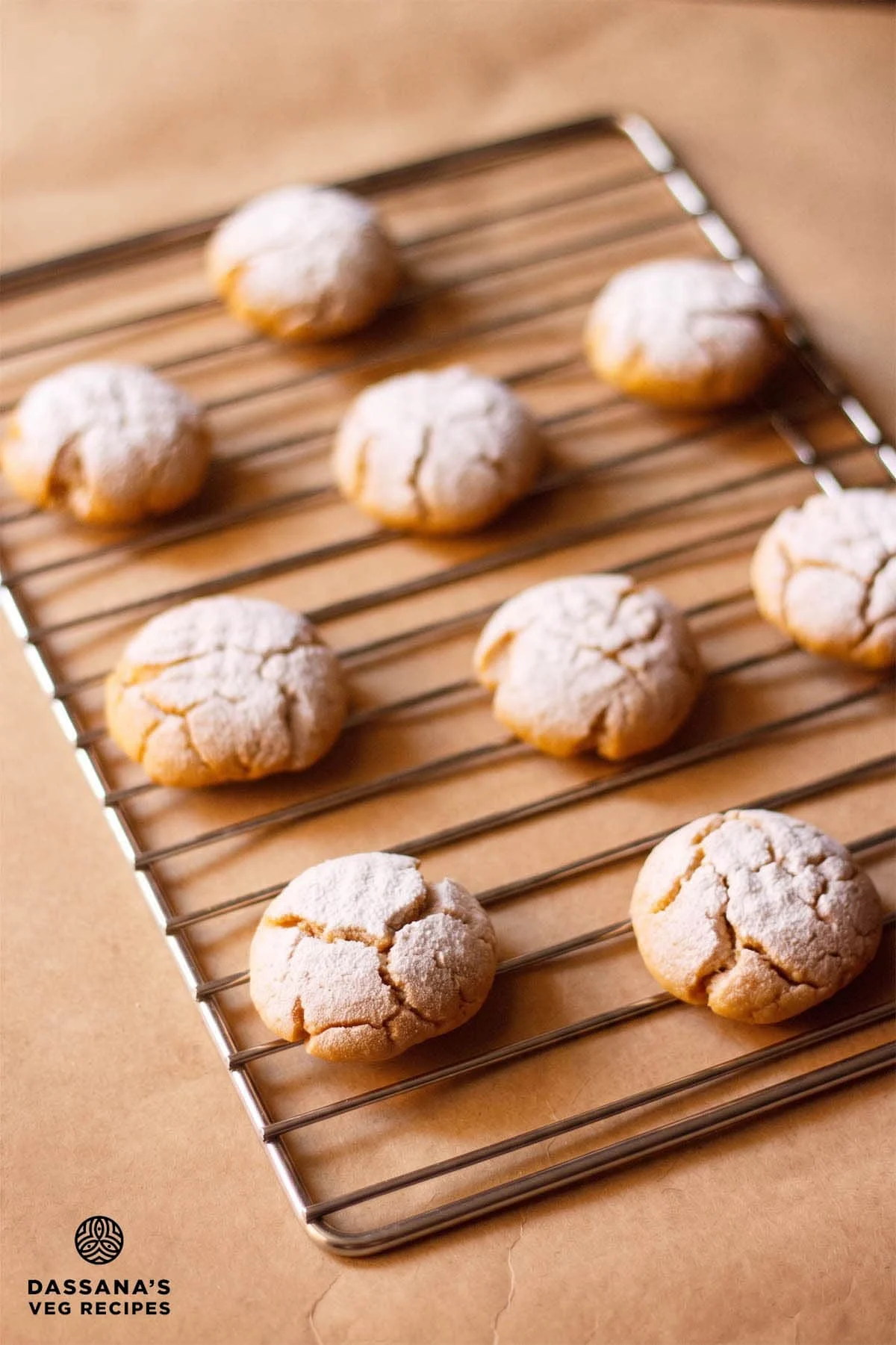
The global culinary landscape is currently witnessing a significant shift toward "conscious indulgence," a movement where traditional comfort foods are reimagined through the lens of nutrition and dietary inclusivity. At the forefront of this evolution is a specialized iteration of the classic citrus cookie: the Whole Wheat and Gram Flour Orange Biscuit. This particular preparation, popularized by culinary experts such as Dassana of Veg Recipes of India, represents a departure from the high-fat, refined-sugar standards of traditional confectionery. By blending indigenous Indian ingredients like besan (gram flour) with whole wheat and fresh citrus, this recipe challenges the conventional boundaries between "biscuits" and "cookies," offering a moist, aromatic, and vegan-friendly alternative to the modern consumer.

Main Facts: A New Profile for the Citrus Cookie
The "Orange Biscuit," as it is colloquially known in the Indian subcontinent, serves as a bridge between the crisp, shelf-stable biscuits found in local bakeries and the soft, chewy cookies popularized by Western patisseries. The core innovation of this recipe lies in its ingredient composition and its rejection of animal-derived fats and proteins.
Unlike standard sugar cookies that rely on butter for aeration and "shortness," these orange cookies utilize sunflower oil. This choice is not merely a dietary one; the use of liquid fats results in a higher degree of moisture retention, yielding a texture that is soft rather than crumbly. Furthermore, the inclusion of whole wheat flour (atta) and gram flour (besan) introduces a complex nutritional profile and a nutty undertone that balances the natural acidity of the orange juice.

Key features of this culinary development include:
- Eggless and Vegan Architecture: The recipe is designed to be accessible to those following strict plant-based diets, utilizing the chemical reaction between citrus acid and leavening agents to provide lift.
- Whole-Grain Base: By substituting refined flour (maida) with whole wheat and chickpea flour, the cookies offer a lower glycemic index and higher fiber content.
- Fresh Citrus Integration: The use of both zest and juice ensures a multi-dimensional flavor profile, utilizing the essential oils in the peel for aroma and the juice for natural sweetness and moisture.
Technical Chronology: The Methodology of Citrus Infusion
The creation of the Orange Biscuit is a precise exercise in emulsification and moisture management. The process, as documented by leading home-baking practitioners, follows a strict chronological order to ensure the integrity of the dough.

Phase I: Extraction and Zesting
The process begins with the preparation of the primary flavoring agent: the orange. Experts emphasize the importance of using fresh, seasonal oranges to maximize the aromatic potential. The zest is harvested first, using a fine grater to capture the flavedo (the orange outer layer) while avoiding the bitter white pith. Following zesting, the fruit is processed—either via a blender or a manual juicer—and strained to remove pulp and seeds. This yields the approximately 1/3 cup of juice necessary for the chemical balance of the dough.
Phase II: The Emulsification of Wet Ingredients
In a departure from the "creaming method" used in butter-based cookies, this recipe employs a direct whisking method. Sunflower oil, sugar, and fresh orange juice are combined in a mixing bowl. The objective here is to dissolve the sugar completely within the oil-juice emulsion, creating a uniform liquid base that will eventually hydrate the dry fibers of the whole wheat flour.

Phase III: Structural Integration
The dry ingredients—whole wheat flour, baking powder, and baking soda—are sifted directly into the wet mixture. This sifting process is crucial for preventing clumps and ensuring that the leavening agents are evenly distributed. The reserved orange zest is added at this stage, followed by the gram flour. The dough is brought together gently; culinary experts warn against over-kneading, which would develop the gluten in the wheat flour and result in a tough, bread-like texture rather than a soft cookie.
Phase IV: Thermal Transformation
The oven is preheated to 200 degrees Celsius (392 degrees Fahrenheit), a relatively high temperature for cookies, which encourages a rapid rise and the formation of the signature "crinkle" top. The dough is divided into 12 to 14 portions, rolled, and slightly flattened. During the 20-to-25-minute baking duration, the heat causes the baking soda to react with the citric acid in the juice, releasing carbon dioxide and creating the aerated, soft interior.

Supporting Data: Nutritional and Chemical Analysis
To understand the impact of this recipe on the health-conscious market, one must look at the quantitative data provided by nutritional analysis. A single serving of these orange biscuits (approximately 1/13th of a standard batch) provides a balanced macronutrient profile that distinguishes it from commercial "empty calorie" snacks.
Nutritional Breakdown per Serving:

- Calories: 177 kcal
- Carbohydrates: 22g (with 2g of Fiber)
- Protein: 3g
- Total Fat: 9g (Saturated Fat: only 1g)
- Sugar: 9g
- Micronutrients: Significant traces of Vitamin C (5mg), Calcium (18mg), and Potassium (125mg).
The data highlights the benefits of using sunflower oil, which contributes 7g of monounsaturated fats per serving, known for being heart-healthy compared to the saturated fats found in butter or palm oil. Furthermore, the use of gram flour (besan) adds a significant amount of Folate (29µg) and Magnesium (28mg), minerals often lacking in refined-flour snacks.
From a chemical perspective, the recipe’s success hinges on the pH balance. The acidity of the fresh orange juice (pH approx. 3.3 to 4.2) is the catalyst for the baking soda (sodium bicarbonate). This reaction is what allows for an eggless rise, providing the structural "lift" that would otherwise be missing in a vegan, whole-grain dough.

Official Responses and Expert Culinary Insights
Dassana, the creator of the recipe and a prominent figure in Indian vegetarian cooking, notes that the choice of ingredients is deeply rooted in both tradition and modern dietary needs. "These cookies are soft and sweet… made with simple ingredients that are easily available," she states in her recipe documentation. She emphasizes that the "orange biscuits" are a reflection of the Indian "bakery-style" culture but with a "softer texture" that appeals to a broader demographic.
Culinary consultants suggest that the use of gram flour is a masterstroke in flavor engineering. "Gram flour provides a subtle nuttiness that mimics the complexity of browned butter," says one independent food scientist. "When combined with the volatile oils of the orange zest, it creates a sensory experience that is both familiar and novel."

Furthermore, professional bakers point out that the recipe’s "crinkle" appearance—naturally occurring cracks on the surface—is a sign of a perfectly balanced moisture-to-flour ratio. This aesthetic feature, often enhanced by a light dusting of icing sugar, has made the recipe a favorite for "beginner bakers" due to its visual appeal and the lack of a need for specialized equipment like stand mixers or chilling racks.
Implications: The Future of Home Baking and Snack Trends
The emergence and popularity of the Whole Wheat Orange Biscuit have several long-term implications for the food industry and home-baking trends.

- The "Healthification" of Traditional Snacks: As consumers become more aware of the risks associated with refined flour and trans fats, recipes that utilize atta (whole wheat) and besan are moving from niche health food stores into the mainstream kitchen. This represents a "de-industrialization" of the snack aisle, where consumers prefer to bake at home using transparent, whole ingredients.
- Sustainability and Seasonality: The emphasis on using fresh, seasonal oranges encourages a more sustainable approach to baking. By utilizing the whole fruit (juice and zest), the recipe promotes a "zero-waste" philosophy in the kitchen.
- Veganism as a Standard, Not an Exception: The fact that this recipe is "accidentally" vegan—relying on oil and citrus for its properties rather than expensive egg substitutes—indicates that vegan baking is becoming more streamlined and less reliant on processed alternatives.
- Cultural Fusion: The Orange Biscuit is a prime example of culinary fusion, combining the Indian preference for tea-time "biscuits" with the global trend for soft, citrus-forward cookies. This cross-pollination of textures and flavors is expected to continue as global recipe-sharing platforms grow.
In conclusion, the Whole Wheat and Gram Flour Orange Cookie is more than just a simple snack; it is a technical achievement in vegan baking that prioritizes nutritional density without sacrificing the sensory pleasure of a sweet treat. As the world moves toward a more health-conscious future, the "Orange Biscuit" stands as a testament to the power of simple, whole ingredients handled with culinary precision.
