

By Avery Sterling, Culinary Correspondent
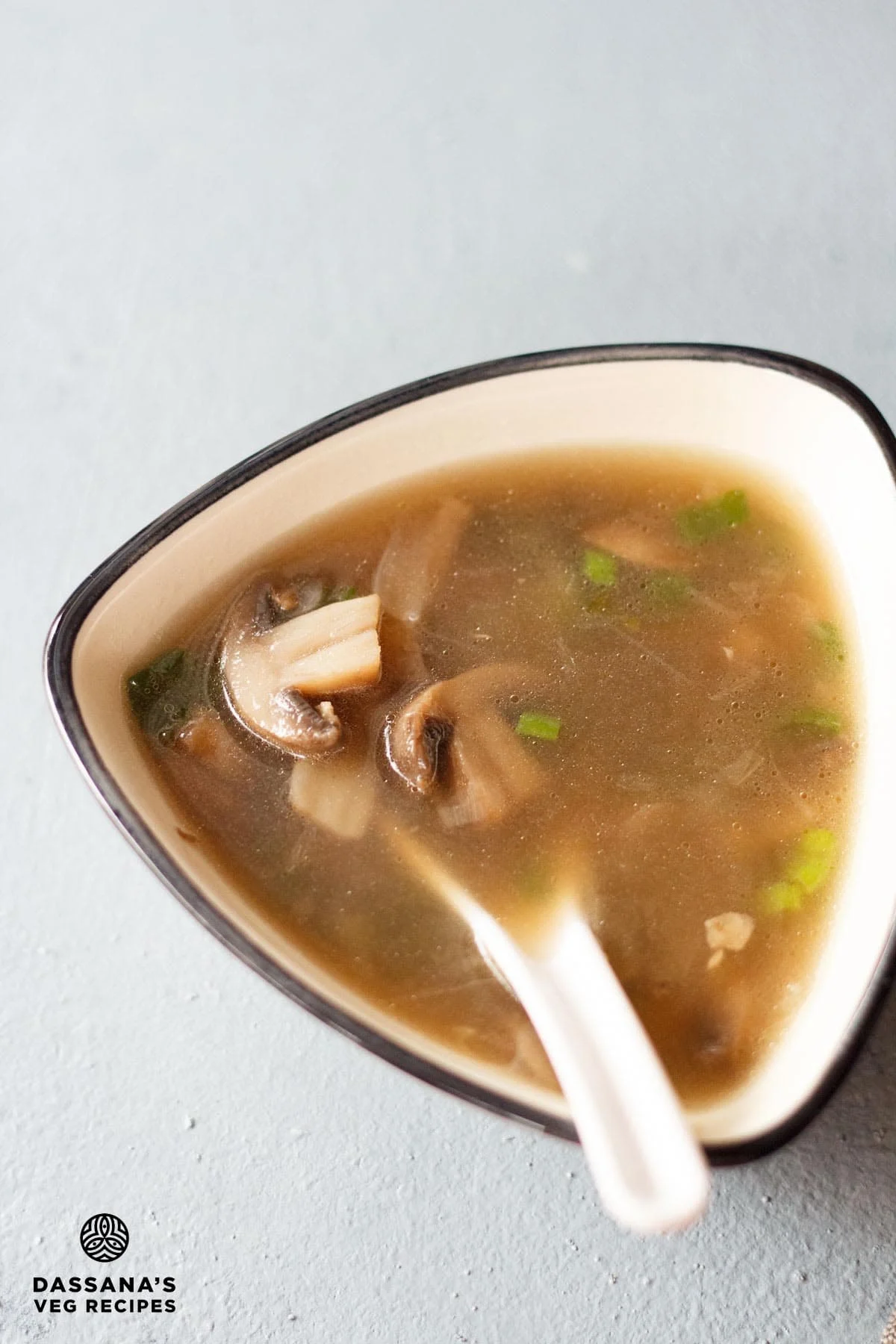
In an era defined by complex molecular gastronomy and high-calorie "comfort foods," a surprising trend is emerging from home kitchens across the globe: the return to the clear broth. At the forefront of this movement is a minimalist Chinese Mushroom Soup, a recipe that has captured the attention of health-conscious diners and busy professionals alike. Combining ancient aromatic foundations with modern dietary requirements—namely vegan and gluten-free adaptability—this dish represents a shift toward what experts are calling "functional comfort."

The recipe, which features a base of fresh mushrooms, spring onions, ginger, and garlic, is more than just a meal; it is a testament to the power of umami-driven simplicity. Requiring only 30 minutes from prep to table, it has become a staple for those seeking a restorative experience without the heaviness of traditional cream-based soups.
Chronology: From Prep to Palate
The construction of this Chinese Mushroom Soup follows a precise, albeit accessible, methodology. Understanding the timeline of its creation is essential to mastering its delicate balance of flavors.

Phase 1: The Aromatic Foundation (Minutes 1–5)
The process begins with the preparation of the "holy trinity" of Chinese aromatics: garlic, ginger, and spring onions. Unlike Western stocks that often rely on a mirepoix of onion, carrot, and celery, this soup leans heavily on the sharp, medicinal notes of ginger and the pungent depth of garlic. The whites of the spring onions are separated from the greens, a crucial step that ensures the pungent bulbs provide flavor during the simmer, while the delicate greens remain fresh for the final garnish.
Phase 2: The Sauté and Extraction (Minutes 5–10)
A mere half-tablespoon of sesame oil is heated over a medium flame. The choice of oil is deliberate; toasted sesame oil provides a nutty, smoky undertone that water-based broths often lack. The ginger and garlic are sautéed just until fragrant—a window of approximately 30 seconds—before the spring onion whites and celery are introduced.

The addition of celery at this stage is a strategic flavor bridge. While not strictly traditional in all regional Chinese clear soups, its inclusion provides a subtle, salty freshness that complements the earthy profile of the mushrooms.
Phase 3: The Mushroom Integration (Minutes 10–12)
The mushrooms—ideally a mix of white button, cremini, or shiitake—are added to the pan. For two minutes, they are tossed with the aromatics. This brief sauté is vital for the Maillard reaction, allowing the mushrooms to release their initial moisture and develop a concentrated umami profile before the liquid is introduced.

Phase 4: The Simmer and Seasoning (Minutes 12–27)
Three cups of water (or vegetable stock for a richer profile) are added. The soup is brought to a simmer. It is during this 15-minute window that the "magic" of the clear broth occurs. Unlike thick stews, this soup remains uncovered for the initial few minutes to allow for clarity, then covered to trap the volatile oils of the ginger and pepper.
Midway through the simmer, the "soul" of the dish is added: naturally fermented soy sauce and crushed black pepper. The soy sauce provides the necessary sodium and amino acids, while the black pepper offers a slow, creeping heat that differentiates this from a standard vegetable broth.

Phase 5: The Finishing Touches (Minutes 28–30)
As the mushrooms reach a tender consistency, the heat is extinguished. The final act involves stirring in five tablespoons of chopped spring onion greens and an optional splash of rice vinegar. This "acid hit" brightens the earthy broth, creating a multi-dimensional flavor profile that belies the recipe’s short cooking time.
Supporting Data: The Nutritional Profile of a Superfood
While the flavor profile of the Chinese Mushroom Soup is the primary draw for foodies, its nutritional data explains its popularity within the wellness community. According to the recipe’s standardized nutritional analysis, a single serving contains a mere 69 calories, making it an ideal choice for volume eating or as a light starter.

Macronutrient Breakdown (Per Serving):
- Calories: 69 kcal
- Protein: 4g
- Total Fat: 4g (with only 1g of Saturated Fat)
- Carbohydrates: 7g
- Fiber: 2g
Micronutrient Density:
The soup is an unexpected powerhouse of vitamins and minerals. The inclusion of mushrooms and celery provides:
- Potassium: 437 mg (Essential for heart health and fluid balance).
- Vitamin K: 60 µg (Crucial for bone health and blood clotting).
- Vitamin A: 299 IU.
- Niacin (B3): 4 mg.
Furthermore, the recipe is naturally low in sugar (3g) and provides a significant amount of Vitamin C (8mg) and Iron (1mg), largely derived from the fresh aromatics and greens. For those monitoring their glycemic index or following a ketogenic-adjacent diet, this soup offers a satisfying mouthfeel without the insulin spike associated with starch-thickened soups.

Official Responses: Culinary and Health Perspectives
The simplicity of the dish has drawn praise from various sectors of the culinary and health industries.
Chef Lin-Wei Zhao, a consultant for East Asian fusion restaurants, notes: "The beauty of this soup lies in its transparency. In professional kitchens, we often judge a chef by their broth. This recipe democratizes that skill. By using water instead of store-bought stock, it forces the cook to extract flavor directly from the mushrooms and ginger. It’s an honest dish."

Registered Dietitian Sarah Jenkins highlights the digestive benefits: "We often see patients struggling with heavy, processed ‘healthy’ meals. This Chinese Mushroom Soup is what I call a ‘digestive rest’ meal. The ginger acts as a natural prokinetic, aiding digestion, while the broth provides hydration. The fact that it is naturally vegan and can be made gluten-free with tamari makes it an inclusive option for almost any dietary restriction."
Sustainability Advocate Marcus Thorne adds a different perspective: "As we move toward more plant-based diets to combat climate change, recipes like this are essential. They prove that you don’t need meat-based dashi or bone broths to achieve a deep, satisfying umami. Mushrooms are the ‘meat’ of the vegetable world, and this soup showcases them perfectly."

Implications: The Future of Home Cooking
The popularity of this 30-minute Chinese Mushroom Soup suggests several broader implications for the future of the food industry and domestic life.
1. The Death of the "Complexity Myth"
For decades, home cooks were led to believe that "authentic" Asian flavors required hours of simmering or hard-to-find ingredients. This recipe debunks that myth, utilizing pantry staples like soy sauce and black pepper to achieve a high-end restaurant result. This shift is likely to encourage more home cooking, reducing reliance on sodium-heavy takeout.

2. Seasonality and Mental Well-being
The recipe notes that the soup is particularly favored during the monsoon and cold seasons. There is a psychological component to "broth culture." The warmth of the ginger and the steam from the bowl provide a sensory experience that aids in stress reduction. As "comfort" becomes synonymous with "health," we can expect to see more variations of these light, brothy soups entering the mainstream.
3. The Versatility Factor
Perhaps the most significant implication is the soup’s role as a "base" for customization. While the recipe stands alone as a 69-calorie appetizer, it is designed for scalability. By adding jasmine rice, boiled noodles, or tofu, the consumer can transform a light starter into a calorie-dense, recovery meal. This modular approach to cooking fits the "customization" trend currently dominating the food-tech and meal-kit industries.

4. Economic Accessibility
With the rising cost of groceries, particularly animal proteins, the Mushroom Soup offers an economically viable alternative. Mushrooms, garlic, and ginger remain relatively affordable and have a decent shelf life, making this a "recession-proof" recipe for families looking to maintain health on a budget.
Conclusion
The Chinese Mushroom Soup is more than a fleeting internet trend; it is a return to culinary fundamentals. By prioritizing aromatics over fats and clarity over thickness, it offers a blueprint for modern eating. Whether served as a quiet solo dinner on a rainy evening or as the opening act of an elaborate fried rice feast, this soup proves that in the world of gastronomy, sometimes the most profound flavors are the ones you can see right through.

As the 30-minute timer dings in kitchens from Mumbai to New York, the message is clear: the era of the heavy, complicated meal is giving way to the age of the clear, comforting broth. And for the millions seeking a balance between a busy life and a healthy body, that is a very welcome change indeed.
