

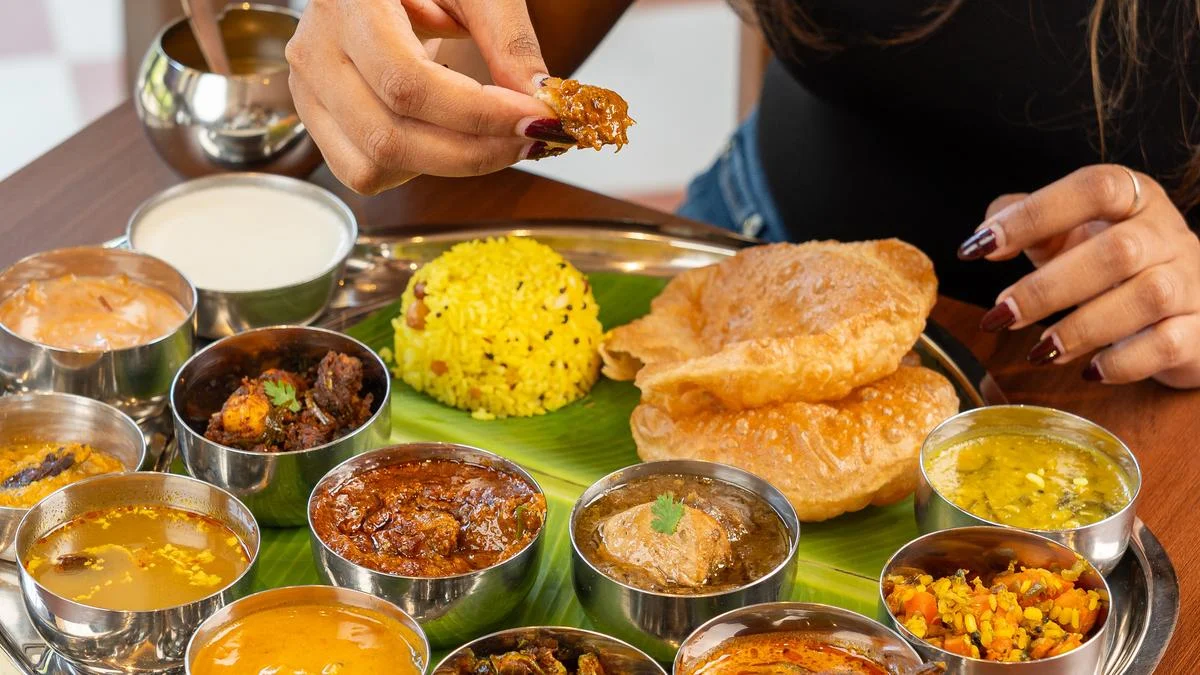
HYDERABAD — For decades, the culinary identity of Hyderabad was encapsulated in a single, steaming pot of Dum Biryani. To the world, and often to its own residents, the city’s gastronomic contribution began and ended with the fragrant marriage of long-grain Basmati and slow-cooked meat. However, a quiet but potent revolution is simmering in the kitchens of the Deccan. The "Biryani-obsessed" crowd is widening its palate, making room for a sophisticated, diverse, and deeply regional Telugu table that spans from the spicy hinterlands of Rayalaseema to the fertile deltas of the Godavari.
The shift is palpable. The conversation has moved from "less, medium, or full masala" biryani to the nuanced heat of totakura liver fry, the tangy comfort of nimmakayya guddu bonda, and the archival depth of chepala pulusu. Hyderabad is witnessing a homecoming of sorts—a return to roots that celebrates the micro-cuisines of the Telugu-speaking heartland.
Main Facts: The De-standardization of the Hyderabadi Menu
The current culinary landscape in Hyderabad is marked by a move away from "multicuisine" mediocrity toward "hyperlocal" excellence. While the city’s love for Mandi (the Yemeni-inspired communal rice dish) remains, it is no longer the only alternative to Biryani. Instead, a new wave of restaurateurs, chefs, and home-grown culinary archivists are foregrounding the "Telugu Table."
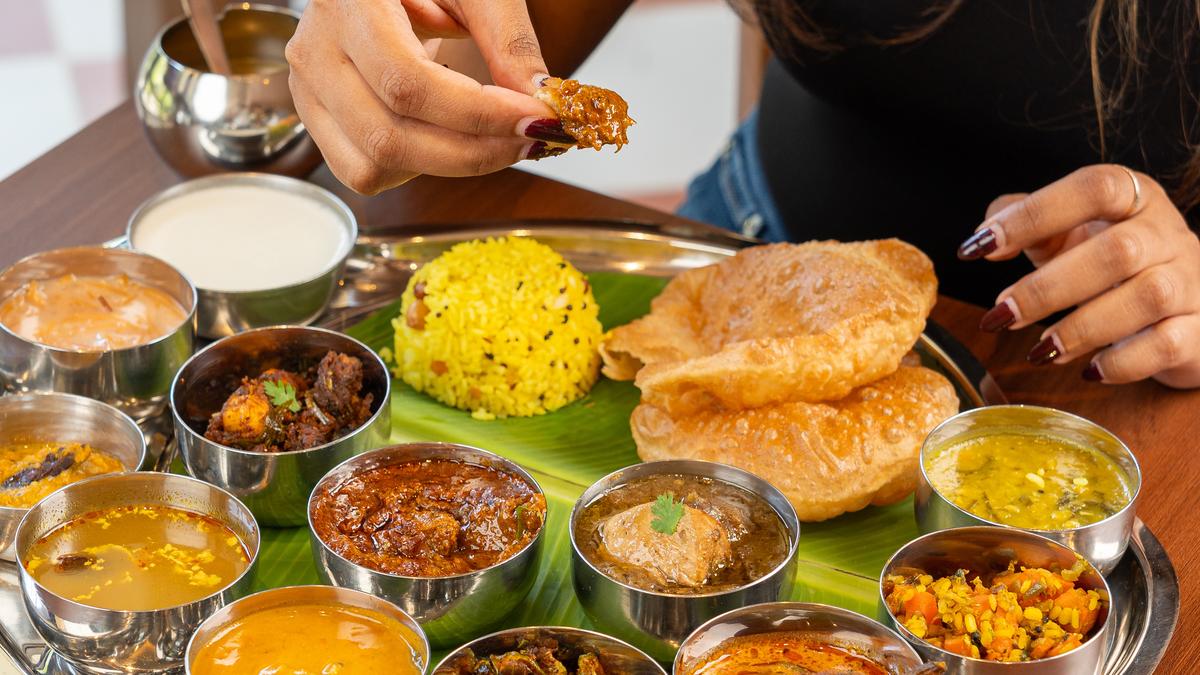
This movement is defined by three primary pillars:
- The Rise of Regional Specialization: Restaurants are no longer attempting to serve everything. Instead, they are focusing on specific regional identities—Telangana, Andhra, and Rayalaseema—each with its own distinct spice profiles and techniques.
- The Elevation of "Home Food": Staples like muddapappu avakaya annam (lentils with mango pickle and rice) and gongura pappu (roselle leaf dal), once confined to domestic kitchens, are now being served in fine-dining settings with artisanal presentation.
- A Shift in Grains: While Basmati remains a luxury staple, there is a renewed interest in short-grain indigenous rice varieties and millets, particularly in the context of traditional pulaos and Telangana-style shorbas.
Chronology: From 1985 to the Modern "Neo-Telangana" Era
The roots of this movement can be traced back to the mid-1980s, though its current acceleration is a post-pandemic phenomenon.
In 1985, Venugopal Reddy founded Hotel Indu Deluxe, a brand that stood as a sentinel for authentic Telugu flavors during the height of the Biryani boom. For nearly forty years, the brand remained a localized secret for those seeking the "real deal."
By the early 2000s, the city’s dining scene was dominated by large-scale thali restaurants. While these provided a variety of dishes, the experience was often rushed—a "functional lunch" rather than a culinary exploration.
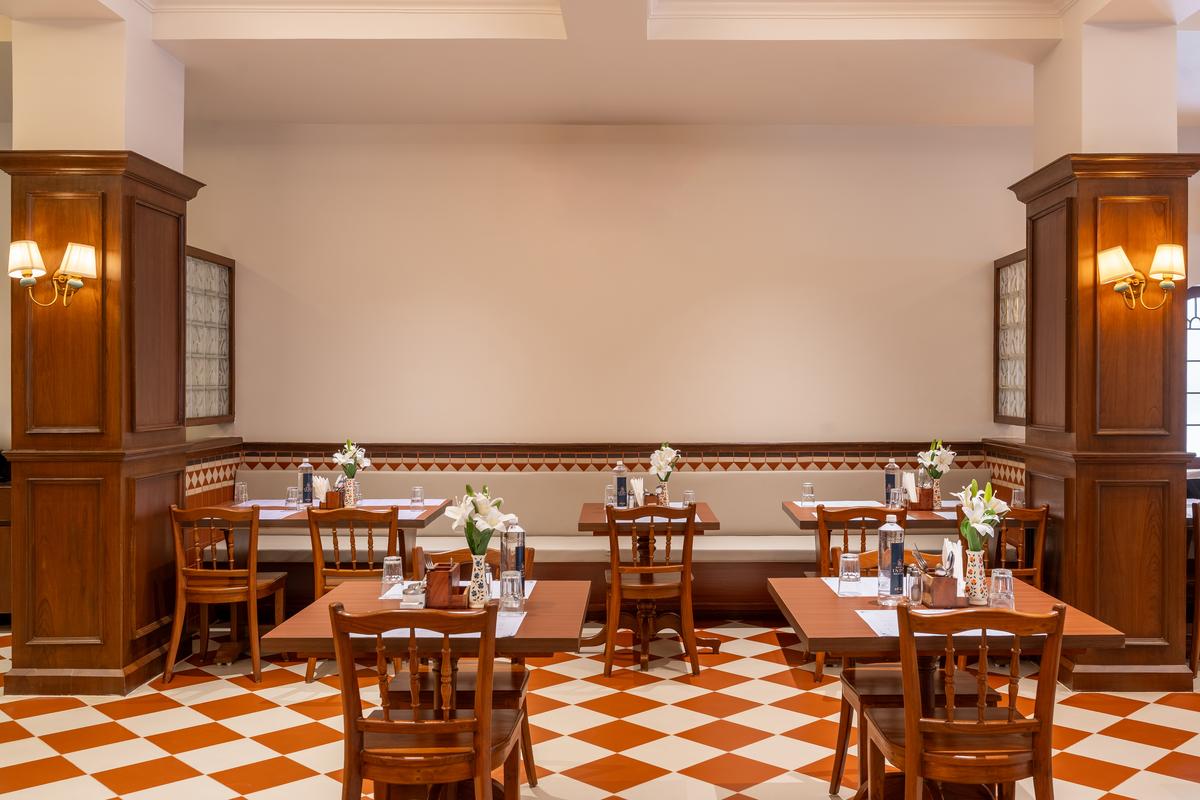
The 2010s saw the rise of the "Mandi" culture, introducing a communal aspect to dining, but it still leaned heavily on the rice-and-meat template.
However, around 2023-2024, a significant pivot occurred. The opening of specialized outlets like Telugu Medium Kitchen & Bar, Theta Theta Telugu, and Terrai – Neo Telangana Kitchen & Bar signaled that the market was ready for "elevated" regionality. These establishments didn’t just serve food; they curated experiences, serving rasam as an amuse-bouche and highlighting ancestral techniques like the golichina (slow-frying) method of cooking meat.
Supporting Data: Mapping the Micro-Cuisines
To understand the breadth of this change, one must look at the diverse geographies now represented on the Hyderabadi plate.
- Telangana (The Heartland): Characterized by its use of millets (jowar and bajra), peanuts, and sesame seeds. Signature dishes like Karimnagar wings and golichina mamsam (spiced fried mutton) reflect a rugged, earthier palate shaped by the Deccan terrain.
- Rayalaseema (The High Heat): Known for being among the spiciest in India, this region’s food uses a variety of chilies and ragi (finger millet). The natu kodi pulusu (country chicken curry) from this region is a test of endurance and flavor.
- Coastal Andhra (The Spice and the Sea): This region brings a reliance on seafood and the iconic chepala pulusu (tamarind-based fish curry). The use of coconut and local greens like gongura provides a sharp, tart contrast to the heat.
- Uttar Andhra (The Nuanced North): Often overlooked, this micro-cuisine is now gaining traction thanks to home chefs like Sowjanya Narsipuram. It uses pulses, beans, and mustard powder as a garnish, offering a milder, more textured experience with dishes like matki pappu and jeedi kobbari paala koora (cashew and coconut milk curry).
Official Responses: The Architects of the New Movement
Industry leaders suggest that this shift is driven by a desire for authenticity and a rejection of the "generic Indian" menu.

Rohit Reddy, manager of the iconic Hotel Indu Deluxe, explains the decision to expand into the upscale Banjara Hills after four decades. "Everyone is inquisitive about Telugu cuisine," Reddy says. "With over 40 years in this segment, our brand is a testimony to that. Our cuisine has so much to offer that we don’t need a multicuisine menu. Our cooks are from Bheemavaram, Warangal, and Rajahmundry. There is no need to borrow dishes from elsewhere."
The focus on "comfort" is echoed by Chef Vignesh Ramachandran of Coffee Sangam. By introducing items like punugulu and nimmakaya guddu bonda into a café setting, he is bridging the gap between street food nostalgia and modern hygiene standards. "As Indians, we return to familiar flavors for comfort. When you compare our regional cuisine with Western offerings, the variety and flavor give us an edge," he notes.
Restaurateur Sampath Tummala, the force behind Spicy Venue and Theta Theta Telugu, emphasizes the need for presentation. "Telugu food was long identified with the thali, but now it’s time for individual dishes to shine," Tummala says. He points to the service of chepala pulusu in bubbling stone pots and the focus on uniquely flavored pulaos as a way to celebrate short-grain rice—a departure from the ubiquitous Basmati.
Perhaps the most ambitious vision comes from Gopi Bylapula of Culinary Lounge, who views this as a matter of heritage preservation. "Showcasing regional food can drive cultural and culinary tourism," he asserts. Bylapula draws a parallel to UNESCO’s recognition of Italian cuisine in 2025, suggesting that Telugu cuisine—with its biocultural diversity and centuries-old techniques—merits similar global recognition.

Implications: Beyond the Plate
The rise of the "Telugu Table" in Hyderabad has broader implications for the city’s economy and cultural identity.
1. Cultural Tourism and Heritage Preservation:
As Hyderabad positions itself as a global tech hub, its culinary diversity becomes a key part of its "soft power." By archiving recipes from home chefs (like those of Uttar Andhra) and traditional cooks from rural districts, the city is preserving an "intangible heritage" that was at risk of being homogenized by commercial restaurant standards.
2. Economic Diversification for Local Producers:
The move toward regional specialties creates a direct demand for local ingredients. The resurgence of gongura, avakaya (mango pickle) varieties, and short-grain rice supports local agricultural ecosystems that were previously overshadowed by the massive demand for export-quality Basmati.
3. The "De-kebabbing" of the Appetizer Menu:
Consumer behavior is shifting. Ankita Choudhary, founder of the ad agency Concept Crate, notes that diners are increasingly choosing kodi vepudus (chicken fries) and regional roasts over the standard fare of kebabs. "It offers a textured alternative to the overkill of kebabs," she says. This shift forces chefs to innovate within the framework of traditional techniques rather than relying on standard tandoori recipes.
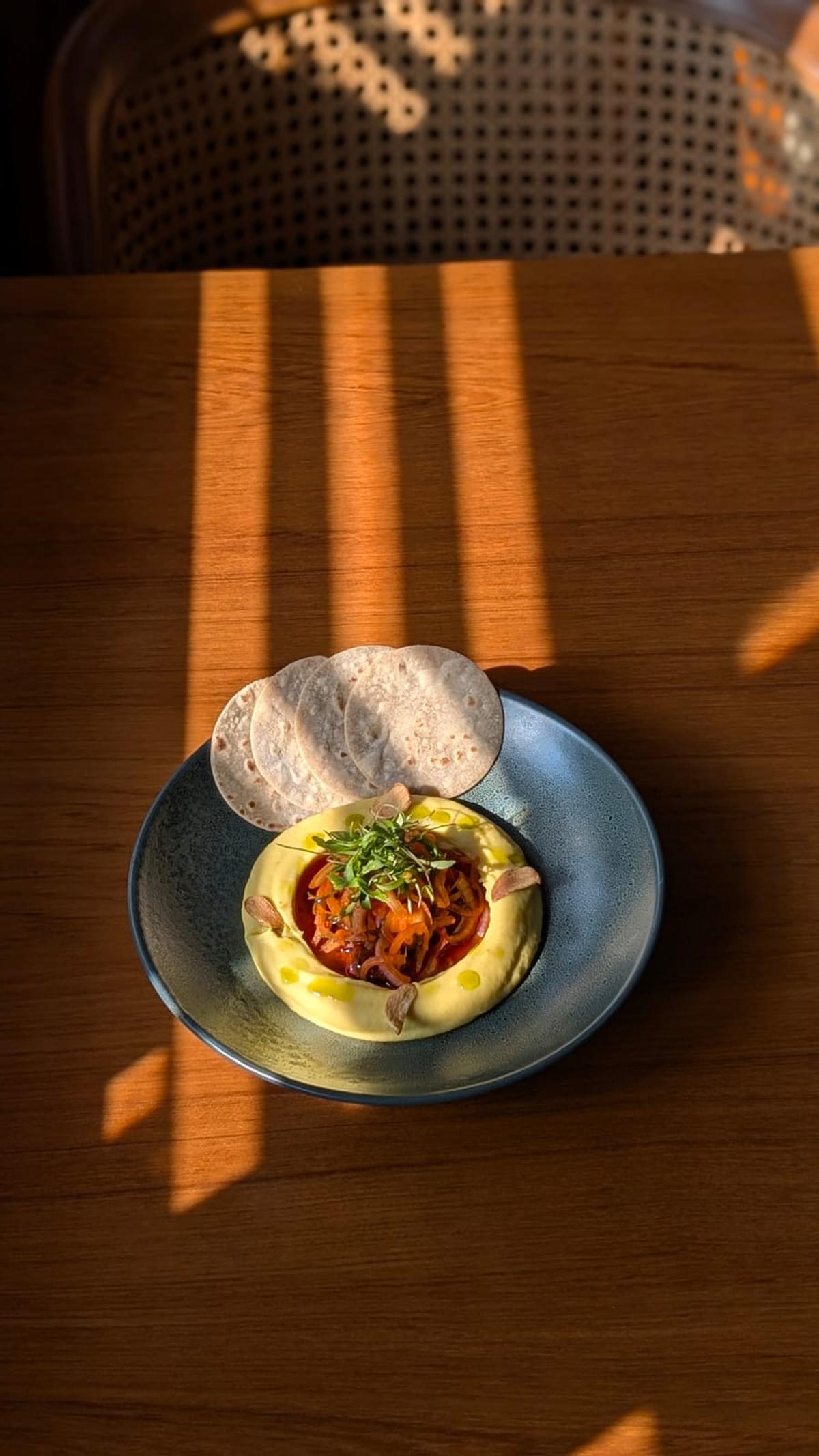
4. A New Standard for Indian Fine Dining:
For years, Indian fine dining was synonymous with North Indian "Mughlai" cuisine—cream-heavy gravies and butter chicken. Hyderabad’s current trajectory offers a new template: one where heat, tartness, and texture take precedence over heavy fats. The "Neo-Telangana" approach at places like Terrai, which foregrounds millets and robust shorbas, proves that "rustic" can be "refined."
Conclusion
Hyderabad’s food scene is no longer a monolith. While the Biryani will always be the city’s first love, the "Telugu Table" has finally found its rightful place in the spotlight. This evolution is more than just a change in menu; it is a celebration of the Deccan’s history, its community, and its incredible biodiversity. As the city moves toward 2025 and beyond, the aroma of muddapappu avakaya and the sizzle of seena roast are becoming just as synonymous with Hyderabad as the fragrance of its legendary Dum Biryani. The table has widened, and the world is finally being invited to taste the true depth of the Telugu heartland.
