

The moment a traveler steps onto the sun-drenched archipelago of Zanzibar, situated just off the coast of mainland Tanzania, they are enveloped by a culture that feels both strikingly exotic and comfortingly familiar. In the narrow, winding alleys of Stone Town, the air is thick with the scent of cloves, cinnamon, and roasting meat. Greetings of "Karibu" (welcome) and the ubiquitous "Hakuna Matata" (no troubles) are often followed by a surprising inquiry: "Kaise ho aap?" (How are you?).
For the Indian traveler, this isn’t just hospitality; it is a linguistic and cultural echo of a relationship that has spanned centuries. As one moves from the white-sand beaches of Paje to the bustling markets of Darajani, it becomes clear that the Indian influence on Zanzibar is not a mere footnote in history—it is the very seasoning of the island’s soul.
Main Facts: A Culinary Mirror Across the Indian Ocean
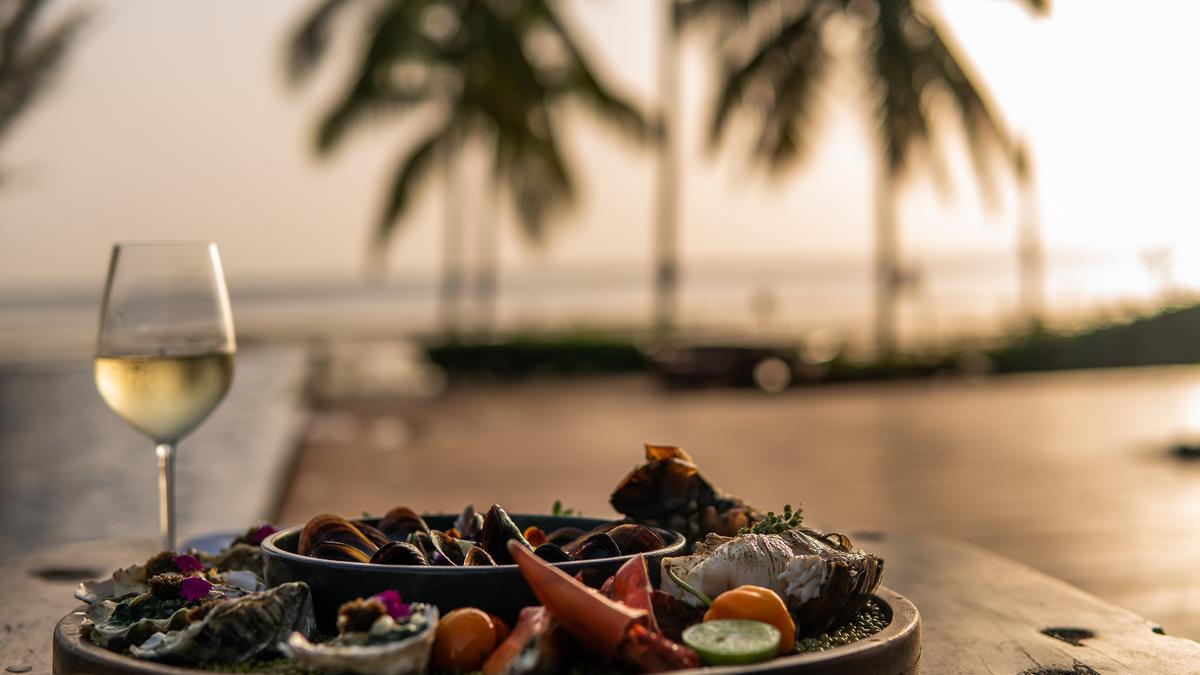
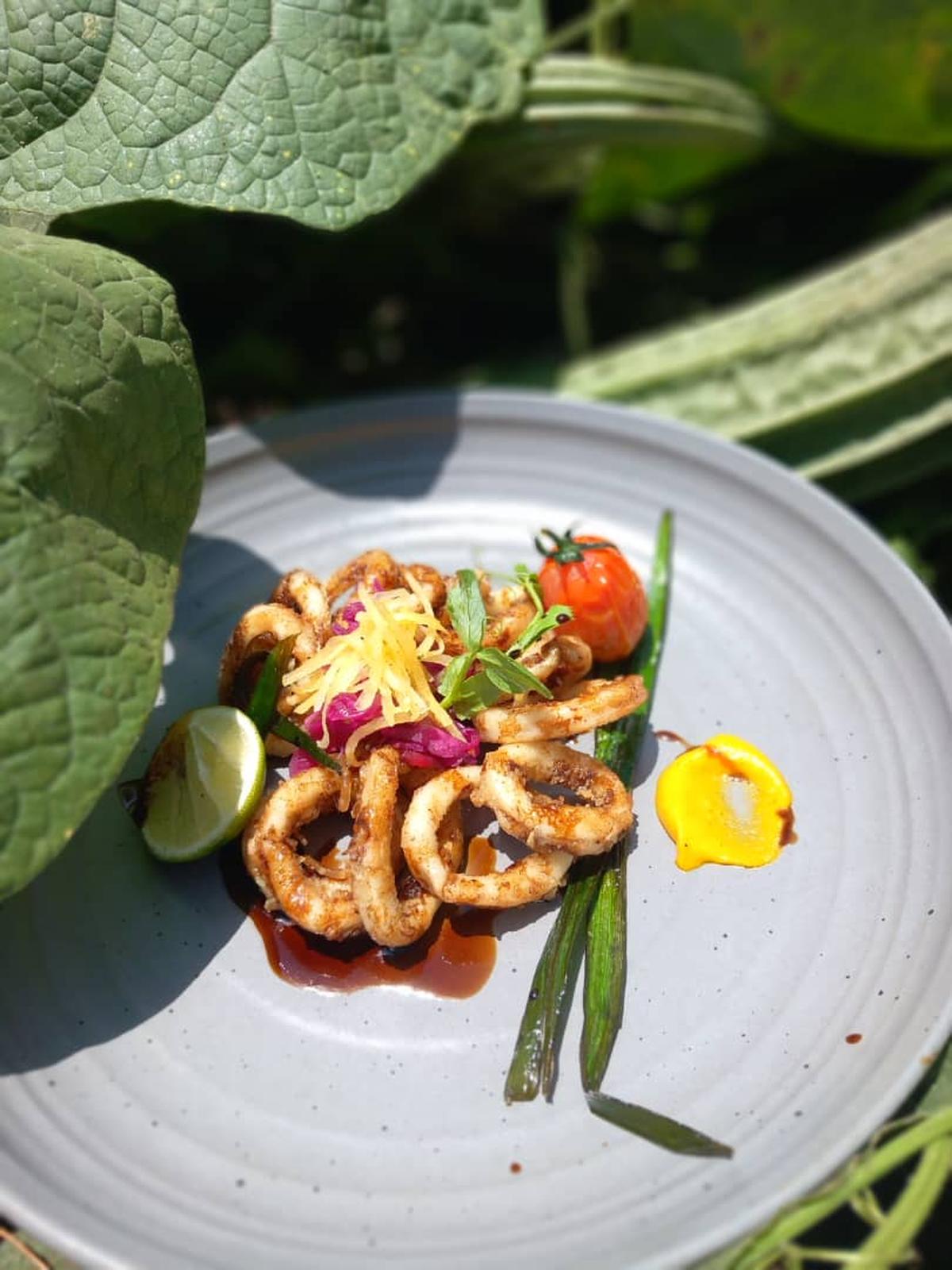
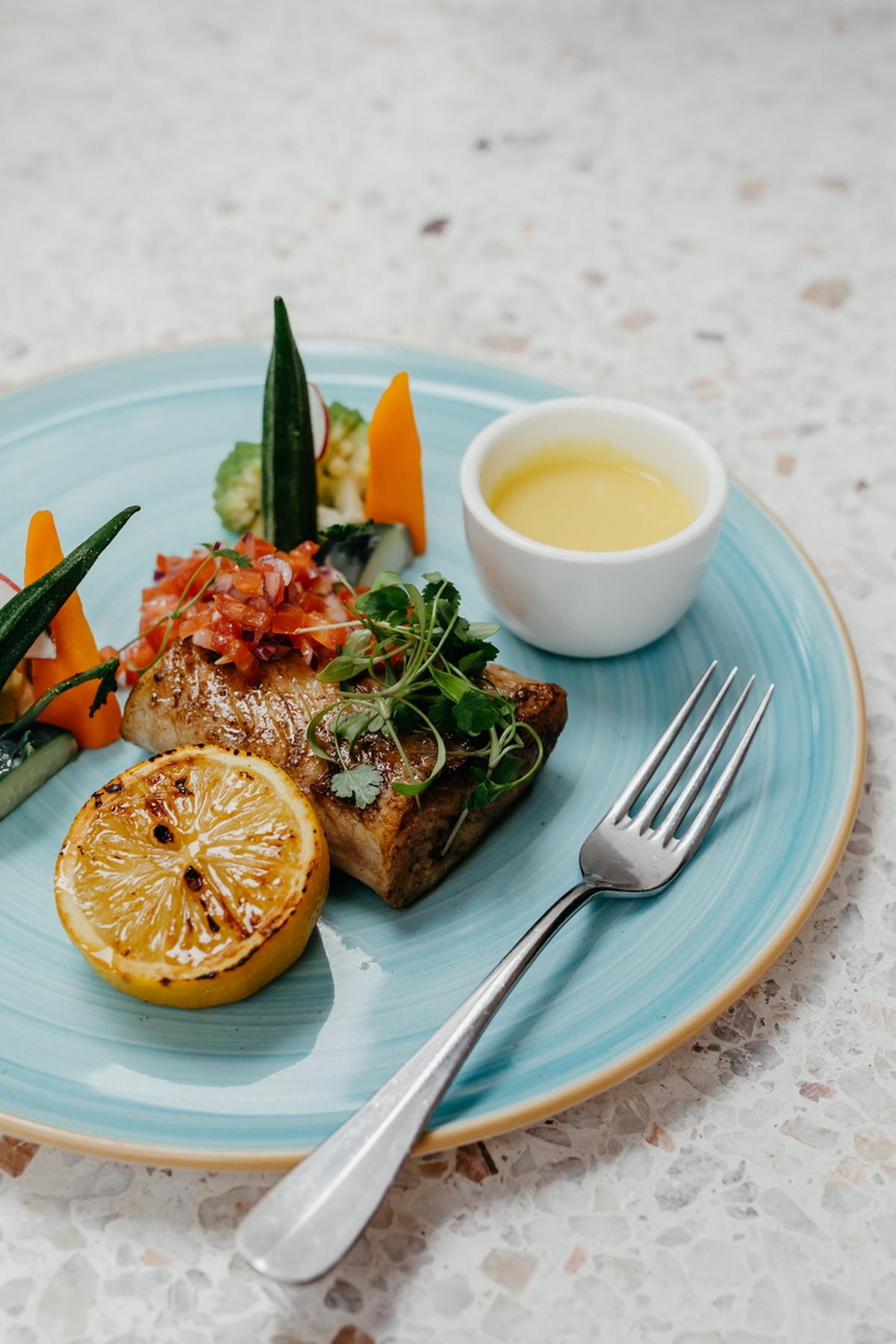
Zanzibar’s culinary identity is a sophisticated tapestry woven from African, Arabian, and Indian threads. The most visible manifestation of this fusion is found on the dinner plate. At premier establishments like The Dining Room at The Residence Zanzibar or the open-air kitchens of LUX* Marijani Resort, the menu reads like a map of the Indian subcontinent.
The Staples of Swahili-Indian Fusion
The "Swahili" section of a Zanzibari menu often features items that would not look out of place in a Mumbai café or a Kerala household:
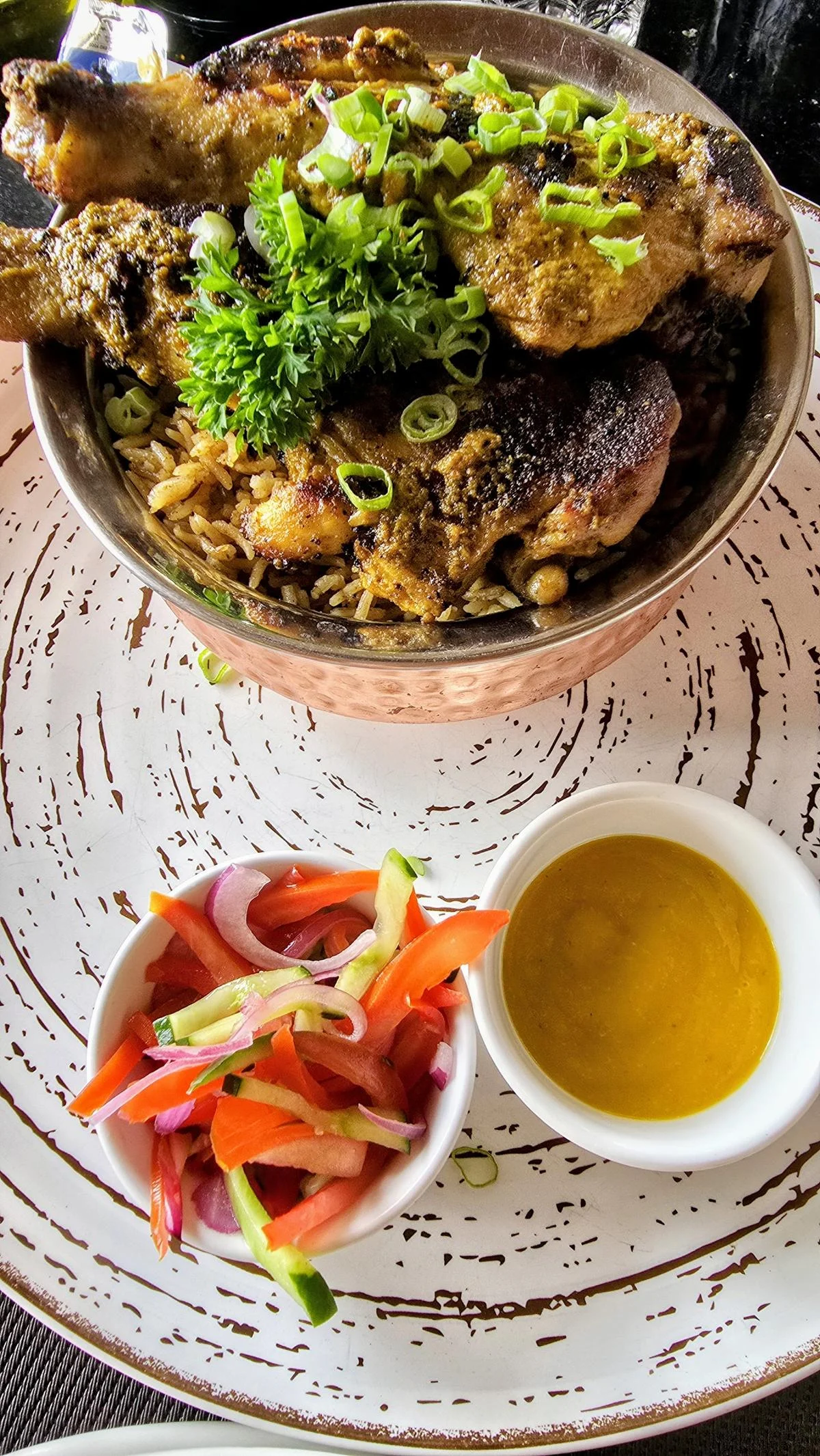
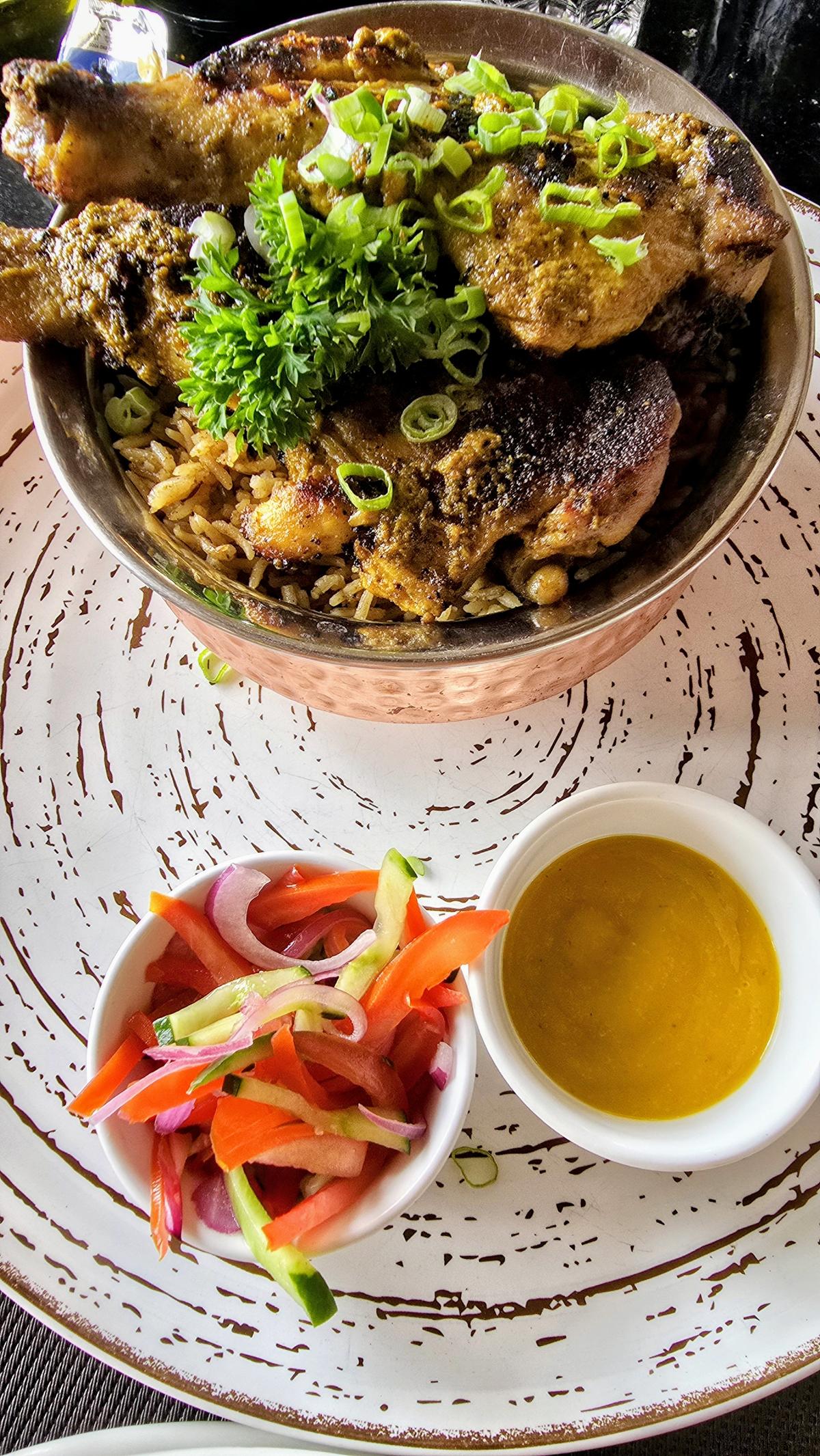
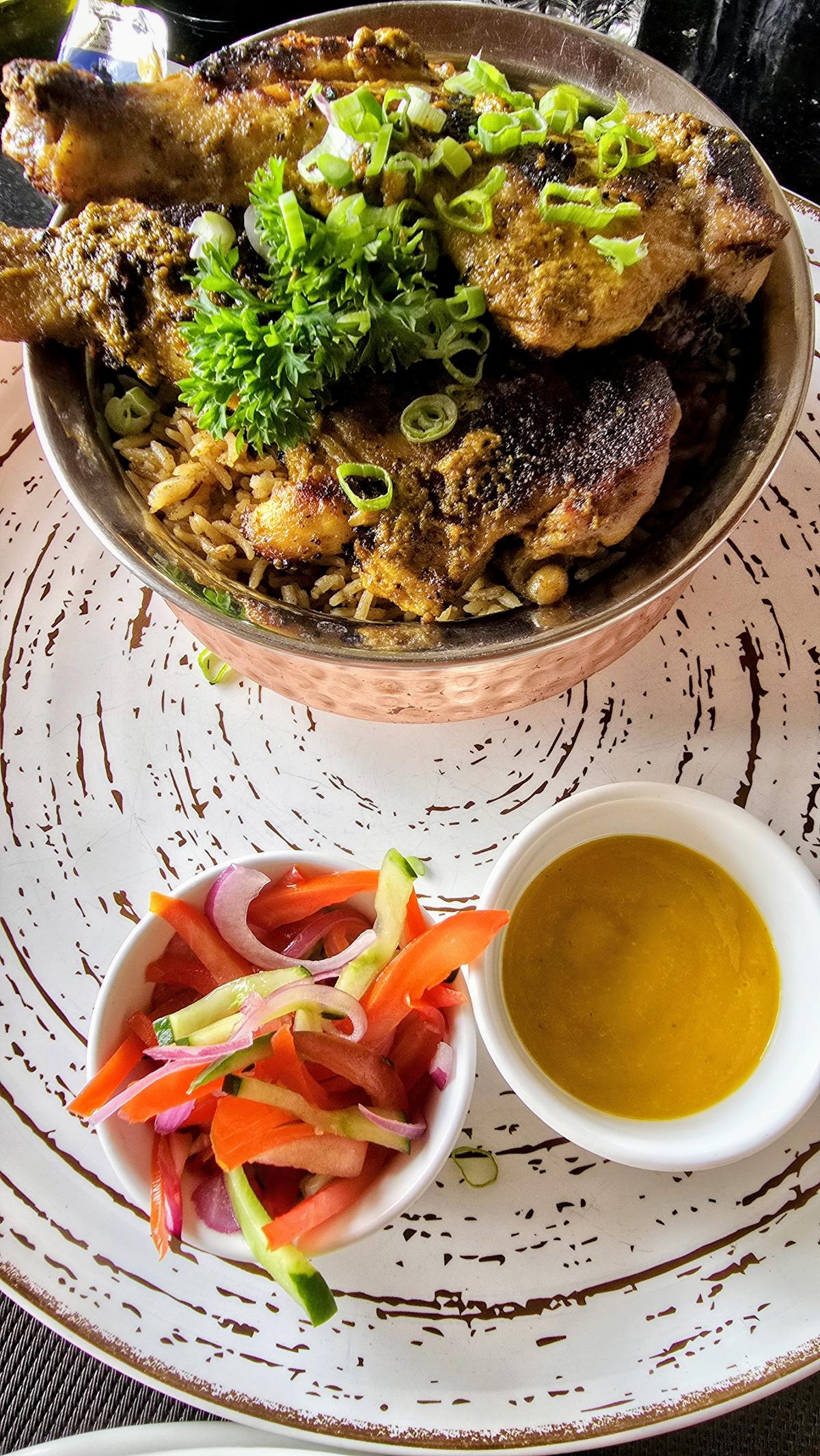
- Zanzibari Pilau: Unlike the delicate, often floral pulao of Northern India, the Zanzibari version is an earthy, robust affair. It utilizes long-grain rice cooked with meat and "the big five" spices: black pepper, cinnamon, cardamom, cloves, and cumin. The hallmark of a true Zanzibari pilau is the subtle smokiness derived from heavily caramelized onions.
- Sambusa: A direct descendant of the Indian samosa, these pocket-sized pastries are a staple street food. However, they possess a distinct island character—often filled with spiced minced meat rather than potatoes and peas, and featuring a thinner, slightly more supple crust than the brittle, flaky Punjabi version.
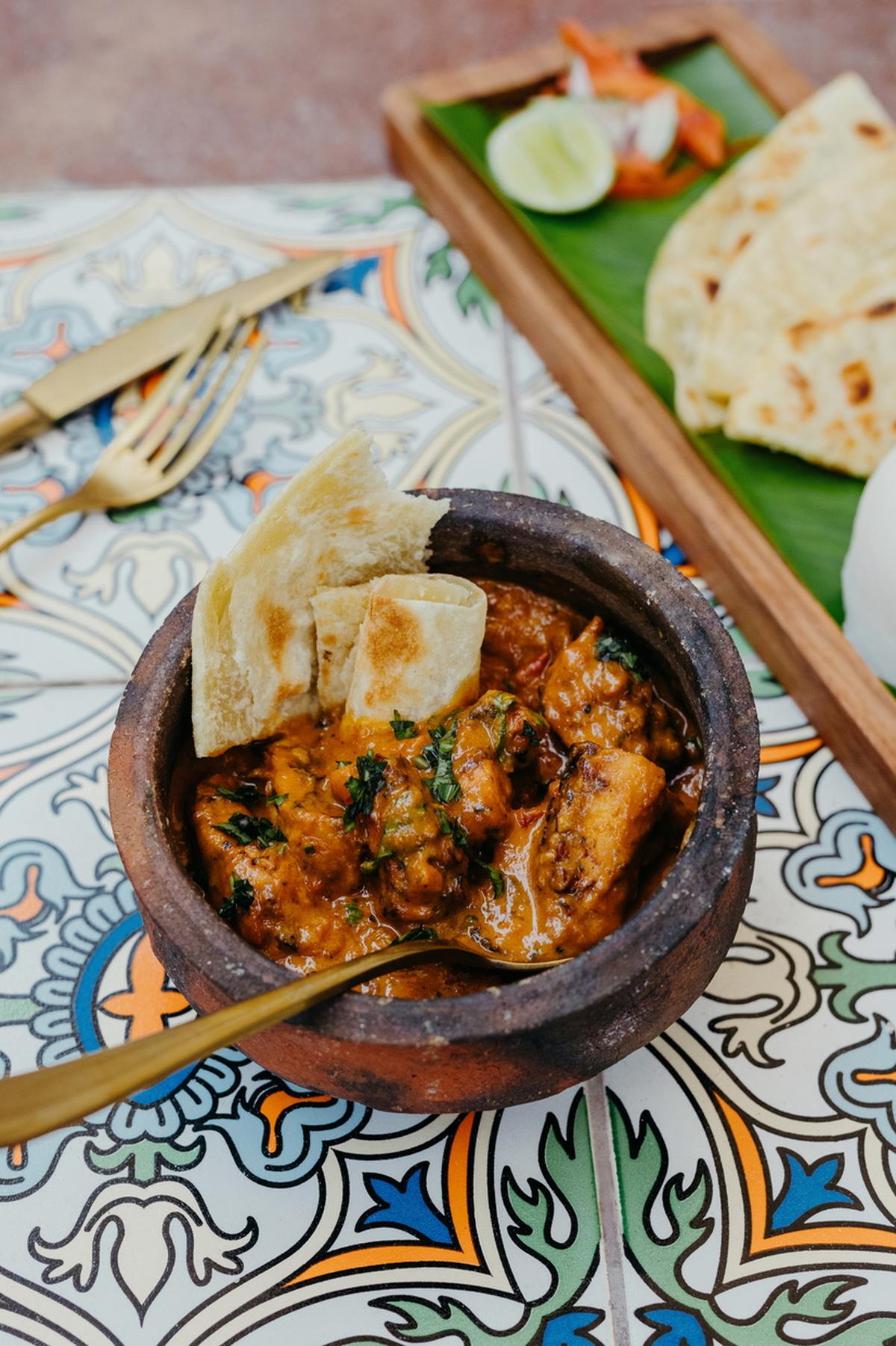
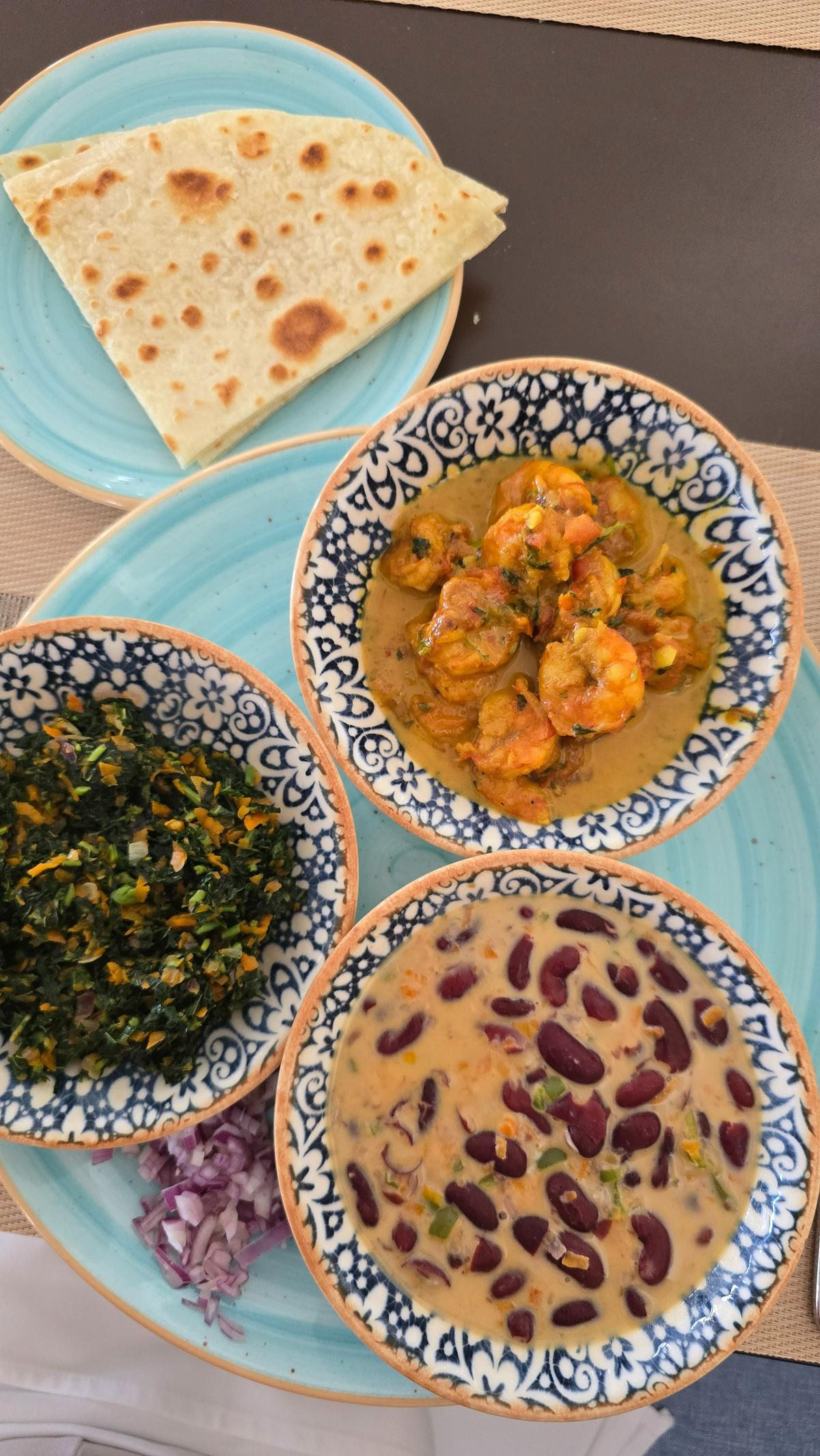
- Swahili Chapatti: While the name is identical to the Indian flatbread, the execution is closer to the Parotta of Kerala or the Lacha Paratha of the North. It is oily, flaky, and coiled into layers, designed to be torn apart and used to scoop up rich, coconut-based curries.
- Urojo: Often called "Zanzibar Mix," this is the island’s answer to chaat. It is a tangy, turmeric-infused flour soup loaded with crispy bhajis (fritters), boiled potatoes, eggs, and raw mango, topped with a dash of spicy chutney.
The common denominator in all these dishes is the island’s "Black Gold"—the clove (karafuu). As one of the world’s leading producers of cloves, Zanzibar incorporates this spice into almost every savory dish, a practice heavily influenced by Indian aromatic traditions.
Chronology: A History Shaped by Monsoon Winds
The presence of Indian culture in Zanzibar is the result of a multi-layered historical migration driven by trade, empire, and the seasonal monsoon winds.
The 15th to 17th Century: The Age of Exploration
Long before European powers consolidated their hold on East Africa, Indian merchants from the Gujarat and Malabar coasts were already navigating the Indian Ocean. Utilizing the Kaskazi (northbound) and Kusi (southbound) winds, these traders exchanged Indian textiles, beads, and spices for African ivory and gold. During the 15th century, the Portuguese briefly held control, but they were largely focused on maritime dominance rather than cultural integration.
The 19th Century: The Omani Sultanate and the Indian Boom
The most significant turning point occurred in the 1830s when Sultan Said bin Sultan of Oman moved his capital from Muscat to Zanzibar. The Sultan recognized the financial acumen of Indian merchants and encouraged them to settle on the island.
During this era, Indian bankers from the Kutch and Gujarat regions became the primary financiers of the clove plantations and the ivory trade. They didn’t just bring capital; they brought their families, their cooks, and their seeds. By the mid-1800s, Stone Town had become a cosmopolitan hub where Indian shopkeepers sold everything from silk to curry powder.
1890 to the Present: The British Protectorate and Modern Identity
When Zanzibar became a British Protectorate in 1890, the Indian community—particularly the Gujarati Ismailis and Bohras—was already firmly entrenched in the middle class. They served as civil servants, doctors, and lawyers. Even as political regimes changed, including the 1964 Revolution, the culinary and architectural DNA they left behind remained. Today, the Indian influence is celebrated as an integral part of the "Swahili" identity, a term that refers to the coastal culture of East Africa.
Supporting Data: The Geography of Flavor
The Indian influence in Zanzibar is not a monolith; it reflects the specific regional origins of the migrants who made the journey across the ocean.
The Gujarati Connection
Much of the street food and vegetarian snacks in Zanzibar trace their roots to Gujarat. The Kachori (spiced potato balls) and the use of chickpea flour (besan) in snacks are direct imports. In Dar es Salaam, Tanzania’s commercial capital, the Indian presence is even more pronounced, with over two dozen dedicated Indian restaurants catering to a community that has lived there for over 400 years.
The Kerala and Malabar Influence
The heavy reliance on coconut milk as a base for fish and meat curries mirrors the coastal cuisine of Kerala. In Zanzibar, dishes like Mchicha (spinach in coconut milk) and Maharage (red beans in coconut milk) use techniques almost identical to South Indian thorans and stews.
Economic Impact of Spices
Historically, spices were treated as currency in Zanzibar. According to data from Gateway House, an Indian foreign policy think tank, Indian merchants were instrumental in pushing Zanzibar onto the global stage. By financing the clove trade, they turned a small archipelago into the "Spice Islands," a title that continues to drive the island’s tourism economy today.
Official Responses: Insights from the Kitchen
To understand how these influences blend in a modern professional kitchen, one must look to the chefs who bridge the two worlds.
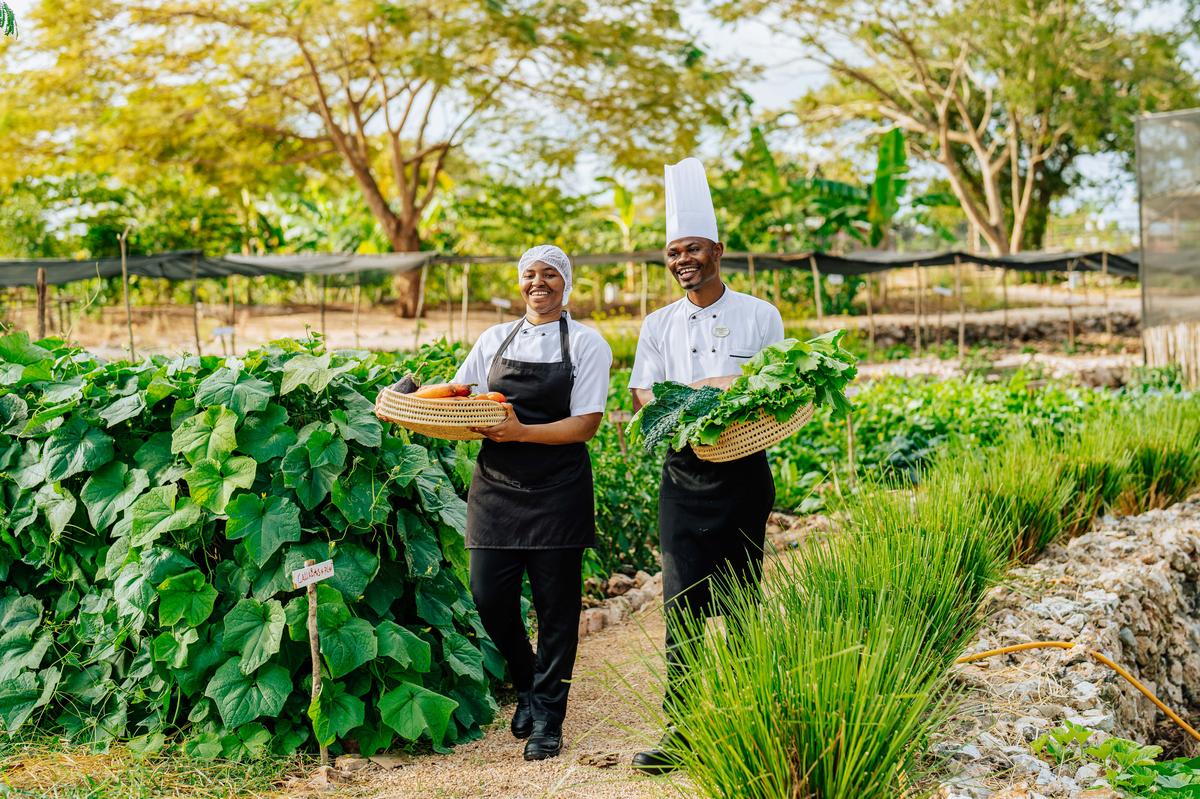
*Chef Aisah, Sous Chef at LUX Marijani Resort**, leads cooking classes that teach tourists the art of Swahili cuisine. She notes that the similarities are more than just skin deep. "It’s all about bold spices, fresh seafood, and coconut—ingredients that reflect the island’s history as a trading hub," she explains. When asked about spice levels, Aisah observes that while the flavor profiles are similar, the Indian palate often demands a higher heat. "Indian guests always ask for ‘more, always more!’ spice," she laughs, "but the base of our marinades—the ginger, garlic, and turmeric—is the same."

Leon Weir, Executive Chef at The Residence Zanzibar, provides a more technical distinction. "The most prominent Indian influence is the selection of spices like cinnamon and cloves that made their way here from India," Weir states. However, he notes a subtle evolution: "The overall taste differs because Zanzibar tends to use milder, less pungent spices compared to traditional Indian cooking. Locals tried to recreate recipes brought by migrants, but limited access to certain ingredients over centuries led to unique adaptations. It is far from a replica; it is a new identity."
Implications: The Future of the "Spice Island" Identity
The enduring Indian influence on Zanzibar has significant implications for the island’s future, particularly in the realms of tourism and cultural preservation.
Tourism and Heritage
Stone Town, a UNESCO World Heritage site, attracts hundreds of thousands of visitors annually. The "Spice Tour" is one of the most popular excursions, where the narrative of Indian trade is central to the experience. The fusion of cultures is a marketable asset that sets Zanzibar apart from other tropical destinations. The Forodhani Gardens night market, where Indian-style sambusas and "Zanzibar Pizzas" (a hybrid of a crepe, an omelet, and a paratha) are sold, has become a global culinary landmark.
Cultural Resilience
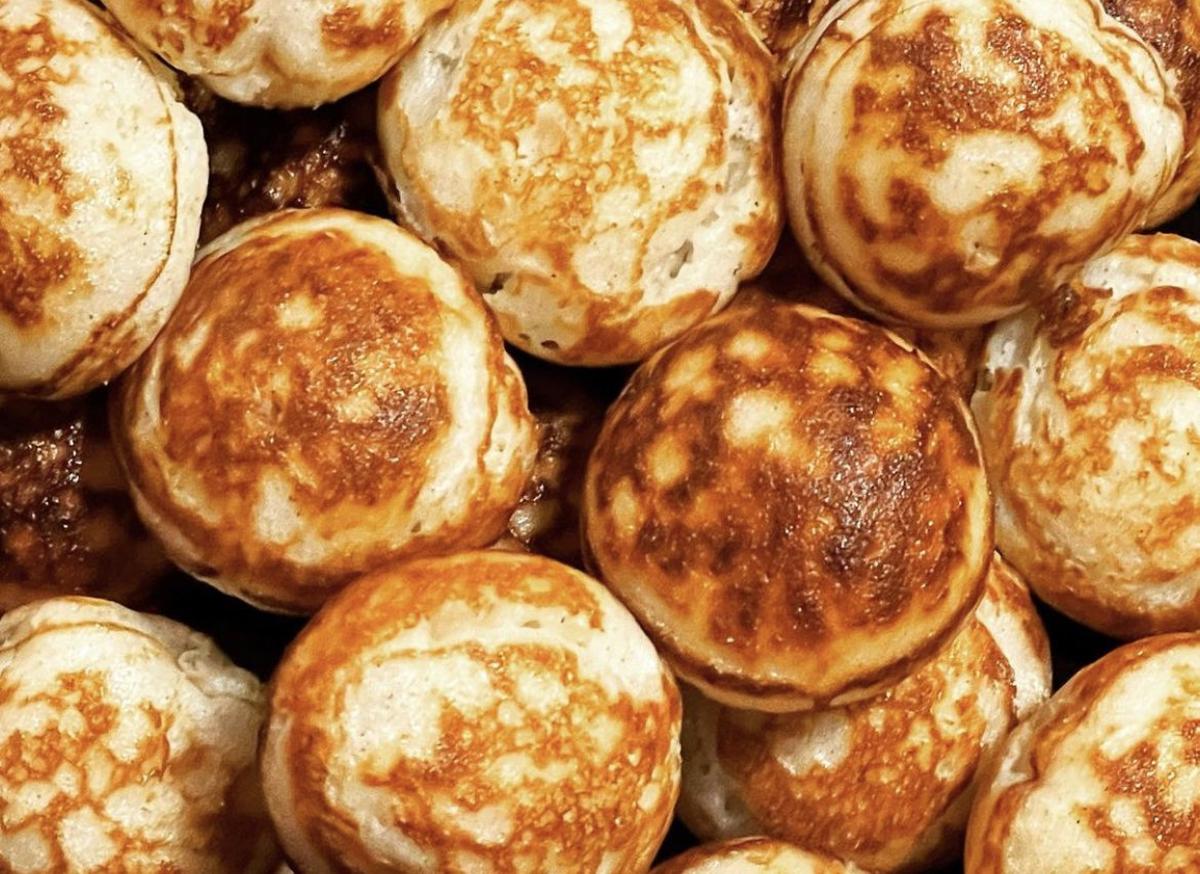
Food often outlives empires. While the political maps of the 19th century have long been redrawn, the presence of Vitumbua (sweet rice pancakes similar to South Indian Paniyaram) and Maandazi (fried bread similar to Mangalorean buns) proves that cultural exchange is most resilient when it is edible.
Conclusion: An Evolving Story
The story of Zanzibari food is not one of imitation, but of evolution. It is a testament to how migration can enrich a local culture without erasing it. For the traveler sitting on the seafront at Stone Town, biting into a meat-filled sambusa splashed with spicy achaar (pickle), the realization is clear: the Indian Ocean did not separate these two lands; it served as a bridge. Zanzibar remains a place where the history of the world can be tasted in a single spoonful of pilau, and where the greeting "Kaise ho aap?" is a reminder that in this part of the world, no one is truly a stranger.
