

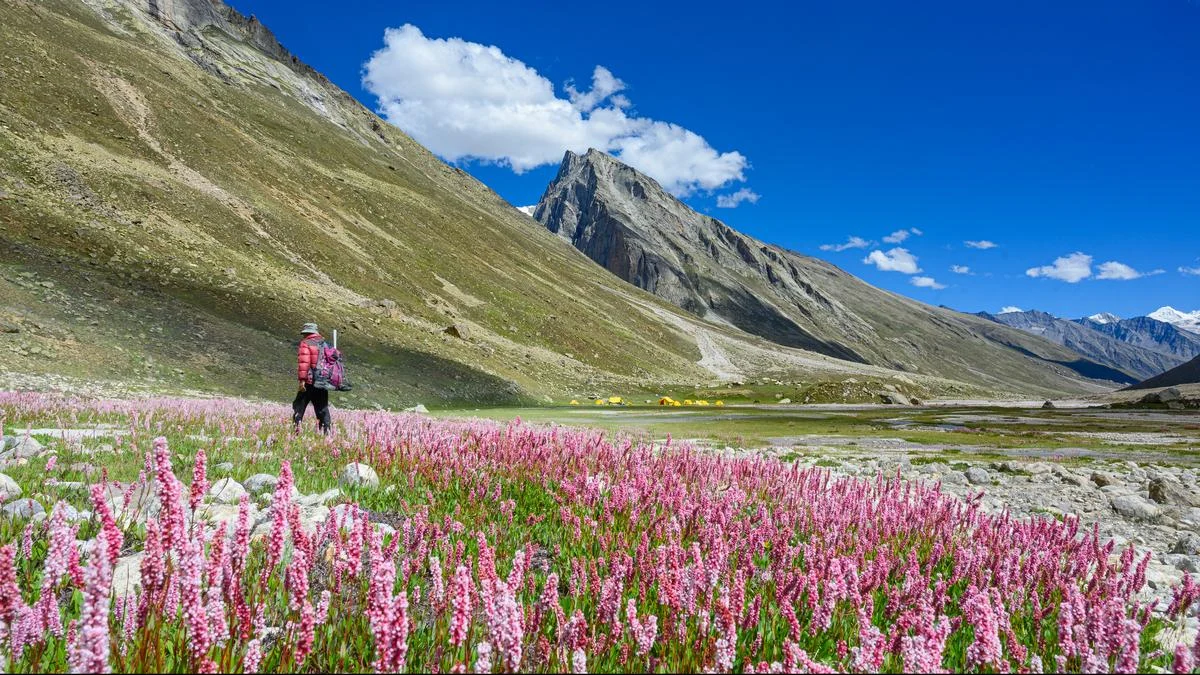
The mountains of the Indian subcontinent are currently undergoing a dramatic transformation. As the monsoon rains sweep across the Western Ghats and the high Himalayas, the rugged, snow-dusted landscapes are being replaced by a vibrant tapestry of flora. From the marigold-adorned trails of Nepal to the elusive Dzukou lily in the Northeast and the endemic wildflowers of the Sahyadri range, this season offers a fleeting window into some of the world’s most unique ecosystems.
However, these "botanical pilgrimages" are more than just a visual feast; they represent a delicate intersection of cultural heritage, environmental conservation, and the growing trend of immersive, slow travel. This report explores the premier floral trails of the season, the experts leading the charge, and the urgent need for sustainable practices in these fragile high-altitude zones.

1. The Sahyadri’s Seasonal Miracle: Kaas Plateau, Maharashtra
Known colloquially as Maharashtra’s "Valley of Flowers," the Kaas Plateau is a geological and botanical marvel. Located approximately 25 kilometers from the northern reaches of the Koyana Sanctuary, this fossilized volcanic plateau is a UNESCO World Heritage Site that hosts over 170 species of wildflowers, many of which are endemic to this specific basaltic patch.
The Expert Perspective
Randhir Jaya Naidu, founder of the Pune-based heritage outfit Deccan Drifts, has witnessed the plateau’s evolution since his first visit in 2011. Since 2022, he has been curating guided walks to the region, emphasizing the "Kas Pathar" experience as a lesson in biodiversity.

"I had the privilege of seeing it untouched," Naidu recalls. Today, the experience is more regulated. Private vehicles are restricted to designated parking areas, with Forest Department shuttles ferrying visitors to the entrance. The tour involves traversing three distinct zones on foot, navigating pathways designed to protect the fragile soil.
The Environmental Toll
Despite its UNESCO status, the plateau faces significant challenges. Naidu notes a sharp drop in bloom density over the last decade. "Crowds started coming in after the international recognition. Barricades and pathways were necessary, but the sheer volume of people plucking flowers and littering has hampered growth," he explains. Furthermore, climate change has disrupted the traditional blooming window. While flowers typically peak from mid-September to mid-October, erratic late-monsoon rains are now shifting the cycle, sometimes drowning the blossoms before they can fully mature.

Logistics:
- Peak Season: August to October.
- Cost: Approximately ₹2,400 per head.
- Contact: 9130641707 (Deccan Drifts).
2. The Emerald Sanctuary: Dzukou Valley, Nagaland
In the far reaches of Northeast India, the Dzukou Valley—straddling the border of Manipur and Nagaland—remains one of the most iconic trekking destinations in Asia. Famous for the endemic Dzukou Lily (Lilium chitrangadae), the valley offers a landscape of rolling green hills that look almost manicured by nature.

A Heritage of Trekking
For Khriebu Zhasa, Managing Director of Explore Nagaland, the valley is tied to childhood nostalgia. Alongside her sister, Nino Zhasa, she has been hosting visitors since 2002. "The village youth have popularised many flower trails via social media," Nino notes, pointing to trails like Akule Potato for hydrangeas and Mosen View Point for cosmos.
The Zhasa sisters offer a range of flower-centric treks, including the grueling five-hour ascent to Japfu Peak (3,048 meters), home to some of the world’s tallest rhododendron trees.

Changing Regulations
Sustainability has forced a change in how the valley is experienced. While camping was once permitted anywhere in the valley, visitors must now use designated campsites. "There’s a designated area where guests can register, pitch tents, or use the dormitory and cabins," Khriebu explains. This shift helps manage waste and protects the valley floor from the impact of hundreds of overnight trekkers.
Logistics:

- Peak Season: June to early August for the Dzukou Lily; October to April for Rhododendrons.
- Contact: 9089948353 / 8787396634 (Explore Nagaland).
3. The Underrated Monsoon: Nepal’s Botanical Wealth
While many trekkers avoid Nepal during the monsoon due to leeches and obscured mountain views, seasoned botanists and "slow travelers" consider it the country’s most magical season.
The Monsoon Bloom (June–September)
Prashan Poudyal, founder of Waves of Nature, argues that the monsoon breathes life into the highlands. "Meadows erupt into colour. We see Himalayan balsam, blue poppies, and rare orchids," says Poudyal. Regions like Khaptad National Park and the Langtang Valley become lush, vibrant corridors that offer a completely different aesthetic than the stark white peaks of winter.

The Cultural Bloom (October–December)
As the rains recede, the floral focus shifts from wild meadows to village pathways. Marigolds take center stage, holding deep cultural significance during the festivals of Dashain and Tihar. Homes and temples are draped in orange and yellow, while the trails are dotted with dahlias and Himalayan asters.
Poudyal has noted a significant demographic shift in recent years. "We are seeing a surge of younger travelers from Southern and Western India—particularly Kerala and Maharashtra—who are looking for these immersive, nature-first experiences rather than just ticking off Everest Base Camp," he says.

Logistics:
- Cost: Guided treks start at approximately ₹4,000 per person, per day (inclusive of permits and full board).
- Website: wavesofnature.com.
4. The Great Crossover: Hampta Pass, Himachal Pradesh
For those seeking dramatic topographical shifts, the Hampta Pass trek in the Kullu-Manali region is unparalleled. It is a "crossover" trek, meaning it takes travelers from the lush, rain-soaked greenery of the Kullu Valley to the stark, arid, rain-shadow desert of Lahaul.

A Corridor of Color
Ravi Ranjan, Chief of Experience and Safety at Indiahikes, describes the trail as a "spectacular alpine flower garden." Between mid-July and August, the valley floor is carpeted with Himalayan bistort (pink spikes), bright yellow Himalayan groundsel, and the delicate white-and-violet blooms of the Himalayan anemone.
"The Shea Goru campsite is a highlight," Ranjan says. "You are camping beside a river in a valley filled with flowers, surrounded by panoramic views." The trek culminates at the high-altitude Chandratal Lake, providing a comprehensive Himalayan experience in just six days.

Logistics:
- Peak Season: June to September.
- Cost: ₹12,950 + GST.
- Website: indiahikes.com.
5. The Buddhist Sanctuary: Miyar Valley, Himachal Pradesh
While Hampta Pass is about dramatic change, the Miyar Valley trek is about vastness and tranquility. Located near Udaipur in Lahaul, this trek remains largely between 12,000 and 13,000 feet.

Subtle Beauty
Miyar is unique because it lacks dense forests. Instead, it is dominated by open grasslands and shrubs. "The flowers here are more subtle," explains Ravi Ranjan. "Marsh marigolds and Himalayan geraniums blend into the vastness of the terrain."
The valley carries a strong Buddhist influence, with several gompas (monasteries) dotting the route. The gradual altitude gain makes it feel less like a strenuous climb and more like a pilgrimage through a natural sanctuary.

Logistics:
- Peak Season: June to August.
- Cost: ₹14,950 + GST (7-day trek).
- Website: indiahikes.com.
6. Supporting Data and Chronology: The Bloom Calendar
To plan an effective floral trek, travelers must align their visits with the specific biological clocks of these regions:

| Month | Region | Primary Flora |
|---|---|---|
| June – July | Nagaland (Kigwema) | Hydrangeas |
| June – August | Dzukou Valley, Nagaland | Dzukou Lily |
| June – September | Nepal Highlands | Blue Poppies, Orchids, Balsam |
| July – August | Hampta Pass, Himachal | Himalayan Bistort, Primulas |
| August – Sept | Kaas Plateau, Maharashtra | 170+ species of Wildflowers |
| October – Nov | Nagaland (Mosen) | Cosmos |
| October – Dec | Nepal (Village Trails) | Marigolds, Dahlias, Asters |
| Oct – April | Japfu Peak, Nagaland | Rhododendrons |
7. Implications and Ethical Travel: The "Dos and Don’ts"
The surge in "flower tourism" brings significant economic benefits to local communities but poses a dire threat to the ecosystems themselves. Expert guides and environmentalists emphasize a strict code of conduct to ensure these blooms return year after year.
The Impact of Over-Tourism
At the Kaas Plateau, the drop in bloom density is a direct result of soil compaction (from walking off-trail) and the removal of plants. In high-altitude regions like Hampta Pass, the introduction of non-biodegradable waste (plastic wrappers, wet wipes) can poison the water sources that feed the meadows.

Official Guidelines for Trekkers
The "Dos":
- Hire Local: Use local guides to support the village economy and gain authentic cultural insights.
- Physical Prep: Flower treks often involve high altitudes. Incorporate cardio and strength training weeks before the trip.
- Waste Management: Carry your own cutlery and use tissue paper instead of wet wipes (which contain plastic).
The "Don’ts":

- No Loudspeakers: Noise pollution disturbs mountain wildlife and ruins the experience for others.
- No Intoxicants: Alcohol and smoking increase the risk of Acute Mountain Sickness (AMS) and are often disrespectful to local cultural norms.
- Stay on the Path: Walking on flower beds destroys the root systems and prevents future germination.
Conclusion
As climate change continues to shift weather patterns and human encroachment threatens wild spaces, the opportunity to witness these mountain blooms becomes increasingly precious. By choosing responsible travel outfits and adhering to strict ecological "leave no trace" principles, travelers can ensure that the "Altar of Blooms" remains vibrant for generations to come. The message from the mountains is clear: come, witness, and admire—but leave nothing behind but your footprints.
