

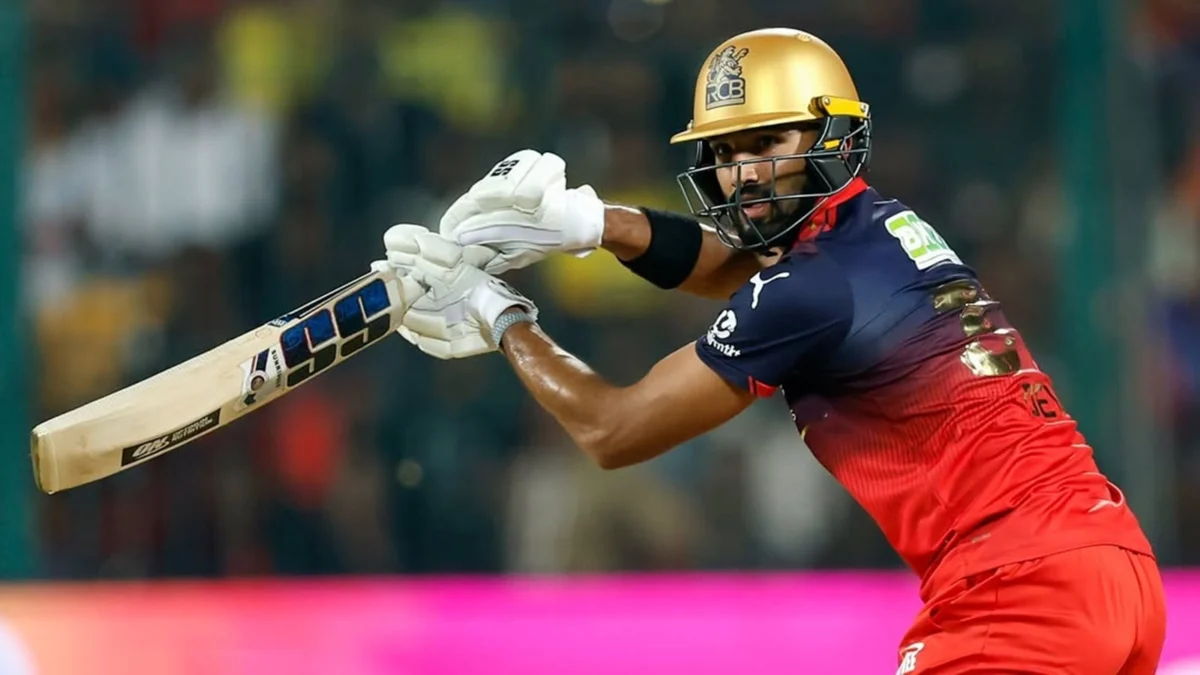
New Delhi, May 31, 2026 – In the electrifying world of the Indian Premier League (IPL), where split-second decisions and peak physical condition are paramount, young cricketer Devdutt Padikkal has emerged as a beacon of consistent performance. His recent string of remarkable innings for Royal Challengers Bangalore (RCB) has not only captured the attention of fans and critics alike but has also brought into sharp focus the disciplined approach he adopts towards his diet and fitness. Beyond the dazzling cover drives and audacious strokes, Padikkal’s cricketing prowess is evidently powered by a meticulously crafted dietary regimen, a fact he recently illuminated during a candid conversation.
Padikkal, who has become a vital cog in RCB’s batting lineup, revealed in an interview with prominent sports commentator Jatin Sapru that his dietary choices are guided by a strategic avoidance of specific food groups. He highlighted the necessity of abstaining from gluten, lactose, and overly spicy foods. This mindful approach, he explained, is not about adhering to a trend but about optimizing his body’s performance and recovery. "Those were the three things I needed to be really careful with," Padikkal stated, emphasizing that his focus has been on managing these sensitivities rather than strictly quantifying macronutrients at this stage of his career. At 25, he acknowledges that his nutritional needs may evolve as he approaches his thirties, a testament to his forward-thinking approach to athletic longevity.
This revelation has naturally sparked discussions about the role of specialized diets in professional sports and whether Padikkal’s regimen offers a blueprint for aspiring athletes. To delve deeper into the scientific underpinnings and broader implications of such dietary choices, we consulted with leading nutrition experts.
The Pillars of Padikkal’s Performance: A Closer Look at His Dietary Exclusions
Devdutt Padikkal’s conscious decision to steer clear of gluten, lactose, and excessive spices is a significant aspect of his performance-enhancing strategy. For athletes operating at the highest echelons of sport, even minor dietary indiscretions can have a tangible impact on energy levels, recovery, and overall well-being.
-
Gluten Sensitivity: Gluten, a protein found in wheat, barley, and rye, can cause significant digestive distress and inflammation in individuals with celiac disease or non-celiac gluten sensitivity. For athletes, this inflammation can hinder muscle repair, elevate fatigue, and compromise immune function. By avoiding gluten, Padikkal likely aims to minimize any potential inflammatory response, ensuring his body is in an optimal state for training and match play.
-
Lactose Intolerance: Lactose, the sugar found in milk and dairy products, is a common culprit for digestive issues in many individuals. Symptoms can range from bloating and gas to more severe abdominal discomfort. Athletes, who rely on consistent energy and efficient nutrient absorption, cannot afford such disruptions. Eliminating lactose likely helps Padikkal maintain a stable digestive system, crucial for sustained energy release during demanding cricket matches.
-
Spice and Gastric Comfort: While spices are celebrated for their flavour and medicinal properties in many cultures, excessive spice consumption can sometimes lead to heartburn, acidity, and other gastrointestinal discomforts. For a cricketer who needs to maintain focus and physical comfort throughout long hours of play, avoiding trigger foods like highly spiced meals is a pragmatic choice. This allows for a more settled stomach and prevents distractions that could impact performance.
Padikkal’s perspective that he "doesn’t eat for taste" but rather for fuel underscores a mature understanding of his body’s requirements. This detachment from gustatory pleasure in favour of nutritional efficacy is a hallmark of elite athletes who view food as a critical component of their performance toolkit.
Expert Insights: Navigating the Nuances of Specialized Diets in Sports
To provide a comprehensive understanding of Devdutt Padikkal’s dietary approach, we sought the expertise of Sandhya Pandey, GM and Chief Dietitian at Medanta Hospital, Gurugram. Dr. Pandey offers a nuanced perspective, emphasizing that while specialized diets can be beneficial, they are not universally applicable and should be tailored to individual needs.
"Many athletes follow specific dietary patterns based on their individual needs, and it is important not to assume that gluten-free, lactose-free, or spice-free diets are inherently healthier for everyone," Dr. Pandey states. She elaborates on the specific conditions under which such restrictions are medically warranted. "Lactose should be avoided in individuals with lactose intolerance, and similarly, gluten restriction is warranted only in specific medical conditions such as coeliac disease or diagnosed gluten sensitivity."
This expert opinion highlights a critical distinction: what works for an athlete with specific sensitivities may not be necessary or even beneficial for the general population. The decision to adopt such a diet should ideally be informed by medical advice and individual physiological responses.
Beyond Restrictions: The Foundation of a Balanced Athlete’s Diet
Dr. Pandey stresses that for most healthy individuals, including athletes, the cornerstone of a successful dietary strategy lies in balance and moderation. "For most healthy individuals, the focus should be on consuming a balanced, minimally processed diet that includes a wide variety of foods like whole grains and millets, pulses and legumes, low-fat dairy, lean meat, seasonal vegetables, fruits, nuts, and seeds."
She further cautions against the potential pitfalls of unnecessary dietary restrictions: "Unnecessary dietary restrictions can reduce diet diversity, potentially limiting the intake of important nutrients." This underscores the importance of a holistic approach, ensuring that while certain foods are excluded, the body still receives a full spectrum of essential vitamins, minerals, and macronutrients.
-
The Role of Whole Grains: Dr. Pandey points out, "Whole grains, for instance, are valuable sources of fibre, vitamins, and minerals and can be part of a healthy diet for those who tolerate them well." The exclusion of gluten often leads to the avoidance of many common whole grains. However, for those who can tolerate them, grains like oats, quinoa, and brown rice offer significant nutritional benefits.
-
The Misconception Around Spices: Contrary to the idea that all spices should be avoided for health reasons, Dr. Pandey offers a more traditional and balanced view. "Similarly, there is no need for the general population to avoid spices completely unless they cause specific symptoms or discomfort," she advises. She further highlights the historical and health-promoting aspects of common Indian spices: "In fact, traditional ingredients such as asafoetida (hing), turmeric, ajwain, and other commonly used spices have long been valued not only for flavour but also for their digestive and health-supporting properties. When consumed in moderation, as part of a balanced diet, these ingredients can contribute positively to overall nutrition and wellbeing."
This perspective is crucial, as it recognizes the intrinsic value of spices within a balanced diet, especially in cultures where they are integral to culinary traditions and are often associated with health benefits.
The Bottom Line: Individuality in Nutrition
The overarching message from Dr. Pandey is that there is no universal dietary prescription for optimal health and athletic performance. "The key takeaway is that there is no one-size-fits-all diet. And what works for an elite athlete may not be suitable or necessary for everyone else," she concludes.
For individuals seeking to enhance their diet, whether for athletic pursuits or general well-being, the emphasis should be on personalization and informed choices. "Rather than following restrictive dietary trends, individuals should focus on a balanced, diverse, and minimally processed eating pattern that provides all essential nutrients while supporting long-term health," Dr. Pandey recommends.
Devdutt Padikkal’s success serves as an inspiring example of how a disciplined and personalized approach to nutrition can contribute significantly to athletic achievement. However, his journey also serves as a reminder that such dietary strategies should be considered within the broader context of balanced nutrition and, where necessary, guided by professional medical and dietary advice. The path to peak performance is paved with informed choices, and for Padikkal, it appears that meticulous dietary management is an indispensable part of his winning formula.
Disclaimer: This article is based on information from the public domain and/or the experts we spoke to. Always consult your health practitioner or a registered dietitian before starting any new dietary routine or making significant changes to your eating habits. Individual nutritional needs can vary greatly, and professional guidance is essential for personalized and safe dietary planning.
