

June 01, 2026, 17:45 IST
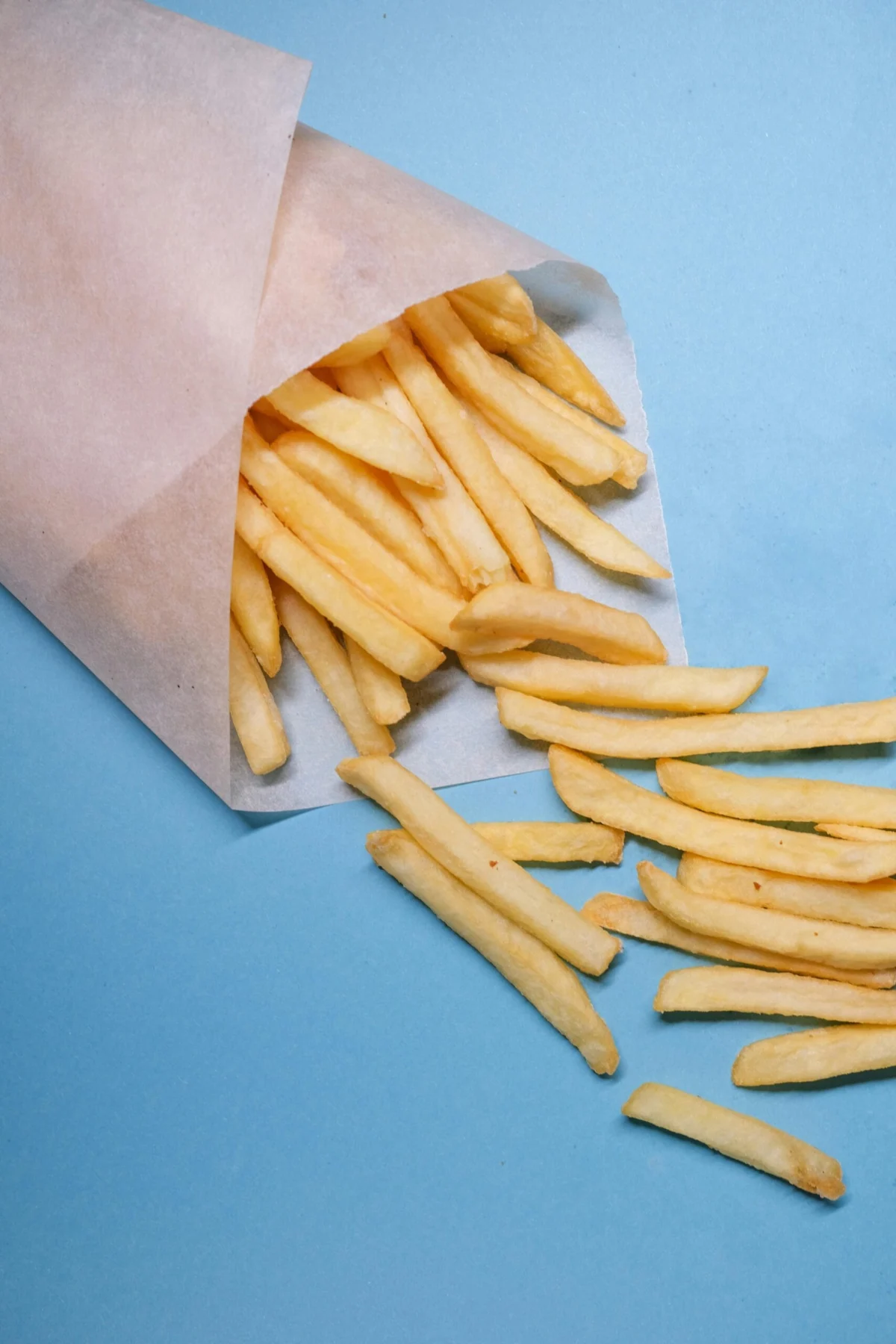
The humble French fry, a global icon of comfort food, holds a special place in the hearts of many. Its allure lies in the perfect paradox: a shatteringly crisp exterior yielding to a tender, fluffy interior. While seemingly straightforward, achieving this coveted texture at home, reminiscent of a cherished restaurant experience, can be an elusive culinary quest. The secret, it turns out, is not merely in the potato selection but in a series of precise techniques, many of which are employed with meticulous care in professional kitchens. This comprehensive guide will unravel the mysteries behind creating exceptionally crispy fries in your own home, from selecting the ideal potato to mastering the transformative double-fry method.
The Foundation of Flavor: Choosing the Right Potatoes
The journey to the perfect fry begins with its very soul: the potato. Not all tubers are created equal when it comes to frying. For that quintessential golden crunch and creamy core, the choice narrows to starchy varieties. Among these, Russet potatoes stand out as the undisputed champions. Their inherent high starch content and relatively low moisture level are precisely what chefs and home cooks alike seek.
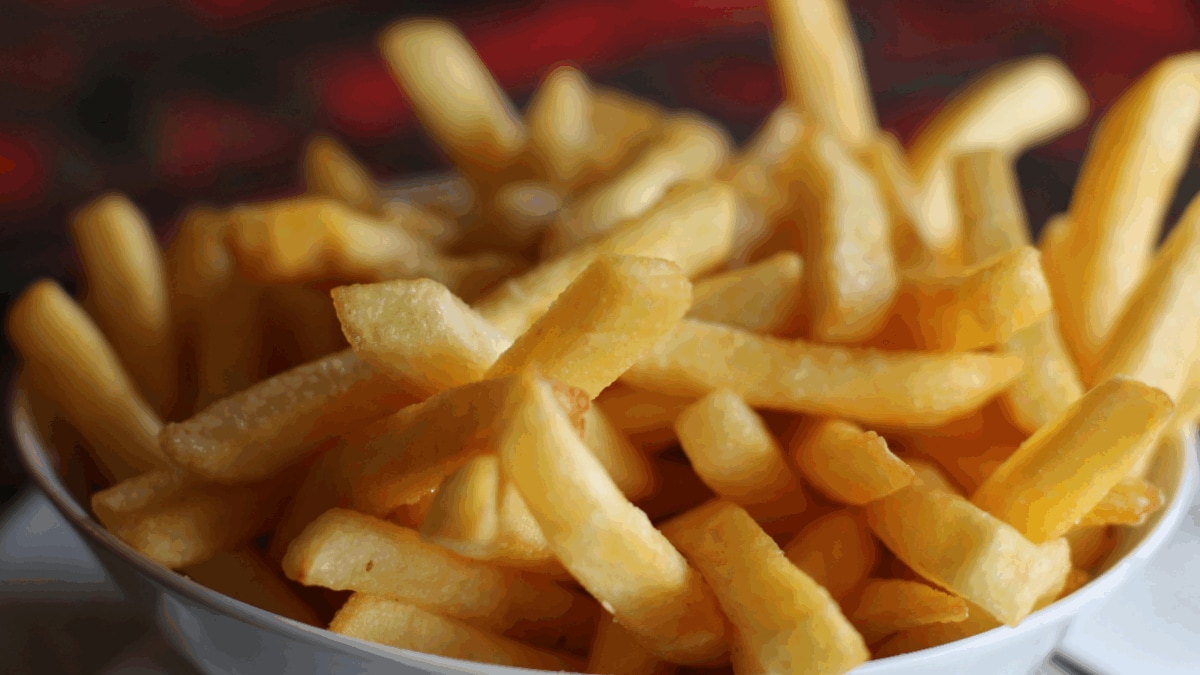
The science behind this is simple yet critical. During the frying process, the starch within the potato gelatinizes and absorbs moisture, while the low water content allows for quicker evaporation from the surface. This dual action is what creates the coveted crispy crust. Varieties like Yukon Golds, while delicious for mashing and roasting, possess a higher moisture content that can lead to a less crisp fry and a tendency to absorb more oil, resulting in a greasier end product. Sweet potatoes, while a popular alternative, have a different starch and sugar composition that leads to a distinct texture and caramelization profile, making them unsuitable for achieving the classic French fry texture.
When selecting Russets, look for firm, unblemished potatoes. Avoid any with soft spots, green patches (which indicate solanine, a bitter compound), or excessive sprouting. The size of the potato can also play a role; larger, more uniformly shaped potatoes will yield more consistent fry shapes, which contributes to even cooking.
Precision in Preparation: The Art of the Cut and Soak
Once the ideal potatoes are procured, the next crucial steps involve meticulous preparation: the cut and the soak.
Uniformity is Key: The Art of the Even Cut
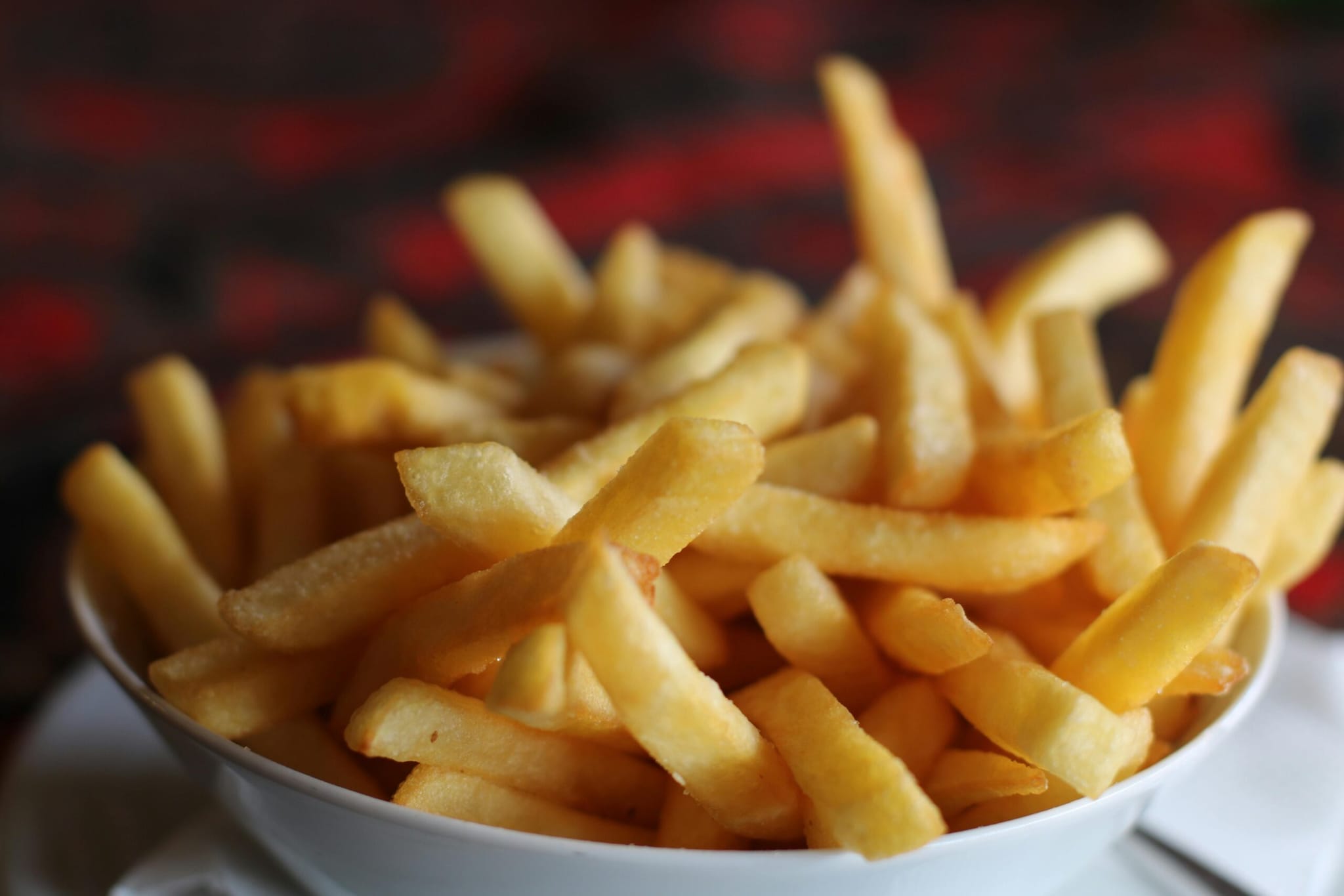
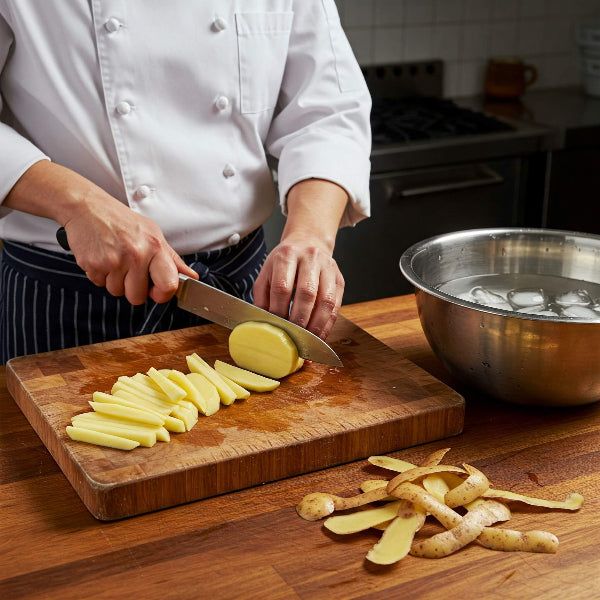
The adage "consistency is king" holds true in fry preparation. For optimal and uniform cooking, potatoes must be cut into evenly sized sticks. This ensures that each fry receives the same amount of heat exposure, preventing some from becoming overcooked and brittle while others remain undercooked and limp.
Before cutting, consider whether to peel the potatoes. While many classic fries are served with the skin on for added texture and visual appeal, peeling is a matter of personal preference. If leaving the skin on, ensure it is thoroughly washed and scrubbed to remove any dirt.
The ideal thickness for fries is generally between ¼ to ½ inch (approximately 0.6 to 1.3 cm). Thicker cut fries will require a longer cooking time and may have a softer interior, while thinner cuts risk burning quickly. Aim for a consistent width and length for all your fries. A sharp knife is essential for clean cuts, preventing jagged edges that can lead to uneven browning. Some enthusiasts even opt for a mandoline slicer or a dedicated French fry cutter for ultimate precision.
The Starch Liberation: The Crucial Soaking Stage
This is perhaps the most overlooked yet vital step in achieving superior crispiness: soaking the cut potatoes. After slicing, place the potato sticks into a large bowl filled with cold water. The purpose of this immersion is to draw out excess surface starch.
Excess starch on the surface of the potato acts like a natural adhesive, causing fries to clump together during cooking and hindering the formation of a truly crisp exterior. By soaking, this soluble starch is released into the water, leaving the potato surface drier and more receptive to the intense heat of the frying oil.
The duration of the soak is also important. A minimum of 30 minutes is recommended, but for even better results, potatoes can be soaked for up to a few hours, or even overnight in the refrigerator. It’s advisable to change the water once or twice during a longer soak, especially if it becomes cloudy, to ensure maximum starch removal.
The Unsung Hero: The Importance of Drying
Following the soak, the potatoes will be saturated with water. This moisture must be thoroughly removed before they meet the hot oil. Failing to dry the potatoes adequately is a cardinal sin in fry making.
After draining the potatoes from the soaking water, spread them out in a single layer on clean kitchen towels or absorbent paper towels. Gently pat them dry, ensuring that every surface is as moisture-free as possible. This step is critical for several reasons. Firstly, excess water will cause the hot oil to splatter violently, posing a safety hazard and potentially leading to burns. Secondly, the water will cool down the oil, disrupting the frying temperature and preventing the fries from achieving the desired crispness. Think of it as creating a dry canvas for the oil to work its magic.
The Secret Weapon: The Double-Fry Method
The hallmark of restaurant-quality fries – that perfect balance of crisp exterior and tender interior – is almost universally achieved through a technique known as the double-fry method. This two-stage cooking process is the cornerstone of achieving superior texture and flavor.
First Fry: The Blanching Stage (150°C – 160°C / 300°F – 320°F)
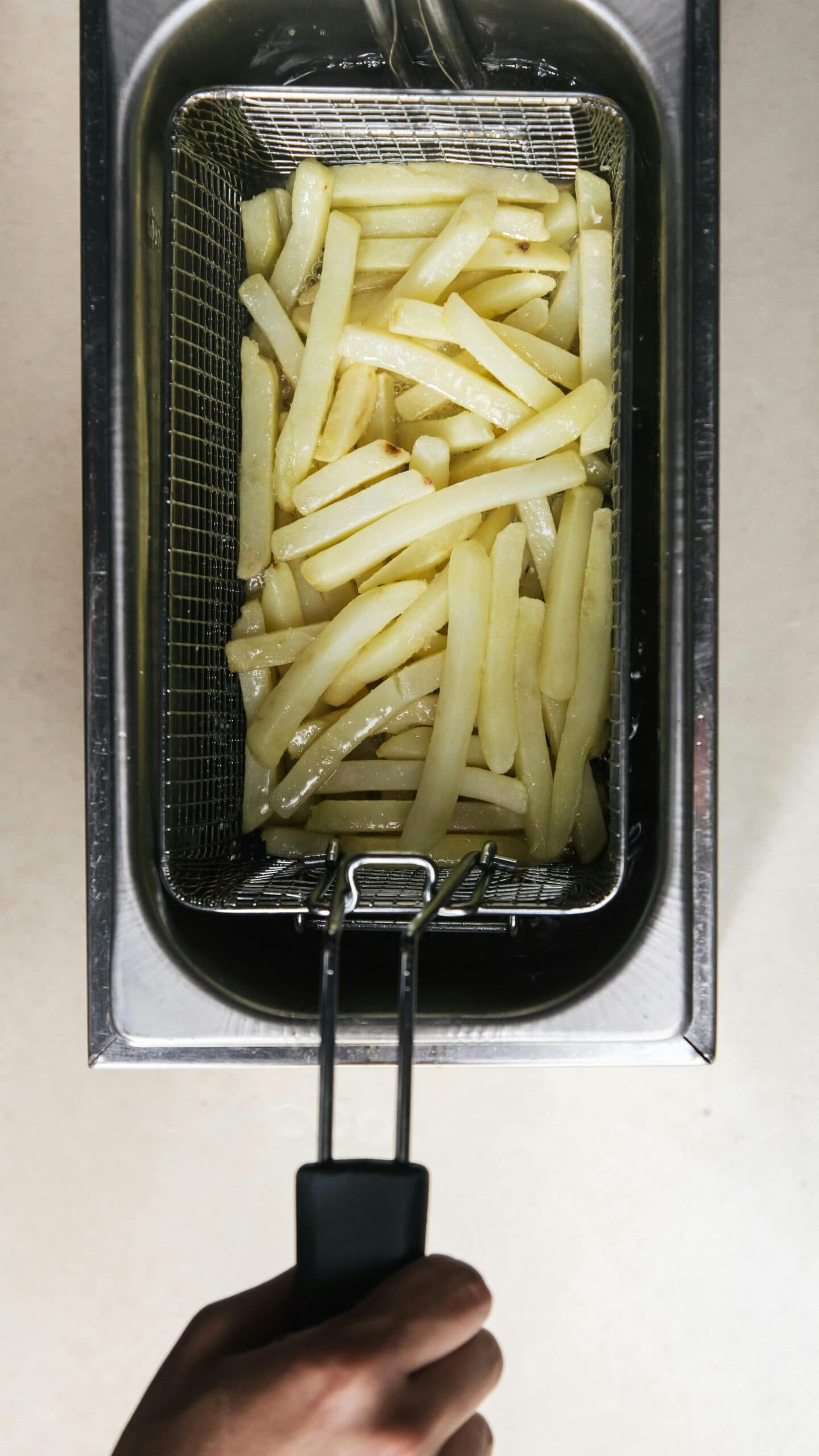
The initial fry is not about achieving a golden-brown color. Instead, it’s a gentle cooking process that begins to cook the potato through and soften its structure without browning. Heat your frying oil (vegetable oil, canola oil, or peanut oil are excellent choices due to their high smoke points) to a temperature between 150°C and 160°C (300°F to 320°F).
Carefully add the dried potato sticks to the hot oil in batches. Do not overcrowd the pot, as this will lower the oil temperature and lead to soggy fries. Fry for approximately 4 to 5 minutes. The fries should appear softened and slightly cooked, but still pale and without any significant browning.
Once this first fry is complete, remove the fries from the oil using a slotted spoon or spider strainer and place them on a wire rack set over a baking sheet. This allows air to circulate around them, preventing them from steaming and becoming soggy. The crucial resting period of 10 to 15 minutes allows the internal moisture of the potato to redistribute and the structure to firm up slightly, preparing them for the second, higher-temperature fry.
Second Fry: The Crisping Stage (180°C – 190°C / 350°F – 375°F)
This is where the magic happens. Increase the temperature of your frying oil to a hotter range, between 180°C and 190°C (350°F to 375°F). Reintroduce the blanched fries to the hot oil, again working in batches.
This second fry is significantly shorter, typically lasting only 2 to 3 minutes. The higher temperature rapidly crisps the exterior of the potato, creating that desirable golden-brown hue and shatteringly crisp texture. Keep a close eye on them to prevent overcooking. They should emerge beautifully golden and perfectly crisp.
The Finishing Touches: Seasoning and Serving
The journey to the perfect fry concludes with immediate seasoning and prompt serving.
The Art of Immediate Seasoning
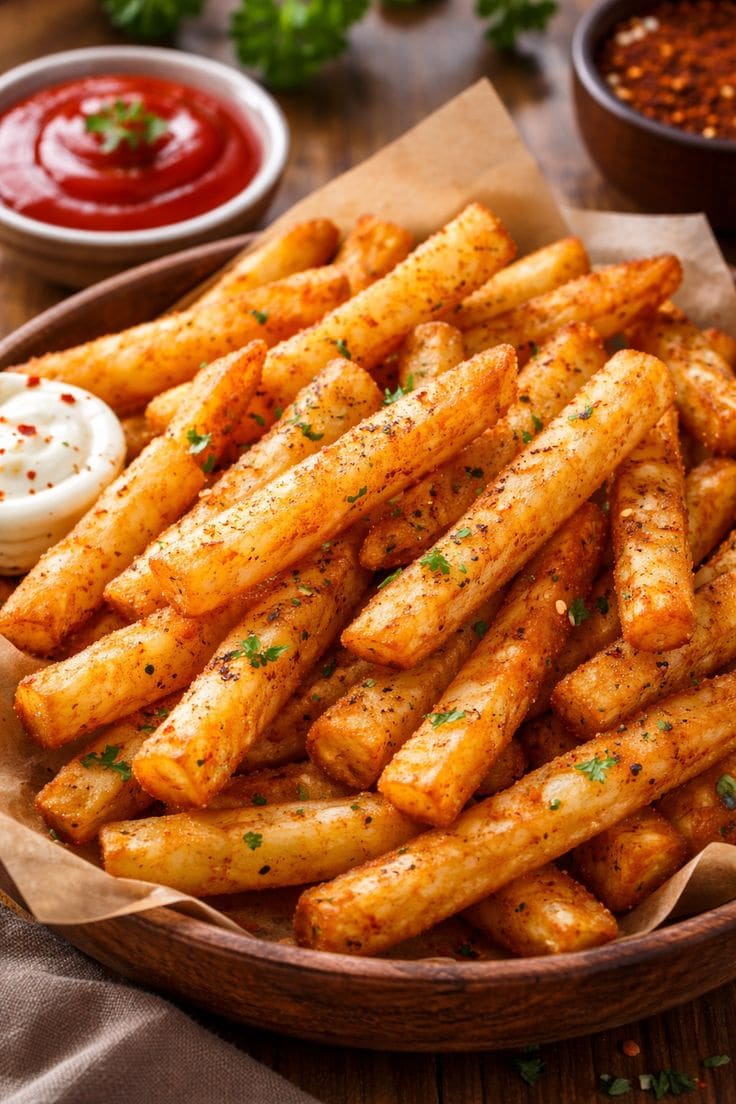
As soon as the perfectly fried golden sticks emerge from the hot oil, they are ready for their final flourish: seasoning. The best time to season fries with salt is immediately after they come out of the fryer, while they are still piping hot.
The residual oil on the surface of the hot fries acts as an adhesive for the salt, ensuring it clings to every surface. If you wait too long, the fries will cool and dry slightly, making it much harder for the salt to adhere evenly. Coarse sea salt or kosher salt is ideal for this purpose, providing a satisfying textural contrast to the crisp potato. Don’t be afraid to experiment with other seasonings at this stage as well, such as paprika, garlic powder, or a blend of your favorite herbs.
The Imperative of Serving Promptly
French fries are at their absolute peak of crispiness the moment they are cooked. Their delicate texture begins to degrade as they sit and absorb moisture from the air. Therefore, the final and perhaps most important step is to serve them immediately.
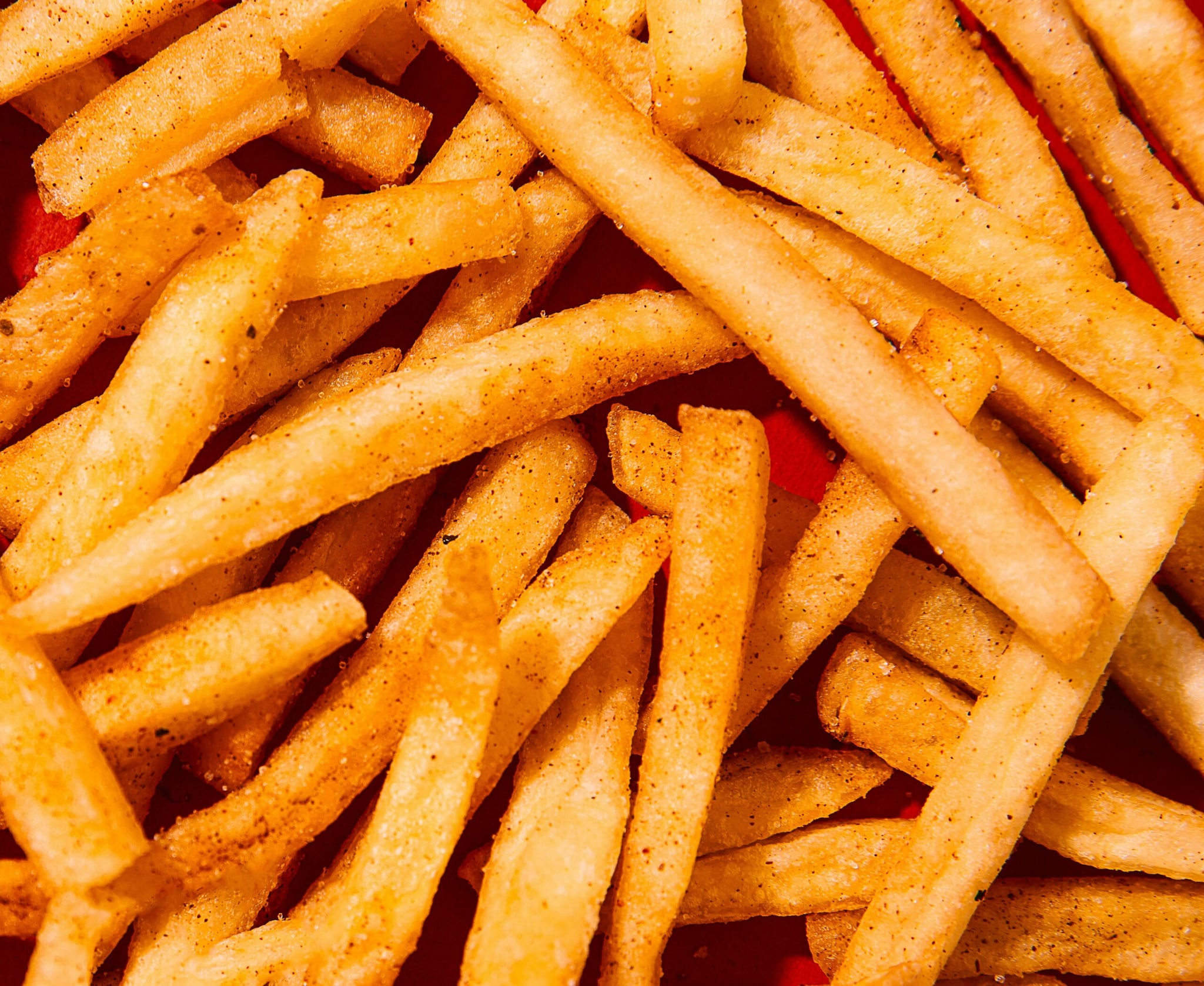
Pair your perfectly crafted fries with classic accompaniments like ketchup or mayonnaise, or explore a world of other delicious dips. Garlic aioli, spicy sriracha mayo, truffle oil, or a tangy barbecue sauce can elevate your fry experience to new heights.
Beyond the Basics: Advanced Tips and Considerations
While the double-fry method and meticulous preparation are the cornerstones, a few advanced considerations can further enhance your homemade fries:
- Oil Temperature Management: Maintaining consistent oil temperatures is paramount. A good thermometer is an invaluable tool for monitoring and adjusting the heat during both frying stages. If the oil temperature drops too low, the fries will absorb excess oil and become greasy. If it’s too high, they risk burning before cooking through.
- Frying Medium: While vegetable, canola, or peanut oil are excellent all-around choices, some chefs prefer the distinct flavor of beef tallow (rendered beef fat) for an incredibly rich and authentic taste. However, this requires careful rendering and storage.
- Seasoning Variations: Beyond salt, consider infusing your fries with flavor. A sprinkle of freshly grated Parmesan cheese, a dusting of chili flakes, or a medley of dried herbs like rosemary and thyme can add complex layers of taste.
- Air Frying and Baking: While not yielding the exact same texture as deep-frying, air fryers and ovens can be used to achieve a satisfyingly crispy result with less oil. These methods often require similar preparatory steps, but the cooking process and temperature adjustments will differ significantly. For baking, a high oven temperature (around 220°C / 425°F) with a good coating of oil is essential, often involving flipping the fries halfway through to ensure even browning. Air fryers typically mimic the deep-frying process at a higher temperature with significantly less oil.
- Storage and Reheating: It’s important to acknowledge that homemade fries are best enjoyed fresh. If you do have leftovers, reheating them in a hot oven (around 200°C / 400°F) on a baking sheet for 5-10 minutes can help restore some of their crispness, though they will never quite match the freshly fried experience.
The Culinary Conclusion
Creating perfectly crispy French fries at home is not a matter of luck, but a testament to understanding and executing fundamental culinary principles. By selecting the right potatoes, employing precise cutting and soaking techniques, ensuring thorough drying, and mastering the transformative double-fry method, you can unlock the secret to restaurant-quality fries in your own kitchen. The reward is a plate of golden, crunchy delights that offer unparalleled satisfaction, proving that sometimes, the simplest foods, when prepared with care and knowledge, can yield the most extraordinary results. So, gather your ingredients, embrace the process, and prepare to elevate your fry game to an entirely new level.
